


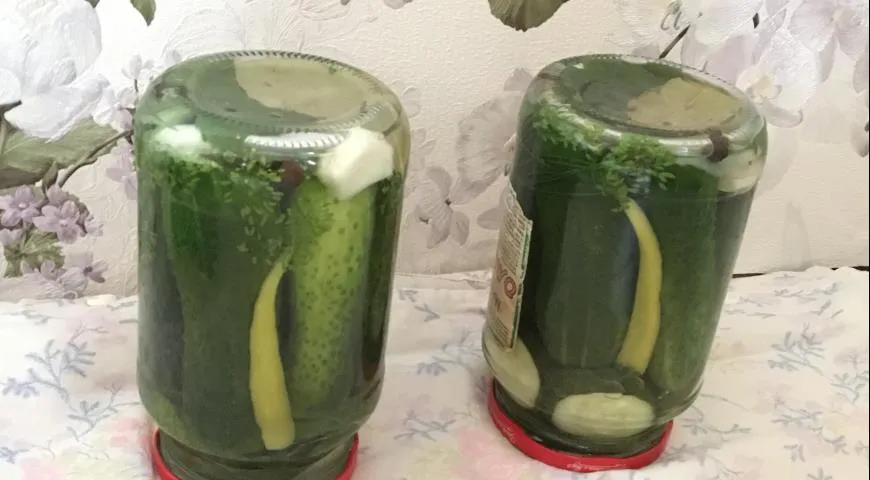
There is something deeply satisfying about opening a jar of homemade marinated cucumbers in the middle of winter—the crunch, the tang, the whisper of dill and garlic. This Russian-inspired recipe delivers quick and delicious marinated cucumbers that rival any store-bought pickle, yet requires only a handful of pantry staples and a little patience. Whether you are a seasoned preserver or a curious beginner, this method—rooted in traditional cold-soaking and double-blanching—ensures a crisp, flavorful result every time. For those who love exploring global pickling traditions, you might also enjoy our Catalan sponge cake as a sweet counterpoint to these briny bites.
About This Recipe
This recipe comes straight from the heart of Russian home canning, where summer abundance is preserved in jars for the colder months. The secret lies in pre-soaking cucumbers in cold water for at least two hours—a step that restores turgor and ensures that signature crunch. The brine is a classic balance of salt, sugar, vinegar, and aromatics—blackcurrant and cherry leaves, horseradish, dill, and garlic. The process uses a double-pour technique that both sterilizes and infuses flavor, a method also employed in many best steam canner recipes for reliable results. In about 30 minutes of active work (plus cooling), you'll have a batch of cucumbers that will delight for months.

Ingredients
- Cucumbers – 700 g (preferably small, firm pickling varieties)
- Water – 700 ml
- Allspice peas – 3 pieces
- Onion – 50 g (about 1 small onion)
- Garlic – 2 cloves
- Dill – 1 sprig
- Horseradish leaf – 1 piece
- Bay leaf – 1 piece
- Salt – 1 tablespoon
- Sugar – 1 tablespoon
- Table vinegar (9%) – 2 tablespoons
- Blackcurrant leaf – 1 piece
- Cherry leaf – 1 piece
Using a best food processor for nut butter can help if you want to blitz herbs for a different texture, but for this recipe hand-chopping is perfectly fine.
Step-by-Step Instructions
Step 1: Pre-soak and prep cucumbers. Rinse cucumbers thoroughly and soak them in a large bowl of cold water for at least 2 hours (or overnight in the fridge). This rehydrates them and guarantees crunch. After soaking, drain and pat dry with a kitchen towel.
Step 2: Sterilize jars and prepare aromatics. Wash and sterilize a 1-liter jar (or two smaller ones) and the lid. Place the horseradish leaf, dill, blackcurrant and cherry leaves, allspice, bay leaf, peeled garlic cloves, and sliced onion into a fine sieve and rinse under cold running water. Do not overdo the greenery—one leaf per jar is sufficient. Slice the onion into thin rings.
Step 3: Layer the jar. Into the sterilized jar, place cherry and currant leaves, garlic, allspice, and bay leaf. Pack the cucumbers tightly upright (trim the ends if desired), interspersing with onion rings. Place the horseradish leaf on top as a natural lid.
Step 4: First pour and blanch. Bring 700 ml of water to a rolling boil. Pour the boiling water over the cucumbers until fully submerged. Cover loosely and let sit for 5 minutes. Then carefully pour the water back into the pot using a lid with small holes (or a strainer). Bring to a boil again and repeat the pour—this second blanching further sets the crunch.
Step 5: Make the brine and seal. For the third boil, add salt and sugar to the water. Once dissolved and boiling, pour this brine over the cucumbers. Add the vinegar, then immediately seal with the sterilized lid. Tighten securely.
Step 6: Cool and store. Turn the jar upside down on a folded towel. Wrap in a thick layer (a bath towel or blanket) and leave to cool completely, usually overnight. The cucumbers will change color slightly but reward you with a vibrant, tangy crunch.
Tips for Perfect Pickling
Don't skip the soaking: That two-hour cold bath is non-negotiable. It plumps the cucumbers and prevents them from turning soft. Use fresh, firm cucumbers: Look for unwaxed, small pickling varieties. Balance your brine: The 1:1 ratio of salt to sugar is classic, but you can adjust vinegar to taste. For a cleaner pour, consider using a best oil sprayer to apply a light coating of vegetable oil on top of the brine for extra preservation—a trick used in some Eastern European households. Store in a cool, dark place: These pickles are best after 2–4 weeks of maturing. Refrigerate after opening.
Variations
This base recipe is endlessly adaptable. Add a small chili pepper for heat, a slice of beetroot for a rosy hue, or substitute the vinegar with apple cider vinegar for a different tang. If you prefer a sweeter pickle, increase sugar to 1.5 tablespoons. For a Mediterranean twist, incorporate fresh rosemary and lemon zest. While the recipe calls for fresh leaves, dried ones can work if you adjust quantities. For more canning inspiration, check out our best air fryer non-toxic guide—though not for pickling, it shows how we evaluate kitchen tools for health and performance.
FAQ
How long do these marinated cucumbers last?
When properly sealed and stored in a cool, dark place, they keep well for up to a year. Once opened, refrigerate and consume within 2–3 weeks.
Can I reduce the vinegar?
Yes, but for safe canning, the acid level must be sufficient to prevent spoilage. Reduce vinegar to a minimum of 1 tablespoon per 700 ml of brine and ensure the pH is below 4.6. Alternatively, refrigerate and consume within a few days.
Why did my cucumbers turn out soft?
Softness usually results from insufficient pre-soaking, overripe cucumbers, or too long a wait before canning. Always choose very fresh, firm cucumbers and soak them in ice-cold water. Using a best refrigerant leak detector won't help here, but keeping your fridge at proper temperature (below 4°C) during soaking does.
Do I need a special canning pot?
No. A standard large pot for boiling water works perfectly. However, if you plan to do large batches, a dedicated best steam canner ensures even heat distribution and safety.
Can I use white vinegar instead of 9% table vinegar?
Yes, white vinegar (distilled) works well. Just ensure it has the same acetic acid concentration (9%). Avoid balsamic or wine vinegar as their flavors may overpower the delicate cucumber taste.
Can I double the recipe for a larger batch?
Absolutely. Simply scale all ingredients proportionally. For very large batches, consider using a best commercial countertop convection oven for sterilizing jars, or consult our guide on best undercounter ice maker machine for quick chilling of the soak water.
Why do you need to turn the jar upside down after sealing?
This creates a vacuum seal as the hot brine contacts the lid, ensuring a perfect, airtight closure. It also helps distribute the aromatics evenly.
For more tips on preserving and kitchen gear, explore our reviews of best non-toxic immersion blender and best food processor for nut butter to complement your pickling arsenal.







