


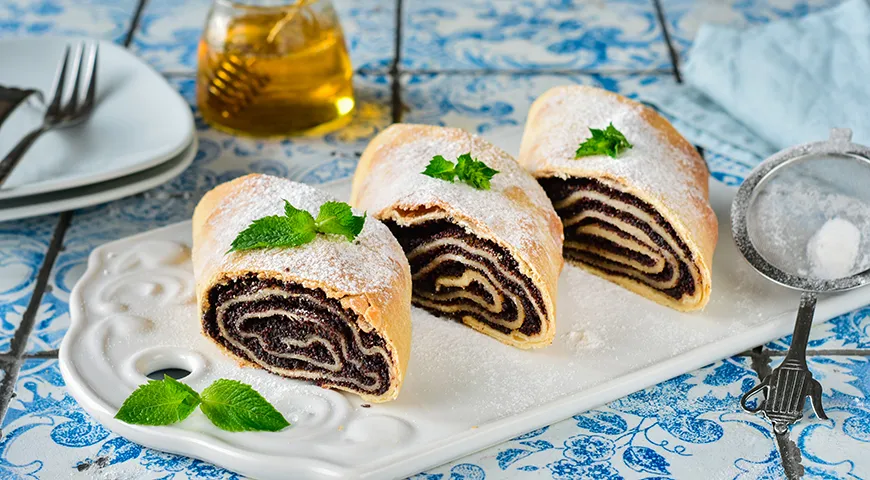
Few pastries command the reverence of the classic Viennese strudel. While apple strudel may be the most famous, the poppy seed variation—Shrudel s Makom—is a true gem of Central European baking. This is not a simple cinnamon roll or a puff pastry turnover. The soul of this recipe lies in the incredibly thin, elastic strudel dough (also known as stretched dough or Strudelteig) that is painstakingly worked until translucent. When paired with a rich, aromatic poppy seed filling, the result is a dessert of profound elegance and texture. Whether you are an experienced baker or a curious novice, this guide will walk you through every step, from the delicate kneading to the final golden bake.
About the Poppy Seed Strudel
Originating in the Austro-Hungarian Empire, strudel became a beloved comfort food across Eastern Europe. The poppy seed version holds a special place in Russian and German homes, often prepared for festive occasions or Sunday tea. The key challenge is the dough: it must be kneaded with patience until it becomes silky and extensible, then rolled out so thin you could almost read a newspaper through it. Properly rested dough ensures the gluten relaxes, making it possible to stretch without tearing. The filling, meanwhile, transforms mundane poppy seeds into a creamy, sweet paste that pairs perfectly with a dusting of powdered sugar.

Ingredients
For the dough:
- 150 g all-purpose flour
- 80 ml drinking water
- ½ teaspoon salt
- 1 tablespoon vegetable oil (use a quality oil sprayer for even coating)
For the poppy seed filling:
- 160 g poppy seeds (pastry grade)
- 90 g granulated sugar
- 1 teaspoon vanilla sugar
- 40 g honey
- 60 g unsalted butter
- 130 ml milk
Step-by-Step Instructions
Step 1: Prepare the Dough
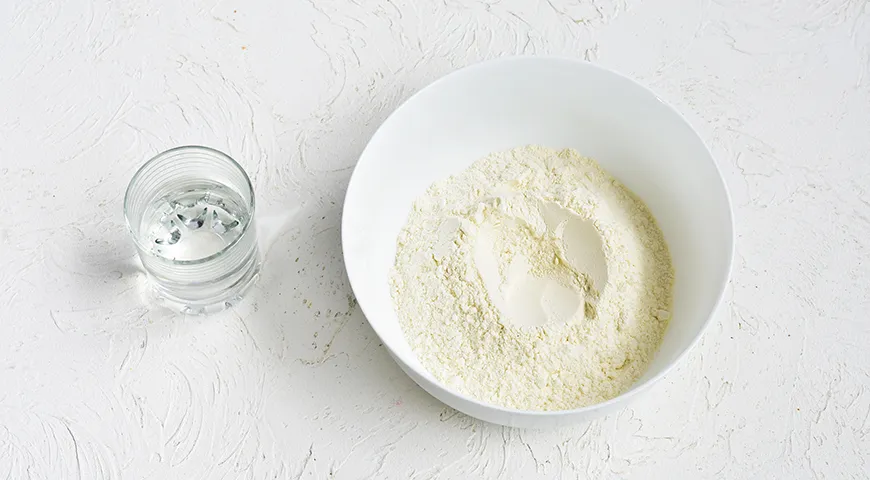
Dissolve salt in the water. Pile the flour on your work surface and make a well in the center. Gradually pour in the salted water, mixing with a fork or your fingers. Add the vegetable oil.
Step 2: Knead and Develop the Gluten
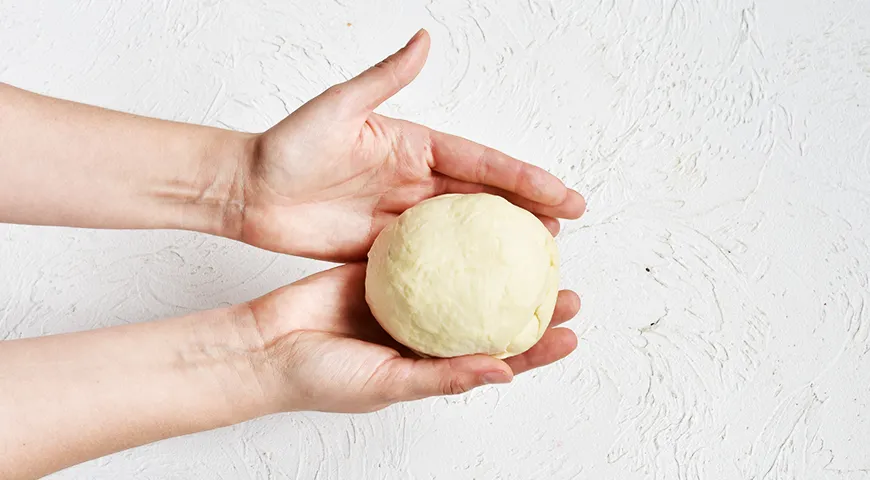
Knead the dough vigorously, stretching and slapping it against the counter for 10–15 minutes. You are looking for a smooth, elastic ball that no longer sticks to your hands. This is the perfect moment to use a high-powered food processor if you prefer a machine assist, but hand-kneading builds authentic character.
Step 3: Rest the Dough
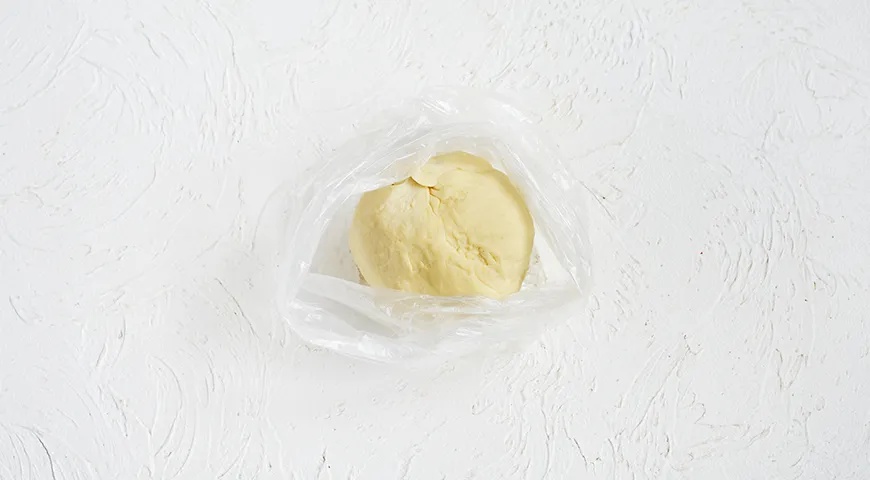
Shape the dough into a ball, wrap tightly in plastic film, and refrigerate for 30 minutes. This rest allows gluten to relax, making it pliable for ultra-thin rolling. Use a glass bowl to cover if plastic is unavailable.
Step 4: Prepare the Poppy Seed Base
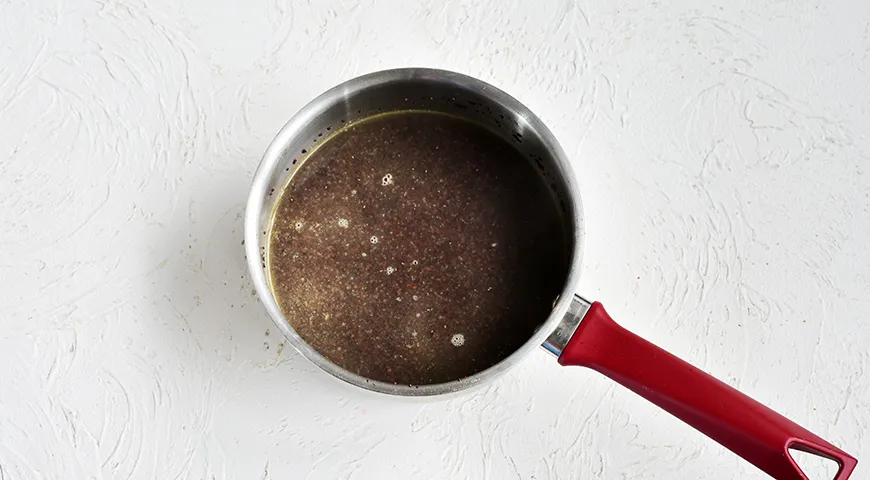
While the dough rests, place the poppy seeds in a small saucepan. Cover with boiling water (about 1 cm above the seeds). Close the lid and let sit for 20 minutes at room temperature.
Step 5: Blend and Sweeten
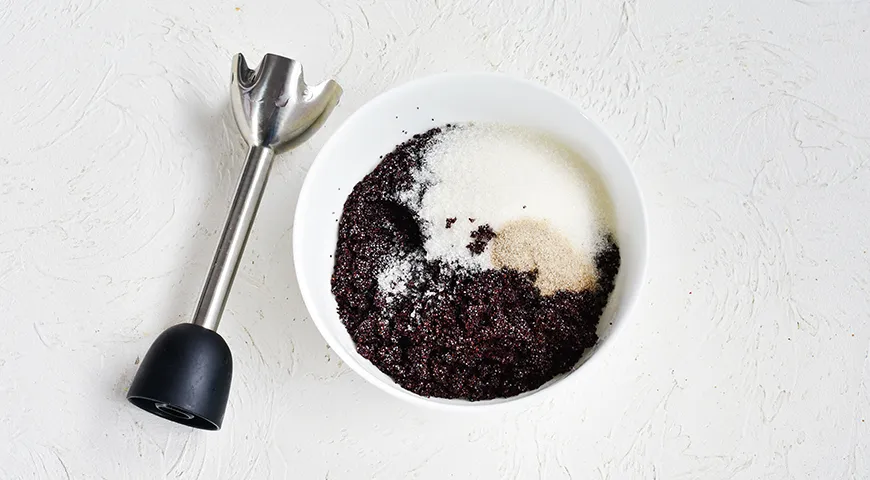
Carefully drain the poppy seeds, leaving just a little moisture so the paste is not dry. Stir in the granulated sugar and vanilla sugar. Using an immersion blender, puree the mixture until smooth and creamy.
Step 6: Cook the Filling
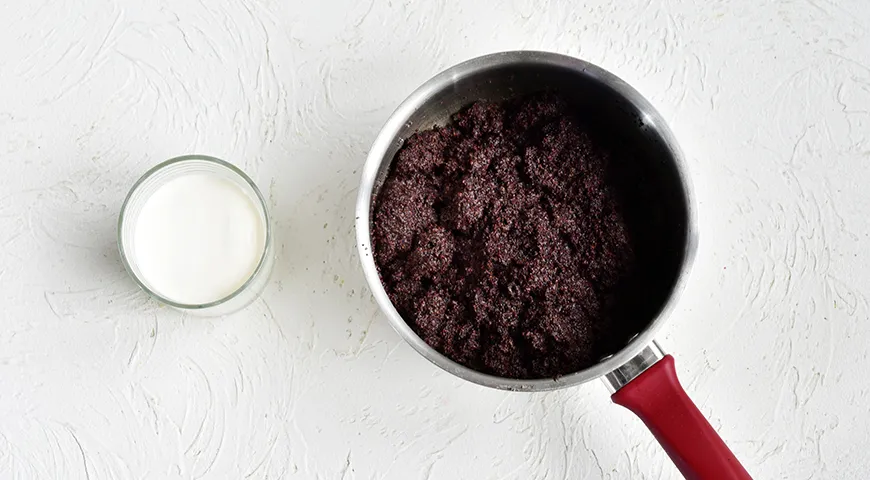
Place the saucepan over low heat. Cook the poppy seed paste, stirring constantly, until most of the water evaporates. Pour in the milk and bring to a gentle boil. Cover and simmer on low for 20 minutes, stirring occasionally to prevent sticking. The mixture will thicken to a pudding-like consistency.
Step 7: Finish the Filling
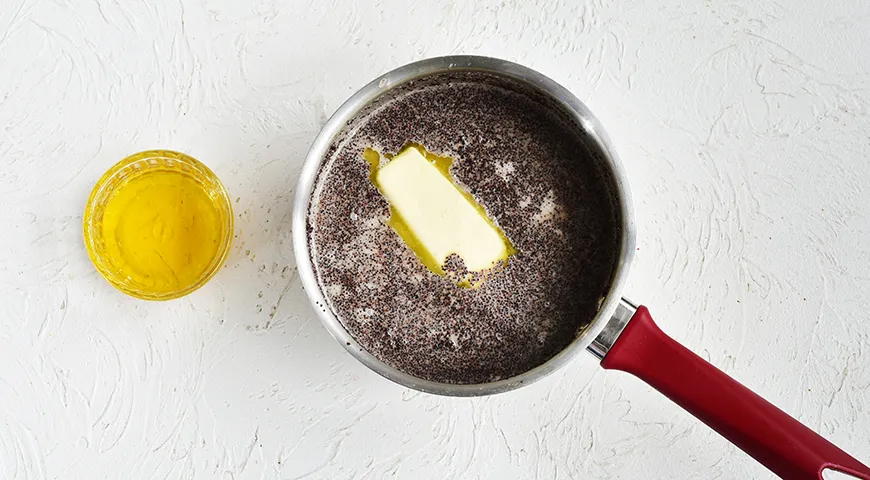
Remove from heat. Stir in honey and butter until fully incorporated and smooth. Allow the filling to cool completely to room temperature. For a twist, fold in chocolate-covered raisins after cooling.
Step 8: Roll and Fill
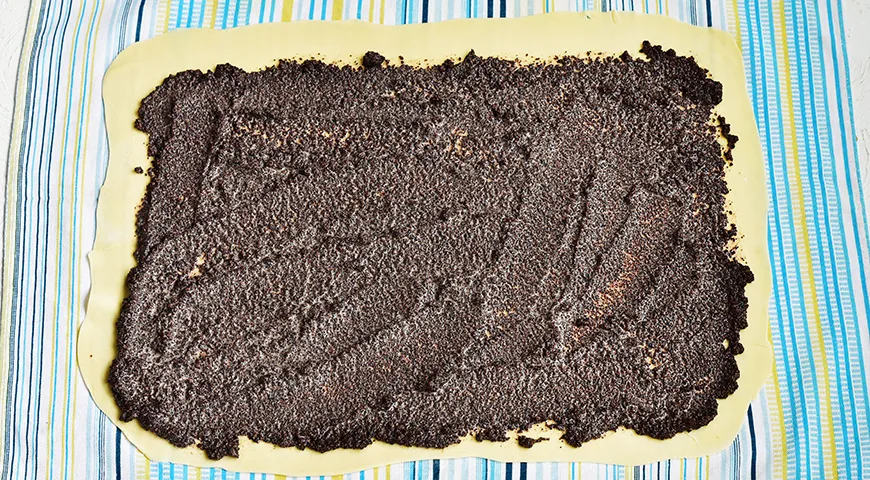
On a lightly floured surface, roll the rested dough into a very thin rectangle. Transfer the dough onto a large linen towel (this helps you roll it up). Gently stretch the edges to make it even thinner. Spread the poppy seed filling evenly over the dough, leaving a 2 cm border on all sides. Using the towel to lift, roll the dough up from the long side into a tight log.
Step 9: Bake
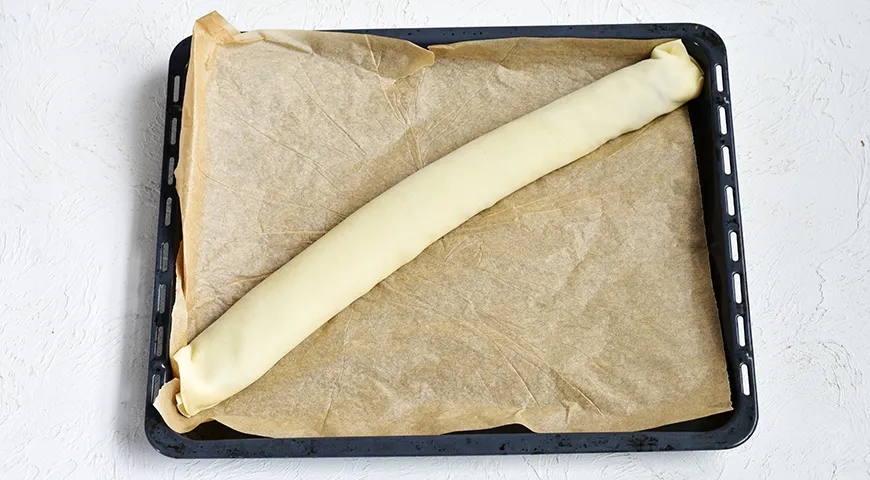
Preheat your oven to 180°C (350°F). Carefully transfer the strudel seam-side down onto a parchment-lined baking sheet. Bake for about 45 minutes, until the crust is a deep gold-brown. Let cool on a wire rack before slicing into portions. A convection oven ensures even browning.
Tips for Perfect Strudel Dough
Working with stretched dough requires patience. If the dough tears during rolling, patch it gently with a bit of water. Always keep your work surface and hands lightly oiled. An alternative cooking method is to air-fry the rolled strudel at 170°C for 20 minutes, though the traditional oven bake is superior for texture. For a even thinner dough, try using a clean espresso machine to warm the counter slightly? (Joking—but the steam helps.)
Variations
You can substitute the poppy seeds with ground walnuts or a mixture of dried fruits. For a more decadent version, drizzle the warm strudel with a bourbon glaze—consider pairing with a high-proof organic vodka if you want an adult twist. Some bakers add a layer of cherry jam under the filling for a fruity contrast.
Frequently Asked Questions
Can I use store-bought phyllo dough?
Yes, but the strudel won’t have the same chewy, elastic crumb. Real strudel dough is unique. If substituting, use 6–8 sheets of phyllo brushed with melted butter.
How do I store leftover poppy seed strudel?
Wrap tightly in foil and keep at room temperature for up to 2 days, or refrigerate for up to a week. Revive in a microwave combo oven for a few seconds.
Can I freeze the unbaked strudel?
Absolutely. Wrap the assembled, unbaked strudel in plastic and freeze for up to 3 months. Bake directly from frozen, adding 10–15 minutes.
Why did my dough shrink back while rolling?
The gluten wasn’t relaxed enough. Let the dough rest longer, and ensure your flour has enough protein. Fresh wheatgrass juice isn’t related, but fresh ingredients matter.
Is it necessary to blend the poppy seeds?
Not strictly, but blending creates a smooth, spreadable paste. Otherwise, seeds remain crunchy. For extra creaminess, use a stick blender reserved for fine purees.
Can I make this dairy-free?
Yes. Use plant-based milk (like oat or almond) and replace butter with vegan block margarine or coconut oil.
What else can I use my immersion blender for?
Besides poppy seed filling, it is perfect for soups, sauces, and even homemade herb oils.
This poppy seed strudel is a celebration of texture and tradition. Whether served at a festive gathering or as a quiet afternoon indulgence, its thin, flaky crust and rich, nutty filling will transport you straight to a Viennese café. Pair with a strong coffee or a glass of sweet dessert wine for the full experience. Enjoy the art of stretching, rolling, and baking—your kitchen will thank you.







