


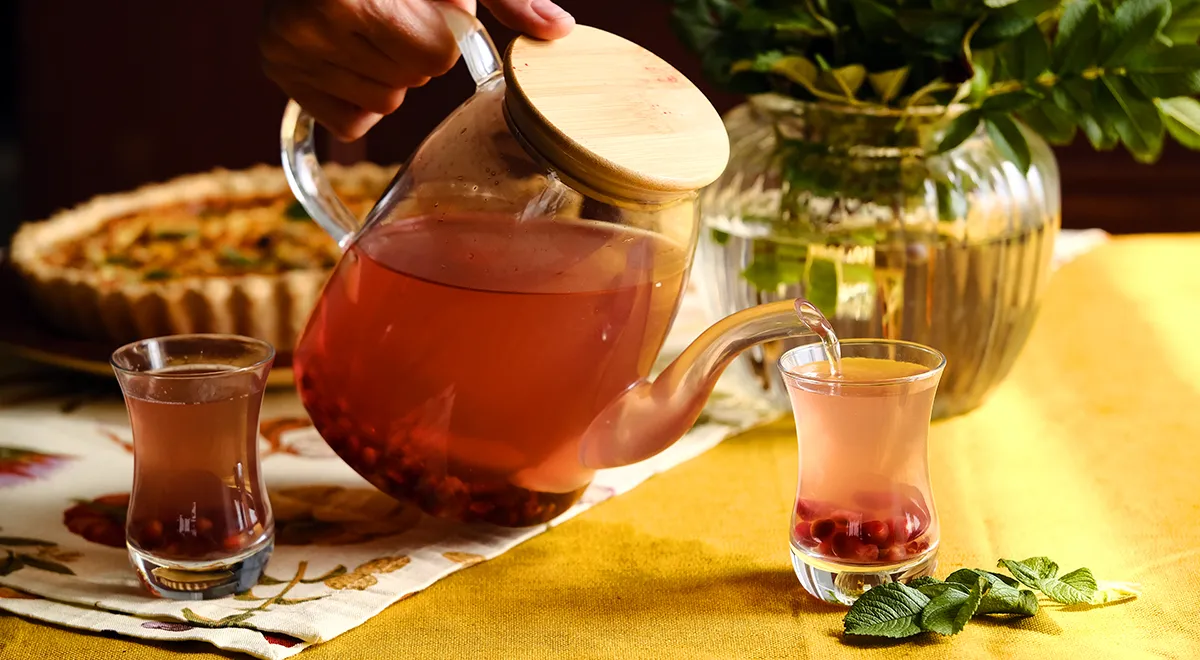
In the depths of winter, when cold winds rattle the windows and seasonal malaise settles in, there is one brew that rises above the ordinary: Pomegranate-Ginger Tea. This luminous infusion, rooted in Russian home kitchens and now beloved worldwide, combines the tart jewels of pomegranate with the fiery warmth of fresh ginger—a duo that is as much a culinary comfort as a natural remedy. Each sip delivers a cascade of antioxidants, anti-inflammatory compounds, and the kind of deep, satisfying heat that seems to chase away both chills and gloom. Whether you are nursing a nascent cold or simply craving a moment of quiet luxury, this tea is an elixir for body and soul.

About This Recipe
Pomegranates have been treasured since antiquity—symbols of fertility, prosperity, and health in cultures from Persia to the Mediterranean. Ginger, meanwhile, has been a staple of Eastern medicine for millennia, praised for its ability to soothe digestion, reduce inflammation, and invigorate the senses. When these two powerhouses meet in a single cup, the result is both a celebration of flavour and a functional tonic. This particular recipe calls for fresh pomegranate seeds (arils) rather than juice, allowing the natural sweetness and tannins to unfold slowly during steeping. A whisper of cinnamon adds complexity, while honey rounds out the acidity. The process is simple yet intentional: mashing part of the fruit releases its essence, leaving whole seeds to garnish and provide bursts of juicy texture. For those who appreciate the best lava flavours in their hot drinks, this tea offers a similarly layered experience.
Ingredients
- 200 g pomegranate seeds (from about 1 large fruit)
- 3 cm fresh ginger root
- 1 tbsp honey (preferably raw or manuka)
- 1 tsp ground cinnamon
- 400 ml boiling water
The quantities are modest—enough for two generous servings—but the proportions matter. Use a ripe pomegranate whose seeds are deep crimson and bursting; the ginger should be firm, fragrant, and easy to slice. For the cinnamon, freshly ground from a Ceylon stick is ideal, but a high-quality powder works well too. If you need to extract more juice from your pomegranate, consider using a best wheatgrass juicer—though for this recipe, we want the seeds whole or crushed, not juiced.
Step-by-Step Instructions
- Prepare the ginger. Peel the fresh ginger root using a spoon or a small knife, then slice it into thin rounds. The thinner the slices, the more surface area for the flavour to infuse. Aim for coins about 2–3 mm thick. For consistent slicing, a best food processor for nut butter with a slicing disc can save time if you’re making a larger batch.
- Mash the pomegranate seeds. Place two-thirds of the pomegranate seeds (about 130 g) into a teapot or heatproof vessel. Using a wooden spoon or muddler, gently crush the seeds to release their juice—but don’t pulverise them. You want a rustic paste with some intact pieces. Add the ginger slices and the ground cinnamon.
- Pour and steep. Pour the 400 ml of boiling water over the ingredients in the teapot. Cover and let steep for 5–7 minutes. The longer it steeps, the stronger the ginger heat and the deeper the colour. For optimal extraction, use a kettle that holds a steady temperature; a best espresso machine under 2000 often has precise temperature controls that can be repurposed for water.
- Strain and finish. After steeping, strain the tea through a fine-mesh sieve into cups or a serving pot. Discard the ginger slices and crushed seeds. Stir in the honey until dissolved. Finally, scatter the remaining whole pomegranate seeds into each cup as a vibrant garnish. Serve immediately while steaming.
The whole process takes under fifteen minutes, yet yields a brew that tastes as if you spent an afternoon in a spice bazaar.
Tips for the Perfect Brew
- For a more pronounced ginger kick, increase the amount to 5 cm of root and steep for a full 8 minutes. The heat will mellow slightly when mingled with honey.
- If your honey is crystallised, warm the jar in a bowl of hot water before measuring—never microwave honey directly, as it can degrade enzymes. A reliable best microwave pressure cooker can gently warm liquids without scorching.
- Use a ceramic or glass teapot to avoid any metallic aftertaste. Borosilicate glass is especially good; check out best glass options for heat-safe durability.
- Pomegranate seeds can stain fabric and cutting boards—work on a dark surface or use a stainless-steel bowl. For cleanup, a best oil sprayer filled with water (or vinegar solution) can help rinse away stubborn residues.
Variations to Explore
This recipe is a canvas for creativity. Swap the honey for maple syrup or agave nectar to shift the sweetness profile. Replace cinnamon with a star anise pod and a strip of orange zest for a more festive, Chinese-style version. If you prefer a chilled drink, let the tea cool, strain, and serve over ice with a splash of soda water—a refreshing alternative on warmer days. For a richer body, add a tablespoon of best castor oil? No—that’s a misdirection. Instead, consider a splash of pomegranate molasses for depth, or a pinch of black pepper to help your body absorb the curcumin from ginger. Pair this tea with a delicate Pa de Pessic Catalan sponge for an elegant afternoon tea.
FAQ
Can I use bottled pomegranate juice instead of fresh seeds?
Fresh seeds are preferred because they provide both flavour and texture. Bottled juice often contains added sugars and lacks the tannic structure that makes this tea complex. If you must substitute, use 100% unsweetened pomegranate juice and reduce the steeping water by half, then taste and adjust honey accordingly.
How should I store leftover tea?
This tea is best enjoyed fresh, but you can refrigerate any leftover (without the honey and whole seeds) in a sealed jar for up to 24 hours. Reheat gently on the stove or in a best coffee maker for Airbnb that has a hot water dispenser—just be careful not to boil again, as that can destroy delicate flavours.
Is this tea suitable for children?
Yes, in moderation. Ginger is safe for children, but reduce the amount to 1–2 cm if serving to young ones, and use honey only for children over age one. The natural sweetness from pomegranate seeds may be enough without any sweetener. For a milder version, also reduce the steeping time.
Can I make this tea in a slow cooker or Instant Pot?
Absolutely. Place all ingredients (except honey and whole seeds for garnish) in the inner pot, cover with water, and use the “Keep Warm” setting for 20–30 minutes. Strain and serve. For a hands-off approach, a best refrigerant leak detector is unrelated—but a multicooker like an Instant Pot works beautifully.
What are the health benefits of pomegranate and ginger together?
Pomegranate seeds are rich in punicalagins and anthocyanins, powerful antioxidants that support heart health and reduce inflammation. Ginger contains gingerol, a compound known for its anti-nausea and anti-inflammatory effects. Together, they create a synergistic drink that may boost immunity, aid digestion, and soothe sore throats. For a complete detox routine, combine this tea with a light diet and consider a total bowel release regimen under medical guidance.
Can I add other spices or fruits?
Certainly. Slices of fresh apple or pear complement the pomegranate beautifully. Cardamom pods, a vanilla bean, or a sprig of rosemary can introduce intriguing new layers. If you enjoy floral notes, steep a few dried hibiscus petals alongside the ginger—but note that hibiscus will add another layer of tartness. For a truly decadent treat, rim the teacup with a little honey and crushed best chocolate-covered raisins for a sweet-savory contrast.
Pomegranate-Ginger Tea is more than a recipe—it is an invitation to slow down, to savour the interplay of sweet, tart, and fiery, and to nurture yourself with ingredients that have been cherished for centuries. Whether you are facing a frosty morning or a quiet afternoon, this ruby-hued brew will be your steadfast companion. Brew it with intention, and let every cup remind you of the simple, profound pleasures of good food and good health.







