


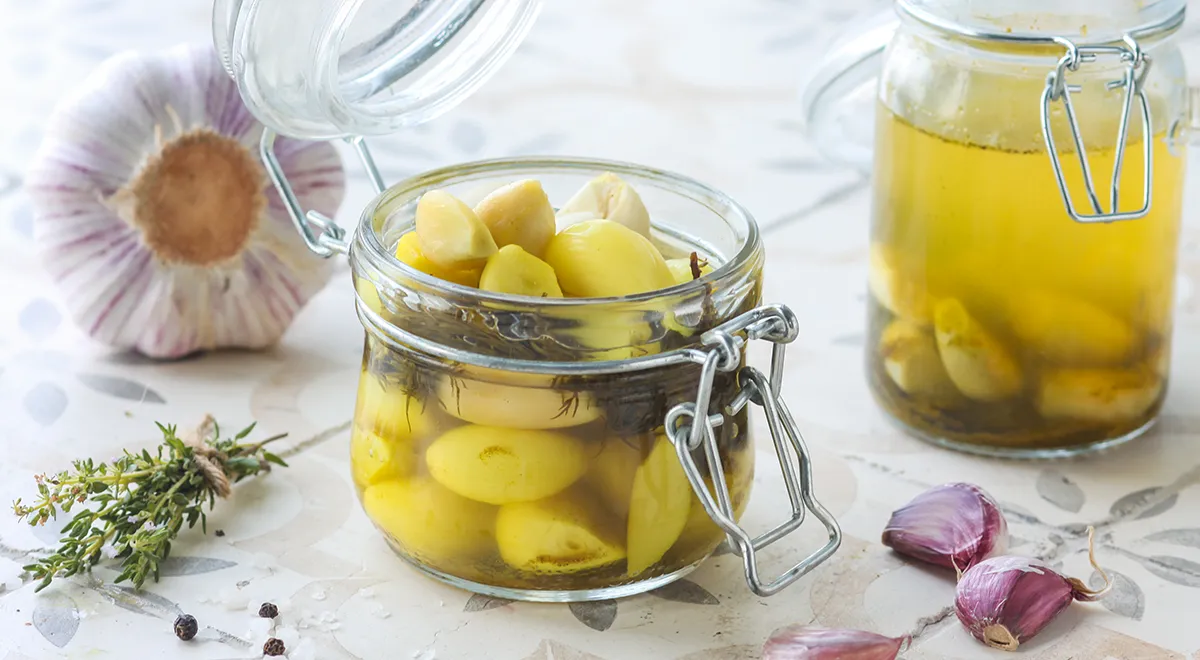
There is something deeply satisfying about preserving a humble bulb of garlic into a tangy, shelf-stable treasure. This recipe for pickled garlic cloves without sterilization transforms fresh garlic into a piquant condiment that elevates everything from borscht to board spreads. By using a hot vinegar brine and airtight sealing, you achieve a safe, year-long storage without the need for cumbersome sterilizing equipment. The result? Tender, mellow cloves with a whisper of thyme and spice—perfect for those who appreciate the art of glass jar preservation. We developed this method to honor the rustic simplicity of Eastern European pantries while ensuring modern safety standards. Whether you are a seasoned preserver or a curious beginner, this recipe promises a delicious payoff with minimal fuss.
About This Recipe
Pickled garlic is a beloved staple in Russian cuisine, often served alongside hearty soups like kharcho or used to add depth to sauces and aspic. This particular version skips sterilization—commonly required for low-acid foods—because the high vinegar and salt content create an environment hostile to spoilage. The process relies on a vigorous boil and immediate sealing, a technique similar to hot pack canning. We call for small jars (around 200 ml each) so that once opened, the garlic is consumed quickly before it loses its crunch. The blend of thyme, dill, bay leaf, and a touch of ground ginger and khmeli-suneli (a Georgian spice mix) gives these cloves a complex, aromatic profile that pairs beautifully with fatty meats, pickled herring, or simply as a bar snack.

Ingredients
- Fresh garlic – 400 g
- Fresh dill – 4 sprigs
- Fresh thyme – 2 sprigs
- Bay leaves – 2 pieces
- Drinking water – 1 liter
- Ground thyme – 3 g
- Ground ginger – 3 g
- Khmeli-suneli – 5 g
- Salt – 40 g
- Black pepper (ground) – 5 g
- White vinegar (9%) – 50 ml
- Sugar – 50 g
Note: If you prefer a less assertive vinegar bite, you can reduce the vinegar slightly, but keep the total acid content adequate for safety. Using a fine spray of oil on top before sealing can further prevent mold, though this recipe is designed to be oil-free.
Step-by-Step Instructions
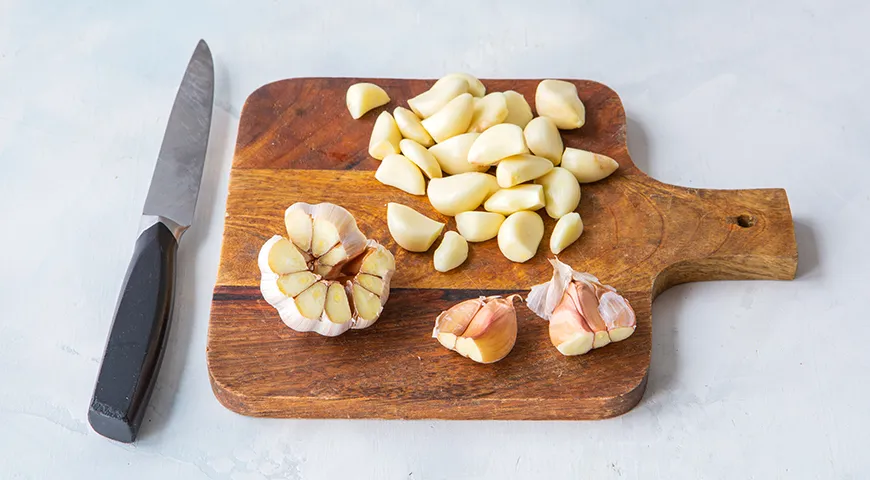
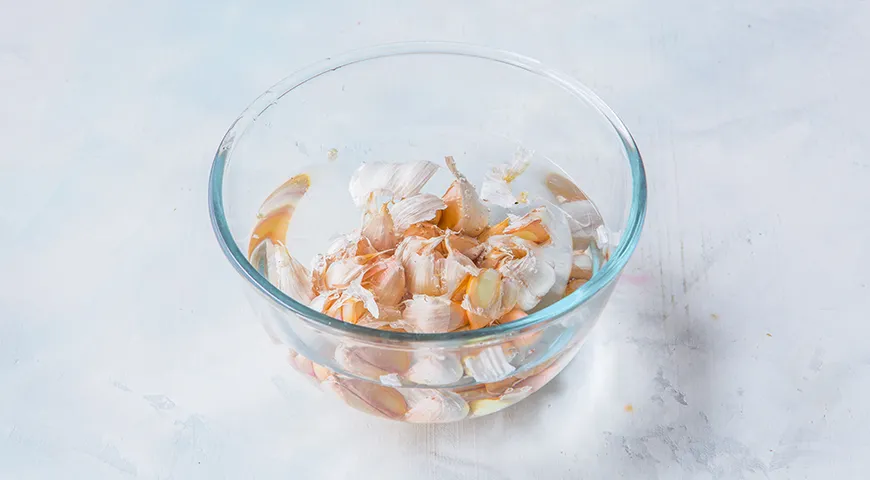
- Prepare all ingredients. Peel the garlic and separate into cloves. Place the cloves in a bowl and rinse them under cold water. If the garlic is difficult to peel, soak the cloves in cold water for 30 minutes—this loosens the skin. Drain and use a small knife to remove any remaining stubborn skins.
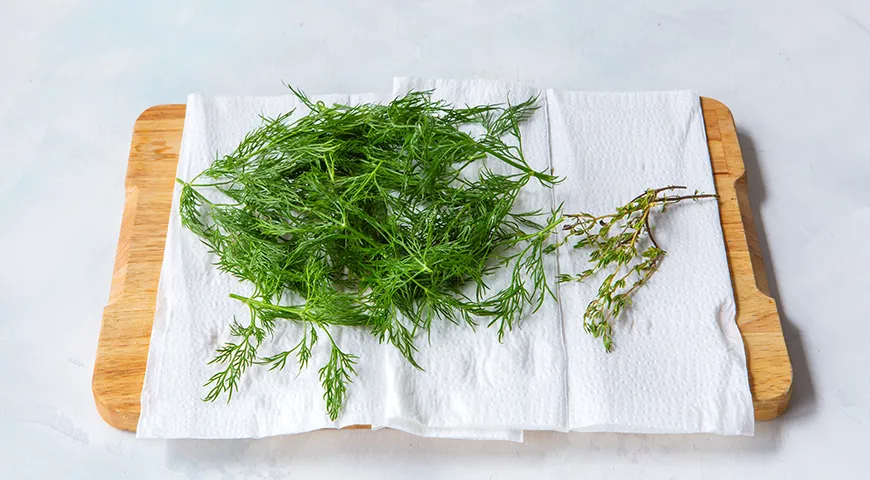
- Wash the dill and thyme sprigs under running water, then pat dry with paper towels. Remove any tough stems or wilted leaves.
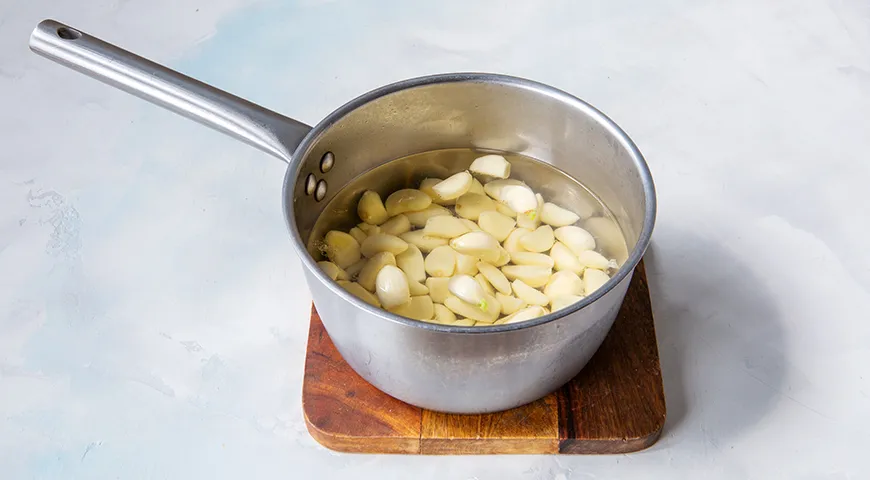
- Place the garlic cloves in a deep bowl or saucepan and pour boiling water over them. Let them sit for 10 minutes to soften slightly. Carefully drain the hot water and let the garlic cool.
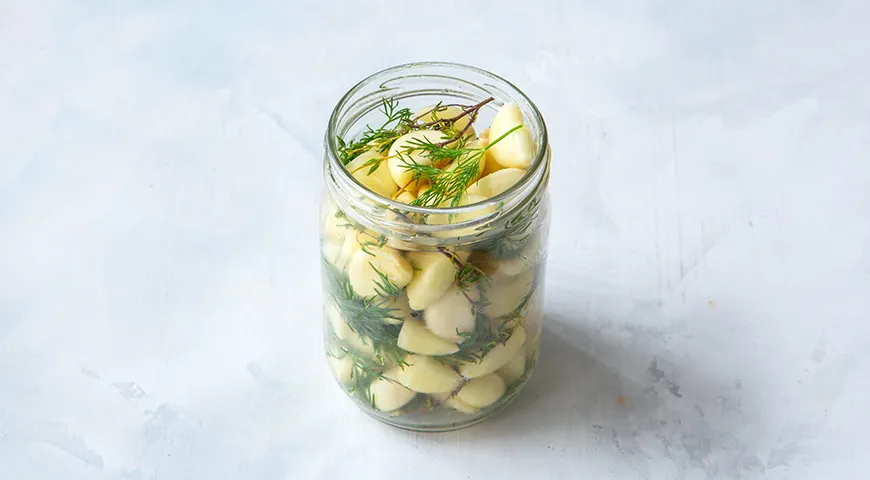
- Prepare sterilized jars and lids (you can sterilize by boiling or using the oven method). Into each jar place one sprig of dill, one of thyme, and a bay leaf. Add the garlic cloves loosely, leaving some space at the top.
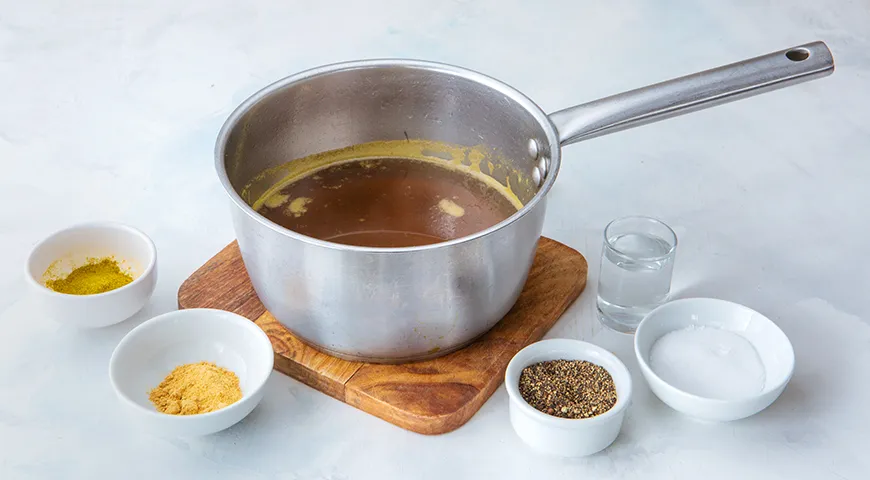
- Make the brine. In a saucepan, combine the water, dried thyme, ground ginger, salt, black pepper, khmeli-suneli, sugar, and vinegar. Bring to a rolling boil and let it simmer for 3 minutes, stirring to dissolve the salt and sugar.
- Immediately pour the hot brine into the jars, filling to the brim. Seal each jar tightly with its lid.
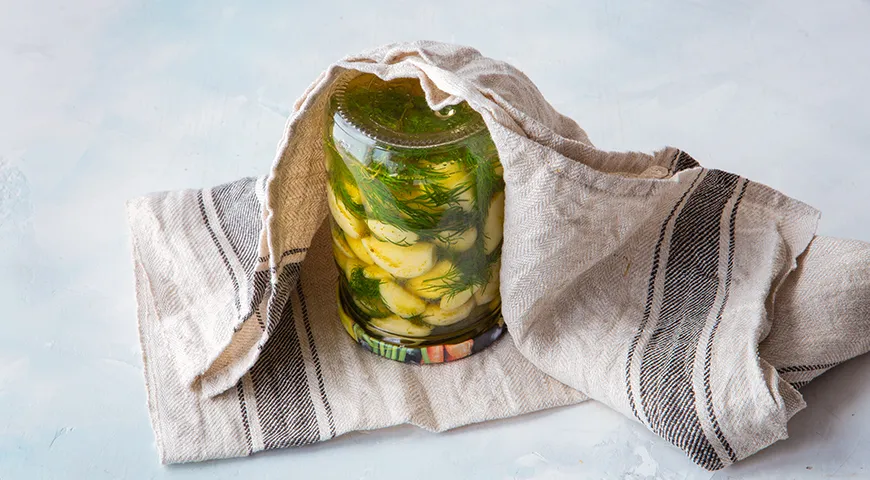
- Turn the jars upside down, wrap them in a blanket or towel, and leave them to cool completely for 24 hours. This creates a vacuum seal. Then transfer to a dark, cool place for long-term storage.
Tips for Perfect Pickled Garlic
- Use fresh, firm garlic—any soft or sprouting cloves will turn mushy. If you have a good juicer, you can repurpose leftover garlic pulp, but whole cloves are best here.
- Don't skip the blanching step; it softens the cloves just enough to allow the brine to penetrate without making them limp.
- For a milder flavor, you can replace half the vinegar with apple cider vinegar, but maintain the total acidity with a quality broth? No—stick to pure vinegar for safe preservation.
- If you don't have khmeli-suneli, substitute a pinch of coriander and fenugreek.
- Always use non-reactive vessels (stainless steel or glass). Avoid aluminum, which reacts with vinegar.
Variations
Feel free to customize the spice profile. Add a dried chili for heat, or replace dill with tarragon for an anise-like note. For a sweeter pickle, increase the sugar to 70 g. This recipe also works beautifully with espresso? No—but you can add star anise or allspice berries. If you grow your own herbs, use double the fresh amount. The brine can also be reused for pickling mushrooms or vegetables, but always boil it again before reuse. Check out our guide on sweet pickles for inspiration (though garlic is savory!).
FAQ
How long can I store pickled garlic without sterilization?
Properly sealed jars of this recipe will keep for up to one year in a dark pantry at room temperature. Once opened, refrigerate and consume within two weeks. For a longer shelf life, consider using a steam canner for additional safety.
Can I use red wine vinegar instead of white?
Yes, but the color will darken and the flavor will be more robust. Adjust the vinegar amount to maintain 9% acidity. If using a lower acidity vinegar, such as 5%, you may need to increase the amount or add citric acid. We recommend following the tested ratio.
Why do I need to blanch the garlic?
Blanching softens the cloves slightly, allowing the brine to penetrate more evenly and reducing the risk of a raw, harsh garlic taste. It also helps remove any residual dirt and enzymes that could cause cloudiness.
Can I skip the inversion step?
Inverting the hot jars creates a vacuum seal as they cool, which is essential for a non-sterilized pickle. If you skip this, the jars may not seal properly, and spoilage could occur. Always check the lids after 24 hours—they should be concave and not pop when pressed.
What are the best uses for pickled garlic?
They shine as a garnish for borscht, kharcho, or any hearty soup. Chop them into vinaigrettes, mash into dips, or serve alongside grilled meats and cheese boards. They also add a subtle garlicky tang to Catalan sponge cake? Unlikely—but they do elevate simple rice pilafs and roasted vegetables.
Storage and Serving Suggestions
Keep the jars in a cool, dark place away from direct sunlight—a cellar or pantry is ideal. Once opened, refrigerate and use within two weeks. To serve, simply pluck out a few cloves with clean utensils. They are fantastic with air-fried chicken or as a tangy addition to salads. You can also blend them into a creamy dressing with yogurt and mint. For a festive appetizer, skewer a pickled garlic clove with a cube of feta and a cherry tomato. The options are as varied as your imagination.
We hope you enjoy this timeless recipe from the Russian kitchen. For more preserving inspiration, explore our reviews of kitchen tools and storage solutions to keep your pantry organized. Happy pickling!







