


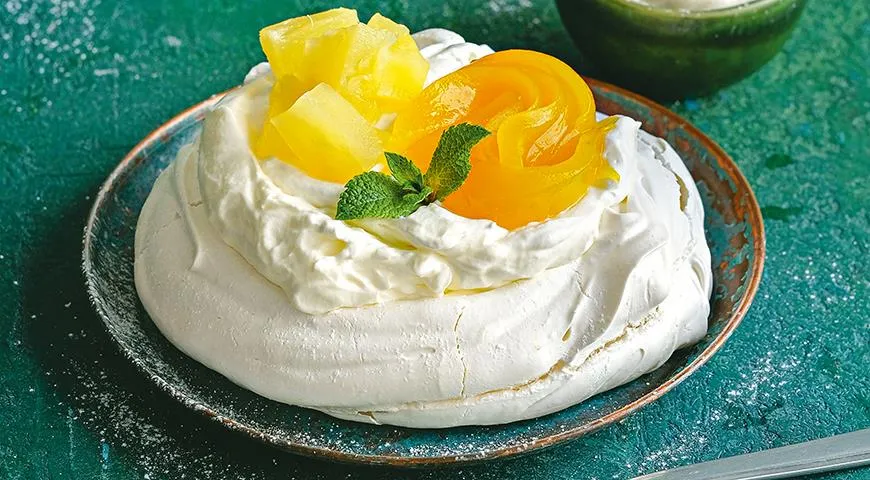
Discover the ethereal elegance of Pavlova—a dessert named after the legendary Russian ballerina Anna Pavlova—reimagined with tropical mango and pineapple. This recipe transforms the classic meringue base into individual pastries, each a crisp shell cradling a cloud of stabilized cream and vibrant fruit. Perfect for summer entertaining or a luxurious finish to any meal, these Pavlova pastries are surprisingly achievable at home with the right techniques and tools. Let us guide you through the essentials, from selecting the best planetary mixer for whipping egg whites to chilling the finished desserts in a reliable ice maker.
About the Pavlova: A Ballet of Flavors
The Pavlova is a masterpiece of texture: a crisp, airy meringue exterior that gives way to a soft, marshmallow-like interior, topped with whipped cream and fresh fruit. This version features two tropical stars—mango and pineapple—that bring exotic sweetness and acidity, beautifully counterpointing the rich cream. The key to success lies in the meringue preparation, which demands perfectly clean bowls and precise sugar incorporation. For pristine results, start with high-quality glass mixing bowls to avoid any grease residue.

Ingredients
For the meringue:
5 egg whites (150 g)
225 g fine sugar
150 g icing sugar
15 g cornstarch
5 ml vinegar
10 g vanilla sugar
2 g salt
For the cream and topping:
400 ml heavy cream (at least 30% fat)
75 g icing sugar
5 g vanilla sugar
10 g gelatin
100 ml light syrup (e.g., from canned fruit) or apple juice
200 g mango
200 g pineapple
Fresh mint leaves for garnish
Step-by-Step
1. Preheat your oven to 170°C. Line a baking sheet with parchment paper. Secure the paper with small dabs of meringue on each corner—this prevents sliding. A convection oven works beautifully for even baking.
2. Whisk the egg whites. Ensure egg whites are at room temperature. In the bowl of your planetary mixer, beat on medium-high speed until frothy and opaque. Gradually add the fine sugar in a thin stream, continuing to beat until soft peaks form. Stop and sift the icing sugar and cornstarch over the whites, add vinegar and vanilla sugar, then resume beating to stiff peaks.
3. Shape the meringues. Divide the mixture into eight portions on the prepared sheet. Using a spoon, create a well in the centre of each to form a nest shape. For even shapes, consider using a light oil spray on the spoon for smooth indentations.
4. Bake and cool. Bake for 20–25 minutes. Turn off the oven and leave the meringues inside for 30 minutes, then transfer to a wire rack to cool completely. The residual heat firms the structure without over-browning.
5. Prepare the stabilized cream. Whip the chilled cream with icing sugar and vanilla sugar to soft peaks. Refrigerate. Meanwhile, soak gelatin in the syrup for 10 minutes, then gently warm until dissolved (about 50°C). Slowly drizzle the gelatin syrup into the cream while whipping on medium speed until just firm. This stabilizes the cream for holding its shape.
6. Assemble. Spoon the cream into the cooled meringue nests. Top with diced mango and pineapple. For a smoother fruit topping, blitz the mango with an immersion blender to make a coulis. Chill for at least 30 minutes before serving. Garnish with mint leaves.
Tips for Perfect Pavlova
Humidity is the enemy of meringue—choose a dry day to make these. Use a food processor to pulse pineapple into small, uniform dice without bruising. For the cream, ensure all equipment is cold; a spacious refrigerator helps keep components chilled. If your oven runs hot, reduce the temperature slightly and use an oven thermometer.
Variations
Swap mango and pineapple for passion fruit and kiwi for a zesty twist. Fold chocolate-covered raisins into the cream for added texture. For an adult version, drizzle the fruit with a sweet dessert wine reduction. Or serve alongside a strong espresso to balance the sweetness. This recipe also works as a large single Pavlova—simply shape one big nest and extend baking time by 10 minutes.
FAQ
Can I make the meringues in advance?
Yes, baked meringues keep in an airtight container for up to three days. Store them in a cool, dry place. Avoid refrigeration, which introduces moisture. A steam canner is unnecessary here—just a simple sealed container works.
Why did my meringue deflate?
This usually happens from under-whipping or adding sugar too quickly. Ensure egg whites are at room temperature and beat to stiff peaks. Also, avoid opening the oven door during baking; the cool air can collapse the structure. A microwave pressure cooker is not suitable for meringue, so stick to the oven.
Can I use frozen mango or pineapple?
Absolutely. Thaw and drain thoroughly to remove excess liquid. Pat dry with paper towels to prevent the cream from becoming watery. For a silky puree, use an immersion blender.
How do I stabilize the cream without gelatin?
Substitute gelatin with 1 teaspoon of cornstarch dissolved in a little milk, or use a commercial stabilizer. However, gelatin gives the most reliable texture. For a lighter version, skip the gelatin and serve immediately. A coffee maker might help for the syrup step, but not required.
What’s the best way to serve Pavlova?
Serve chilled, but not ice-cold. Top with whipped cream and fruit just before serving to keep the meringue crisp. For an elegant presentation, plate each pastry on a doily and dust with icing sugar. A George Howell coffee makes a superb accompaniment.
Can I make this dairy-free?
Use full-fat coconut cream chilled overnight, then whip with a teaspoon of cornstarch and sugar. The coconut cream stabilizes well and pairs beautifully with tropical fruits. Pair with a Catalan sponge cake for a layered dessert experience.







