


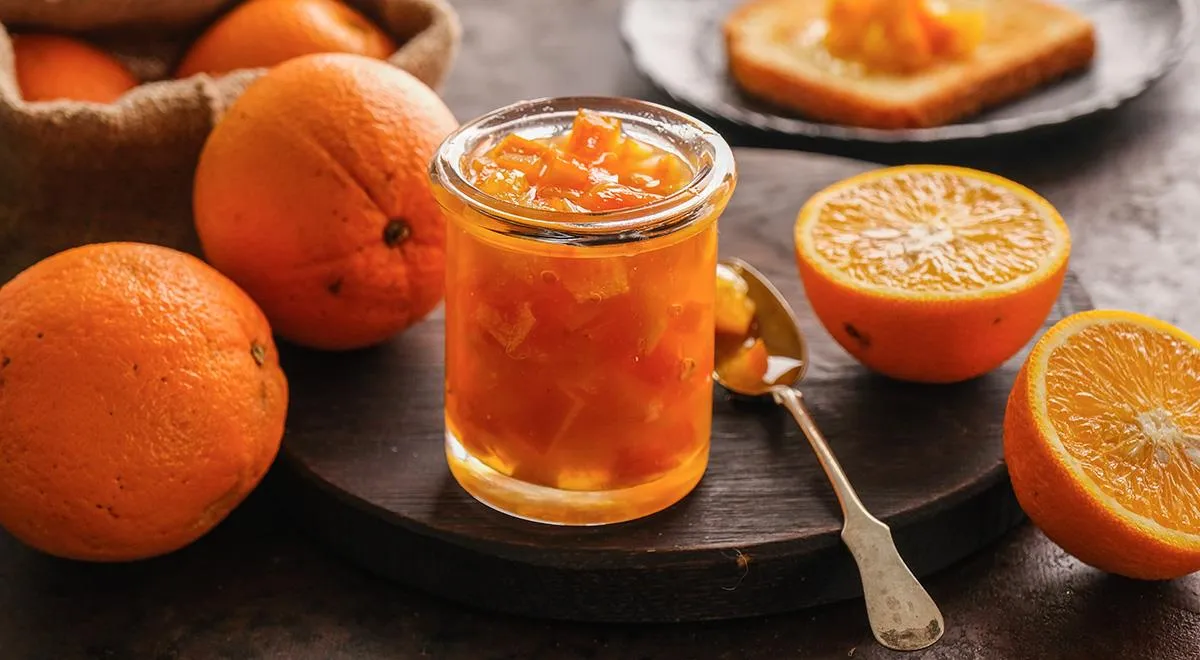
This Oxford marmalade from oranges—a beautiful reddish-golden preserve with tender citrus pieces—is the stuff of Paddington Bear's dreams. Its color deepens when you use brown sugar. Born in the kitchens of Oxfordshire, this classic marmalade balances bitter and sweet, making it a sublime companion for morning toast or scones. The secret lies in the pectin from the seeds, which yields a perfectly jellied texture. For more on preserving techniques, explore our guide on the best steam canner.
About Oxford Marmalade
Oxford marmalade is a traditional English preserve known for its chunky citrus peel and deep amber hue. Unlike many marmalades, it uses whole oranges boiled before slicing, locking in essential oils and flavor. This recipe yields about 2.5 liters of marmalade. The addition of lemon provides balanced acidity, while the seeds—rich in natural pectin—ensure a flawless set. For a smoother texture, consider an immersion blender; check our thoughts on the best non-toxic immersion blender.

Ingredients
- 12 small oranges (about 1.5 kg)
- 1 lemon
- 2 kg sugar
- 2.5 liters water
Opt for organic citrus when possible, as the peel is key. The sugar can be granulated white or unrefined brown. For a deeper flavor profile, try using a castor sugar alternative—see our best castor oil guide for insights on natural sweeteners.
Step-by-Step Instructions
Step 1: Prepare the Fruit
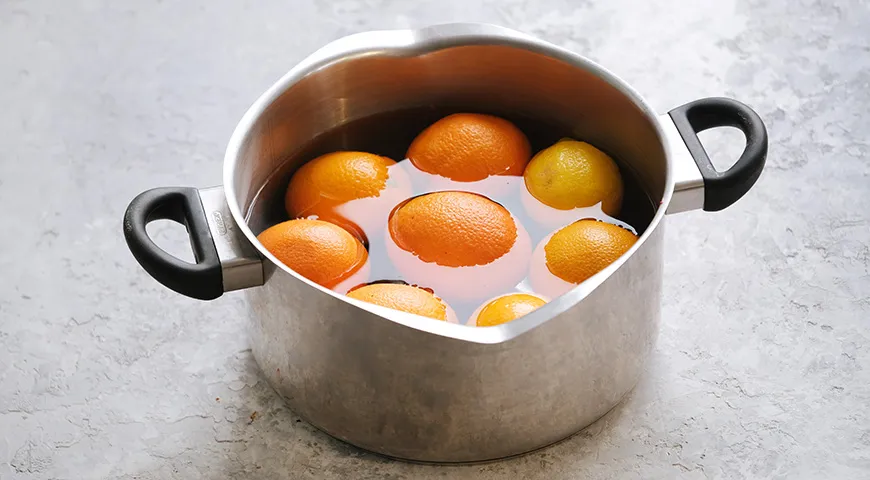
Thoroughly wash the oranges and lemon. Place the whole fruits in a large pot and cover with the 2.5 liters of cold water.
Step 2: Boil the Fruit
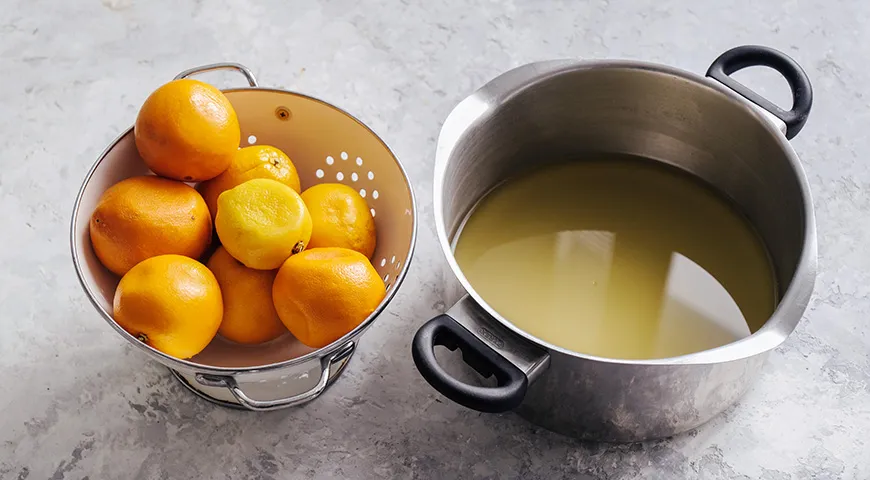
Bring to a boil, cover partially, reduce heat, and simmer for 1 hour. Drain the fruit in a colander, reserving the cooking liquid (about 2 liters remain).
Step 3: Remove Seeds
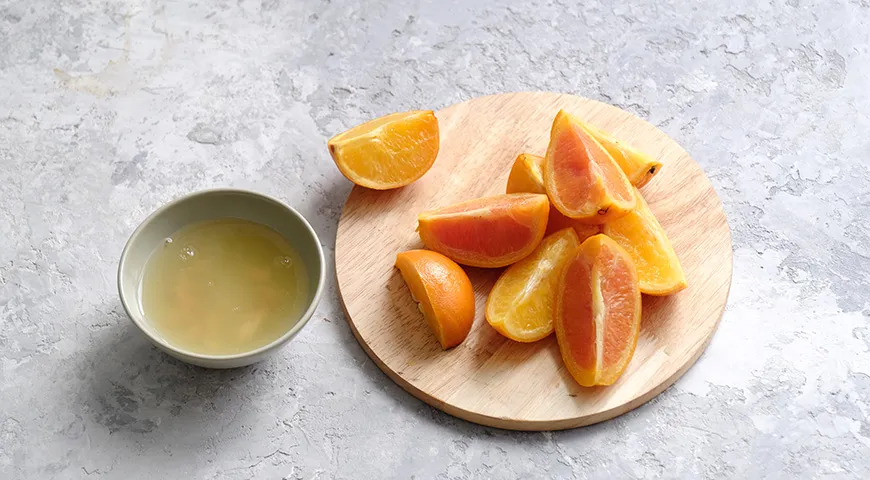
Cut each fruit in half and remove the seeds. Place the seeds in a bowl and pour 450 ml of the reserved cooking liquid over them. The pectin from these seeds will help the marmalade set.
Step 4: Slice the Fruit
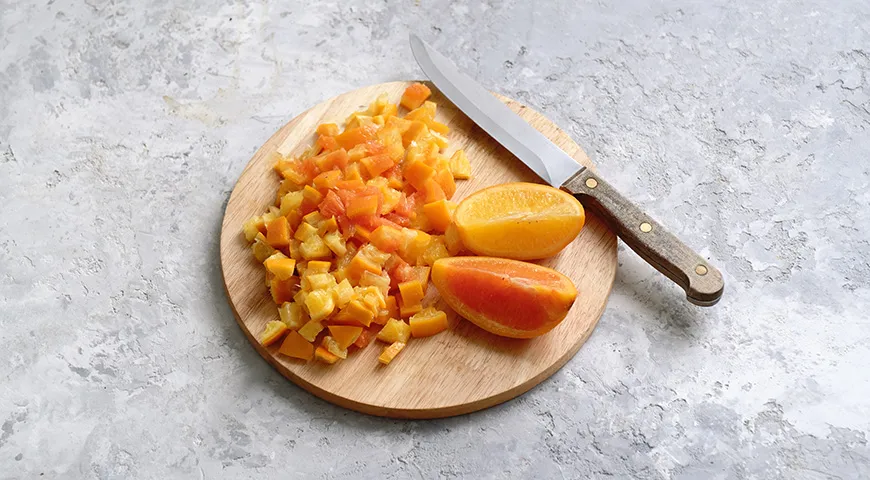
Slice the oranges and lemon into pieces roughly 1 cm by 0.5 cm—or larger if you prefer chunkier marmalade.
Step 5: Dissolve the Sugar
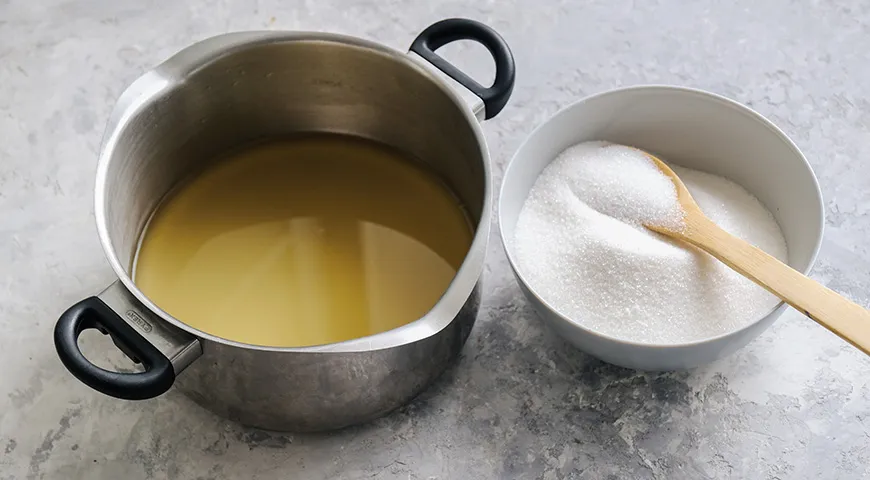
Add the sugar to the reserved cooking liquid and stir over very low heat with a wooden spoon until completely dissolved. This gentle heating preserves the pectin.
Step 6: Boil the Syrup
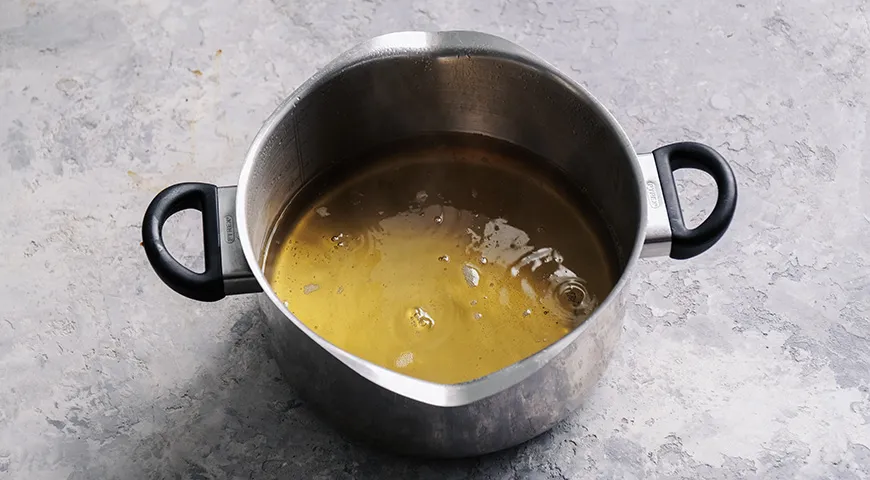
Increase the heat, bring the syrup to a rolling boil, and cook for 5 minutes.
Step 7: Add Fruit and Seed Liquid
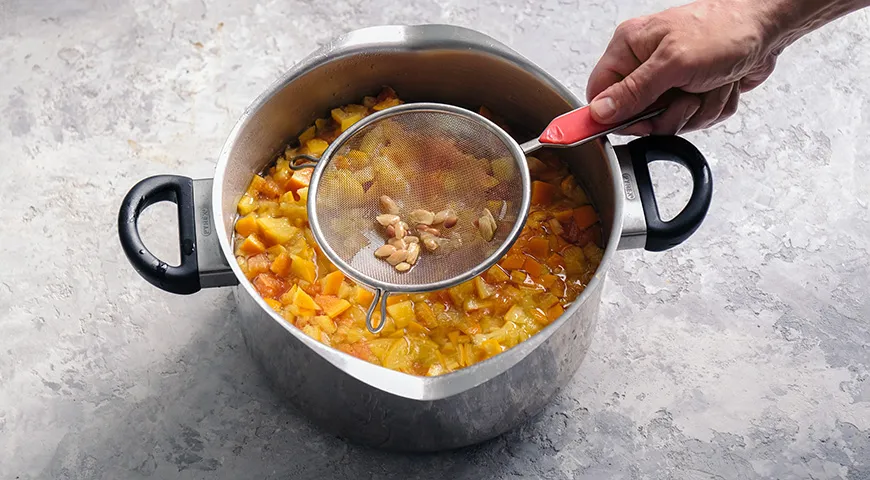
Add the sliced fruit to the syrup. Strain the seed liquid through a fine sieve, pressing the seeds to extract all pectin. Stir to combine.
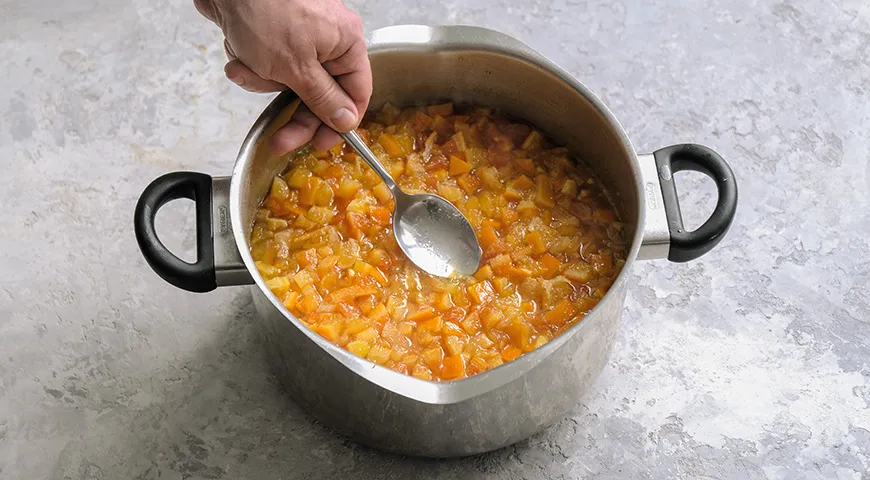
Step 8: Cook Until Set
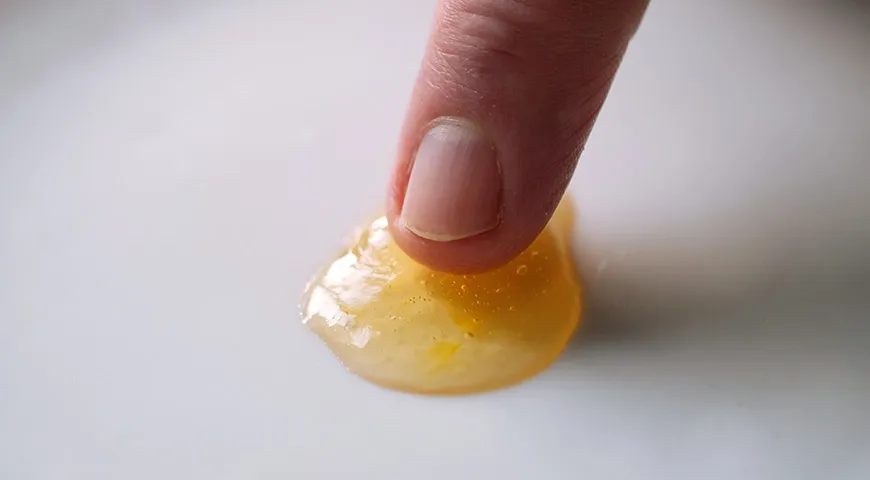
Bring the mixture to a boil and cook for 30–60 minutes, stirring occasionally. The marmalade should reach 105–107°C, or pass the wrinkle test—a drop on a cold plate forms a skin that wrinkles when pushed.
Step 9: Remove Foam
Carefully skim the foam from the surface. Let the marmalade cool for 15–20 minutes, then stir gently to distribute the fruit evenly.
Step 10: Jar the Marmalade
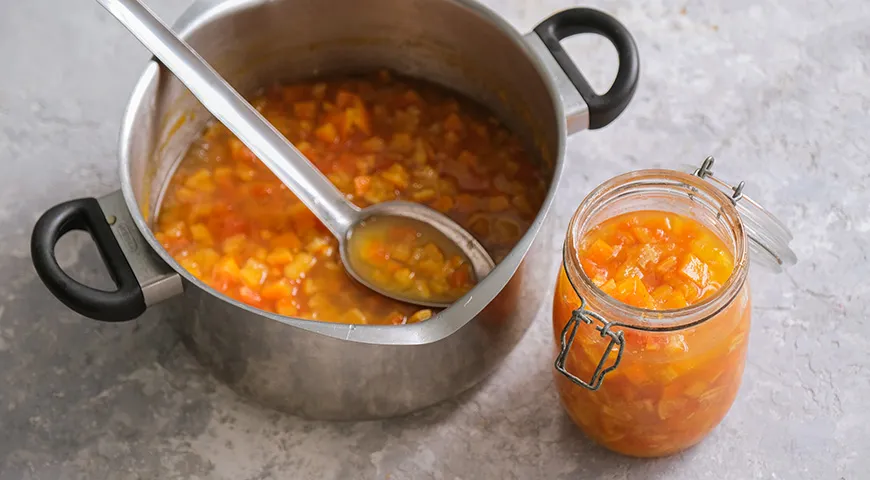
Pour into clean, dry jars and seal immediately. For best results, use a pressure canner or water bath—see our pick for best undercounter ice maker machine for kitchen efficiency.
Useful Tips
The pectin in the seeds gives this marmalade its perfect jiggle. If your oranges are seedless, supplement with pectin-rich apple cores wrapped in cheesecloth—simmer them with the fruit. A food processor can speed up slicing; check the best glass food processor for durability. For a non-toxic kitchen, consider best air fryer non-toxic for other recipes.
Variations
- Spiced Oxford Marmalade: Add a cinnamon stick and three cloves during the final boil. Remove before jarring.
- Whiskey-Infused: Stir in 100 ml of good Scotch after removing from heat. This complements the bitter orange beautifully.
- Low-Sugar Version: Replace half the sugar with a natural sweetener like honey, but monitor the set—pectin may need boosting.
For more inspiration, see our Catalan sponge recipe for a festive pairing.
FAQ
Can I use a different fruit?
Yes. Grapefruit or a mix of citrus works, but adjust sugar accordingly. Check our best chocolate-covered raisins for a sweet contrast.
Why did my marmalade not set?
Under-cooking or low pectin. Boil to 105°C exactly. For a quick fix, add commercial pectin—visit best microwave pressure cooker for fast re-cooking.
Can I use brown sugar?
Absolutely. Brown sugar yields a darker, more caramel-like marmalade. It’s traditional in many Oxford recipes. Try our guide on best organic vodka for spirit pairings.
How long does this marmalade last?
Sealed and stored in a cool, dark place, it keeps for up to one year. Once opened, refrigerate and use within three months. For long-term storage, a best 48-inch built-in refrigerator can help.
Can I make this in a slow cooker?
Yes, but the result will be softer. Simmer on low for 6 hours before adding sugar. Consider a best commercial countertop convection oven for alternative cooking methods.
Do I need special equipment?
A large heavy-bottomed pot, wooden spoon, and candy thermometer are ideal. A best refrigerant leak detector ensures your fridge runs efficiently.
Enjoy your Oxford marmalade on fresh scones or as a glaze for meats. This recipe is a celebration of British preserve-making heritage.







