


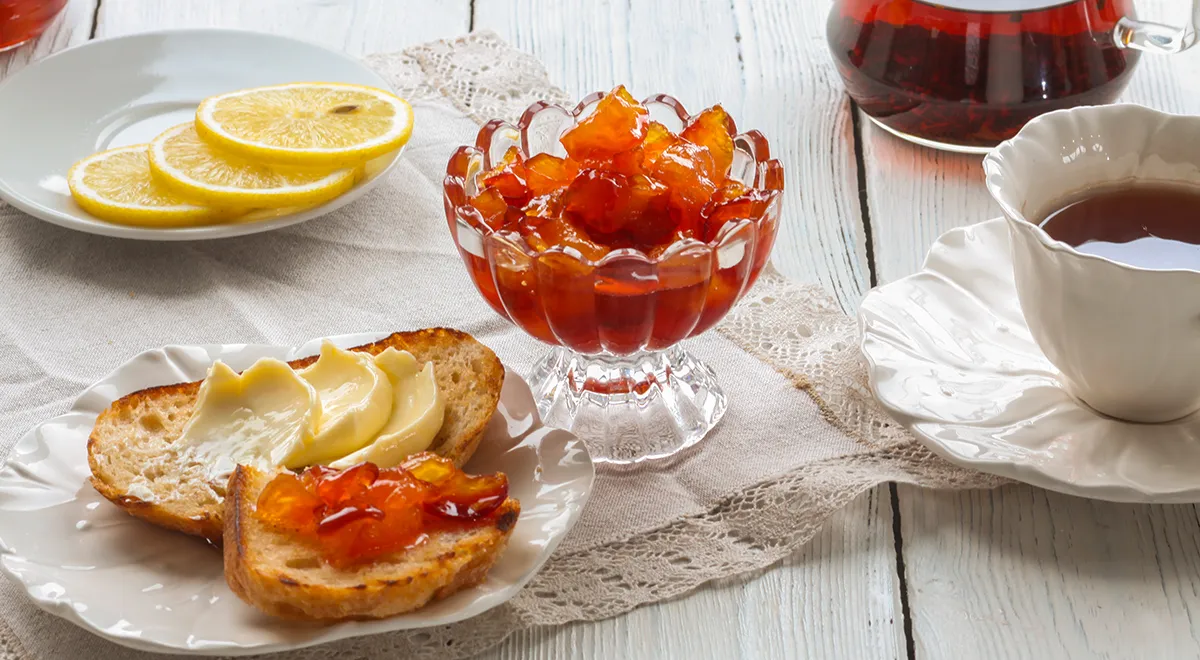
There is something profoundly satisfying about capturing the essence of summer in a jar. This nectarine jam without pits transforms ripe, sun-drenched fruit into a golden preserve that glows like liquid amber. Whether spooned over ricotta pancakes, swirled into yogurt, or simply spread on a warm buttered crumpet, it brings a taste of orchard sunshine to the darkest winter morning. The key lies in selecting nectarines that are sweetly fragrant yet firm enough to hold their shape, allowing the slices to bathe in a syrup that clings like honey. No pectin, no fuss—just fruit, sugar, and a patient simmer that coaxes out natural pectin and deep caramel notes. Best of all, this recipe requires no special equipment; a reliable food processor isn't needed, though a good pair of kitchen tongs for handling hot jars is handy. Let's dive into the art of making nectarine jam that's as beautiful as it is delicious.
About This Recipe
This nectarine jam without pits is a classic Russian preserve, known for its brilliant color and balanced sweetness. Unlike many jams that cook down to a uniform mush, this version maintains distinct, tender slices suspended in a clear, glossy syrup. The technique of two-stage cooking—resting, boiling, cooling, then boiling again—ensures the fruit absorbs sugar gradually without breaking down. It's a method that rewards patience with perfect texture. For those who preserve frequently, investing in a steam canner can streamline the sterilization process, but a simple saucepan works beautifully. This jam also pairs wonderfully with Catalan sponge cake for an elegant dessert.

Key Ingredients
- Nectarines – 1 kg (about 6–8 medium). Choose ripe but firm fruit; overripe ones will disintegrate. Freestone varieties are easiest to pit.
- Granulated sugar – 800 g (4 cups). Standard white sugar works best; it dissolves cleanly and doesn't mask the fruit's flavor.
Optional: a squeeze of lemon juice (1 tablespoon) to brighten color and balance sweetness, though the nectarines' natural acidity usually suffices. For a deeper flavor, consider using a splash of good vodka during the final boil—a traditional Russian trick that intensifies the fruit's aroma.
Step-by-Step Instructions
Step 1: Prepare the Nectarines
Rinse the nectarines thoroughly under cool water and pat dry. Using a sharp paring knife, cut each nectarine along the natural seam, twisting gently to separate halves. Remove the pit. Cut each half into 4–6 wedges or bite-sized slices. Place the slices in a large, nonreactive bowl (stainless steel or glass).

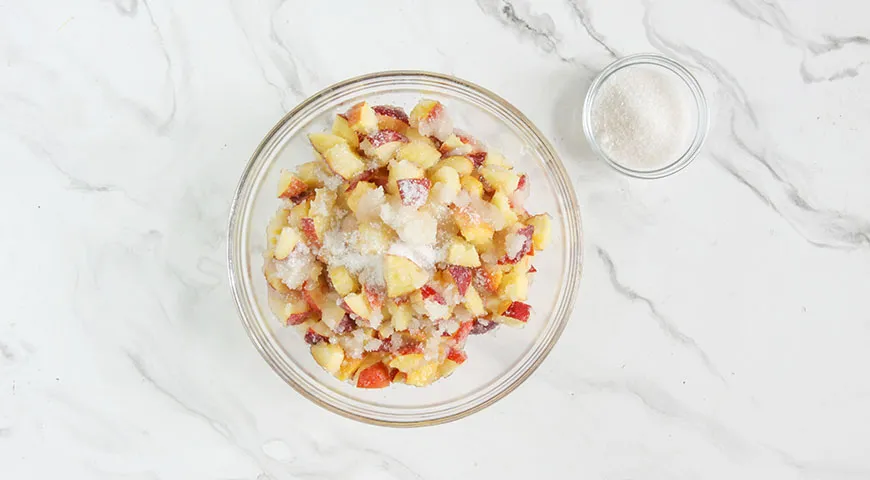
Step 2: Macerate with Sugar
Transfer the nectarine slices to a heavy-bottomed pot or Dutch oven. Pour the sugar over the fruit, then gently shake the pot or stir with a wooden spoon to coat evenly. Cover and let rest at room temperature for at least 2 hours (or up to 4 hours if time allows). During this time, the sugar draws out the nectarines' juices, creating a natural syrup.
Step 3: Sterilize Jars and Lids
Wash jars and lids in hot, soapy water with baking soda, then rinse thoroughly. Sterilize using your preferred method: steam in a steam canner, in an oven at 130°C (265°F) for 10 minutes, or in a microwave (fill jars with water and heat for 2 minutes). Place jars upside down on a clean towel to dry. A microwave pressure cooker can double as a sterilizer.

Step 4: First Cook
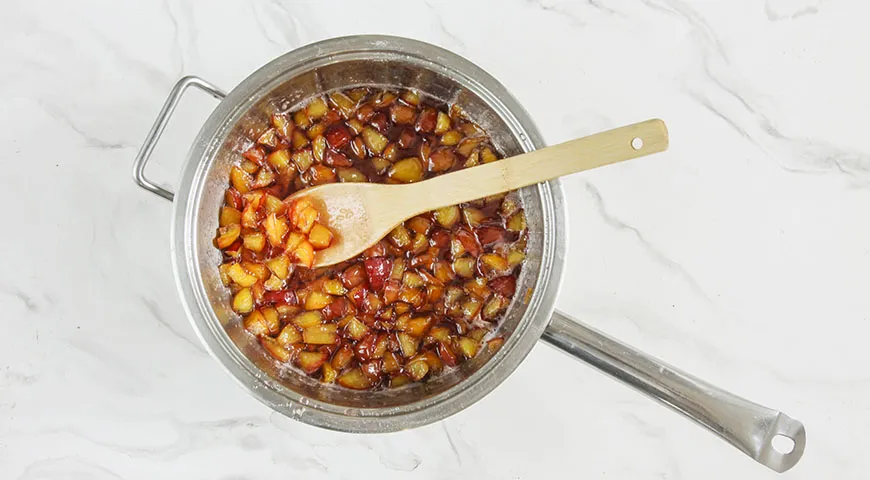
Place the pot with the macerated fruit over medium heat. Stir gently with a wooden spoon until the sugar dissolves completely—about 10 minutes. Do not rush; ensure no sugar crystals remain on the bottom. Remove from heat and allow to cool completely (about 1 hour). This resting period helps the fruit absorb syrup and stay firm.

Step 5: Second Cook
Return the cooled pot to the stove. Bring to a boil over medium-high heat, then reduce to a steady medium simmer. Cook for 15 minutes, stirring occasionally and skimming any foam that rises to the surface. The foam is harmless but can cloud the jam; removing it yields a clearer final product. Remove from heat and cool again.
Step 6: Final Cook and Jar
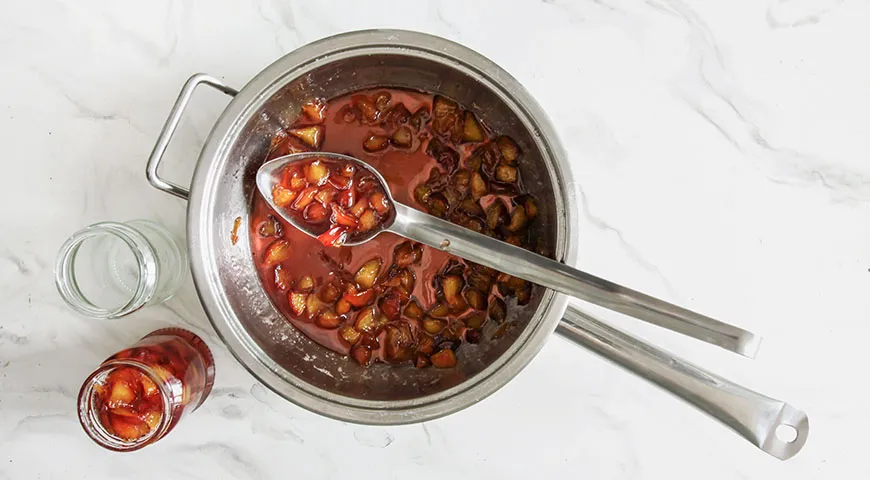
Bring the jam to a boil one last time. Simmer for another 15 minutes over medium heat, stirring and skimming. The syrup will thicken and the fruit will become translucent. To test doneness, place a spoonful on a chilled plate; if it wrinkles when pushed, it's ready. Ladle hot jam into sterilized jars, leaving 1 cm headspace. Wipe rims, seal with lids, and invert jars for 5 minutes to create a vacuum seal. Then turn upright and let cool completely. Store in a cool, dark place. For long-term storage, consider using a countertop ice maker to serve iced tea alongside this jam.
Tips for Perfect Nectarine Jam
- Use ripe but firm fruit. Overly soft nectarines turn into sauce; underripe ones lack sweetness and color.
- Don't skip the maceration. Letting the fruit sit with sugar for 2+ hours ensures even flavor and syrup development.
- Skim foam diligently. It contains impurities that can cause spoilage.
- Test the set. Jam should reach 105°C (220°F) on a candy thermometer, or use the wrinkle test.
- Store in a cool, dark place. Once opened, refrigerate and consume within 2–3 weeks. For best results, use chocolate-covered raisins as a garnish on a cheese board with this jam.
Variations
Spiced Nectarine Jam: Add a cinnamon stick, 2 star anise, or a vanilla bean to the pot during the first cook. Remove before jarring.
Nectarine-Ginger Jam: Grate 2 cm fresh ginger and add with the sugar. The heat complements the fruit's sweetness beautifully.
Low-Sugar Version: Reduce sugar to 600 g and use a convection oven to dehydrate the fruit slightly before cooking; this concentrates flavor without extra sugar.
Nectarine-Rose Jam: Stir in 1 tablespoon rose water before the final boil. Pair with espresso for a fragrant breakfast treat.
Frequently Asked Questions
Can I use nectarines that are not fully ripe?
Yes, but they will yield a less flavorful jam. Allow them to ripen at room temperature for a day or two before using. The best coffee maker for Airbnb might not help with ripening, but patience does.
Why did my jam turn out too runny?
Undercooking or insufficient maceration. Cook longer in the final stage, or add 1 tablespoon lemon juice per kilogram to boost pectin. A wheatgrass juicer isn't needed, but a reliable thermometer is.
How long does this jam keep?
Properly sealed jars last up to 1 year in a cool, dark pantry. Once opened, refrigerate and use within 3 weeks. Using a large built-in refrigerator helps store many jars.
Can I reduce the sugar without affecting preservation?
Yes, but the jam will be less shelf-stable. For reduced sugar, process in a steam canner for 10 minutes (pints) to ensure safety. Alternatively, freeze the jam.
What if I don't have a candy thermometer?
Use the wrinkle test: place a small spoonful of jam on a chilled plate, let it cool for 30 seconds, then push it with your finger. If the surface wrinkles, it's done. This method works better with a non-toxic immersion blender for blending, but a simple plate suffices.
Can I use yellow or white nectarines?
Both work. Yellow gives a deeper golden color; white are sweeter but milder. A planetary mixer isn't needed—just a wooden spoon.
Making nectarine jam without pits is a rewarding kitchen project that captures summer's brilliance. Whether you enjoy it on a sunny morning toast or as a heartfelt gift, this preserve embodies the essence of seasonal cooking. For more preserve ideas, explore our guide to non-toxic air fryers for healthier cooking, or try our sweet wine pairings to elevate your jam experience.







