


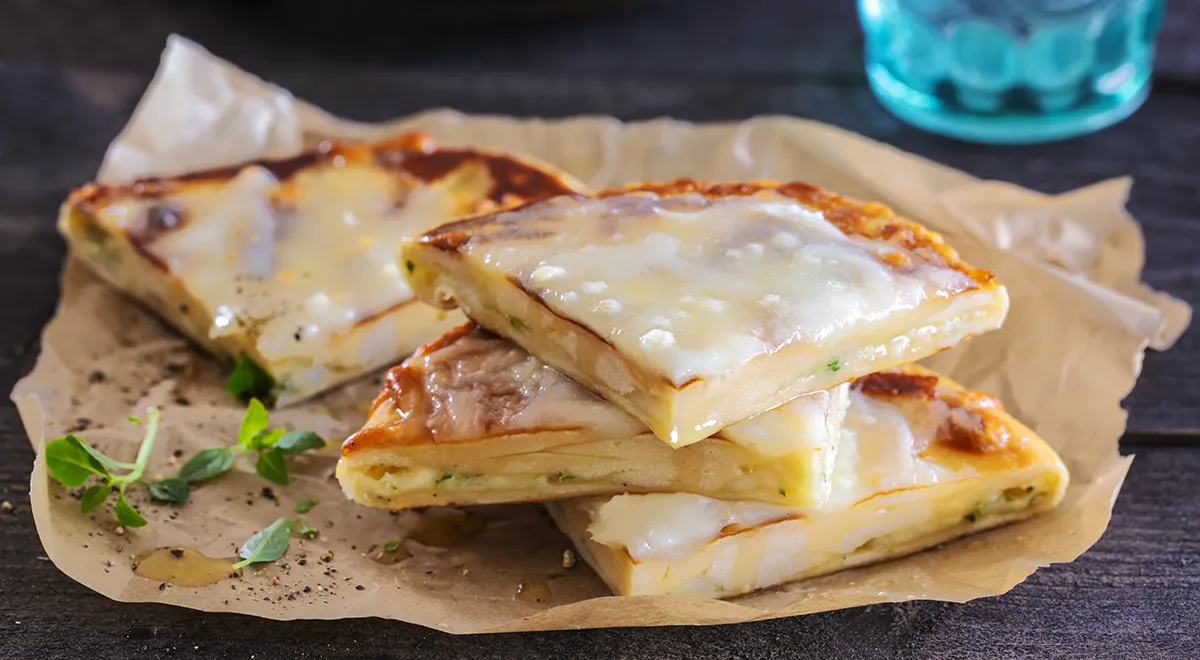
There is something profoundly satisfying about a warm, cheese-filled flatbread fresh from the skillet, its golden crust glistening with melted butter. This Megrelian khachapuri, hailing from the Samegrelo region of western Georgia, offers a unique twist on the classic cheese bread: a generous layer of blended cottage cheese and kefir enriches the dough, while the filling of suluguni—a brined, stringy cheese—melts into a luscious, elastic heart. Unlike the boat-shaped Adjarian version, Megrelian khachapuri is round and closed, with a final flourish of grated cheese scattered on top during the last moments of cooking, creating a crispy, cheesy lid. In this recipe, we embrace the tradition while making it accessible for your home kitchen, using a simple non-stick pan instead of a clay ketsi. The result is a bread that is at once tender, tangy, and irresistibly savory—perfect for a communal meal or a comforting weekend project.
About This Megrelian Khachapuri
Megrelian khachapuri is a staple of Georgian home cooking, distinguished by its double cheese treatment: suluguni inside and a sprinkling on top. The addition of cottage cheese and kefir to the dough not only softens the texture but also introduces a subtle lactic tang that balances the richness of the cheese. The dough is quick to come together, requiring no yeast, thanks to the reaction between the baking soda and the kefir. This version, adapted for a skillet, retains all the authentic flavors while offering a faster, more practical cooking method. Serve it hot, with a pat of butter melting into the crevices, and watch it disappear in minutes.

Ingredients
- 600 g suluguni cheese (or a mix of mozzarella and feta if unavailable)
- 1 large egg (C0 size)
- 70 g unsalted butter, plus more for brushing
- 600 g all-purpose flour, plus extra for dusting
- 100 g full-fat cottage cheese (9% fat)
- 300 ml kefir (3.2% fat)
- 1 tsp salt
- 1 tsp baking soda
For the best results, use high-quality suluguni—its stretchiness is key. If you cannot find it, a combination of low-moisture mozzarella and a salty cheese like halloumi or feta can approximate the flavor and texture. Ensure your kefir is at room temperature for a more even reaction with the baking soda.
Step-by-Step Instructions
Step 1: Prepare the Dough
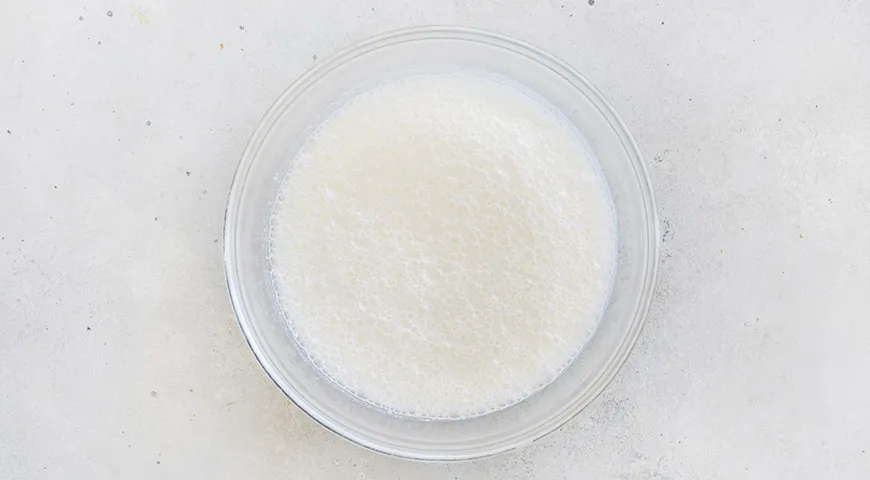
Place the cottage cheese in a mixing bowl. Pour in the kefir and use an immersion blender—such as one featured in our best non-toxic immersion blender review—to blend until completely smooth, with no lumps. Add the salt and baking soda, and stir to combine. The mixture will begin to foam slightly as the soda reacts with the acidic kefir; this is exactly what you want for a tender crumb.
Step 2: Form the Dough Ball
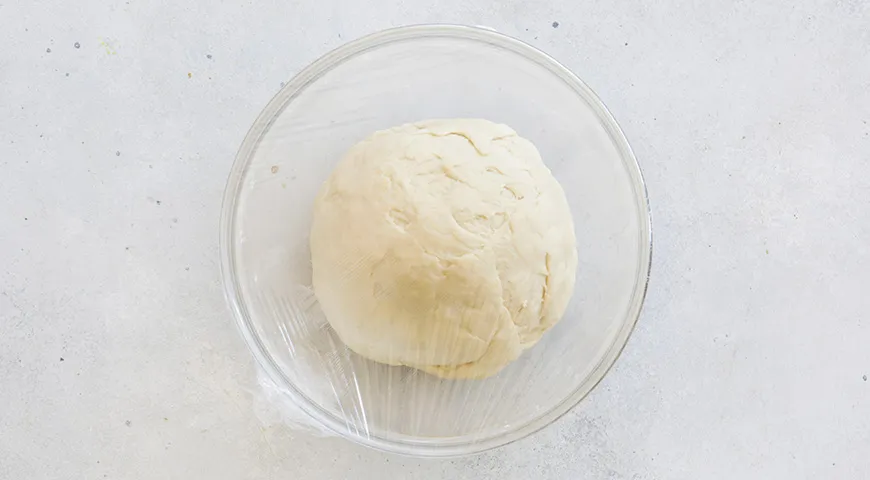
Gradually add the flour, about 100 g at a time, mixing with a wooden spoon or your hands. Once the dough comes together, turn it out onto a lightly floured surface and knead for 5–6 minutes until smooth and elastic. Form into a ball, wrap tightly in plastic wrap, and refrigerate for at least 1 hour. Chilling makes the dough easier to handle and prevents it from sticking during rolling.
Step 3: Prepare the Cheese Filling
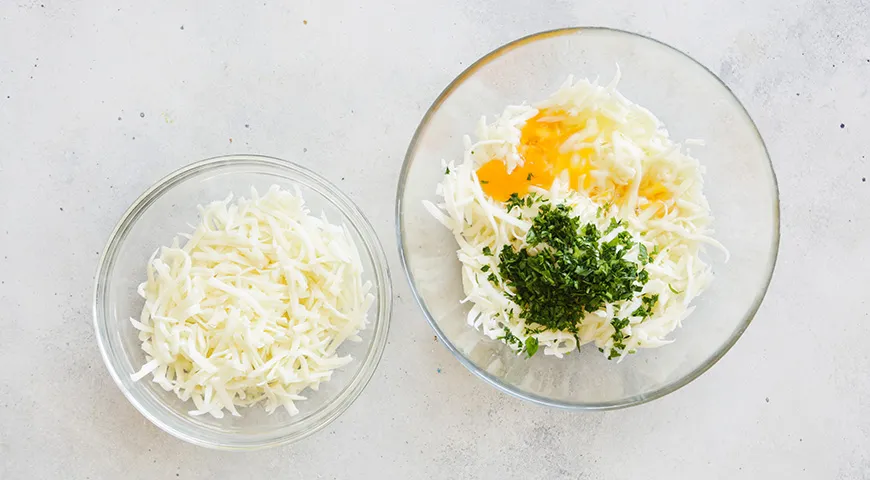
Grate the suluguni on the large holes of a box grater. Reserve about one-third (roughly 200 g) for topping the khachapuri later. To the remaining two-thirds of the grated cheese, add the egg and mix thoroughly until evenly combined. If desired, fold in a handful of finely chopped fresh herbs such as cilantro or parsley for a fresh accent. Set aside at room temperature.
Step 4: Roll and Fill
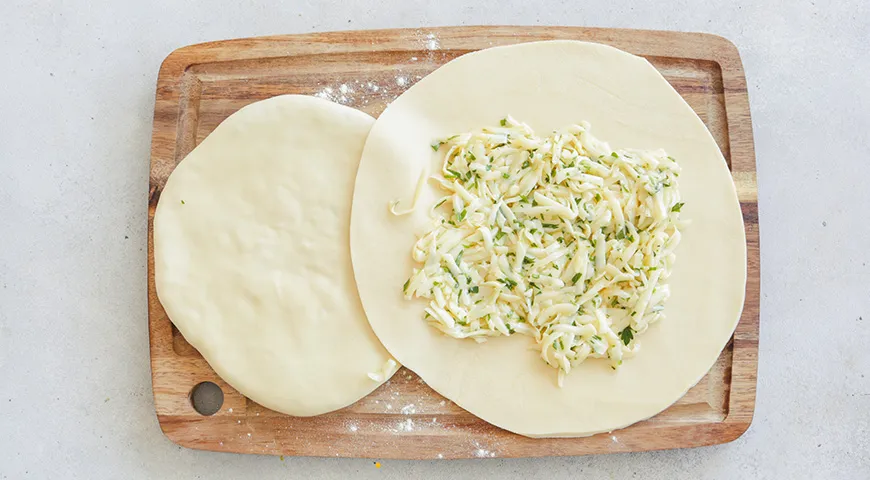
Lightly dust your work surface with flour. Divide the chilled dough into 4–5 equal pieces (depending on how large you want your khachapuri). Take one piece and roll it into a thin disc about 20 cm in diameter. Place a generous portion of the cheese-egg mixture in the center, leaving a 3 cm border.
Step 5: Seal the Khachapuri
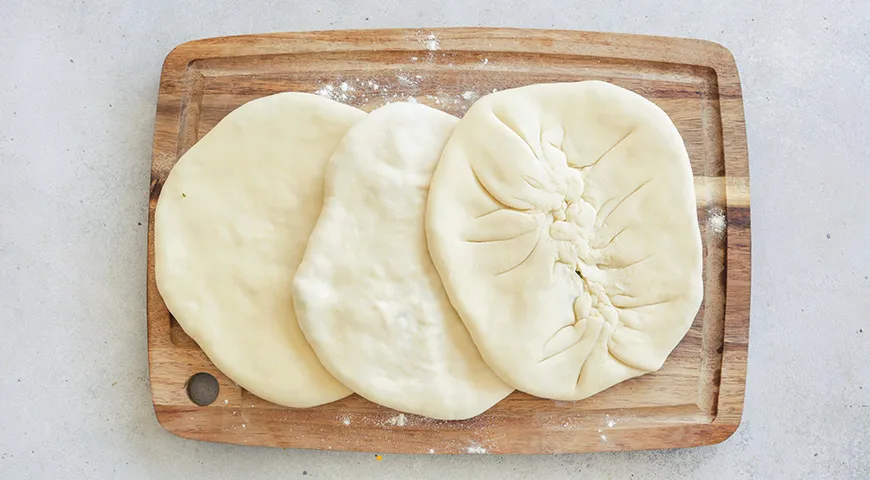
Lift the edges of the dough up and over the filling, then pinch tightly to seal, forming a pouch. Turn the pouch seam-side down and gently press it into a disc with your palms, taking care not to tear the dough. Repeat with the remaining portions. You can also use a rolling pin to flatten slightly, but hand-pressing keeps the layers more delicate. For tips on achieving even thickness, see our guide on best oil sprayers for greasing the surface.
Step 6: Cook in the Skillet
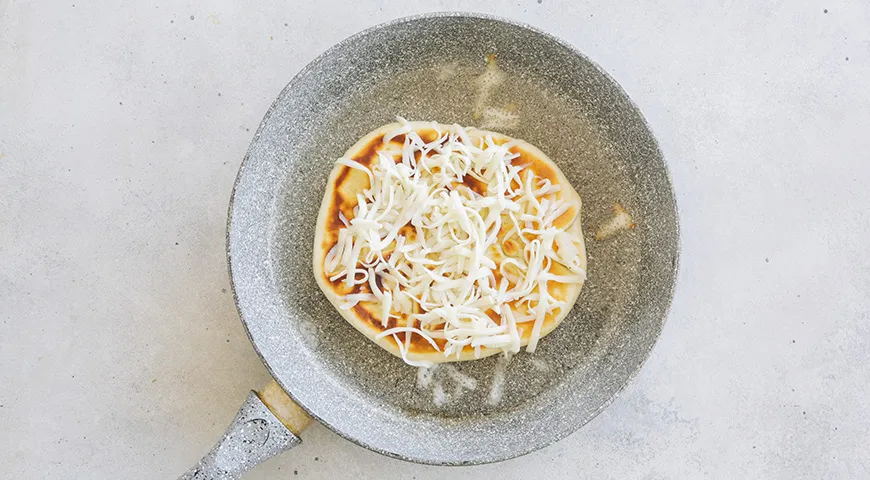
Place a large non-stick skillet over high heat and allow it to get very hot—a drop of water should sizzle instantly. Carefully lay one dough disc into the dry skillet (no oil needed if the pan is non-stick). Cook for 2–3 minutes until the underside is deeply golden and blistered. Flip the khachapuri using a wide spatula. Immediately sprinkle the top with a generous portion of the reserved grated suluguni. Continue cooking for another 2–3 minutes, until the cheese on top is melted and the bottom is golden brown. The cheese will form a crispy, lacy crust—this is the hallmark of Megrelian khachapuri.
Step 7: Finish and Serve

Transfer the cooked khachapuri to a plate. Brush or drizzle with melted butter—be generous, as the butter soaks into the bread and enhances every bite. Keep warm in a low oven (80°C) while you cook the remaining discs. Serve immediately, cut into wedges, with a side of tomato-cucumber salad or a simple yogurt dip. For an extra special touch, consider using a high-end espresso machine to brew a strong Turkish coffee alongside—a classic Georgian accompaniment.
Tips for Perfect Khachapuri
- Temperature matters: Use room-temperature kefir and eggs for a more tender dough. Cold ingredients slow the baking soda reaction.
- Don't overwork the dough: Once the dough feels smooth, stop kneading. Over-kneading can make it tough. A light hand is key; a planetary mixer on low speed can help if you prefer machine kneading.
- Cheese choice: Suluguni is ideal, but if unavailable, substitute with a mix of low-moisture mozzarella (for stretch) and feta (for saltiness). Avoid pre-shredded cheeses, as they contain anti-caking agents that prevent smooth melting.
- Skillet heat: A very hot skillet ensures a quick sear and prevents the dough from absorbing too much oil. If using a cast-iron pan, lightly grease it to avoid sticking.
- Resting the dough: The hour-long chill is not optional—it relaxes the gluten and makes the dough much easier to roll without shrinkage. For other dough recipes, check out our Catalan sponge cake article for more flour-based techniques.
Variations
While this recipe stays true to the Megrelian tradition, you can easily adapt it to your pantry. For a herbaceous khachapuri, add a tablespoon of dried summer savory or finely chopped fresh dill to the cheese filling. If you prefer a spicier kick, mix in a pinch of red pepper flakes or a teaspoon of organic vodka (yes, a splash of spirit can add complexity to the dough). For a gluten-free version, substitute the all-purpose flour with a 1:1 gluten-free blend, though the texture will be slightly more tender. Another popular twist is to add sliced chocolate-covered raisins to the filling for a sweet-savory dessert khachapuri—a lesser-known but delightful Georgian innovation. And if you want to double the recipe for a crowd, a commercial countertop convection oven can bake multiple discs at once, though the skillet method remains our favorite for that irresistible crispy crust.
FAQ
What is Megrelian khachapuri?
It is a round, closed cheese bread from the Samegrelo region of Georgia, distinguished by having cheese both inside the dough and sprinkled on top, unlike the open-faced Adjarian version. The dough is often enriched with kefir and cottage cheese for a soft, tangy crumb.
Can I use a different cheese instead of suluguni?
Yes. Suluguni is a brined, semi-hard cheese known for its excellent stretch. A good substitute is a 50/50 mix of low-moisture mozzarella (for stretch) and mild feta or halloumi (for saltiness). Avoid soft, fresh mozzarella as it releases too much water.
Why is my dough too sticky?
Flour humidity varies. If the dough is sticky after adding all 600 g, dust your hands and work surface with a little more flour during kneading. Alternatively, refrigerate the dough for 30 minutes before handling—this firms up the butter and makes it less tacky. Our undercounter ice maker might not help here, but chilling definitely will!
Can I freeze unbaked khachapuri?
Absolutely. After shaping and sealing the discs (step 5), place them on a parchment-lined baking sheet and freeze until solid, then transfer to a zip-top bag. Cook from frozen directly in the skillet, adding an extra minute per side. You may also want to read our 48-inch built-in refrigerator review for storing large batches.
How do I reheat leftover khachapuri?
The best way is in a dry skillet over medium heat, flipping once, for about 3 minutes total. This revives the crispy texture. Avoid microwaving, as it makes the dough rubbery. For a quick refresh, you can also use a non-toxic air fryer at 180°C for 3–4 minutes.
What is the role of the cottage cheese in the dough?
Cottage cheese adds moisture, tenderness, and a subtle tang that complements the rich suluguni. It also contributes to the dough's soft, almost brioche-like texture without requiring yeast. Blending it with kefir ensures a smooth incorporation; an immersion blender is ideal for this step.







