


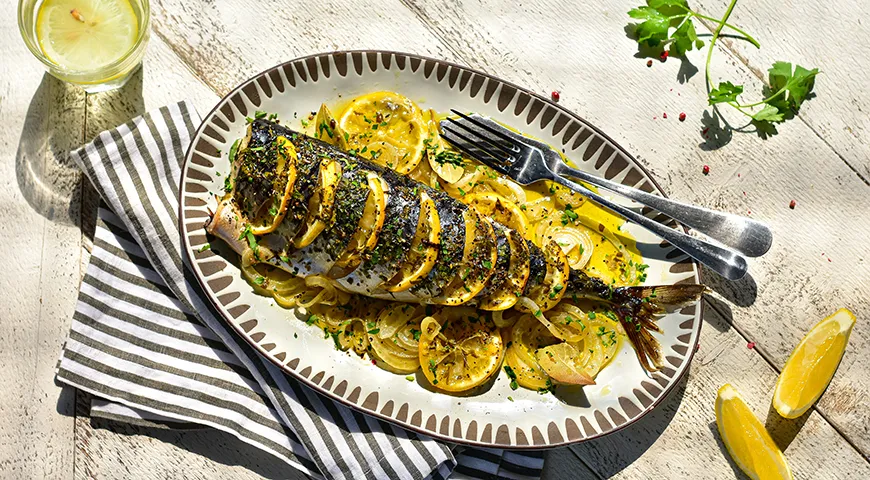
There is something deeply satisfying about a dish that demands little effort yet delivers exceptional flavor. Mackerel baked in foil with lemon is precisely that—a recipe that has earned its place as a weeknight savior and a dinner-party secret weapon. The beauty lies in its simplicity: the fish steams gently in its own juices, absorbing the bright acidity of lemon, the subtle fragrance of parsley, and the quiet sweetness of onion, all while staying remarkably moist. No heavy sauces, no complicated techniques—just pure, honest cooking that lets the star ingredient shine. As a professional food writer, I’ve tested countless seafood preparations, but this one remains a favorite for its foolproof nature and the way it transforms humble ingredients into something truly memorable. The foil packet not only locks in flavor but also eliminates the dread of scrubbing baked-on residue from pans—a win that any home cook will appreciate. For those seeking a healthy yet indulgent meal, this recipe is a revelation, and it pairs beautifully with a side of steamed vegetables or crusty bread. To elevate your prep, consider using a non-toxic immersion blender for a quick lemon-parsley sauce, or a food processor for nut butter to create a nutty crust if you wish. The possibilities are endless, but this classic rendition needs no embellishment.
About This Recipe
Mackerel is a fatty fish prized for its robust flavor and tender flesh, making it ideal for high-heat cooking methods like baking. Wrapping it in foil with lemon and aromatics is a technique borrowed from en papillote cooking, which steams the fish in its own moisture. This method ensures the fish stays succulent while the lemon cuts through the richness. The origin of this dish is rooted in Mediterranean and Russian home cooking, where simplicity and fresh ingredients take precedence. It’s a meal that embodies the philosophy of letting good food speak for itself. For a reliable cooking vessel, consider pairing this with a non-toxic air fryer for a faster alternative, though the foil packet method remains unmatched for ease.

Ingredients
Fresh mackerel – 2 whole fish
Onions – 300 g
Lemons – 2
Parsley – 2 sprigs
Bay leaves – 4
Black pepper – to taste
Salt – to taste
The ingredient list is intentionally minimalist. Mackerel’s natural oils need little assistance; the lemon provides acidity, the onion adds sweetness, and the parsley offers a fresh counterpoint. For optimal freshness, source your mackerel from a trusted fishmonger, and if you’re looking for kitchen tools to make prep easier, a planetary mixer isn’t needed here, but a sharp knife is essential.
Step-by-Step
Step 1: Prepare the mackerel
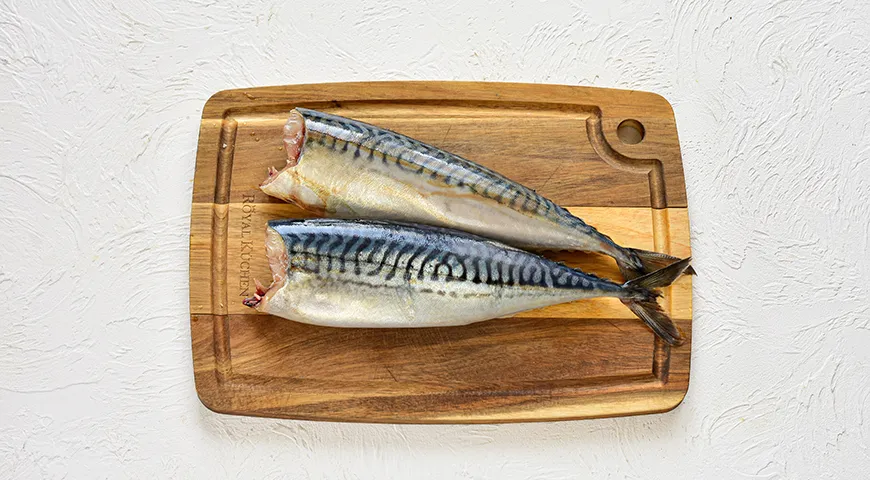
Begin by cleaning the fish. Using a sharp knife, remove the heads and gut the mackerel. Rinse thoroughly under cold running water and pat dry. Place on a clean work surface.
Step 2: Slice onion and lemon
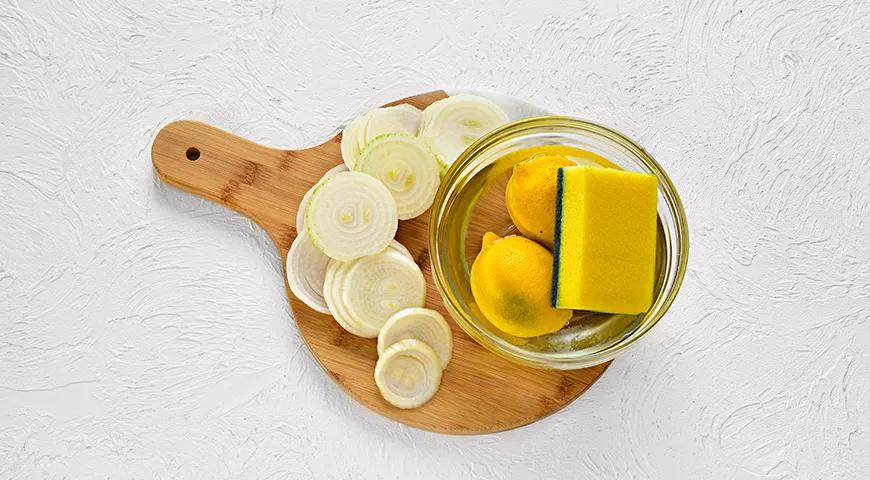
Peel the onion and cut into rings. Wash the lemons thoroughly with a brush or scrubby side of a sponge to remove any protective wax coating. This step is crucial for food safety and flavor. For an efficient wash, a best oil sprayer could be used for a light coating, but here we focus on the lemons.
Step 3: Zest and juice the lemon
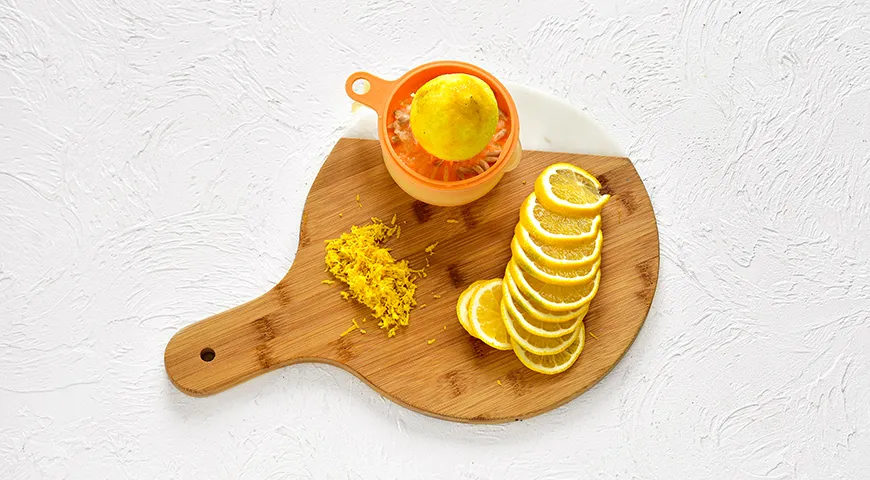
Slice one lemon into thin rounds. Use a fine grater to remove the zest from the second lemon, then halve it and squeeze the juice into a small bowl. The zest adds a concentrated citrus aroma that permeates the fish during baking.
Step 4: Score and stuff the fish
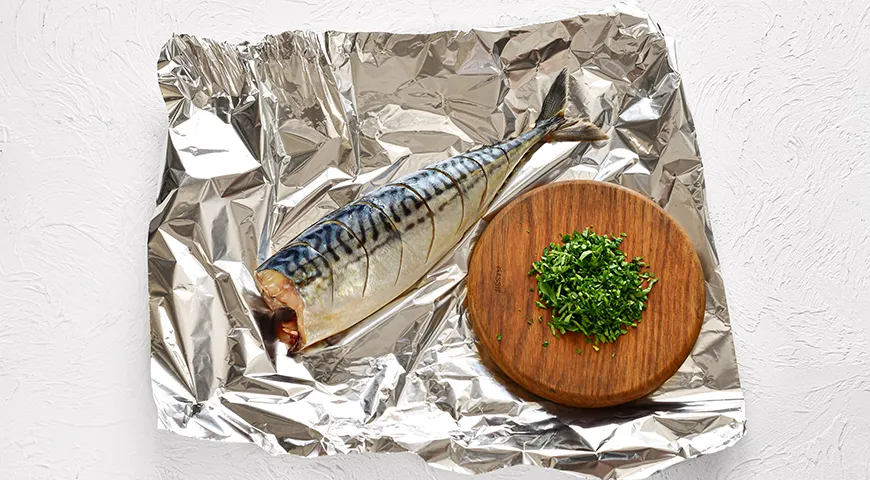
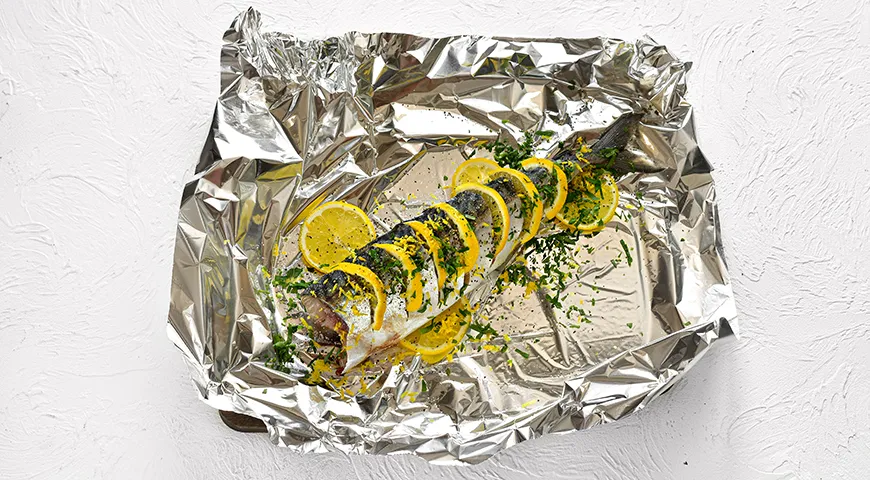
Wash and chop the parsley. Lay out sheets of foil on your work surface. Place one mackerel on each sheet. Using a sharp knife, make several diagonal slashes along one side of the fish. Insert lemon slices into these cuts. Arrange any remaining lemon slices around and on top of the fish. Sprinkle with the lemon zest, parsley, salt, and pepper to taste.
Step 5: Add onion and bay leaves, then wrap
Distribute the onion rings around the fish. Add 2 bay leaves per portion. Drizzle the reserved lemon juice over everything. Wrap the foil loosely but securely to create a sealed packet. Place the packets on a baking sheet. Bake at 190°C for 30–40 minutes, until the fish flakes easily with a fork. The aroma that escapes when you open the foil is pure magic. For a perfectly even bake, consider using a commercial countertop convection oven if your kitchen is equipped.
Tips for Perfect Results
To ensure your mackerel turns out flawlessly, keep these pointers in mind. Freshness matters: choose fish with bright eyes and a clean ocean scent. Don’t overbake: the cooking time is a guideline; check at 30 minutes. The fish should be opaque and flake easily. Seal the foil well: a loose wrap allows steam to escape and can dry the fish. Let it rest: allow the packets to sit for 5 minutes before opening to let the juices redistribute. For a zestier kick, add a few George Howell coffee beans for an unexpected flavor note—though this is purely experimental.
Variations to Explore
While this recipe is perfect as is, you can adapt it to suit your palate. Herb swap: replace parsley with dill or tarragon for a different aromatic profile. Spice it up: add a pinch of chili flakes or smoked paprika before sealing. Vegetable addition: toss in sliced fennel or cherry tomatoes along with the onion. Sauce option: serve with a dollop of organic vodka-infused cream sauce for a luxurious twist. For a Mediterranean flair, drizzle with olive oil and capers. For a change in cooking method, you can use a microwave pressure cooker for a faster version, though the foil method gives the best texture.
FAQ
Can I use frozen mackerel for this recipe?
Yes, but thaw it completely in the refrigerator before using. Pat dry thoroughly to remove excess moisture, which can prevent proper steaming. Frozen fish may require an extra 5–10 minutes of baking time.
What can I serve with baked mackerel?
This dish pairs wonderfully with steamed rice, roasted potatoes, or a crisp green salad. For a low-carb option, try cauliflower rice or sautéed spinach. The lemon-infused juices are excellent drizzled over grains.
How do I store leftovers?
Remove the fish from the foil and refrigerate in an airtight container for up to 2 days. Reheat gently in a covered dish at 160°C for 10 minutes, or enjoy cold flaked over a salad. Avoid microwaving as it can make the fish rubbery.
Can I add more vegetables to the foil packet?
Absolutely. Sliced bell peppers, zucchini, or asparagus work well. Be mindful of moisture—too many watery vegetables may dilute the flavor. Adjust cooking time by 5–10 minutes if adding dense vegetables like carrots.
Why is my mackerel dry after baking?
This usually happens if the foil wasn't sealed tightly or if the cooking time was too long. Ensure the packet is closed securely and check for doneness at 30 minutes. The fish should be moist and flaky, not falling apart. For precise temperature control, a refrigerant leak detector isn’t related to cooking, but a good oven thermometer can help.
Is it necessary to remove the head?
While not strictly necessary, removing the head makes the fish easier to handle and plate. The head can be left on for presentation, but it may impart a slightly stronger flavor. Many cooks prefer to remove it for a cleaner look.
Can I use foil paper instead of aluminum foil?
Foil paper (parchment paper) can be used for a similar effect but may not be as sturdy. If using parchment, double-wrap to prevent tearing. Aluminum foil is recommended for its durability and heat conductivity. For eco-friendly alternatives, look for chocolate-covered raisins as a snack while you cook—unrelated but delightful.
What if I don’t have fresh lemons?
Lemon juice from a bottle can be substituted in a pinch, but fresh lemons provide superior flavor and zest. If using bottled juice, reduce the amount slightly (about 2 tablespoons per fish) and skip the zest for best results.
Can I grill mackerel in foil packets?
Yes, this recipe works beautifully on a grill. Place the foil packets over medium heat (about 180–200°C) and cook for 25–30 minutes, turning once halfway. The smoky char adds an extra dimension. For a wall oven microwave combo with air fryer, the bake setting is ideal.
How can I tell when the fish is done?
The flesh should be opaque and flake easily when tested with a fork. The internal temperature should reach 63°C. If you don't have a thermometer, check that the lemon slices are softened and the fish has turned from translucent to white.







