


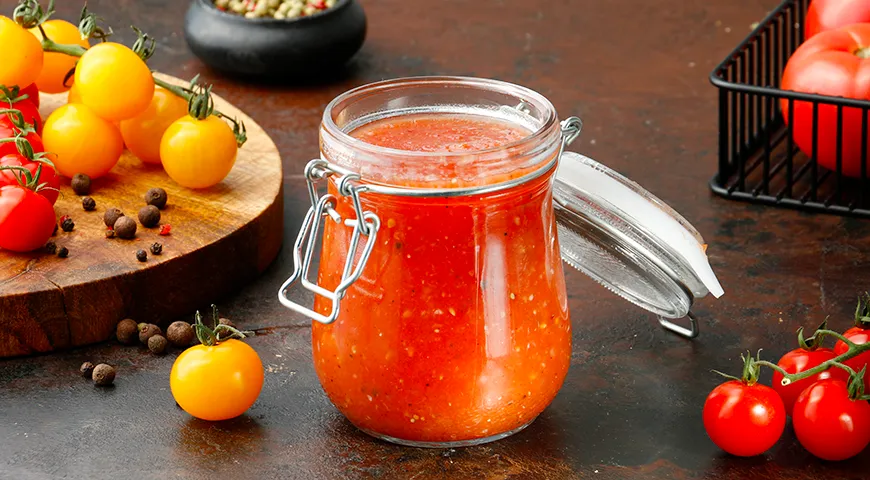
There is something profoundly satisfying about transforming a summer's bounty of sun‑ripened tomatoes into a condiment that will grace your table all year long. The Kuban Sauce (Sous Kubanskii) is a classic Russian preserve—a deeply aromatic, slightly sweet tomato sauce that rivals any store‑bought ketchup or passata. It pairs exquisitely with grilled meats, pasta, roasted vegetables, or simply spread on crusty bread. The secret lies in slow‑cooking the tomato purée until it thickens into a velvety paste, then layering in warm spices like cloves, cinnamon, and nutmeg. This recipe, born in the fertile Kuban region of southern Russia, is a testament to the art of home preserving. Whether you are a seasoned canner or a curious newcomer, this guide will walk you through every step, ensuring a jar of pure, homemade magic.
About the Kuban Sauce
The Kuban region is famous for its rich agricultural heritage—sunflower fields, wheat, and, above all, tomatoes. This sauce is a celebration of that terroir. Unlike simple tomato purée, Kuban Sauce is cooked down to half its original volume, concentrating the flavour and creating a luscious, marmalade‑like texture. The addition of whole cloves (tied in a muslin bag) and a pinch of cinnamon and nutmeg gives it a complexity that elevates it beyond ordinary tomato condiments. It is a proud legacy of Russian home cooks, and once you taste it, you will understand why it has been passed down for generations.

Key Ingredients
- 2 kg ripe red tomatoes – Use fragrant, in‑season tomatoes for maximum flavour.
- 150 g sugar – Balances the acidity; you can adjust to taste.
- 25 g salt – Fine sea salt works best.
- 100 g onion – Adds savoury depth.
- 2 garlic cloves – Fresh, not powdered.
- 20 black peppercorns – Whole, for gentle heat.
- 20 allspice berries – Aromatic and warm.
- 25 cloves – Tied in cheesecloth for easy removal.
- ¼ tsp ground nutmeg – Freshly grated if possible.
- ¼ tsp ground cinnamon – Quality Ceylon cinnamon is lovely.
- ¼ tsp mustard powder – Adds a subtle kick.
- 1 tbsp 9% vinegar – Essential for safe canning and brightness.
For best results, consider using a non‑toxic immersion blender to purée the tomatoes directly in the pot, saving time and cleanup. A food processor also works if you prefer a chunkier texture.
Step‑by‑Step Preparation
Makes approximately 1.5 litres (adjust to your yield).
Step 1: Prepare the jars
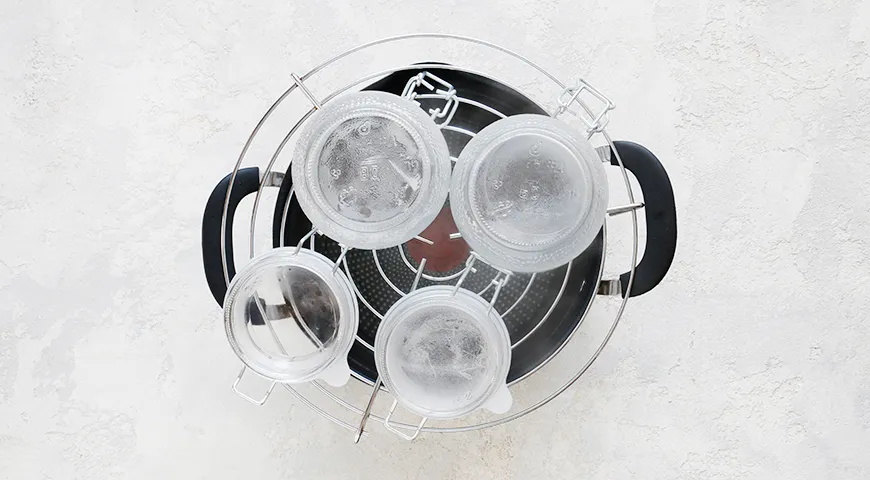
Sterilise your jars and lids by boiling them for 10 minutes or using a steam canner. Keep them hot until ready to fill.
Step 2: Wash and core the tomatoes
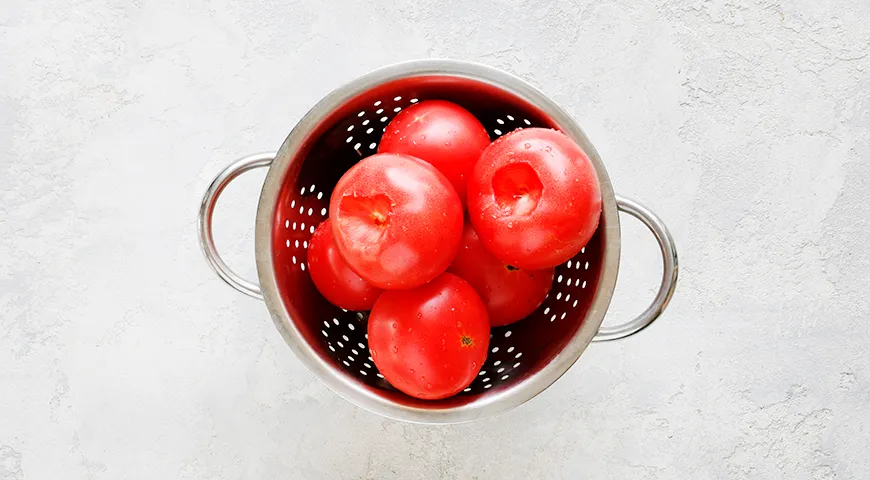
Rinse the tomatoes under cool water and remove the stems. Place them in a colander.
Step 3: Prepare an ice bath
Fill a large bowl with cold water and ice cubes. This will shock the blanched tomatoes.
Step 4: Blanch the tomatoes
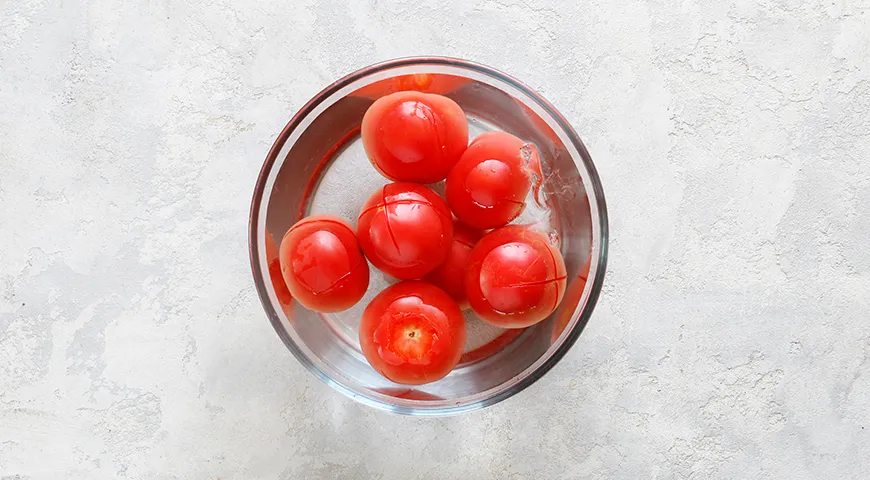
Bring a large pot of water to a rolling boil. Lower the colander with tomatoes into the water for 1–2 minutes, until the skins split. Immediately transfer to the ice bath.
Step 5: Peel and purée
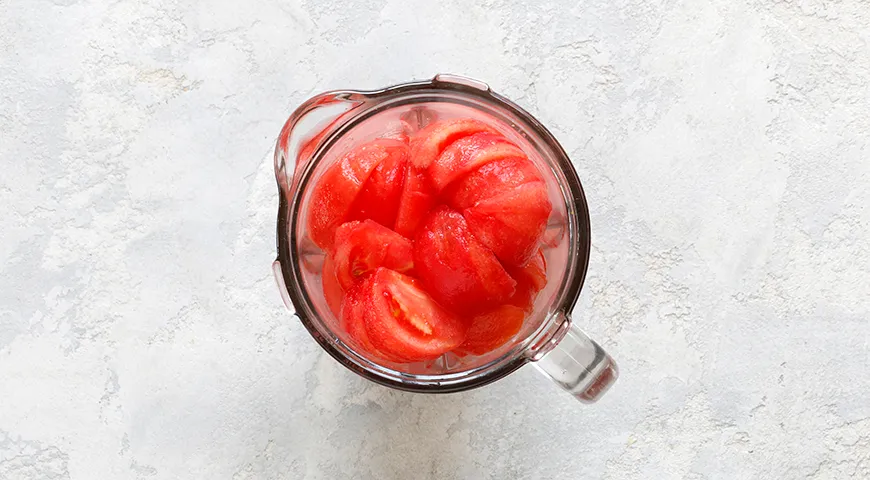
Once cool, slip off the skins. Chop the tomatoes roughly, then purée them using an immersion blender or a food mill until smooth.
Step 6: Reduce the purée
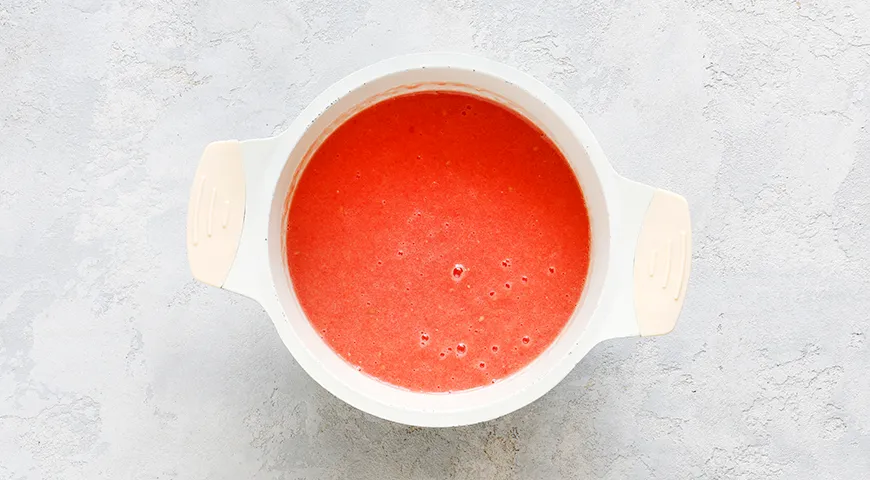
Transfer the tomato purée to a heavy‑bottomed pot. Simmer over low‑medium heat, stirring occasionally, until it reduces by half and reaches a thick, paste‑like consistency. This takes about 45–60 minutes.
Step 7: Prepare the aromatics
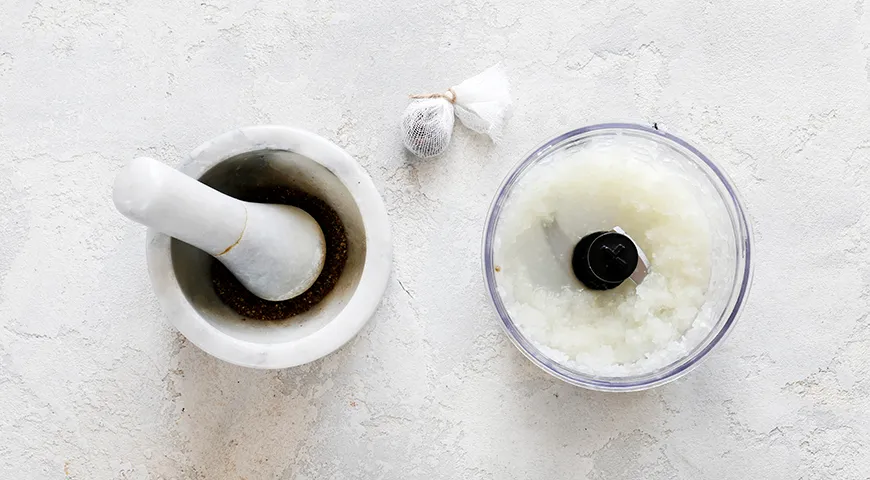
While the purée reduces, finely mince the onion and garlic (or blitz in a small processor). Coarsely crush the black peppercorns and allspice using a mortar and pestle. Tie the cloves in a piece of cheesecloth.
Step 8: Add spices
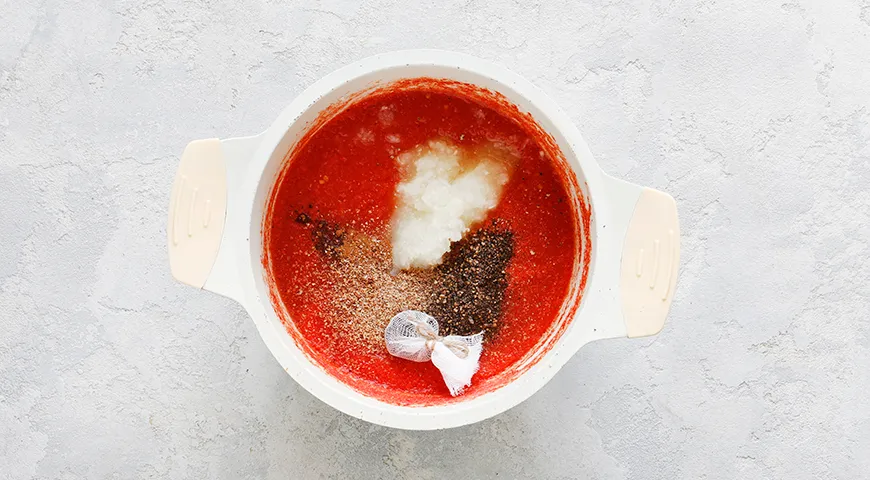
10–15 minutes before the purée is fully reduced, stir in the salt, sugar, minced onion and garlic, crushed peppercorns and allspice, cinnamon, nutmeg, mustard powder, and the clove bag. Continue to simmer, stirring often.
Step 9: Finish with vinegar
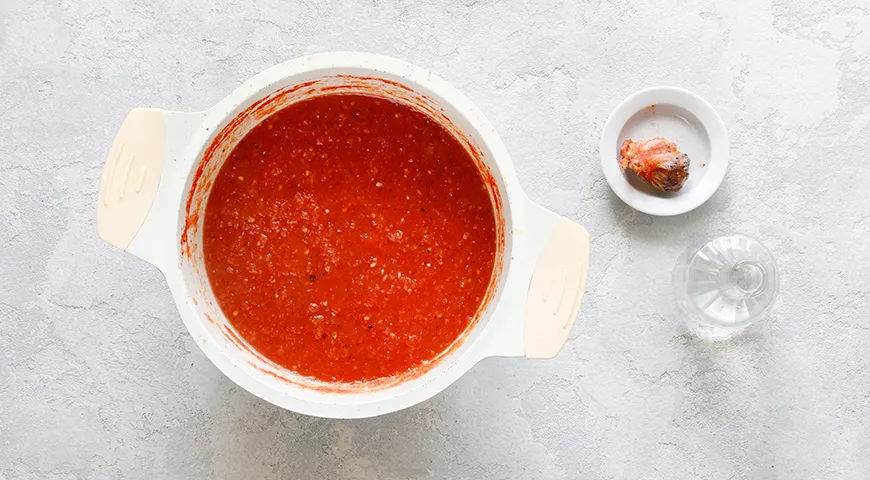
Remove the clove bag. Stir in the vinegar and let the sauce bubble for 2–3 minutes.
Step 10: Jar the sauce
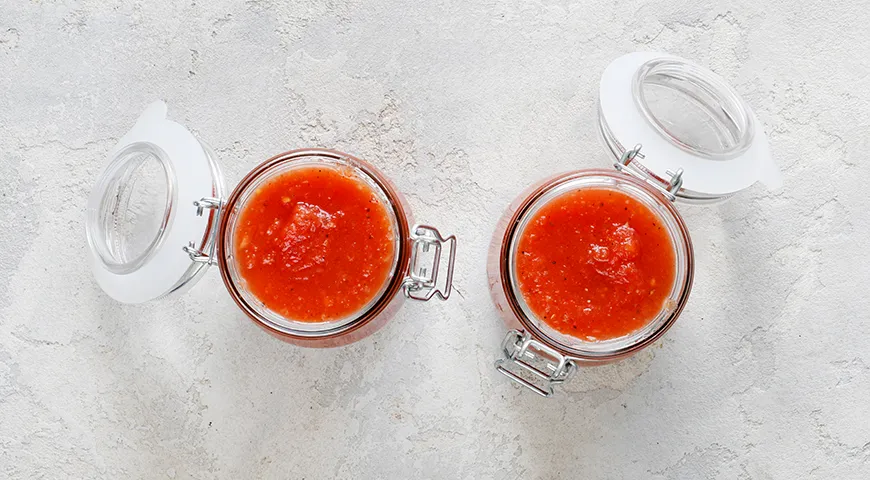
Ladle the hot sauce into the sterilised jars, leaving ½‑inch headspace. Wipe rims clean and screw on lids fingertip‑tight.
Step 11: Process for long‑term storage
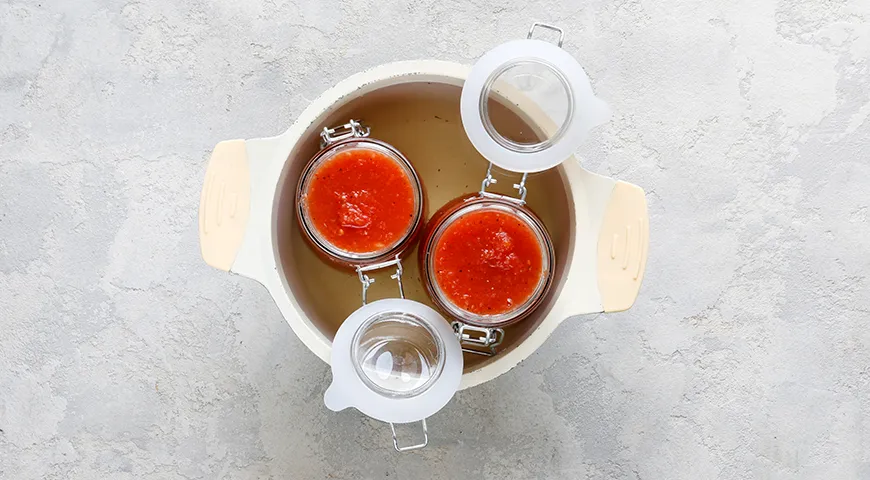
Place the filled jars in a water‑bath canner (or a deep pot with a rack). Process 0.5‑litre jars for 30–35 minutes, and 1‑litre jars for 40–45 minutes. After processing, let them cool undisturbed for 12–24 hours. Check seals—the lids should not flex when pressed.
Pro Tips for Perfect Kuban Sauce
- Use a wide, heavy pot – This speeds up reduction and prevents scorching. A microwave pressure cooker can also work for quick reduction if you’re in a hurry, but traditional stovetop yields superior depth.
- Don’t skip the spice bundle – The cloves lend a distinct warmth that defines the Kuban character. Use a fine‑mesh spice bag if you don’t have cheesecloth.
- Adjust sweetness – If your tomatoes are very sweet, reduce the sugar to 100 g. The sauce should be balanced, not cloying.
- Test for doneness – Drag a spoon through the sauce; it should leave a clean path that doesn’t immediately fill in.
- Scale up – This recipe can easily be doubled. For large batches, a convection oven can help dehydrate the purée faster, but monitor closely.
Delicious Variations
- Smoky Kuban – Replace half the tomatoes with fire‑roasted varieties or add a teaspoon of smoked paprika.
- Herb‑Infused – Add a sprig of fresh rosemary or basil during the last 10 minutes of cooking.
- Spicy Kick – Toss in a deseeded jalapeño or a pinch of cayenne with the spices.
- Low‑Sugar – Use only 50 g sugar and rely on naturally sweet tomatoes. The juicer can also help extract extra‑sweet juice if you want to concentrate flavours.
Frequently Asked Questions
Can I use canned tomatoes instead of fresh?
Yes. Choose high‑quality whole peeled tomatoes (preferably Italian San Marzano). Drain them slightly and reduce cooking time by about 20 minutes, as they are already cooked. You may still want to blend them for a smooth texture.
How long does homemade Kuban sauce keep?
Properly processed and sealed jars will last up to 12 months in a cool, dark pantry. Once opened, refrigerate and use within 2–3 weeks. A refrigerator ice maker is great for quick cooling if you need to chill the sauce rapidly.
Can I freeze the sauce instead of canning?
Absolutely. Let the sauce cool completely, then transfer to freezer‑safe containers or spray bottles for portioned use. It will keep for 6 months. Thaw in the fridge overnight.
Why is my sauce too thin?
You may not have reduced it enough. Continue simmering, uncovered, until it reaches the desired thickness. Using a wide pot speeds evaporation. Alternatively, stir in a tablespoon of tomato paste to thicken without changing the flavour profile.
Can I omit the vinegar?
Vinegar is essential for safe water‑bath canning because it increases acidity. For refrigerator or freezer storage, you can leave it out, but the sauce will be less tangy. If canning, do not skip it. Check your vinegar’s acidity with a testing strip if unsure.
What dishes pair best with Kuban Sauce?
It shines alongside grilled meats (especially steak), roasted chicken, pasta, or as a dip for fries. It also makes a wonderful base for shakshuka or a quick au jus for prime rib.
Final Thoughts
This Kuban Sauce is more than a preserve—it is a taste of Russian summer, captured in a jar. The process is deeply rewarding, and the result is a versatile condiment that will elevate your everyday cooking. Whether you ladle it over homemade pasta, slather it on a burger, or serve it alongside a roasted vodka‑marinated pork loin, you will be grateful you took the time to make it yourself. Happy preserving!







