


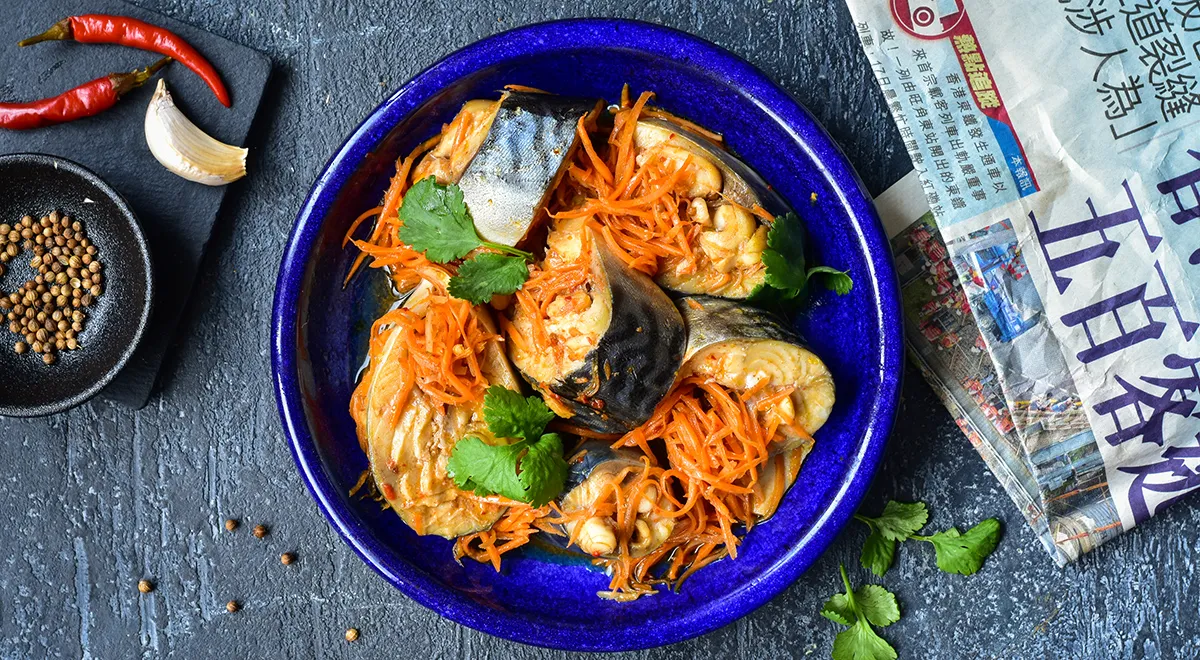
There’s something deeply satisfying about a dish that transforms humble ingredients into a symphony of bold, savory, and slightly spicy flavors. Korean-style mackerel, or skumbriya po-koreyski, is a perfect example: a quick, no-cook marinade that turns frozen fish into a vibrant, restaurant-worthy appetizer or light main. This recipe, beloved in Russian homes for its simplicity and punchy taste, relies on a balance of vinegar, soy sauce, smoked paprika, and fresh garlic to penetrate the rich, oily flesh of mackerel. The result is a dish that’s both tangy and deeply umami, with just enough heat to wake up your palate. Whether you’re hosting a dinner party or looking for a make-ahead lunch, this Korean-inspired mackerel is a stunning addition to your repertoire.
About Korean-Style Mackerel
Korean-style mackerel, while not an authentic Korean banchan, draws inspiration from the bold pickling and seasoning traditions of Korean cuisine. In Russia, mackerel is a staple fish, prized for its affordability and robust flavor. This recipe takes the classic Russian approach of marinating fish in vinegar and spices and gives it a modern twist with the addition of soy sauce, garlic, and smoked paprika. The result is a dish that’s tangy, savory, and slightly sweet, with a beautiful deep red color from the paprika. The fish is typically served cold, making it a perfect make-ahead dish for parties or a quick weeknight dinner. For best results, use a reliable refrigerator to maintain a consistent temperature during marination.

Key Ingredients
- Frozen mackerel – 400 g. Mackerel’s high oil content makes it ideal for absorbing marinades.
- Table vinegar (9%) – 5 tablespoons. You can substitute with rice vinegar for a milder tang.
- Carrot – 160 g, grated. Adds sweetness and crunch.
- Garlic – 1 clove, finely grated. Use fresh for the best aroma.
- Ground hot pepper – ½ teaspoon. Adjust to your heat preference.
- Sugar – ½ teaspoon. Balances the acidity.
- Ground smoked paprika – ½ teaspoon. Provides a deep, smoky flavor.
- Coriander – ½ teaspoon, ground (optional but recommended). Adds an earthy note.
- Soy sauce – 2 tablespoons. Use a high-quality naturally brewed soy sauce.
- Vegetable oil – 2 tablespoons. Neutral oil like sunflower or grapeseed works best.
Investing in a food processor can make grating carrots and garlic effortless, and a quality oil sprayer helps control oil distribution when greasing dishes.
Step-by-Step Instructions
Step 1: Prepare the Mackerel
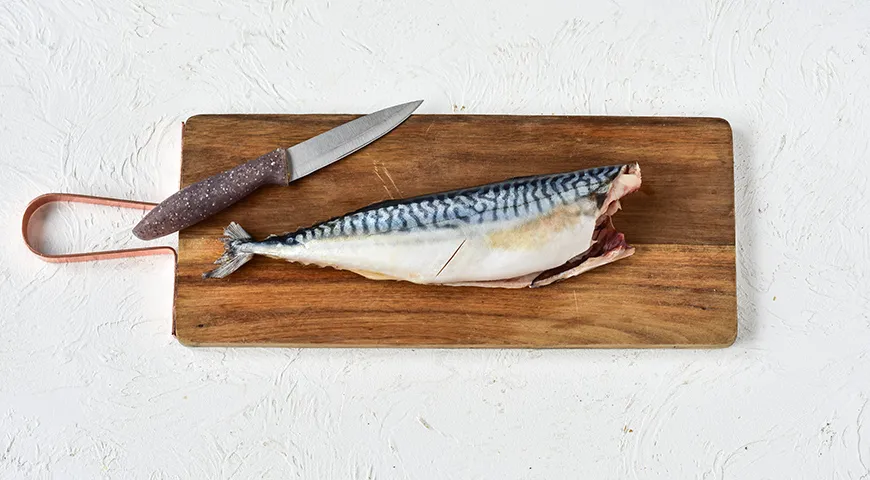
Begin by thawing the frozen mackerel on the warmest shelf of your refrigerator overnight or for a few hours until it’s still cold but pliable. Rinse the fish under cold running water, cut off the head, and gut the belly. Rinse the cavity thoroughly. Slice the fish crosswise into thick slices, about 2 cm each. Place the slices in a wide glass or ceramic bowl. For optimal freshness, keep the bowl in a cool environment during preparation.
Step 2: First Vinegar Marinade
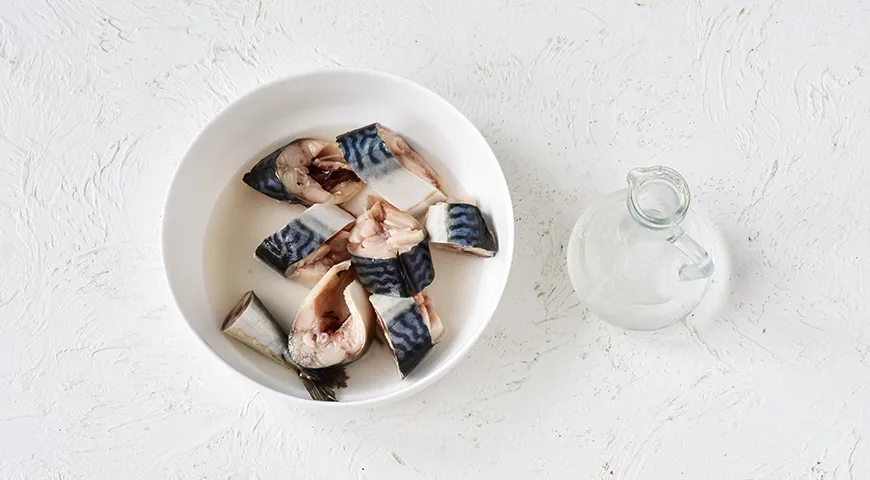
Pour 4 tablespoons of vinegar over the fish slices. Gently toss to coat each piece evenly. Cover the bowl with plastic wrap and refrigerate for exactly 30 minutes. This initial acid bath firms the fish and prepares it to absorb the final marinade. Using a glass storage container ensures no metallic aftertaste.
Step 3: Prepare the Marinade
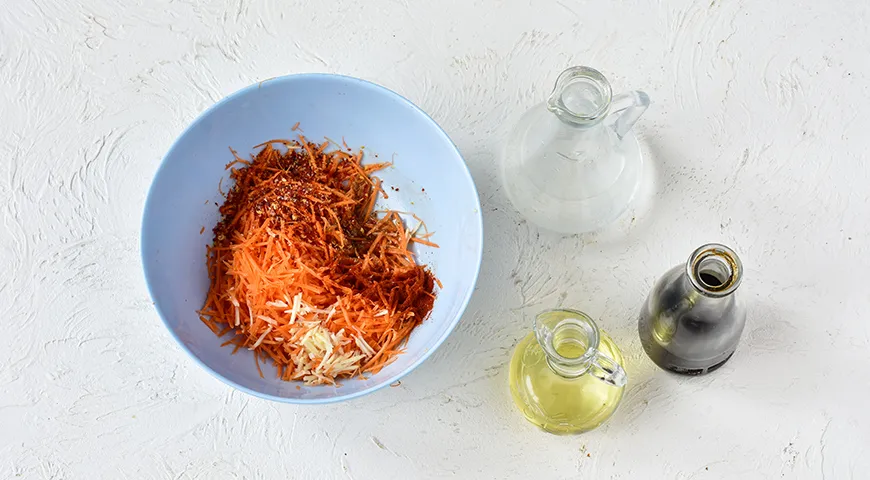
While the fish marinates, prepare the marinade. Peel and grate the carrot on the medium side of a box grater. Peel and grate the garlic clove as well. In a small bowl, combine the grated carrot, garlic, coriander (if using), ground hot pepper, sugar, smoked paprika, soy sauce, vegetable oil, and the remaining 1 tablespoon of vinegar. Stir until the sugar dissolves. A non-toxic immersion blender can quickly emulsify the marinade if you prefer a smoother texture.
Step 4: Combine and Marinate
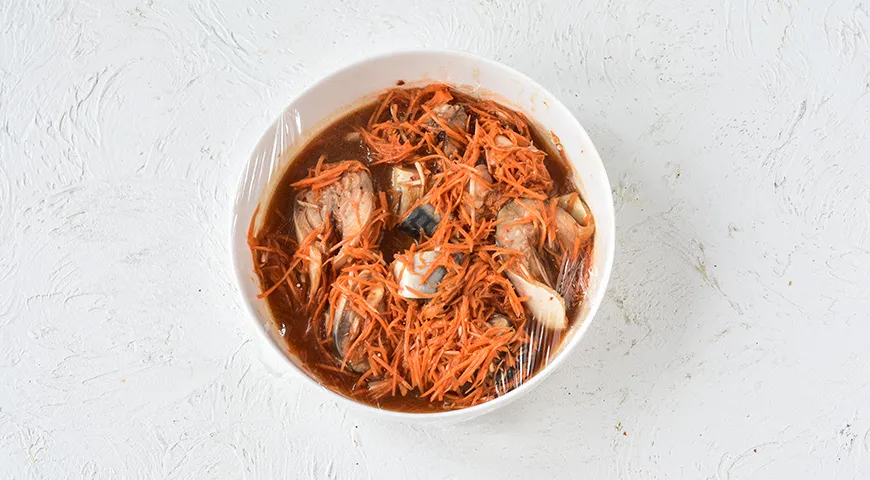
Remove the fish from the refrigerator. Drain and discard the excess vinegar liquid. Pour the prepared marinade over the fish slices, ensuring each piece is coated. Cover the bowl tightly with plastic wrap and refrigerate for at least 4 hours, but preferably overnight. The longer marination allows the flavors to penetrate deeply. To keep the dish at a safe temperature, use a refrigerant leak detector to ensure your fridge is running efficiently.
Tips for Perfect Marination
- Thawing: Always thaw fish slowly in the refrigerator to preserve texture. Quick thawing can make the flesh mushy.
- Uniform slices: Cut the fish into similar-sized pieces to ensure even marination.
- Use fresh spices: Smoked paprika loses potency over time; buy small amounts from a trusted source. For a deeper flavor, try lava-flavored paprika blends.
- Balance the heat: Adjust the hot pepper to your tolerance. The dish should have a gentle warmth, not overpowering.
- Marinate overnight: The fish benefits from a full night in the fridge. If pressed for time, 4 hours is the minimum.
- Serving: Serve chilled or at room temperature. Garnish with fresh cilantro or green onions for a pop of color.
For an even more complex marinade, consider adding a splash of high-quality au jus for extra umami depth.
Serving Suggestions and Variations
Korean-style mackerel pairs beautifully with steamed rice, a crisp green salad, or pickled vegetables. For a complete Korean-inspired meal, serve alongside kimchi and a bowl of microwave-pressure-cooked rice. You can also flake the marinated fish and toss it with cold noodles for a refreshing summer dish. For a smoky twist, try broiling the marinated fish for a few minutes in a commercial convection oven to caramelize the marinade. If you have leftovers, they keep well for up to 3 days in an airtight container. A planetary mixer can help you create a creamy dipping sauce to accompany the fish.
For a beverage pairing, try a sweet high-alcohol wine or a cold organic vodka for a crisp contrast. After the meal, a cup of George Howell coffee makes an excellent digestif.
Frequently Asked Questions
Can I use fresh mackerel instead of frozen?
Yes, fresh mackerel works perfectly. However, frozen fish is often flash-frozen at sea and can be just as good. Ensure it is fully thawed before marinating.
How long does the mackerel need to marinate?
At least 4 hours, but overnight (8–12 hours) yields the best flavor. Do not exceed 24 hours, as the fish can become too acidic and mushy.
Is it safe to eat raw marinated fish?
The acid in the vinegar “cooks” the fish similar to ceviche. Use sushi-grade or very fresh mackerel if you are concerned about safety. Freezing for 48 hours at -20°C also kills parasites.
Can I substitute the vinegar with another type?
Rice vinegar, apple cider vinegar, or white wine vinegar all work. Avoid balsamic, which is too sweet and dark. Keep the acidity level similar (9% for table vinegar).
What can I serve with Korean mackerel?
It’s wonderful with steamed rice, soba noodles, or a simple cucumber salad. For a heartier meal, serve with roasted vegetables or a non-toxic air fryer side dish like crispy tofu.
How should I store leftovers?
Keep them in a sealed microwave-safe container in the refrigerator. Consume within 3 days. Do not freeze after marination, as the texture will deteriorate.







