


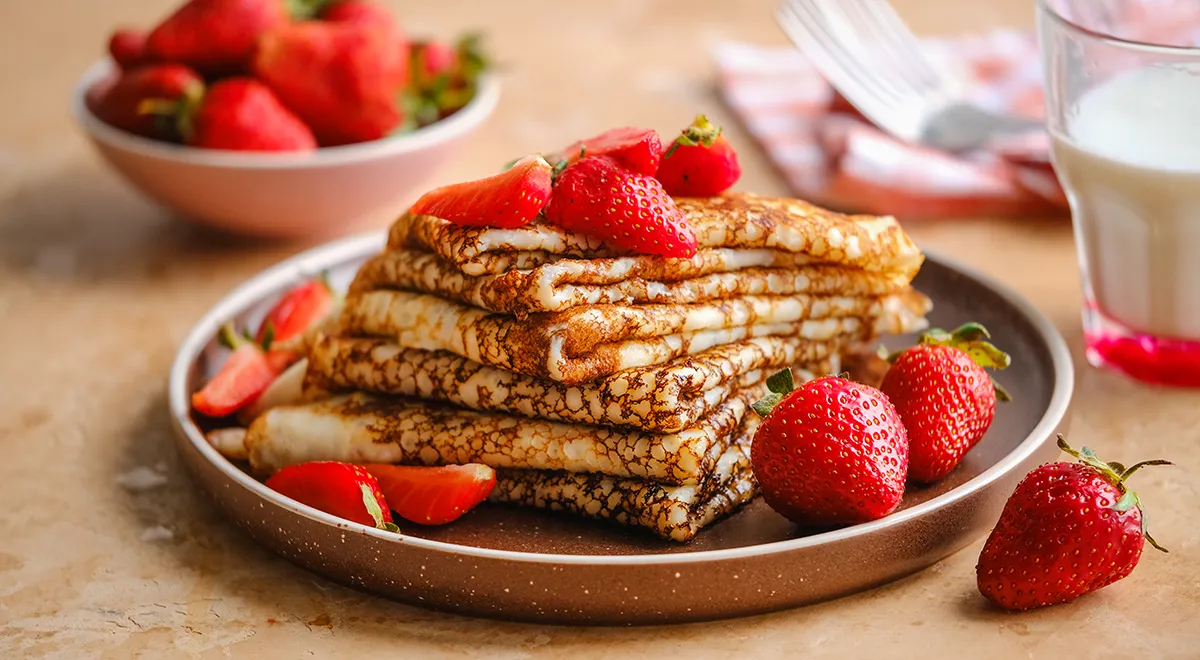
Few things evoke the warmth of a Russian home as deeply as the scent of sizzling blini — lacy, golden pancakes that vanish as quickly as they are stacked. This version, made with both kefir and sparkling mineral water, yields a texture that is at once tender and delightfully crisp around the edges. The dual liquids create tiny bubbles during frying, giving the blini their signature thinness and slight chewiness. Whether served with sour cream, jam, or smoked salmon, these blini are a canvas for endless creativity.
About This Recipe
In Russian cuisine, blini are more than food — they are symbols of hospitality and the sun, especially during Maslenitsa week. This particular recipe leverages the natural acidity of kefir (which tenderizes the gluten) and the effervescence of mineral water (which aerates the batter) to produce a light, springy pancake without the need for yeast. The result is a quick, foolproof batter that fries up in minutes. Using high-quality ingredients and proper technique ensures a stack that stays soft and pliable even as it cools. For best results, bring all dairy and eggs to room temperature — a quick zap in a microwave (like the best wall oven microwave combo with air fryer) can speed things along.

Ingredients
- 220 g all-purpose flour
- 400 ml kefir (full-fat recommended)
- 200 ml sparkling mineral water (chilled or room temperature)
- 2 large eggs
- 4 tbsp vegetable oil (plus extra for greasing)
- 2 tbsp sugar
- ½ tsp salt
For authentic thin blini, weigh your flour precisely. Using a food processor can help if scaling up, though a simple whisk works perfectly. The mineral water should be actively bubbly — flat water will produce denser pancakes.
Step-by-Step Guide
Follow these steps for perfect blini every time. A good planetary mixer can streamline the mixing, but hand whisking is equally effective.
Step 1: Prepare Your Ingredients
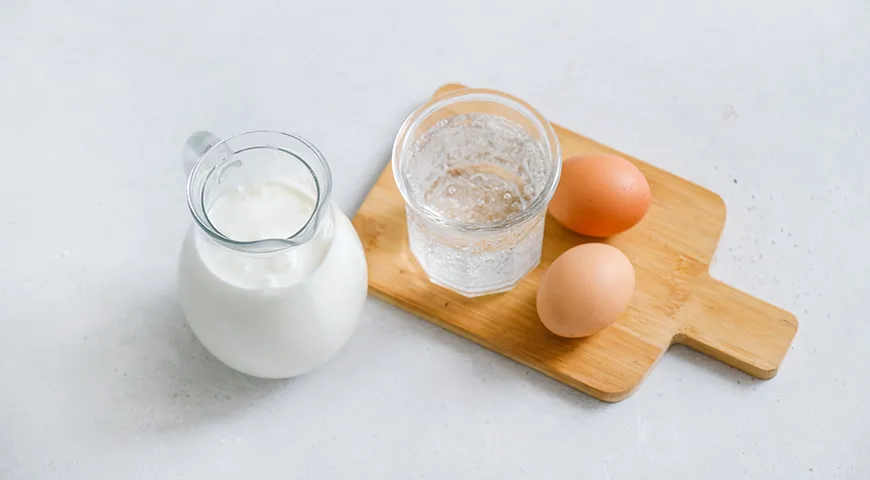
Remove the kefir, eggs, and mineral water from the refrigerator 30 minutes before cooking to bring them to room temperature. Alternatively, warm them gently in a microwave for 20–30 seconds. This prevents the batter from seizing and ensures even cooking.
Step 2: Whisk the Wet Base
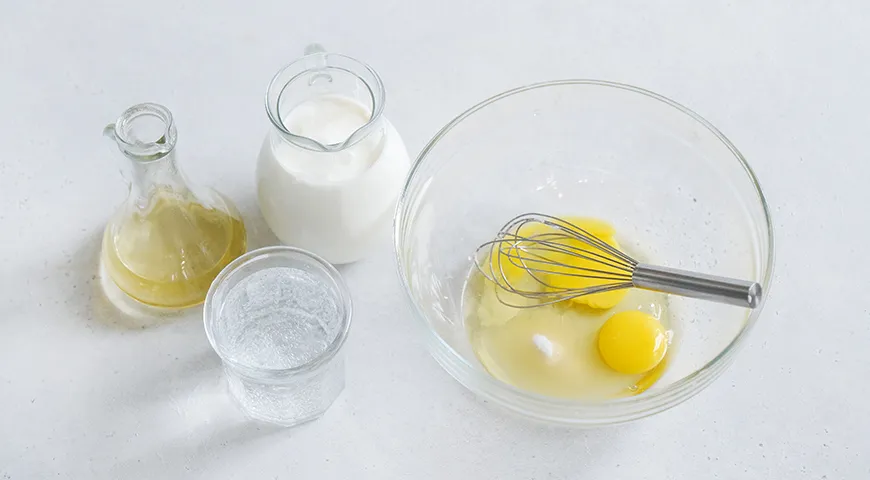
In a large bowl, crack the eggs, add sugar and salt, and beat with a mixer for 2 minutes until light and frothy. Pour in the kefir, mineral water, and 3 tablespoons of vegetable oil. Beat for another minute to combine. The mixture should look bubbly and slightly thickened.
Step 3: Incorporate the Flour
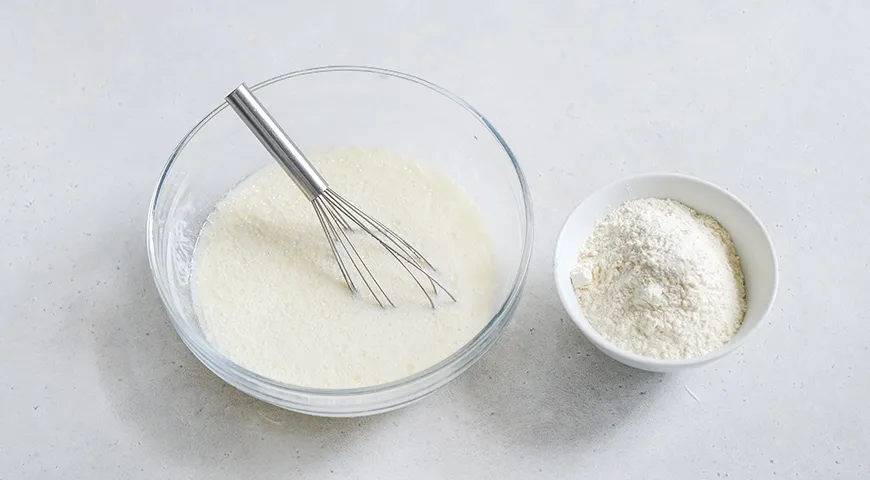
Sift the flour into the bowl through a fine-mesh sieve to remove lumps and aerate. Using a mixer on medium speed, blend until no dry streaks remain — about 2 minutes. The batter should be smooth and runny, similar to heavy cream. If it seems too thick, add a splash of mineral water.
Step 4: Heat the Pan and Pour
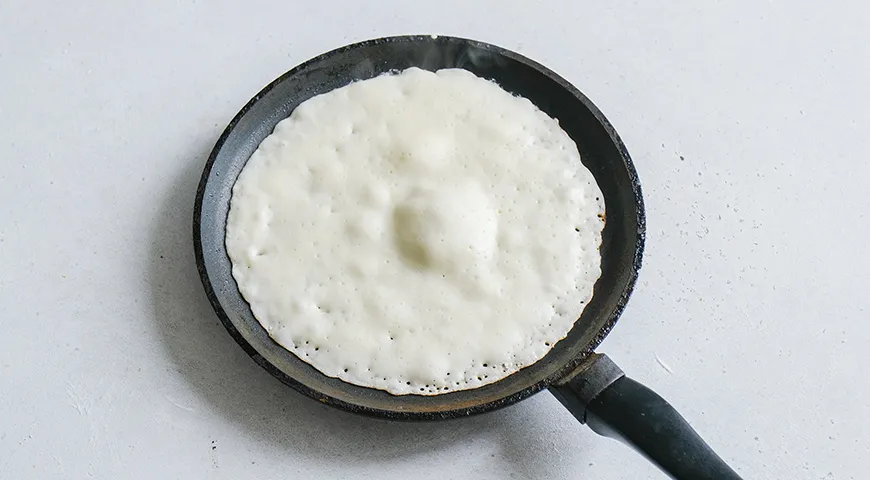
Place a 20–22 cm non-stick blini pan over medium-high heat for 2 minutes. Lightly oil the surface using a brush or best oil sprayer. Pour a ladleful of batter (about ⅓ cup) into the center, then quickly tilt the pan in all directions to spread it into a thin, even circle. The batter should sizzle immediately.
Step 5: Cook and Flip
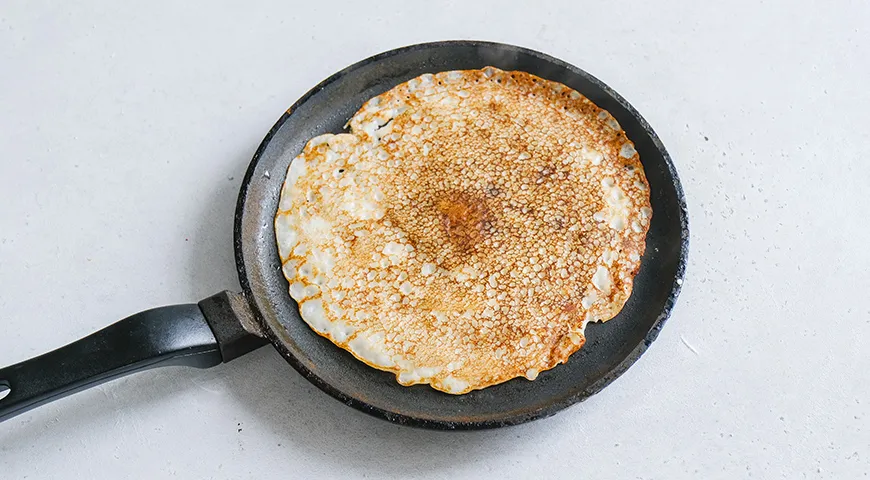
Cook the blini for 1 minute, until the edges lift and the surface is set with tiny holes. Slide a wide spatula under the pancake and flip it quickly. Cook the second side for 30–40 seconds, until golden brown spots appear. The ideal blini is pliable, not brittle.
Step 6: Stack and Keep Warm
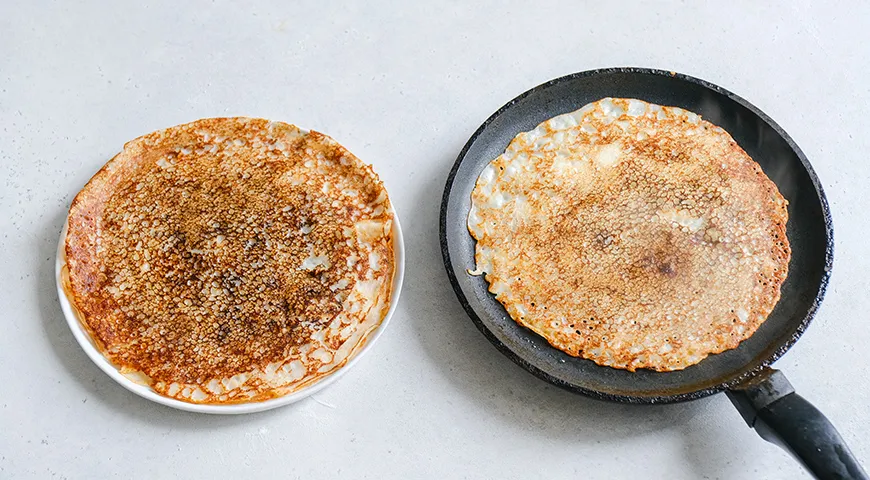
Transfer cooked blini to a flat plate, stacking them directly on top of one another. The residual heat keeps them soft and pliable. Continue with the remaining batter, stirring occasionally as it may thicken. If needed, thin with a tablespoon of mineral water.
Tips for Perfect Blini
- Room temperature ingredients: Cold kefir and eggs can cause the batter to clump. Let them sit out or warm them gently as noted.
- Batter consistency: It should pour like a thin cream. If it thickens during cooking, whisk in a little mineral water. This prevents thick, doughy pancakes.
- Pan heat: A properly preheated pan is crucial. If the first blini sticks or browns unevenly, adjust the heat and re-oil.
- Oil sparingly: Using a best oil sprayer gives an even, light coating — too much oil makes blini greasy.
- No overmixing: Once flour is added, mix just until smooth. Overworking develops gluten and makes blini tough.
Variations and Serving Suggestions
These blini are wonderfully versatile. For a savory twist, swap a tablespoon of sugar for herbs and serve with smoked salmon, crème fraîche, and dill. Sweet lovers can add a teaspoon of chocolate-covered raisins to the batter, or drizzle with honey and berries. For an indulgent breakfast, fold them around scrambled eggs and cheese. The thin, flexible texture also makes them ideal for blintzes or as a base for Russian-style zakuski (appetizers). Pair with a glass of sweet wine with high alcohol content for a festive touch.
Frequently Asked Questions
Why is my blini batter too thick?
As the batter sits, the flour absorbs moisture and swells. This is normal — simply stir in a tablespoon of mineral water or milk until the desired consistency returns. Avoid adding more flour, which would make them dense.
Can I use dairy-free alternatives?
Yes, substitute kefir with a thin, unsweetened plant-based yogurt (like coconut or soy) and use a neutral oil. The mineral water still provides lift. For best results, use a best non-toxic immersion blender to emulsify the mixture.
How do I store leftover blini?
Stack cooled blini with a piece of parchment between each, wrap tightly in plastic, and refrigerate for up to 3 days. To reheat, place them in a hot, dry pan for 10 seconds per side or use a best air-fryer non-toxic at 180°C for 2 minutes — they’ll come back beautifully.
Can I freeze blini?
Absolutely. Stack them with parchment layers, wrap in foil, and freeze for up to 2 months. Thaw in the refrigerator overnight, then steam or pan-fry to restore softness. A commercial countertop convection oven can refresh a large batch evenly.
Why are my blini tearing when I flip them?
This usually indicates the batter is too thin or the pan wasn’t hot enough. Ensure the pan sizzles when you pour batter, and let the first side cook until the edges are golden and release easily. Also, use a best undercounter ice maker machine to enjoy iced tea alongside, but not for batter!
What’s the role of mineral water in blini?
The carbonation creates tiny bubbles in the batter, which expand during frying to produce a lacy, delicate texture — much like a chemical leavening. Using still water will result in flatter, denser pancakes. For a richer flavor, consider adding a splash of best organic vodka to the batter (optional).
Can I make the batter ahead of time?
It’s best to fry immediately after mixing, but you can prepare the dry mix and wet ingredients separately and combine just before cooking. For overnight storage, the batter will thicken; thin with mineral water and re-whisk using a best immersion blender.
What’s the secret to stacking without sticking?
Brush each blini with a tiny dot of melted butter as you stack. This adds flavor and prevents them from fusing. Also, covering the stack with a clean kitchen towel traps steam and keeps them pliable until serving.
Can I use this batter for other dishes?
Definitely. This batter makes excellent crepes for savory fillings. For a sweeter treat, fold them with cottage cheese and raisins, then bake with a dollop of sour cream — a classic Russian lazy vareniki. Explore more ideas with pa de pessic Catalan sponge for a cross-cultural twist.
Final Thoughts
Mastering blini on kefir and mineral water is a skill worth acquiring. With a little practice, you’ll produce a stack that is both visually stunning and irresistibly delicious. Serve them warm with your favorite toppings, and don’t forget to share — these pancakes are meant to bring people together. For more kitchen inspiration, explore our guides on best espresso machine under 2000 and best 48 inch built-in refrigerator to elevate your home cooking experience.







