


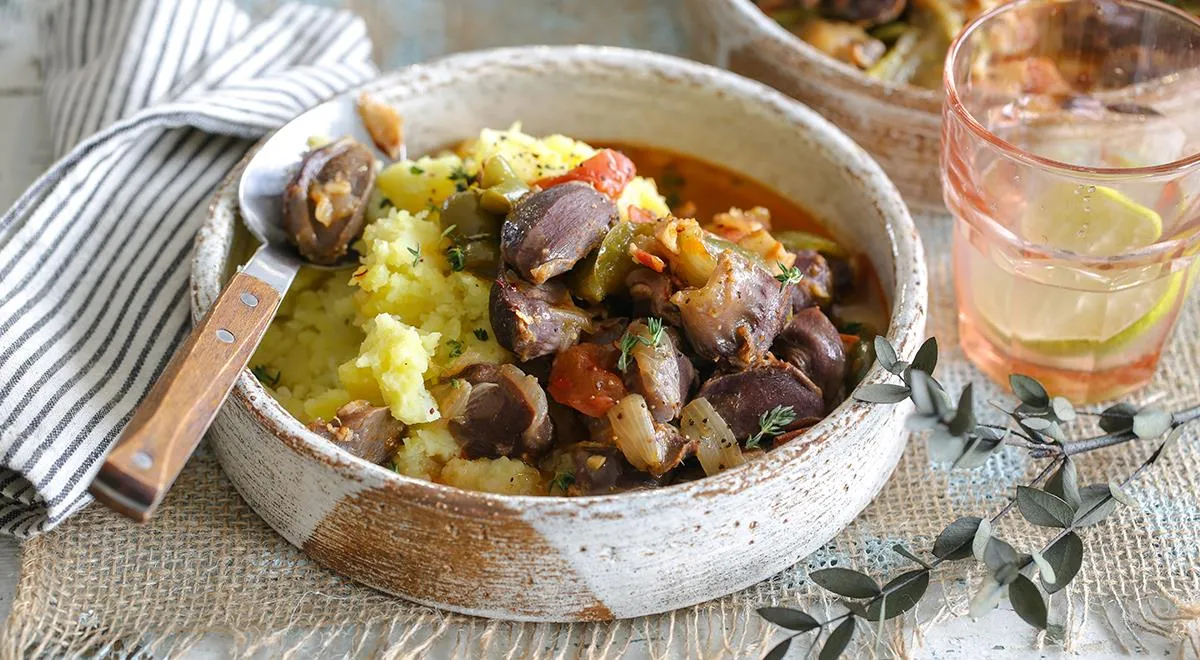
In Hungary, there is a cherished category of stews known as pörkölt—a bold, paprika‑rich medley of meat or poultry, slowly simmered with vegetables until the sauce turns deep and velvety. This rendition, Hungarian-Style Duck Gizzards with Paprika, transforms humble gizzards into a gastronomic centrepiece. The gizzards are first seared, then braised with sweet peppers, tomatoes, and a generous dose of paprika, yielding a dish that is both rustic and refined. Serve it over homemade noodles or flour dumplings, perhaps alongside a glass of sweet wine with a high alcohol content to cut the richness.
About This Dish
Pörkölt is a staple of Hungarian home cooking, distinguished by its luscious, paprika‑laced gravy. Here, duck gizzards take centre stage—their firm texture becomes meltingly tender after a long, gentle simmer. The addition of bacon, though optional, lends a subtle smokiness, while the pale green peppers and ripe tomatoes create a naturally sweet, tangy backdrop. This dish exemplifies how offal can be elevated with patience and the right spice. For a fuss‑free preparation, consider using a reliable food processor to chop the vegetables evenly in seconds.

Ingredients
- 1 kg duck gizzards
- 200 g bacon (optional)
- 1–2 sweet seasonal pale green peppers
- 4–5 medium tomatoes
- 2 large onions
- 6–7 cloves garlic
- 1 tbsp tomato paste
- Vegetable oil, for frying
- 1 tbsp sweet or hot paprika (adjust to taste)
- 1–2 bay leaves
- Salt and freshly ground black pepper
For the best results, source the freshest duck gizzards from a trusted butcher. If you prefer a deeper flavour, choose a quality oil sprayer to control the amount of vegetable oil used during searing.
Step‑by‑Step Instructions
-
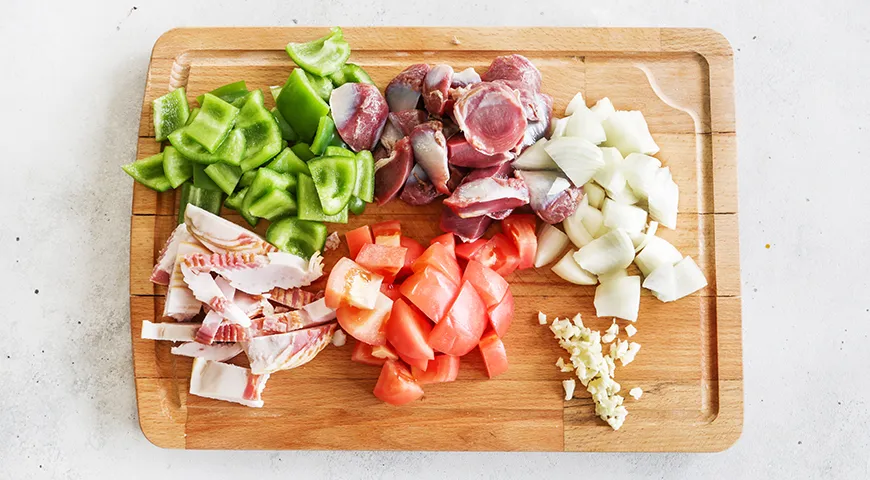
Prepare the ingredients – Cut the duck gizzards into 2–4 pieces each. Season them with salt and pepper. If using bacon, cut it into medium‑sized pieces. Peel the onions and cut them into similar pieces. Remove the stems and seeds from the peppers, then chop. Dice the tomatoes. Mince the garlic.
-
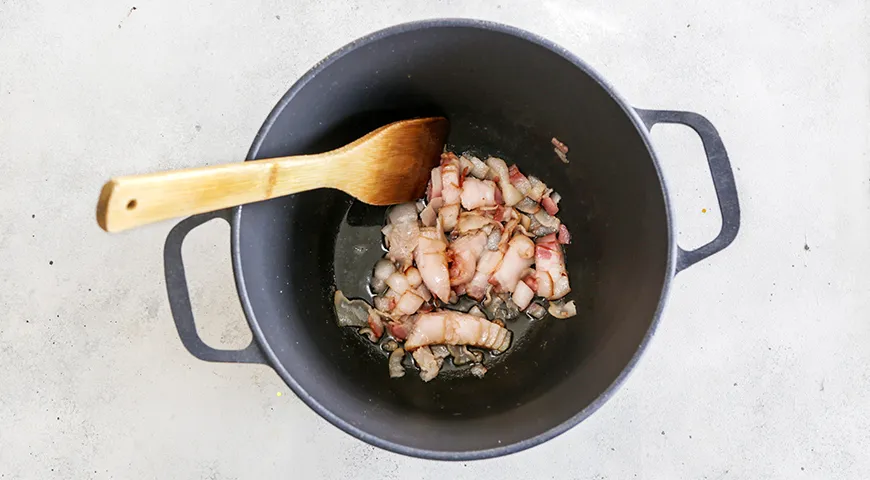
Render the bacon – Pour a little vegetable oil into a heavy‑bottomed saucepan or Dutch oven. Add the bacon pieces and fry over medium heat for 5 minutes, until they start to crisp. The rendered fat will infuse the stew with a savoury depth. For an alternative, you can use an air fryer to crisp the bacon separately and add it later.
-
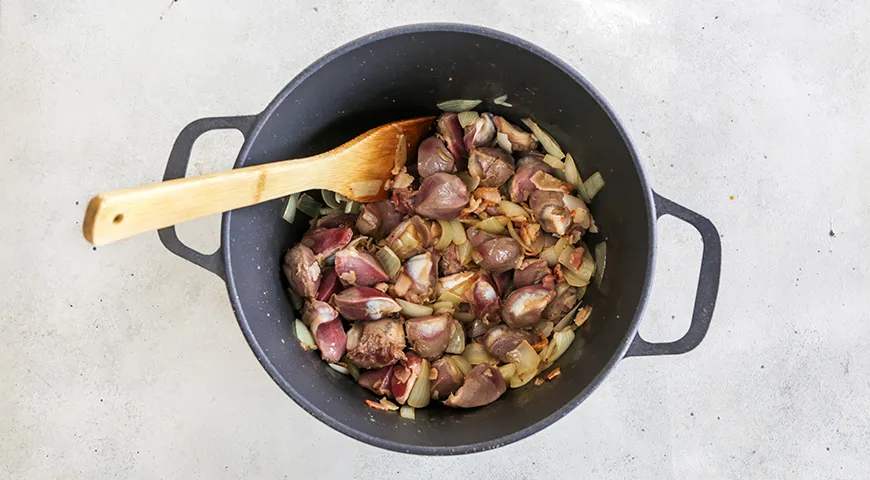
Sweat the onions and sear the gizzards – Add the chopped onions to the pot and cook for another 5 minutes, stirring occasionally. Then add the duck gizzards and increase the heat to high. Sauté for 5 minutes, stirring frequently, until the gizzards are lightly browned. This step builds the base flavour. If your stove lacks even heat, a commercial countertop convection oven can be used for the initial searing, though a stovetop is traditional.
-
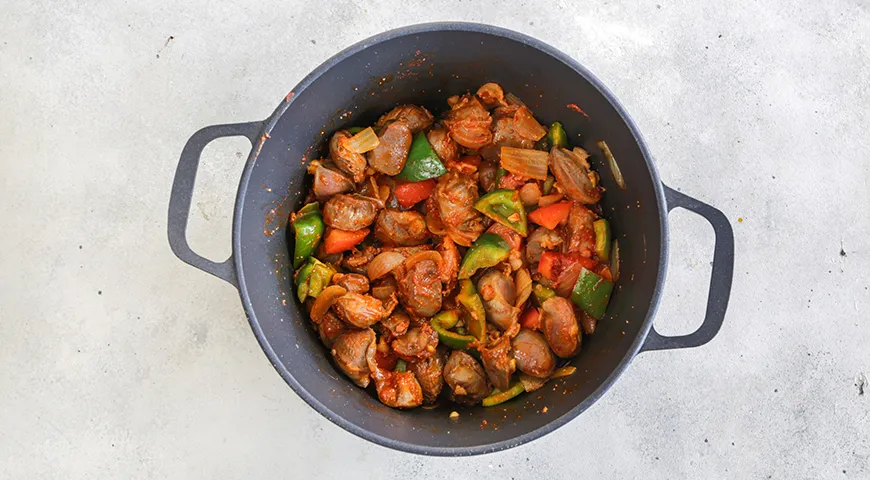
Add spices and vegetables – Sprinkle the paprika over the meat and stir immediately to coat. Follow with the chopped peppers, tomatoes, and minced garlic. Mix well. Add the tomato paste and stir until everything is combined. The paprika should be added quickly to prevent burning, which can make the dish bitter. A non‑toxic immersion blender can later be used to puree part of the sauce for a silkier texture, if desired.
-
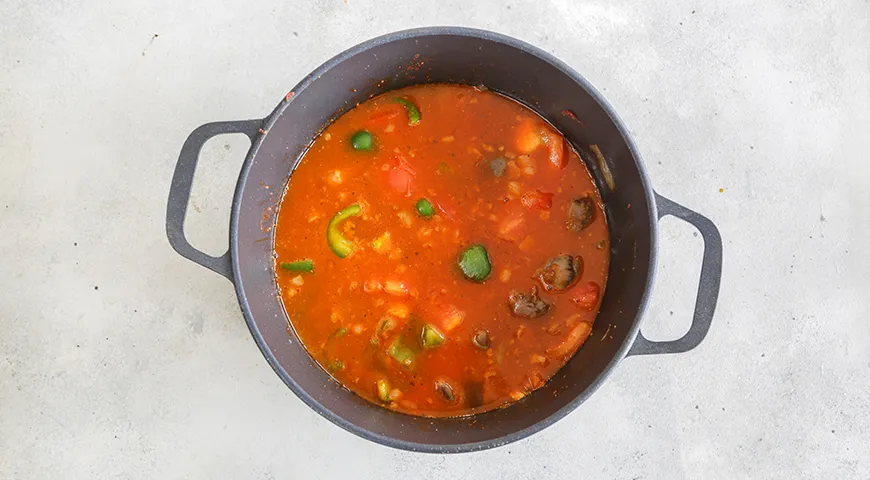
Simmer to perfection – Pour about 1.3 L of hot water into the pot. Bring to a boil over high heat. Drop in the bay leaves (remove after 5–10 minutes if you want a milder flavor). Reduce the heat to medium, cover, and let the pörkölt simmer for 45–60 minutes, stirring occasionally, until the gizzards are fork‑tender. If you are short on time, a microwave pressure cooker can cut the cooking time significantly. Serve the stew hot, accompanied by noodles or dumplings.
Tips for Perfect Duck Gizzards
- Trim carefully – Remove any tough silverskin from the gizzards for a more tender bite.
- Don’t rush the sear – A good colour on the meat adds depth to the final sauce.
- Use sweet paprika – Sweet paprika gives a vibrant colour and mild warmth; hot paprika can be used for extra heat.
- Stir occasionally – Prevent sticking, especially after adding the paprika.
- Rest before serving – Let the pörkölt sit for 5 minutes off the heat to allow the flavours to meld. For storing leftovers, a large built‑in refrigerator is ideal to keep the dish fresh.
Variations
Poultry alternatives – Chicken gizzards or even turkey necks work wonderfully; adjust the simmering time accordingly.
Vegetarian version – Replace the meat with portobello mushrooms and use vegetable broth; the smoky bacon can be omitted or substituted with smoked tofu.
Serving ideas – Pörkölt is traditionally paired with flour dumplings (galuska) or homemade egg noodles. For a modern twist, serve over creamy polenta. After the meal, enjoy a dessert such as Catalan sponge cake and a cup of George Howell coffee.
Frequently Asked Questions
Can I use other types of offal?
Absolutely. Chicken or turkey gizzards are excellent substitutes, as are duck hearts for a richer flavour. For a more tender result, you can also use chicken livers, but add them only in the last 10 minutes of cooking to avoid toughening.
Do I need to soak the gizzards beforehand?
No soaking is required, but you can milk‑soak them for an hour to mellow any gamey notes if desired. Most high‑quality duck gizzards need only a quick rinse and trimming.
How do I store and reheat leftovers?
Store the pörkölt in an airtight container in the refrigerator for up to three days. Reheat gently on the stovetop or in a wall oven microwave combo with air fryer. The flavours deepen overnight. Freezing is also possible for up to three months.
What equipment is essential for this recipe?
A heavy‑bottomed pot or Dutch oven is key for even heat distribution. A good knife and cutting board are also important. For effortless chopping, a planetary mixer with a vegetable slicer attachment can save time. If you plan to make dumplings, a mixer helps with the dough.
Can I make this dish in a pressure cooker?
Yes, a microwave pressure cooker or stovetop pressure cooker reduces cooking time to about 20 minutes under high pressure. Reduce the water to about 800 ml to avoid a watery sauce.
What wine pairs best with this dish?
A medium‑bodied red such as Hungarian Kékfrankos or a dry Tokaji is traditional. For a white option, a full‑bodied Chardonnay works well. As mentioned, a sweet wine with high alcohol content can be a lovely contrast.
Can I add other vegetables?
Certainly. Carrots, celery, or even bell peppers of different colours add variety. For a deeper umami, stir in a tablespoon of best store‑bought au jus along with the tomato paste. Some cooks also add a splash of organic vodka for deglazing and a subtle kick.
Conclusion
This Hungarian‑style duck gizzard stew is a wonderful way to explore the hearty, spice‑forward cooking of Central Europe. The combination of tender gizzards, sweet paprika, and slow‑simmered sauce delivers comfort on a plate. Whether you serve it over noodles, dumplings, or creamy mash, it’s a dish that invites communal dining. For a festive spread, pair it with a glass of something strong and a light dessert, such as chocolate‑covered raisins or a slice of Catalan sponge cake. After the meal, a high‑end espresso machine can provide the perfect finishing touch to a memorable dinner.







