


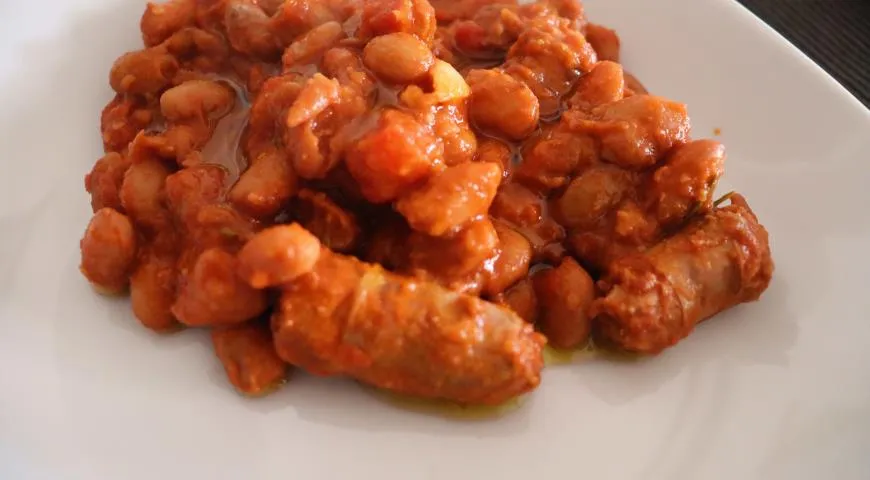
This rustic stew, born from the heart of Italian home cooking, marries tender white beans with juicy homemade sausages in a rich tomato–wine sauce. It is a dish that rewards patience: beans are soaked overnight, simmered until creamy, then finished in the same pan where the sausages have been browned and deglazed with red wine. The result is a deeply comforting, one-pan meal that fills your kitchen with the scent of rosemary, sage, and garlic. Whether served as a hearty main or a robust side, this recipe embodies the cucina povera philosophy of turning humble ingredients into something sublime.
About This Rustic Italian-Inspired Dish
In many Italian households, fagioli e salsicce (beans and sausages) is a winter staple that maximizes flavor with minimal fuss. The key lies in treating each component with respect: beans are cooked until soft but not mushy, sausages are browned to develop a caramelized crust, and the sauce is reduced to concentrate the aromatics. This dish is wonderfully adaptable—you can use dried cannellini or borlotti beans (as we do here) and any high-quality pork or chicken sausage. For an even richer depth, consider pairing it with a full-bodied red wine that stands up to the robust flavors. The slow simmer allows the beans to absorb the savory juices, creating a velvety texture that coats each spoonful.

Key Ingredients
- Dried white beans (cannellini or borlotti) – 300 g, soaked overnight
- Homemade sausages – 4-6 links, pricked with a fork
- Olive oil – 3 tablespoons, for sautéing
- Onion – 1 large, thinly sliced
- Garlic – 2 cloves, smashed (plus extra for the bean pot)
- Bay leaf – 1 leaf, for bean cooking
- Dry red wine – 120 ml, such as Chianti
- Fresh rosemary – 2 sprigs
- Fresh sage – 4-5 leaves
- Canned whole tomatoes (in their juice) – 400 g, crushed by hand
- Salt and black pepper – to taste
Step-by-Step Cooking Method
Step 1: Prepare the Beans
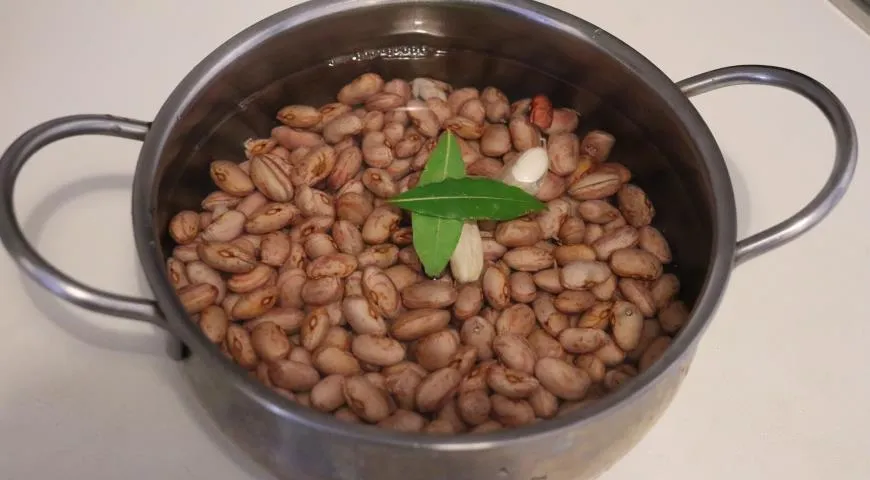
To speed up the cooking, soak the beans overnight in plenty of cold water. In the morning, drain and rinse them, then transfer to a large pot. Cover with fresh cold water and bring to a vigorous boil over high heat. For extra aroma, add 2 smashed garlic cloves and a bay leaf. Once boiling, reduce the heat to a gentle simmer and cook for about 50 minutes, or until the beans are tender but not falling apart. Tip: Salt the beans only at the end of cooking; adding salt earlier toughens the skins.
Step 2: Sear the Sausages and Build the Base
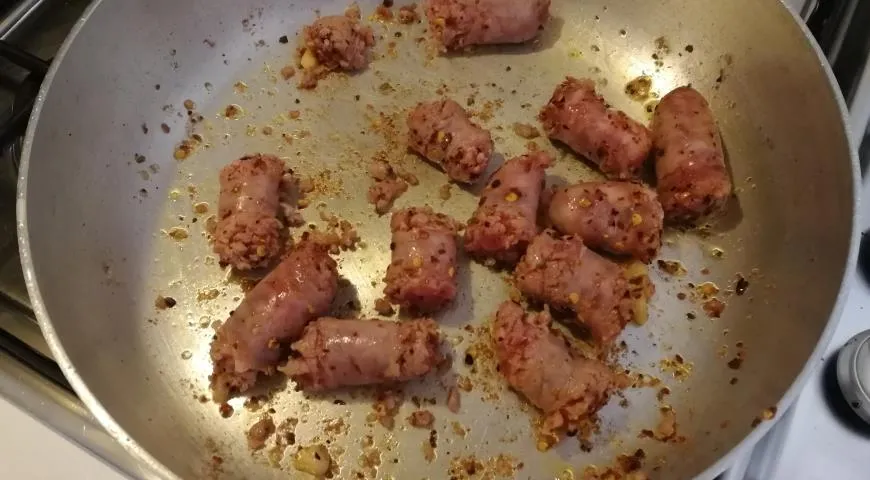
While the beans cook, thinly slice the onion and sauté it in a large skillet with olive oil over medium heat for 5–7 minutes until softened and translucent. Add the sausages to the pan and brown them on all sides for 3–4 minutes, turning carefully. Take care not to burn them. Once golden, pour in the red wine and let it bubble until completely evaporated—this deglazes the pan and infuses the sausages with a deep, fruity note. A quality olive oil sprayer can help distribute the oil evenly without overdoing it.
Step 3: Simmer the Sauce with Herbs and Tomatoes
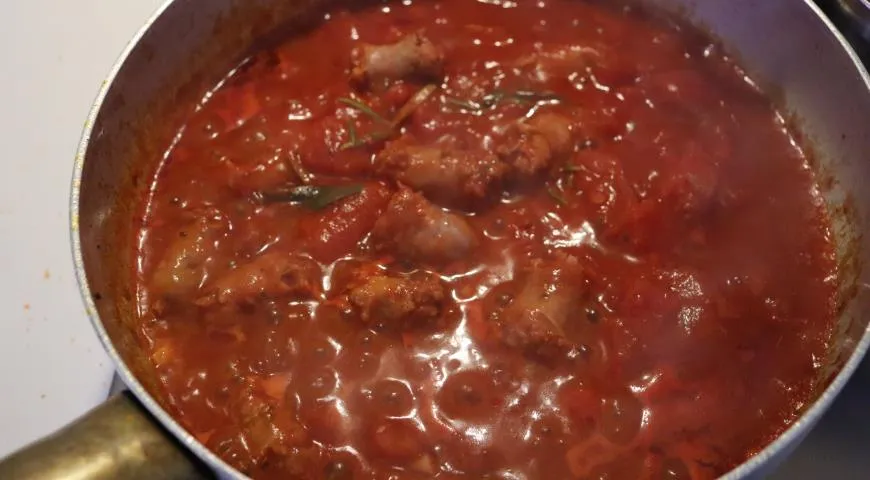
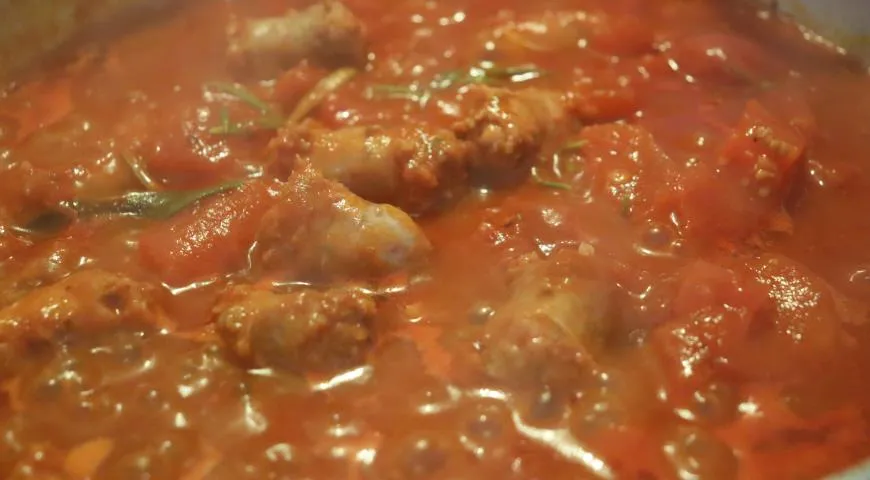
When the wine has evaporated, toss in the rosemary sprigs and sage leaves, then add the hand-crushed tomatoes along with their juices. Season with salt and pepper to taste. Stir everything together and let it cook uncovered over medium heat for 35–40 minutes, stirring occasionally. The sauce will thicken and the sausages will become meltingly tender. For an even richer flavor, you can use a large built-in refrigerator to store leftover beans—but you probably won’t have any!
Step 4: Combine and Finish
Once the sauce has thickened, drain the cooked beans (reserve a little cooking liquid if desired) and add them to the skillet. Fold gently to coat every bean with the rich sauce. Let everything simmer together for another 10–15 minutes, allowing the flavors to meld. Taste and adjust seasoning. If the stew seems too dry, add a splash of the reserved bean liquid. Serve hot, perhaps with crusty bread to soak up every last drop. This dish also pairs beautifully with a lightly dressed greens salad and a crisp wheatgrass juice for a fresh counterpoint—though a glass of the same red wine you used in cooking is always welcome.
Tips for Perfect Beans
- Soak thoroughly: An overnight soak (12–24 hours) dramatically reduces cooking time and helps the beans cook evenly. If you’re short on time, use a microwave pressure cooker for a quick soak cycle.
- Don’t salt early: As noted, salting before the beans are fully tender can make the skins tough. Add salt only in the last 10 minutes of cooking.
- Reserve liquid: The bean cooking water is full of starch and flavor; keep a cup aside to adjust the stew’s consistency without diluting taste.
- Choose the right sausage: Homemade sausages with a good fat content (around 20%) yield the best juiciness. If using store-bought, opt for Italian-style sweet or hot links.
- Make ahead: This stew tastes even better the next day. Store it in the refrigerator in an airtight container, then reheat gently. A steam canner is excellent for preserving larger batches.
Variations to Try
- Herb Swap: Replace rosemary and sage with thyme and oregano for a more Mediterranean profile.
- Smoky Version: Use smoked sausages and a pinch of smoked paprika to add a barbecue-like depth.
- Vegetarian Option: Omit the sausages and double the beans; add a handful of sun-dried tomatoes and a splash of balsamic vinegar for umami.
- Oven-Braised: After browning the sausages and adding tomatoes, transfer the skillet to a moderate oven (180°C) and braise for 40 minutes before adding beans. This frees up the stovetop and yields a beautifully caramelized top. An commercial countertop convection oven can do the job efficiently.
- Add Greens: Stir in a handful of chopped kale or Swiss chard in the last 5 minutes for extra nutrition and color.
Frequently Asked Questions
Can I use canned beans instead of dried?
Yes, for convenience, substitute two 400 g cans of cannellini beans (rinsed and drained). Reduce the cooking time in Step 1 to zero—just add them directly in Step 4 and simmer for 10–15 minutes. The texture will be less creamy, but the dish remains delicious.
What type of red wine works best?
A dry Italian red like Chianti, Barbera, or Sangiovese enhances the tomato and herb notes. Avoid overly oaky wines. If you don’t have wine, a splash of balsamic vinegar mixed with water can mimic the acidity. For a sweet twist, explore sweet wines with high alcohol content—though use sparingly.
Can I prepare this dish in a slow cooker?
Absolutely. Brown the sausages and onions in a skillet first, then transfer everything (including the soaked, pre-cooked beans and tomatoes) to a slow cooker. Cook on low for 4–6 hours or high for 2–3 hours. Add the herbs early but reserve the salt until the end.
How do I store leftovers and how long do they keep?
Cool the stew completely, then store in an airtight container in the refrigerator for up to 4 days. The flavors meld beautifully overnight. For longer storage, freeze in portion-sized containers for up to 3 months. Thaw overnight in the fridge before reheating. A undercounter ice maker is handy for quick chilling if you’re short on time.
Can I make my own homemade sausages for this recipe?
Certainly. Grind pork shoulder with fat (70/30 ratio), season with salt, pepper, fennel seeds, garlic, and a pinch of red pepper flakes. Stuff into natural casings. For safety, use a food thermometer to ensure sausages reach 71°C. A food processor for nut butter can also grind the meat if you don’t have a meat grinder.
Why did my beans turn out mushy?
Overcooking or using old beans (more than a year in storage) can cause mushiness. Start testing your beans after 30 minutes of simmering. Also, avoid stirring too vigorously once they are tender. For precise control, a refrigerant leak detector isn’t directly relevant, but keeping your beans in a cool, dry place helps maintain their quality.
What can I serve with this stew?
This dish is hearty enough on its own, but it pairs wonderfully with a slice of grilled sourdough, roasted vegetables, or a simple arugula salad. For a complete Italian feast, start with a bruschetta and finish with a light lemon sorbet.







