


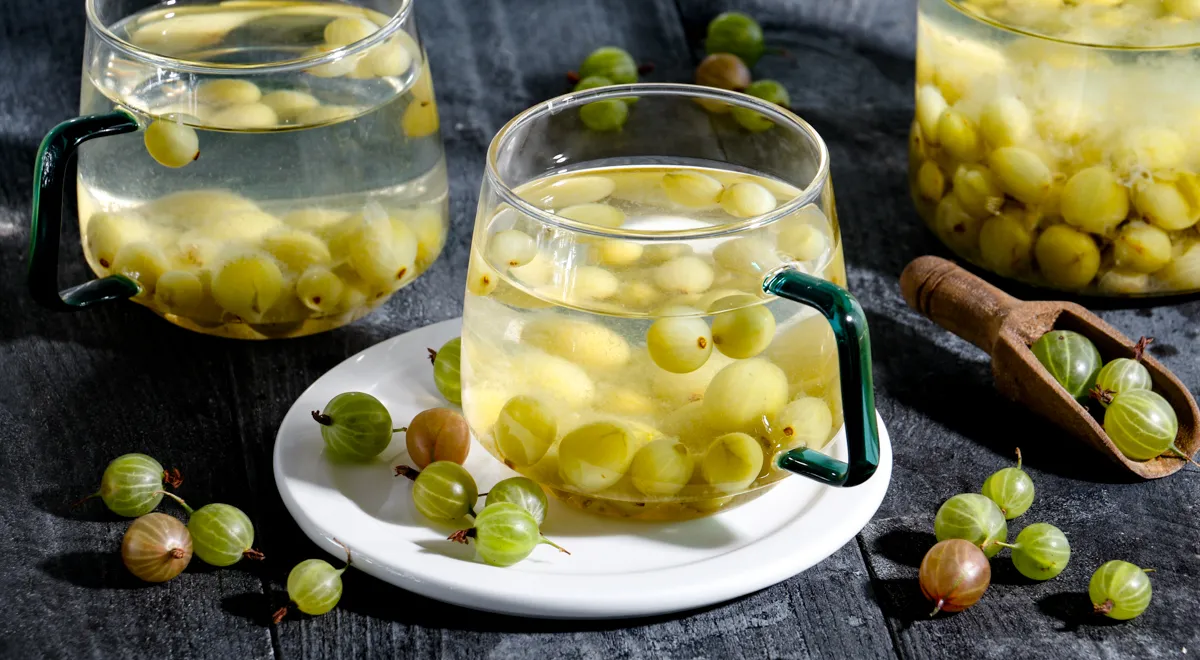
There is something deeply satisfying about capturing the essence of a sun‑drenched berry patch and sealing it into a jar for the cold months ahead. This gooseberry compote, a beloved staple of Russian home canning, delivers a brilliantly jewel‑toned drink that balances tartness with a whisper of sweetness. The recipe is remarkably straightforward, yet the result feels like a luxury—a glass of pure summer. Whether you are new to preserving or a seasoned canner, this method ensures a clean, stable compote that will brighten your pantry and your palate.
About This Recipe
Gooseberries are often overlooked in the world of fruit preserves, but their unique interplay of acidity and subtle floral notes makes them exceptional for compotes. Unlike heavily sweetened commercial versions, this compote lets the natural character of the berries shine. The preparation follows the time‑honored ''double‑pour'' technique: blanching the berries briefly in the jar, then replacing the water with a freshly boiled sugar syrup. This method not only infuses the fruit gently but also guarantees a pristine, shelf‑stable product without any artificial additives. For a reliable canning setup, consider investing in a best steam canner to streamline the sterilization process.

Ingredients
- 400 g fresh gooseberries (preferably firm, slightly under‑ripe)
- 250 g granulated sugar
- 2.6 L filtered water
- 1 x 3‑liter glass jar with a sterilizable lid
Step‑by‑Step Instructions
Step 1: Prepare the jar and lid.
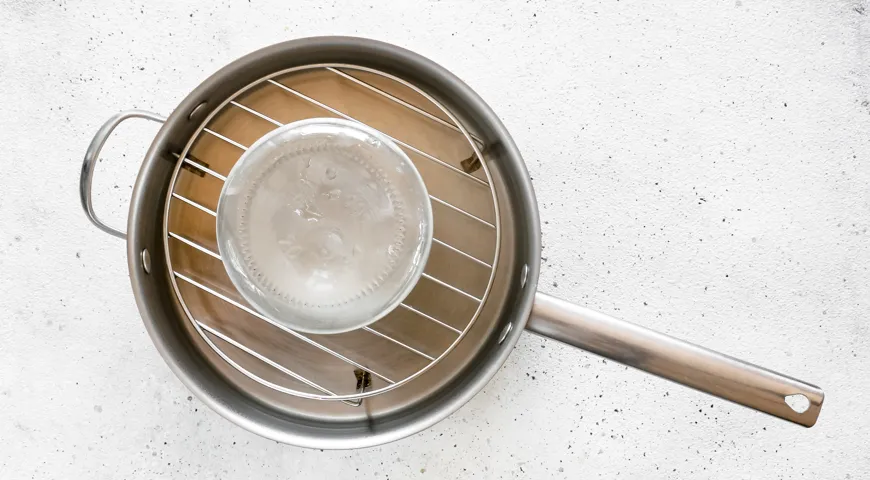
Thoroughly wash the 3‑liter jar and lid using baking soda or a grease‑cutting detergent. Sterilise the jar over steam or in an oven preheated to 120 °C. Simply boil the lid for a couple of minutes. A clean, sterile foundation is the most important factor for a long‑lasting compote.
Step 2: Prepare the gooseberries.
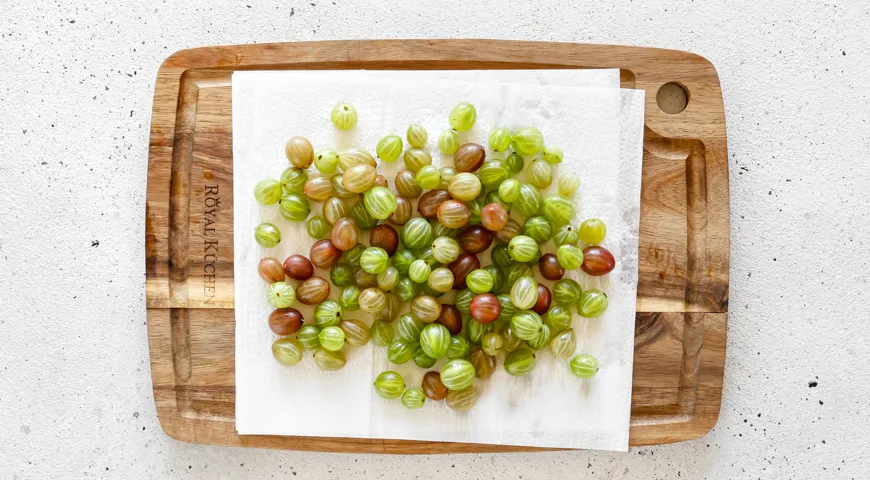
Pick through the berries, discarding any bruised or spoiled fruit. Snip off the small stems and blossom ends from each side. Rinse the gooseberries under cold running water, then spread them on a double layer of paper towels to air‑dry completely.
Step 3: First pour — blanch the berries.
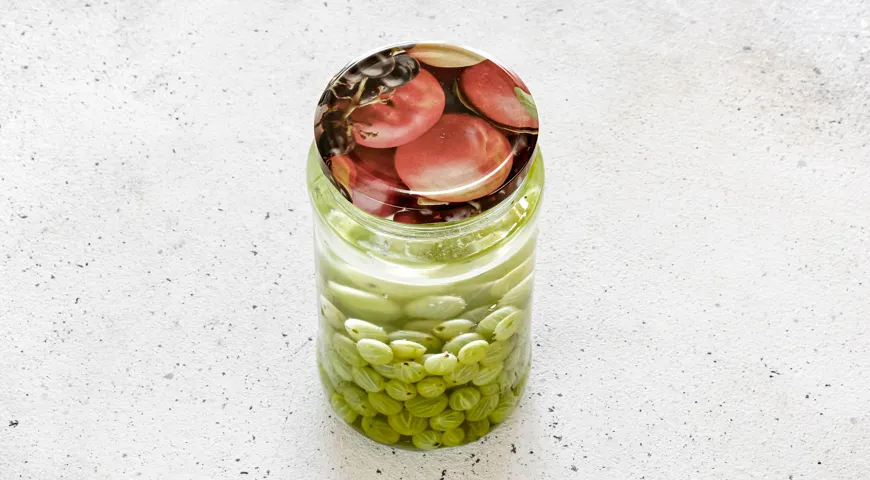
Pour the dry gooseberries into the sterilised jar using a wide‑neck funnel. Cover loosely with the lid and let stand for 30 minutes. Meanwhile, bring 2.6 L of water to a rolling boil. After 30 minutes, drain the water from the jar into a saucepan (a special lid with holes makes this effortless). This water now carries the first blush of flavor from the berries.
Step 4: Make the sugar syrup.
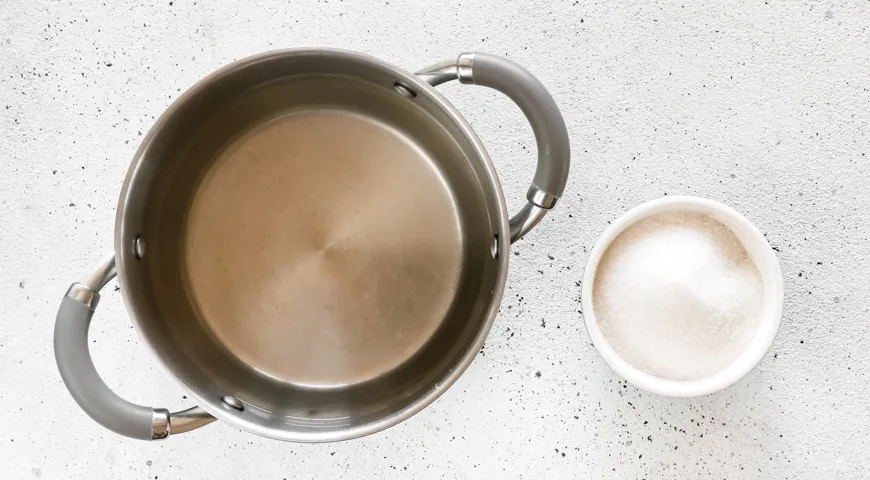
Add the 250 g of sugar to the drained water in the saucepan. Place over high heat and bring to a boil, stirring until the sugar is completely dissolved. Let the syrup boil vigorously for about three minutes. A clean best non‑toxic immersion blender isn't needed here, but a good whisk helps ensure no sugar grains remain.
Step 5: Second pour — fill and seal.
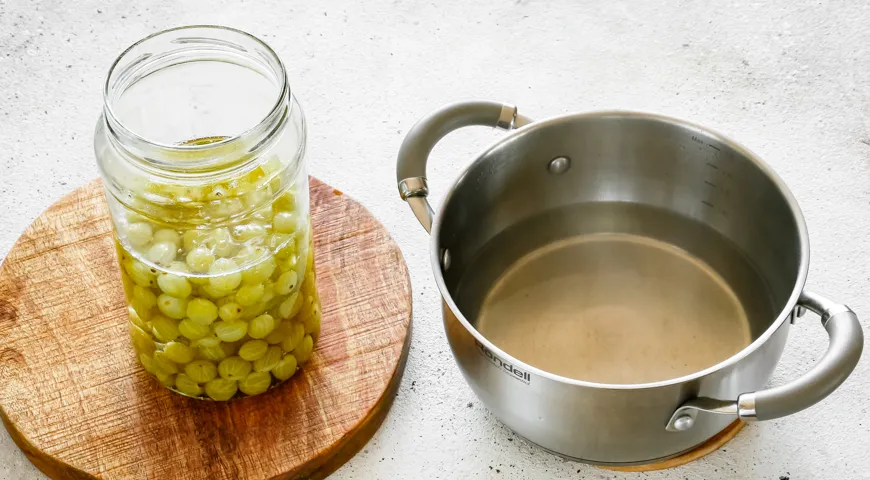
Place the jar of gooseberries on a heat‑resistant surface (a wooden board or silicone mat). Slowly pour the boiling syrup into the jar, filling it to about 1 cm from the rim. Immediately close with the sterilised lid and screw tightly. The hot syrup will create a vacuum seal as it cools.
Step 6: Cool and store.
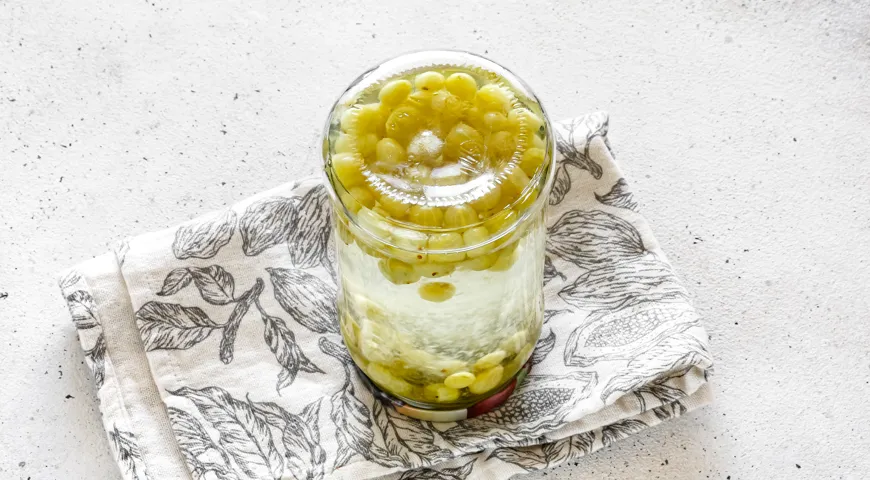
Wearing oven mitts, carefully invert the jar onto a folded kitchen towel. Wrap it thoroughly in the towel and let it cool completely at room temperature. Once cool, check that the lid is concave and immovable. Store in a cool, dark place—no refrigeration necessary. A best undercounter ice maker machine can keep your compote chilled when you serve it later.
Tips for Perfect Gooseberry Compote
- Always use firm, just‑ripe berries; overripe gooseberries will turn mushy and cloud the compote.
- If you prefer a sweeter compote, increase the sugar to 300 g, but remember that tartness is part of the charm.
- To avoid jar breakage, never pour boiling syrup into a cold jar—warm the jar first by rinsing with hot water after sterilization.
- For a clearer compote, strain the syrup through a fine‑mesh sieve before the final pour.
- A best air fryer non‑toxic is unrelated to canning, but a reliable thermometer can help you monitor syrup temperature if you want precision.
Variations
This basic compote welcomes creative twists. Add a vanilla bean or a cinnamon stick to the jar before pouring the syrup for a spiced version. For a more complex flavor, replace 500 ml of water with apple juice—try using a best wheatgrass juicer for fresh juice, though a good apple juice works too. You can also mix gooseberries with a handful of raspberries or blackcurrants for a berry medley compote. If you enjoy a hint of herb, tuck a sprig of mint or lemon balm into the jar.
FAQ
Can I use frozen gooseberries for this compote?
Yes, but the texture will be softer. Thaw the berries completely, then follow the recipe, reducing the initial hot‑water blanch time to 10 minutes. The compote may be slightly cloudier but still delicious.
How long does this compote keep?
Properly sealed and stored in a cool, dark place, it will keep for up to one year. Once opened, refrigerate and consume within a week. For long‑term storage, a best 48‑inch built‑in refrigerator can accommodate many jars.
Why did my compote ferment?
Fermentation usually indicates an insufficient seal or under‑sterilized equipment. Always use clean, hot jars and lids, and ensure the lid is screwed on tightly after filling. If you see bubbles or a hiss when opening, discard the compote.
Can I reduce the sugar?
You can cut the sugar to 200 g, but the compote may taste very tart and the preservation properties of sugar will be slightly reduced. For a lower‑sugar alternative, consider using a best microwave pressure cooker to make a small batch and consume within a few weeks.
What if I don’t have a 3‑liter jar?
Divide the ingredients proportionally into smaller jars—for example, use three 1‑liter jars. Adjust the boiling time for each jar proportionally. Smaller jars also make great gifts. A best food processor for nut butter isn't needed here, but a sturdy jar lifter is helpful for handling hot jars.
Can I reuse the gooseberry seeds?
After draining the compote, the berries can be used as a topping for yogurt or ice cream. The seeds are edible but may be slightly crunchy. For a smoother texture, you can strain the berries through a sieve—a task made easier with a best planetary mixer fitted with a strainer attachment.
Is it necessary to invert the jars?
Inverting helps create a vacuum seal by allowing the hot syrup to contact the lid’s inner surface. While not mandatory, it is a traditional and reliable technique. If you prefer not to invert, ensure the lids are very hot before closing. A best espresso machine under 2000 won't help with canning, but a simple jar tong is invaluable.
What can I serve with gooseberry compote?
This compote is a refreshing drink on its own, but it also makes a lovely base for cocktails, sorbets, or a sauce for pancakes and cheesecake. For a festive touch, serve it chilled with a splash of vodka—a best sweet wine with high alcohol content can be a delightful pairing.
How do I know if the seal is good?
After the jar cools completely, press the center of the lid. It should not flex or pop. A concave lid that stays down indicates a proper vacuum seal. If the lid pops up and down, consume the compote within a few days or reprocess with a new lid.
Can I add lemon juice for extra tartness?
Absolutely. The juice of half a lemon added to the syrup brightens the flavor and can help preserve the bright pink color of the berries. For a zesty twist, add thin lemon slices to the jar before pouring the syrup.
What if my gooseberries are very small?
Small gooseberries work perfectly—they may even be more flavorful. You do not need to cut them; just leave them whole. A pa de pessic catalan sponge recipe could be a nice side for a dessert pairing with the compote.
Can I use this method for other berries?
Yes! This double‑pour method works beautifully for red currants, blackberries, or a mix of summer berries. Adjust the sugar according to the natural sweetness of the fruit. For larger fruits like plums, you may need to blanch them longer.
How do I remove the stems efficiently?
Scissors or small kitchen shears are the fastest tool for snipping stems. If you have a best castor oil—well, that’s for something else—but sharp shears are a canner’s friend.
What if the compote turns cloudy?
Cloudiness is usually caused by starches from under‑ripe berries or by stirring the syrup too vigorously. It is harmless, but for a crystal‑clear compote, use fully ripe gooseberries and avoid disturbing the jar after sealing.
Can I double the recipe?
Certainly. Multiply all ingredients proportionally and prepare multiple jars. Make sure your canning pot is large enough to hold all jars. A best commercial countertop convection oven can be used for sterilizing many jars at once if your oven is large enough.







