


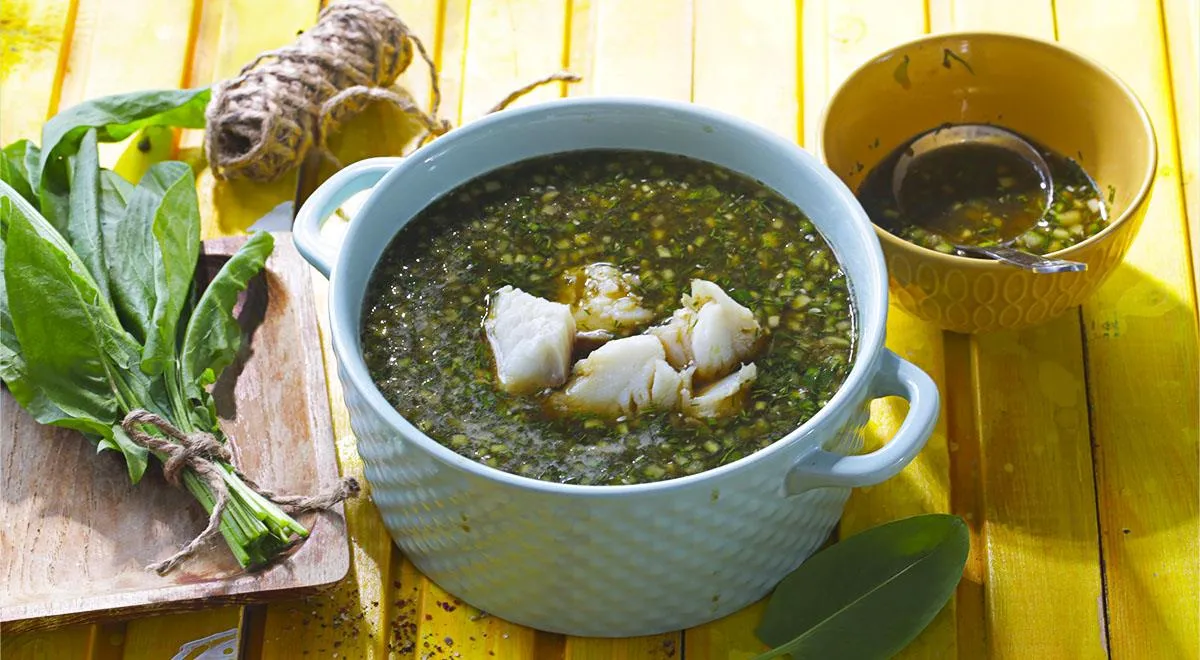
In the pantheon of Russian culinary heritage, few dishes evoke the romance of a bygone era quite like botvinya—a cold, herbaceous soup that was once the darling of 19th-century aristocrats. This reinterpretation, Fish Botvinya with Sorrel and Nettle, revives a forgotten delicacy, transforming humble garden greens into an elegant, refreshing summer repast. The interplay of tangy kvass, earthy nettle, and bright sorrel, paired with delicate fish, creates a symphony of flavors that is as refined as it is rustic.
About This Dish
Botvinya, derived from the Russian word botva (meaning leafy tops), is a testament to the resourcefulness of old Russian cooks. Originally a labor-intensive appetizer, it has evolved into a sophisticated cold soup perfect for warm weather. The base is a light, balanced bread kvass—neither too tart nor too sweet—infused with pureed greens like sorrel, nettle, beet tops, or carrot leaves. This version uses sorrel and nettle for a vibrant, mineral-rich profile, and pairs it with poached fish for a protein-packed lunch. Learn more about the history of cold soups in Russian cuisine.

Ingredients
- 1.5 liters light bread kvass
- 200 g young sorrel
- 200 g young nettle (wear gloves when handling)
- 2 medium cucumbers
- 1 garlic clove
- 4–5 stalks green onion
- Small bunch fresh dill
- Salt to taste
- 300 g filleted white fish (e.g., pike-perch or cod)
For the best results, use high-quality, non-toxic kitchen tools. Consider a reliable immersion blender for pureeing the greens and a spacious refrigerator for chilling the soup.
Step-by-Step Instructions
-
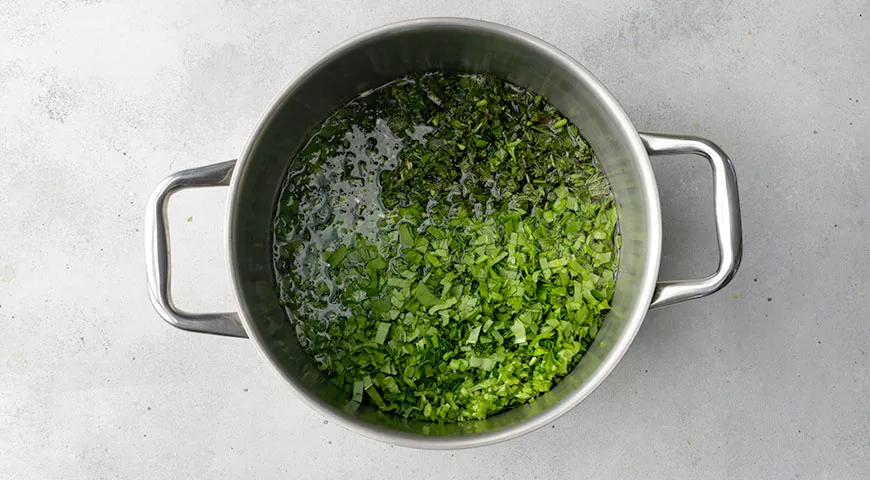
Prepare the greens: Rinse the sorrel and nettle thoroughly. Chop coarsely and place in a large pot. Add 500 ml water and bring to a boil over high heat. Salt lightly, reduce heat, and simmer for 10 minutes. Drain, reserving the cooking liquid. Using an immersion blender, purée the greens until smooth. Return the liquid to the pot and let cool completely.
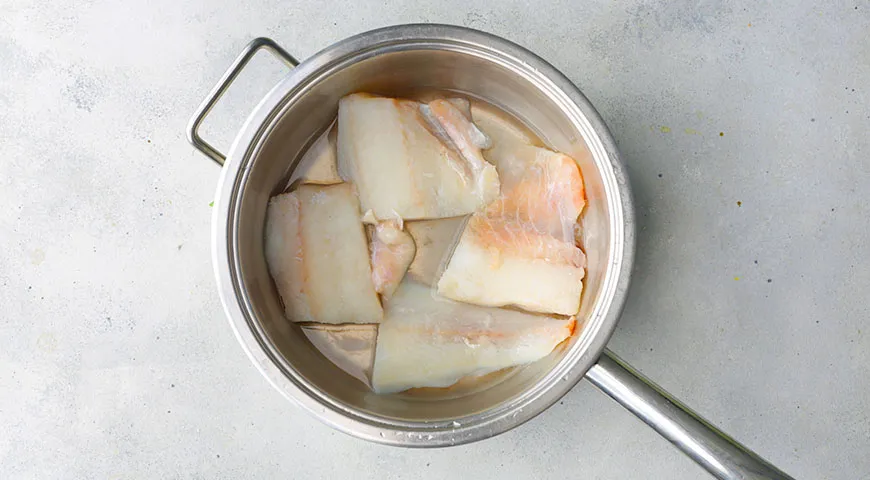
- Cook the fish: Place the fish fillets in a small saucepan. Add 150 ml water and a pinch of salt. Cover and cook over medium heat for 15 minutes, until the fish is opaque and flakes easily. Allow to cool to room temperature, then break into bite-sized pieces. For precision cooking, a microwave pressure cooker can speed up this step.
-
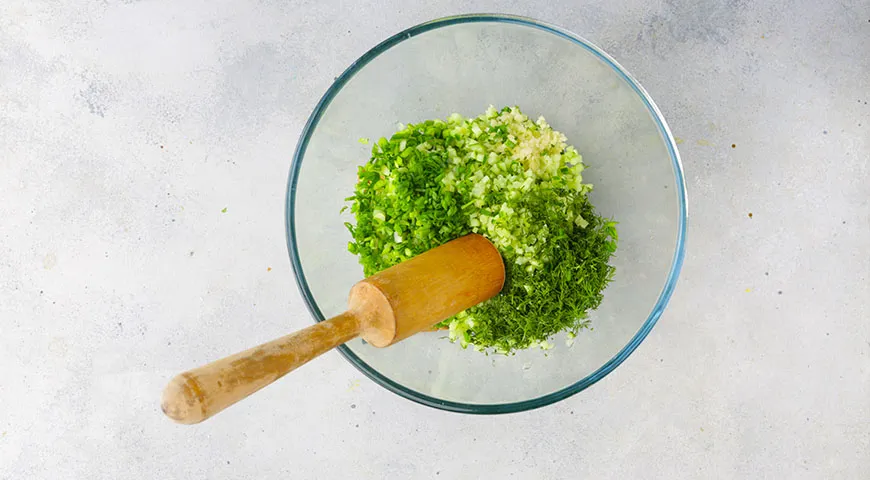
Build the flavor base: Finely chop the green onions, dill, and garlic. Transfer to a mixing bowl. Dice the cucumbers and add to the bowl. Season with salt and use a potato masher or fork to gently mash everything together—this releases the cucumber juices and melds the aromatics. Add this mixture to the pot with the cooled greens and cooking liquid. Pour in the 1.5 liters of kvass and stir well. Refrigerate for at least 1 hour to allow the flavors to marry.
-
Assemble and serve: Ladle the chilled botvinya into bowls. Top with the flaked fish. Garnish with extra dill sprigs if desired. Serve immediately.
Tips for Perfect Botvinya
- Use light, not sour kvass—homemade or store-bought. Avoid heavily sweetened versions.
- Nettle must be young and handled with gloves until blanched to remove sting.
- For a vegetarian version, omit fish and add diced radishes and boiled eggs.
- Chill the soup for at least 2 hours; overnight is even better for depth.
- Invest in a versatile food processor for quick chopping, or a top-tier espresso machine for an after-dinner treat—though unrelated, quality tools elevate the kitchen experience.
Variations
Botvinya is endlessly adaptable. Swap sorrel and nettle for beet tops and spinach. Add a dollop of sour cream for richness. Use smoked fish instead of poached for a deeper flavor. For a modern twist, replace kvass with a sweet, high-alcohol wine—though unconventional, it creates a unique fusión. Explore Catalan sponge cake recipes for a dessert pairing.
Frequently Asked Questions
What is botvinya?
Botvinya is a classic Russian cold soup made from kvass, pureed greens, and often fish or seafood. It dates back to the 17th century and was a favorite of the nobility.
Can I use frozen nettle?
Yes, frozen nettle works well. Thaw and squeeze out excess water before cooking. A wheatgrass juicer can also extract nettle's vibrant juice for an even smoother base.
Is botvinya served hot or cold?
Always cold—it is a refreshing summer dish. Ideal on a 30°C day. A non-toxic air fryer has no place here, but it’s perfect for accompanying hot sides.
How long does botvinya keep?
Store in the refrigerator for up to 2 days. The flavors improve overnight. Use an undercounter ice maker to keep it extra cold when serving guests.
Can I make botvinya vegan?
Absolutely. Omit the fish and add avocado or tofu cubes. The kvass provides umami. For a protein boost, consider chocolate-covered raisins as a whimsical garnish—though more of a dessert twist.
Serving Suggestions
Serve botvinya as a light starter or main course alongside dark rye bread and a crisp white wine. For a complete summer menu, pair with home-canned vegetables or a robust coffee maker to brew a post-meal espresso.
Conclusion
Fish Botvinya with Sorrel and Nettle is more than a recipe—it’s a revival of Russia’s gastronomic past. Its bright, herbaceous notes and velvety texture make it a masterpiece of elegant simplicity. Whether you’re a seasoned cook or a curious explorer, this dish invites you to taste history. For more kitchen inspiration, check out planetary mixers and refrigerant leak detectors to keep your kitchen running smoothly.







