



There are few things more satisfying than transforming humble root vegetables into a plate of golden, crispy patties. This recipe elevates the classic Russian kotletki—typically made from minced meat—into a vibrant, vegetable-forward version that bursts with flavor. Carrots, potatoes, and onions are combined with millet porridge and a touch of cornstarch, then deep-fried to perfection. The accompanying creamy herb sauce, made with yogurt and mayonnaise, adds a refreshing contrast. This dish is perfect as an appetizer, a light main course, or a crowd-pleasing side. The secret lies in the texture: the patties are crisp on the outside while remaining tender and juicy within. Every bite is a celebration of simple, wholesome ingredients. For best results, use a reliable glass food processor to shred the vegetables quickly and evenly—this ensures a uniform texture that binds beautifully. Let’s dive into this delicious recipe that has its roots in Russian home cooking but is sophisticated enough for any modern table.
About the Recipe
Vegetable patties are a beloved staple across Eastern Europe, often enjoyed during Lent or as a lighter alternative to meat cutlets. This particular version hails from a tradition of using whatever produce is on hand—carrots, potatoes, and onions—mixed with a cooked grain like millet to add body. The millet porridge (pšennaya kasha) acts as a binder and creates a soft, satisfying interior. Deep-frying gives the patties a glorious golden crust without drying them out. The yogurt-and-mayo sauce, spiked with fresh herbs and garlic, cuts through the richness and adds a bright, tangy note. Whether you are looking for a creative way to eat more vegetables or simply want to impress dinner guests, these kotletki deliver. To keep your cooking tools in top shape, consider reading about the best non-toxic immersion blender for making the sauce silky smooth.

Ingredients
- 400 g carrots, peeled
- 300 g potatoes, peeled
- 1 large onion (200 g), peeled and finely chopped
- 4 cloves garlic (20 g), peeled
- 3 tbsp (80 g) cooked thick millet porridge (cooled)
- 1 tbsp (15 g) cornstarch
- 2 large egg yolks
- Vegetable oil for deep-frying
- Salt and freshly ground black pepper to taste
For the cream herb sauce:
- 125 g natural yogurt (full-fat)
- 100 g mayonnaise (preferably ''Provencal'' style)
- 4 cloves garlic (20 g), peeled
- Large handful of fresh herbs (parsley, dill, cilantro – about 20 g)
- Salt to taste
Using a high-quality food processor to shred the vegetables will save you time and energy.
Step-by-Step Instructions
Step 1: Prepare the Onion Base
Heat 2 tablespoons of oil in a skillet over medium heat. Add the finely chopped onion and sauté for 10 minutes, stirring occasionally, until soft and lightly golden. Set aside to cool slightly.
Step 2: Shred the Root Vegetables and Garlic
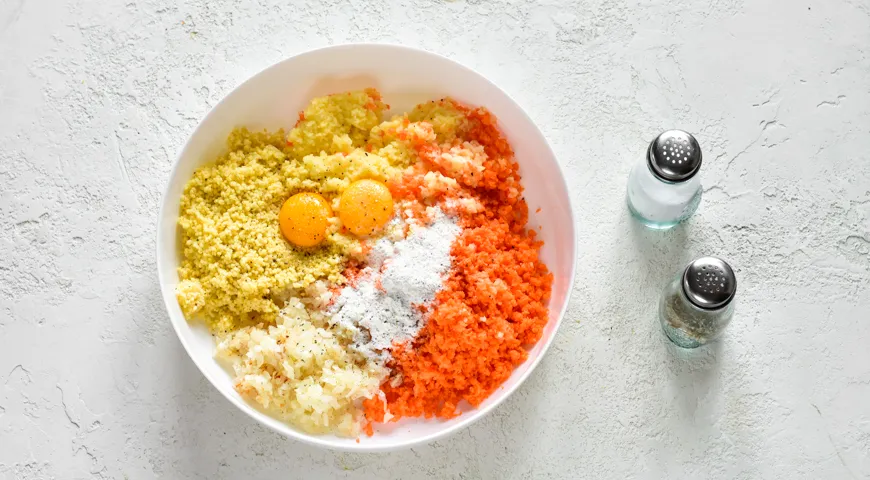
Peel the carrots, potatoes, and garlic cloves. Pass them through a meat grinder or use a food processor fitted with a grating disc. If using a manual grater, choose the large-hole side for carrots and potatoes, and a fine one for garlic. This step is crucial for achieving a uniform mixture.
Step 3: Combine and Season the Mince
In a large mixing bowl, combine the shredded vegetables with the sautéed onion, cooked millet porridge, egg yolks, cornstarch, salt, and freshly ground black pepper. Use your hands or a spoon to mix thoroughly until the mixture holds together when pressed. If it feels too wet, add a little extra cornstarch.
Step 4: Shape and Chill the Patties
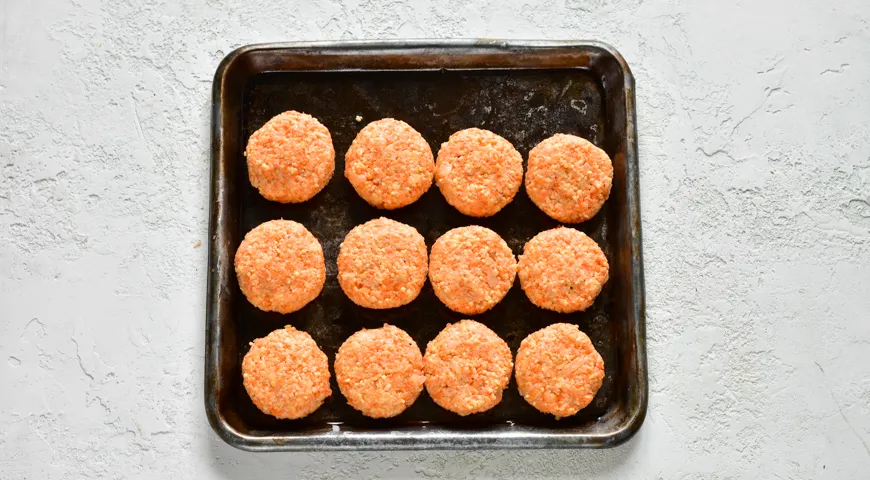
Wet your hands with cold water to prevent sticking. Shape the vegetable mince into small round patties, about 4 cm in diameter. Place them on a lightly oiled tray or baking sheet. Refrigerate for 15–30 minutes—this firms them up and helps them hold their shape during frying.
Step 5: Make the Creamy Herb Sauce
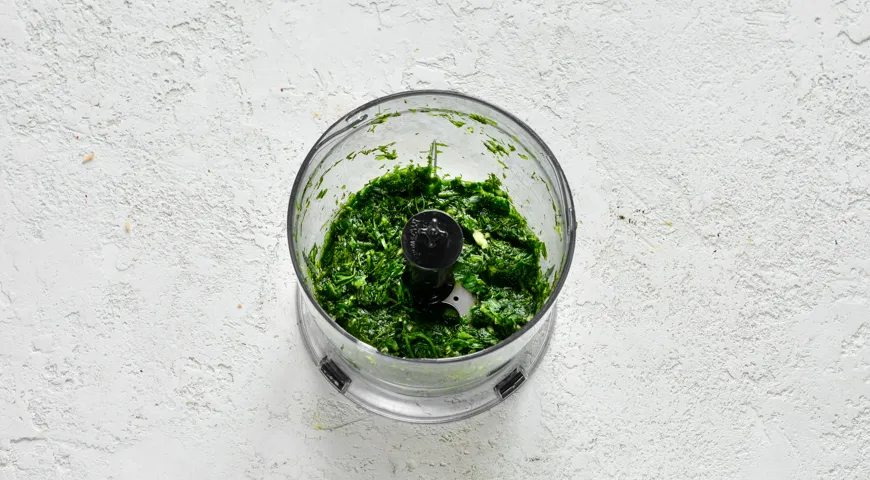
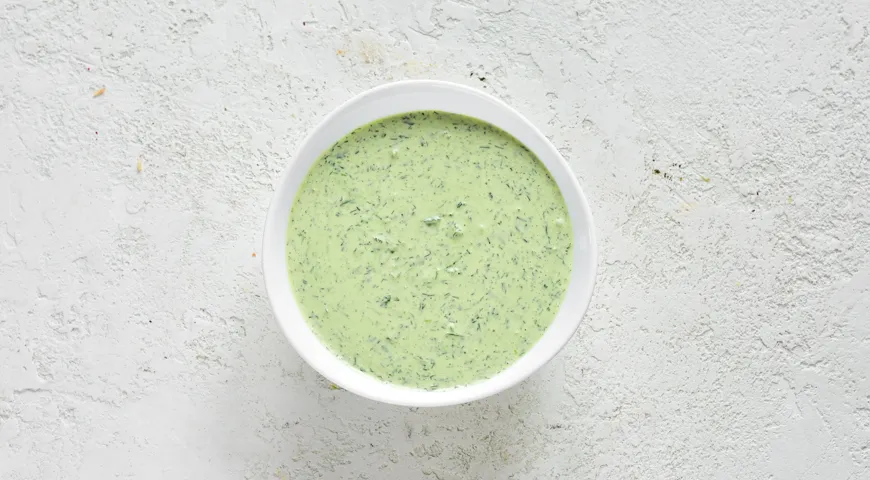
While the patties chill, prepare the sauce. Roughly chop the fresh herbs and peel the garlic. Place them in a blender jar, add a pinch of salt, and let sit for 5 minutes. Then blend into a smooth green paste. In a small bowl, combine the herb paste with yogurt and mayonnaise. Stir until homogeneous. Season with salt and pepper to taste. Refrigerate until serving. The sauce can be made a day ahead for deeper flavor.

Step 6: Deep-Fry the Patties
Pour oil for deep-frying into a heavy-bottomed pot or deep fryer and heat to 180°C (350°F). Working in batches, carefully lower the chilled patties into the hot oil. Fry for 2–3 minutes per side, or until deep golden brown and crisp. Transfer to a plate lined with paper towels to drain excess oil. Serve immediately with the chilled herb sauce. For a healthier option, consider using an air fryer—spray the patties with oil and cook at 200°C for 10–12 minutes, flipping halfway.
Tips for Perfect Vegetable Patties
- Moisture control: After shredding, if the potatoes release too much liquid, squeeze them gently in a clean kitchen towel before mixing. This prevents the patties from falling apart.
- Chilling is non-negotiable: The 15–30 minute rest in the refrigerator sets the starch and fat, making the patties easier to handle and less likely to absorb excessive oil.
- Oil temperature: Maintain a steady 180°C. If the oil is too cool, the patties will be greasy; if too hot, they will burn on the outside before cooking through. Use a kitchen thermometer to be precise.
- Batch frying: Do not overcrowd the pot—this lowers the oil temperature. Fry 4–6 patties at a time depending on your pot size.
- Alternative binders: If you don't have millet porridge, substitute with cooked quinoa, mashed potatoes, or even stale breadcrumbs soaked in milk.
- Maintain your equipment with guidance from our microwave pressure cooker review to keep side dishes quick.
Variations
This base recipe is wonderfully versatile. Try these twists:
- Add greens: Stir in 100 g of finely chopped spinach or kale (blanched and squeezed dry) for extra color and nutrients.
- Spice it up: Add a teaspoon of smoked paprika, cumin, or chili flakes to the vegetable mince for a smoky or spicy kick.
- Cheese filling: Place a small cube of mozzarella or feta cheese in the center of each patty before shaping—pure indulgence.
- Baked version: Instead of deep-frying, brush patties with oil and bake at 200°C (400°F) for 20–25 minutes, flipping once. They will be less crisp but still delicious.
- Serve as sliders: Place a patty on a small bun with lettuce and a dollop of the herb sauce for a vegetarian burger.
If you enjoy exploring plant-based textures, check out our Catalan sponge recipe for a sweet contrast.
FAQ
Can I make these patties gluten-free?
Yes, the recipe is already gluten-free as written (no wheat flour). Just ensure the cornstarch is pure and the millet porridge is cooked from certified gluten-free grains. Also check that your mayonnaise is gluten-free.
How do I store leftover patties?
Refrigerate cooked patties in an airtight container for up to 3 days. Reheat in a 180°C oven or air fryer to restore crispness. Avoid microwaving as it will make them soggy.
Can I freeze uncooked patties?
Absolutely. Shape the patties, place them on a parchment-lined tray, and freeze until solid. Transfer to a freezer bag. Fry directly from frozen, adding an extra minute to the cooking time. This is perfect for meal prep.
What if I don’t have millet porridge?
Replace with an equal amount of cooked quinoa, couscous, or even leftover mashed potatoes. The grain acts as a binder—any starchy cooked grain works well. You can also use fine breadcrumbs (soaked in a little water) or rolled oats.
Why did my patties fall apart during frying?
This usually happens if the mixture is too wet or if the oil wasn’t hot enough. Make sure you squeeze excess moisture from the vegetables and chill the patties thoroughly. Also, avoid moving them too soon in the oil—let the crust set first.
Can I use a different oil for deep-frying?
Yes, choose an oil with a high smoke point such as sunflower, canola, or peanut oil. For a subtle flavor, try refined coconut oil. Remember that reusing oil multiple times can degrade its quality; use fresh oil for best results. Discover the best oil sprayer if you opt for baking.
What herbs work best for the sauce?
A mix of parsley and dill is classic, but cilantro adds a bright twist. You can also use basil, mint, or tarragon. The key is to use fresh herbs—dried will not yield the same vibrant green paste.
Is this recipe suitable for a vegan diet?
With minor modifications: replace egg yolks with 2 tablespoons of flaxseed meal mixed with 6 tablespoons of water (let sit for 5 minutes). Use a vegan mayonnaise alternative and plant-based yogurt. The patties will still hold together beautifully.
Conclusion
These crispy vegetable patties are a testament to the beauty of simple, seasonal ingredients. The interplay of earthy carrots, creamy potatoes, and the subtle sweetness of caramelized onion, all wrapped in a shatteringly crisp crust, is irresistible. The creamy herb sauce—bright with garlic and fresh herbs—elevates every bite. Whether you serve them as a hearty main, a party appetizer, or a side dish, these kotletki will disappear quickly. Experiment with variations to suit your palate, and don't be afraid to double the batch—they freeze beautifully. For more kitchen inspiration, browse our reviews of the best espresso machines under $2000 for your morning brew. Enjoy the crunch!
Links to further resources: planetary mixer, organic vodka, countertop convection oven, steam canner, undercounter ice maker, George Howell coffee.







