


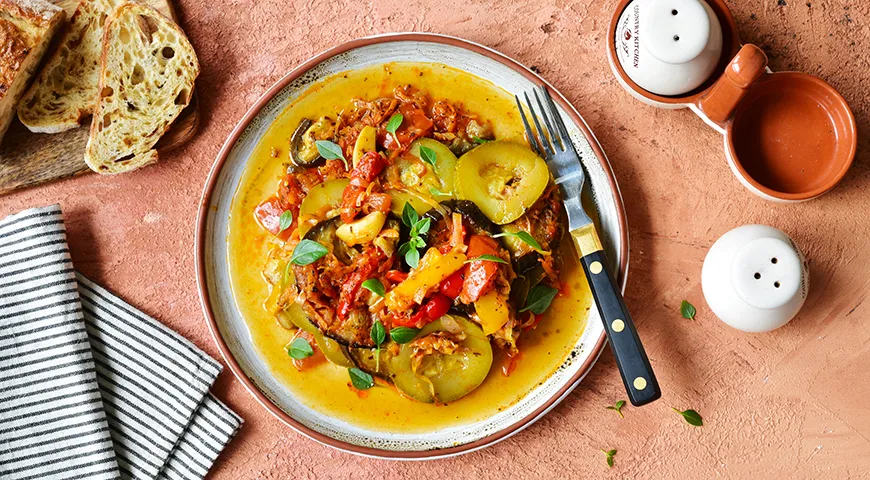
There is a quiet genius in simplicity—a philosophy that the celebrated Russian chef Anatoly Komm embodies in this remarkable dish. While these cold baked vegetables may begin as a component in one of his complex restaurant creations, they have become a beloved staple in his home kitchen. "It’s best to eat them about eight hours after cooking, if you have the patience," Komm advises, hinting at the transformative magic that occurs as flavors meld and deepen overnight. This recipe invites you to slow down, embrace patience, and discover the sublime pleasure of vegetables roasted to tender perfection then served at room temperature—a dish that transcends seasons and occasions.
About This Recipe
Anatoly Komm, a visionary in modern Russian gastronomy, is known for pushing culinary boundaries. Yet this recipe returns to essentials: high-quality produce, precise technique, and the alchemy of time. The vegetables are partially pre-cooked on the stovetop, then layered and baked at a low temperature (135°C) in a covered pot. Finally, they are cooled completely—preferably overnight—allowing the juices to concentrate and the flavors to harmonize. The result is a medley of sweet, savory, and tangy notes that can be enjoyed as a side dish, a light main course, or a base for other creations. For those seeking non-toxic kitchen tools to elevate your cooking, the right equipment makes all the difference.

Ingredients
- 2 medium eggplants (400 g)
- 1 large carrot (200 g)
- 1 medium leek stalk, white part (150 g)
- 1 medium onion (100 g)
- 1 medium sweet bell pepper (150 g)
- 2 medium tomatoes (200 g)
- 1 large zucchini
- 1 head of garlic (100 g)
- Juice of 1 large lemon (40–50 g)
- Vegetable oil, for cooking
- Salt, to taste
- Freshly ground black pepper, to taste
All measurements are metric to ensure precision. For consistent results, weigh your produce on a reliable kitchen scale (though the link there is about castor oil, you get the idea—use a proper digital scale).
Step-by-Step Preparation
Follow these steps carefully, and you’ll achieve the same deep, layered flavor that defines Komm’s cooking.
Step 1: Prepare the Eggplants
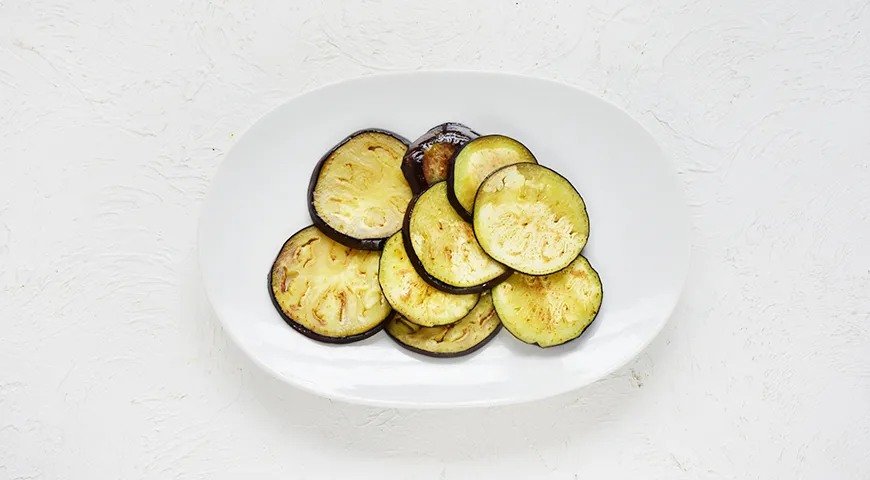
Slice the eggplants into rounds no thicker than 0.5 cm. Heat a large dry skillet over medium heat and fry the slices until lightly browned on both sides. No oil is needed at this stage—the dry heat concentrates flavor. Transfer the cooked eggplant rounds to a plate and set aside.
Step 2: Sauté the Aromatics
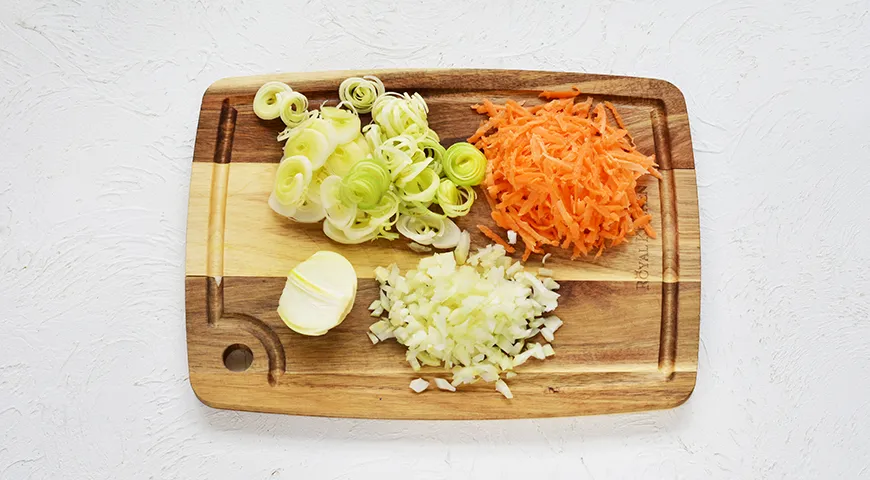
Peel the carrot and grate it on the large holes of a box grater. Thinly slice the leek (white part only) and finely dice the onion. Add a splash of vegetable oil to the same skillet (or a fresh one), then add the carrot, leek, and onion. Sauté over medium heat for 5 minutes, stirring occasionally, until softened and fragrant.
Step 3: Add the Pepper, Tomatoes, and Lemon
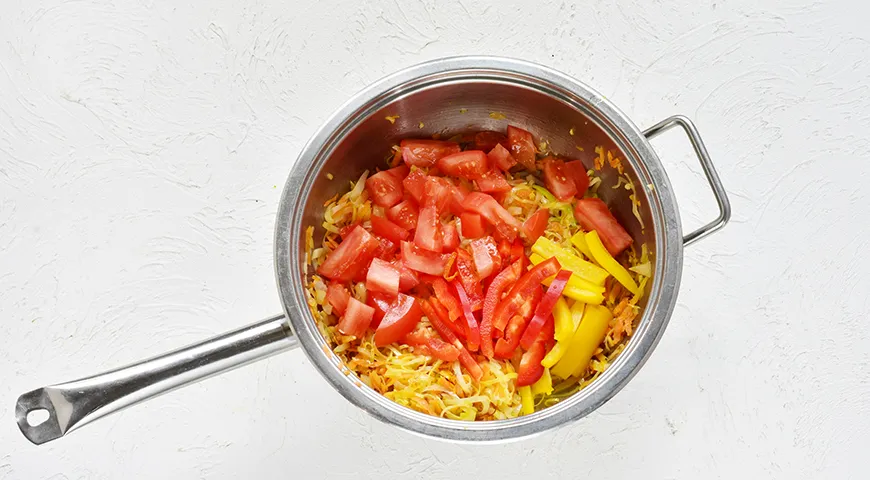
Remove the seeds and membranes from the sweet bell pepper and cut the flesh into wedges. Chop the tomatoes into medium pieces. Add both to the skillet along with the lemon juice. Season with salt and pepper. Continue sautéing for another 5 minutes—the tomatoes will release their juices, creating a natural sauce.
Step 4: Final Stovetop Seasoning
Now is the time to personalize the dish. Add your favorite spices—Komm suggests something aromatic but not overpowering, like dried herbs or a pinch of smoked paprika. Stir well and cook for another 5 minutes. The goal is not to fully soften the peppers; they should retain a slight bite, as they will continue cooking in the oven.
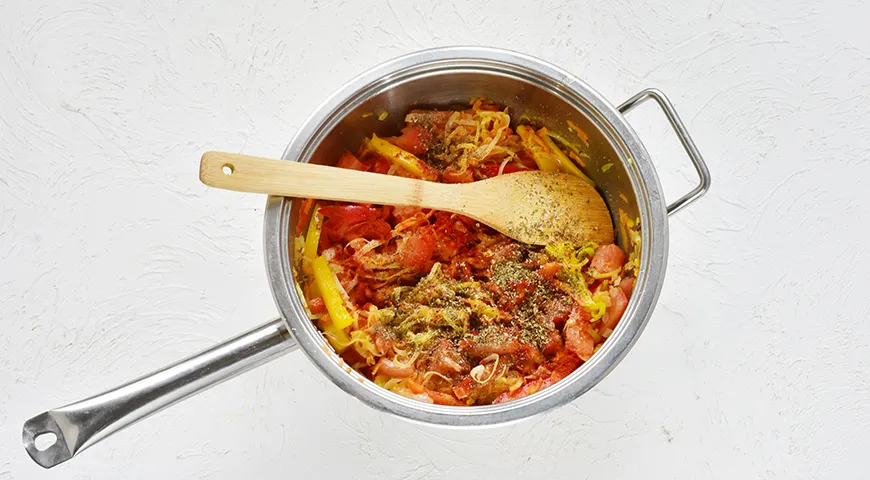
Step 5: Preheat and Prepare the Pot
Preheat your oven to 135°C (275°F). Meanwhile, slice the zucchini into thin rounds (about 0.3 cm) and peel the garlic cloves, leaving them whole. Choose a heavy pot with a tight‑fitting lid—a Dutch oven, goose pan, or cast‑iron casserole works beautifully. Add a thin layer of vegetable oil to the bottom.
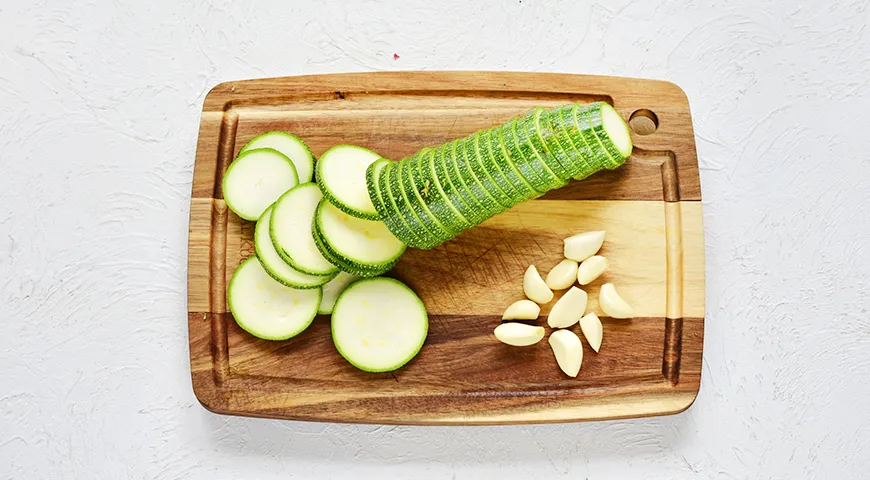
Step 6: Layer and Bake
Divide the stovetop vegetable mixture into three equal parts. Begin layering: spread one part of the mixture in the pot, then arrange a layer of zucchini rounds and eggplant slices. Repeat with another portion of mixture, more zucchini and eggplant, and finally top with the last of the mixture. Press the garlic cloves into the vegetables at various depths. Cover the pot and bake for 30 to 40 minutes. You’ll know it’s ready when the kitchen fills with a rich, sweet aroma. Remove from the oven and let cool completely—do not skip this step. For best results, refrigerate overnight and serve cold or at room temperature.
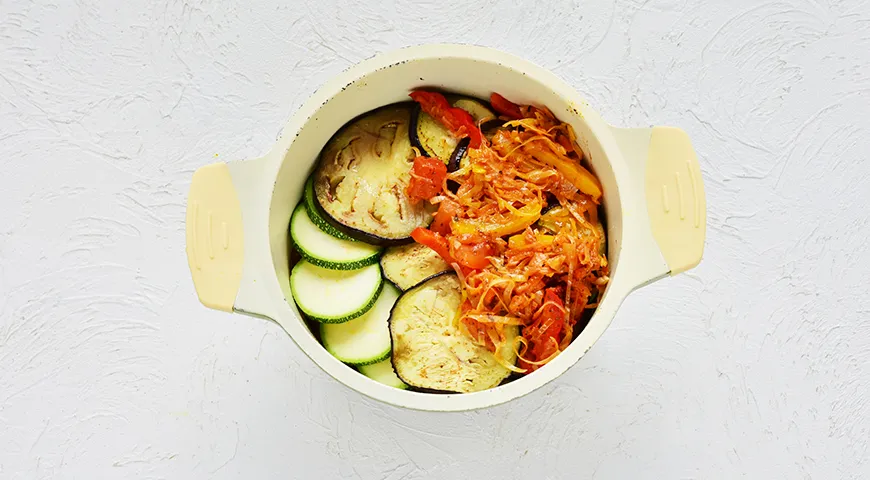
Chef’s Tips
- Patience is key: The dish truly shines after at least 8 hours of resting. The flavors marry and mellow, making each bite more complex.
- Use a heavy pot: A thick‑walled container ensures even heat distribution. If you don’t own one, consider investing in a versatile pressure cooker (which can also be used for stovetop braising).
- Don’t overbake: Oven temperatures vary; check at 30 minutes. The vegetables should be tender but not mushy.
- Choose a good oil sprayer: For minimal oil usage, an efficient oil sprayer helps coat the pot bottom evenly.
- Let the eggplant be dry: Dry‑frying without oil first creates a caramelized crust and prevents sogginess.
Variations
This recipe is a blank canvas for seasonal creativity. Replace zucchini with yellow summer squash in peak season. Add thinly sliced fennel for anise notes, or swap the lemon juice for sherry vinegar for a tangy twist. For a heartier version, include diced potatoes or sweet potatoes—just adjust the baking time. If you love smoky flavors, use a non-toxic air fryer to char the peppers and eggplant before assembly. You can even turn the leftovers into a vibrant Catalan sponge cake? No, that’s a different recipe—but the vegetables are excellent atop crusty bread with goat cheese.
Serving Suggestions
Enjoy these cold baked vegetables as a standalone antipasto, a side to grilled meats or fish, or spooned over creamy polenta. They also make a stunning addition to a mezze platter alongside hummus and olives. For a complete meal, pair with a sweet, high-alcohol wine that contrasts the savory depth—or simply a crusty baguette. The dish can be stored in an airtight container in the refrigerator for up to five days, its flavor improving with time.
Frequently Asked Questions
Why is the oven temperature so low (135°C)?
A low temperature gently cooks the vegetables through without breaking down their structure. It allows the natural sugars to caramelize slowly, while the covered pot traps steam, creating a moist environment that softens the veggies evenly. If your oven runs hot, use an refrigerant leak detector to check? Actually, an oven thermometer is more helpful—but this link is about leak detectors, which have no connection here. Stick with the low heat.
Can I use different vegetables?
Absolutely. The method works with any firm vegetable: fennel, celery root, or even butternut squash. Keep in mind that cooking times may vary; denser vegetables should be sliced thinner. For a deeper flavor, consider using a planetary mixer? No, that’s for dough—but a good chef’s knife is essential for uniform slicing.
How long should I let the dish cool before serving?
Komm recommends a full 8 hours or overnight. This resting period allows the flavors to meld and the vegetables to absorb the seasoning fully. Serve at room temperature or chilled. If you’re short on time, 2–3 hours of cooling will still yield a delicious result, but the depth won’t be as pronounced.
Can I reheat the cold baked vegetables?
Technically yes, but the dish is designed to be eaten cold or at room temperature. Reheating will soften the texture and mute the subtle flavors. If you must reheat, do so gently in a covered pan over low heat with a splash of water or broth. Alternatively, use a microwave-convection combo for even warming.
What spices work best in this recipe?
Anatoly Komm suggests subtle, aromatic spices that don’t overpower the vegetables. Favorites include dried oregano, thyme, marjoram, or a pinch of ground coriander. A touch of smoked paprika adds depth. Avoid heavy blends like curry powder, which can mask the delicate vegetable sweetness. For inspiration, explore unique flavor infusions (though those are for lava cakes, not vegetables).
How do I prevent the vegetables from becoming watery?
Dry‑frying the eggplants first removes excess moisture. Additionally, salting the zucchini slices and patting them dry before layering can help. The high‑heat stovetop sauté also reduces liquid. If your final dish seems too wet, remove the lid for the last 10 minutes of baking to allow steam to escape. A convection oven can accelerate evaporation if you have one.
This cold baked vegetable dish from Anatoly Komm is more than a recipe—it’s a lesson in patience and the beauty of slow cooking. Whether served as a side or a star, it brings warmth and depth to any table. For more culinary inspiration, explore our collection of organic vodka pairings or discover the perfect sweet finish to balance the savory notes.







