


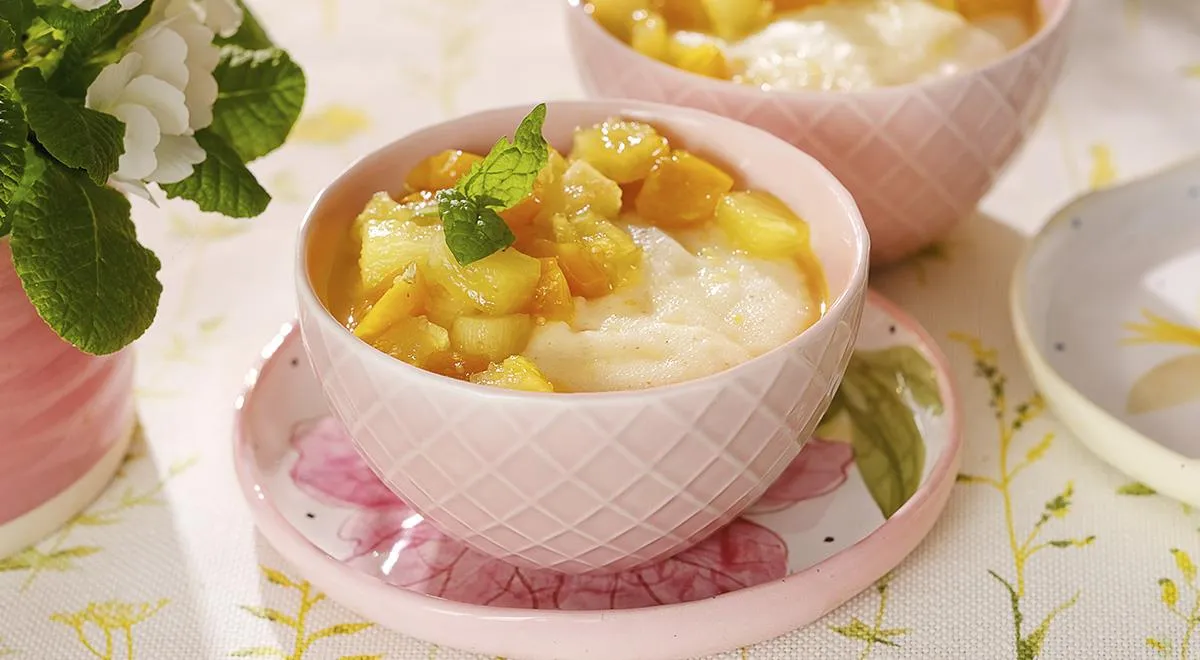
There is something deeply comforting about a bowl of warm porridge—especially when it is transformed into a tropical indulgence. This recipe for semolina porridge cooked in coconut milk, topped with caramelized pineapple and physalis, elevates a humble breakfast staple into a luxurious morning ritual. The creamy, almost pudding-like texture of the semolina pairs beautifully with the sweet-tart fruit compote, while the exotic fragrance of vanilla and coconut transports you to sun-drenched shores. Whether you are looking for a dairy-free alternative to traditional Russian mannaya kasha or simply seeking a stunning weekend brunch centerpiece, this dish delivers on every level.
About This Recipe
Semolina porridge, known in Russia as mannaya kasha, is a beloved childhood classic—often served with milk, butter, and a sprinkle of sugar. This version reimagines the classic using coconut milk for a rich, vegan-friendly base. The addition of fresh pineapple and physalis (Cape gooseberries) provides a vibrant contrast: the pineapple caramelizes into golden sweetness, while physalis adds a tangy, citrusy pop. Cooking the porridge with constant stirring ensures a silky, lump-free texture—a skill that rewards patience. For more tips on achieving perfect creamy results, see our guide to best non-toxic immersion blenders that can also help smooth out any lumps.

Ingredients
- 1 litre light coconut milk (not the thick canned variety, but a drinkable version)
- 6 tablespoons semolina (fine durum wheat semolina)
- 150–200 g fresh pineapple flesh, cut into small cubes
- 200 g physalis (Cape gooseberries), husked and sliced into rounds
- 1 tablespoon coconut oil or unsalted butter (for frying fruit)
- 4 tablespoons sugar (preferably brown sugar for deeper caramel notes)
- 1 tablespoon vanilla sugar (or 1 tsp vanilla extract plus 1 tbsp sugar)
- A pinch of salt
Step-by-Step Instructions
Prepare the Fruit Garnish
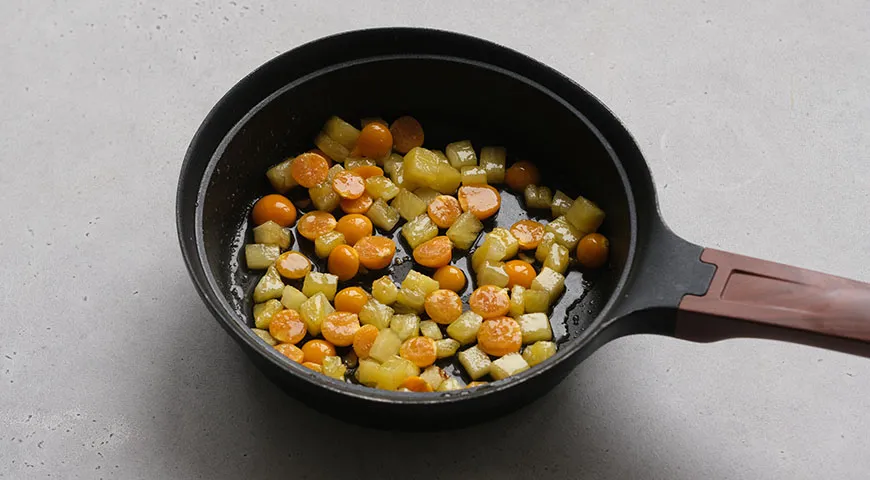
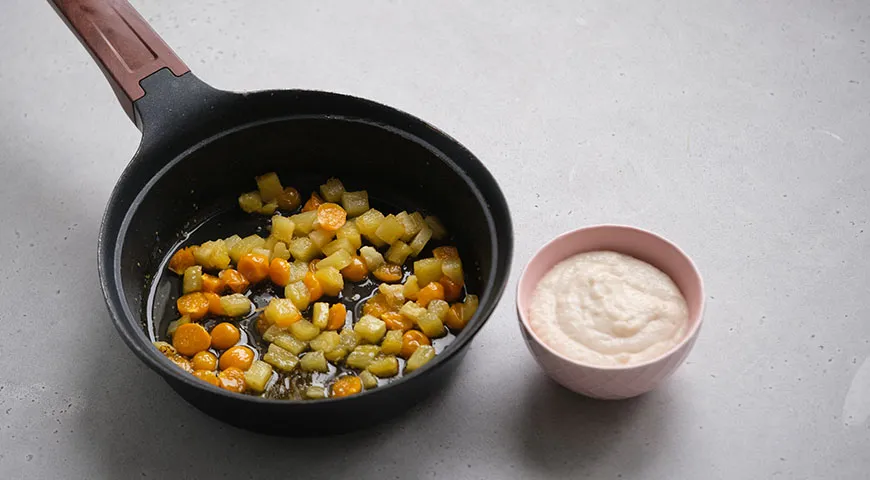
Start by cleaning the physalis: remove the papery husks, rinse the orange berries, and slice them into thin rounds. Dice the pineapple into small cubes, about 1 cm each. In a non-stick skillet, heat the coconut oil or butter together with 2 tablespoons of sugar until the sugar begins to dissolve. Add the prepared fruits and sauté over high heat, shaking the pan frequently, for 2–3 minutes until the pineapple is caramelized and the physalis softens slightly. Remove from heat and set aside. This quick caramelization enhances natural sweetness—similar to techniques used in Catalan sponge cake recipes that rely on fruit syrups.
Cook the Semolina Porridge
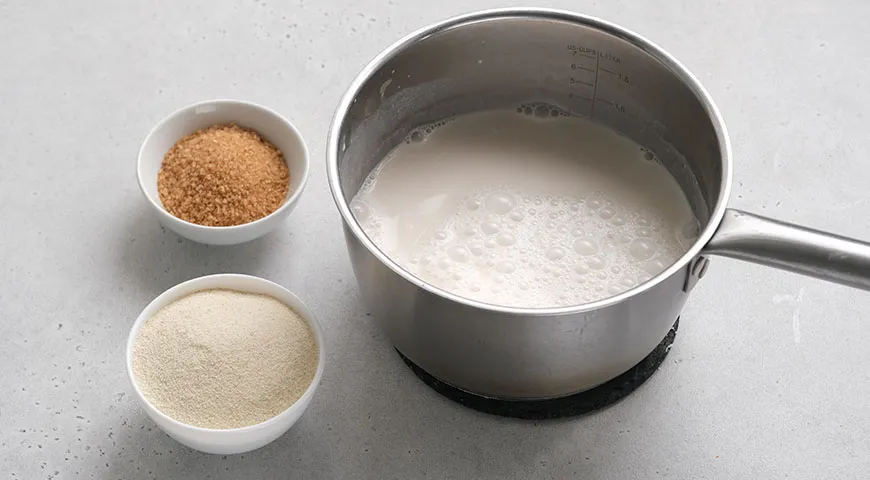
Pour the coconut milk into a medium saucepan. Add a pinch of salt, the remaining 2 tablespoons of sugar, the vanilla sugar, and the semolina. Whisk everything together before turning on the heat to prevent lumps. Place the saucepan over high heat and cook, whisking continuously with a hand whisk or a best planetary mixer (using the whisk attachment) if making a larger batch, until the mixture comes to a boil. The constant motion is key to a silky texture.
Simmer to Desired Consistency
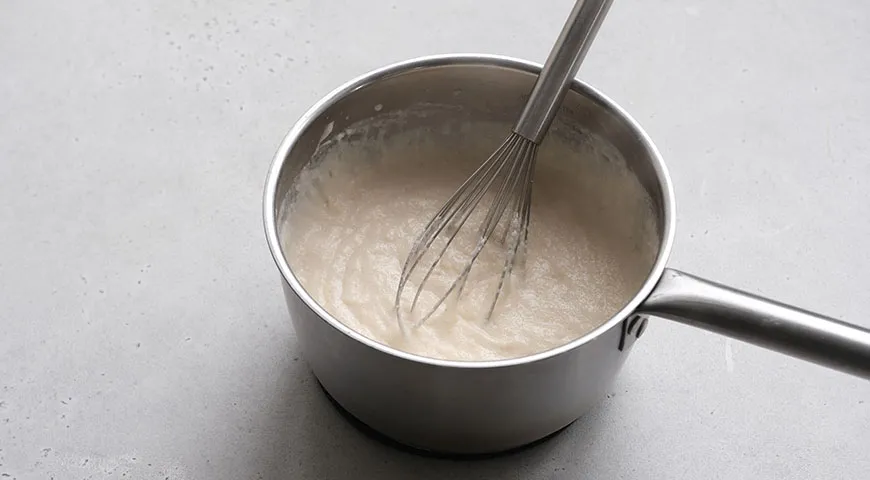
Once the porridge boils, reduce the heat to low. Continue stirring constantly—do not stop, or lumps will form—and cook for another 2–4 minutes. The porridge will thicken as it cools, so aim for a slightly looser consistency than you want at serving time. If you prefer a very thick porridge, cook a minute longer. For a thinner version, add an extra splash of coconut milk. This stovetop method is similar to making a fine microwave pressure cooker risotto, where constant attention yields creaminess.
Assemble and Serve
Spoon the hot semolina porridge into serving bowls. Top generously with the caramelized pineapple and physalis, along with any syrup that has formed in the pan. Serve immediately while warm. The contrast of creamy porridge and sticky-sweet fruit is irresistible. For an extra touch, garnish with toasted coconut flakes or a drizzle of best castor oil (though we recommend using coconut oil instead!).
Tips for Perfect Semolina Porridge
- Use fine semolina: Coarse semolina takes longer to cook and may remain grainy. Fine Italian semola or Russian manka works best.
- Whisk vigorously: Lumps form when semolina hits hot liquid unevenly. Cold whisking before heating is your best defense.
- Adjust sweetness: Brown sugar adds molasses notes; you can also use maple syrup or coconut sugar. For a low-sugar version, use a best organic vodka splash is not recommended here, but a pinch of cinnamon works well.
- Make it ahead: The porridge thickens as it sits. Reheat with a little extra coconut milk and whisk until smooth. The fruit garnish is best freshly made.
- Vegan option: This recipe is already dairy-free if you use coconut oil instead of butter. Check your vanilla sugar for vegan certification or use vanilla extract.
Variations
This recipe is a canvas for creativity. Swap the pineapple for mango, papaya, or grilled peaches when in season. Physalis can be replaced with fresh cranberries or passion fruit pulp for a different tang. For a nutty crunch, stir in toasted best food processor for nut butter ground almonds or pistachios before serving. If you enjoy spice, add a pinch of cardamom or ginger to the coconut milk while cooking. The basic semolina-to-liquid ratio (6 tablespoons per litre) remains constant, so you can experiment freely.
Frequently Asked Questions
Can I use canned coconut milk instead of light coconut milk?
Yes, but dilute it with water to achieve a thinner consistency. Full-fat canned coconut milk will make the porridge extremely rich and thick—use a 50:50 ratio with water. For a standard result, stick with a carton of coconut milk beverage (around 3% fat).
Is there a gluten-free alternative to semolina?
Semolina comes from durum wheat and contains gluten. For a gluten-free version, substitute with fine cornmeal (polenta) or rice flour, adjusting the liquid as needed. The texture will differ—creamier with rice flour, grainier with cornmeal. See our detailed guide on best commercial countertop convection oven for baking gluten-free goods.
How do I prevent lumps in semolina porridge?
The golden rule: whisk the semolina into cold liquid before heating. Use a flat whisk (or best air fryer non-toxic is not for whisking, but a good whisk is essential). Keep whisking continuously once on the heat. If lumps still appear, use an immersion blender to smooth them out.
Can I make this recipe without vanilla sugar?
Absolutely. Substitute 1 teaspoon vanilla extract or the seeds from half a vanilla bean, added after cooking to preserve flavor. Increase the regular sugar by 1 tablespoon to compensate for sweetness.
What is physalis and where can I find it?
Physalis, also called Cape gooseberry or goldenberry, is a small orange fruit wrapped in a papery husk. It has a sweet-tart flavor reminiscent of pineapple and cherry. Look for it in specialty grocery stores, farmers markets, or online. If unavailable, use fresh cranberries or hulled ground cherries.
How long does the fruit garnish keep?
The caramelized fruit is best consumed immediately but can be refrigerated in an airtight container for up to 2 days. Reheat gently in a skillet before serving. The porridge base will keep for 3 days in the fridge; thin with a splash of coconut milk when reheating.
Can I use a rice cooker or Instant Pot?
Yes, you can adapt this recipe for a rice cooker or best 48 inch built-in refrigerator is not relevant, but a pressure cooker can work. Combine all ingredients in the pot, select the porridge setting (or cook on low pressure for 5 minutes), then release naturally. Stir well before serving to incorporate any thickened layer.
Why This Porridge Deserves a Place in Your Breakfast Rotation
This coconut semolina porridge is more than a breakfast—it is an experience. The creamy, soothing texture comforts the soul, while the bright, caramelized fruit wakes up the palate. It is quick enough for a weekday treat (15 minutes start to finish) yet elegant enough for entertaining. Serve it at your next brunch alongside a best chocolate covered raisins platter or a fresh fruit salad. Pair with a cup of best espresso machine under 2000 for a café-quality morning. And if you love exploring global porridge traditions, check out our best wall oven microwave combo with air fryer for making perfect accompaniments. This dish proves that simple ingredients, treated with care, can create something truly extraordinary.







