


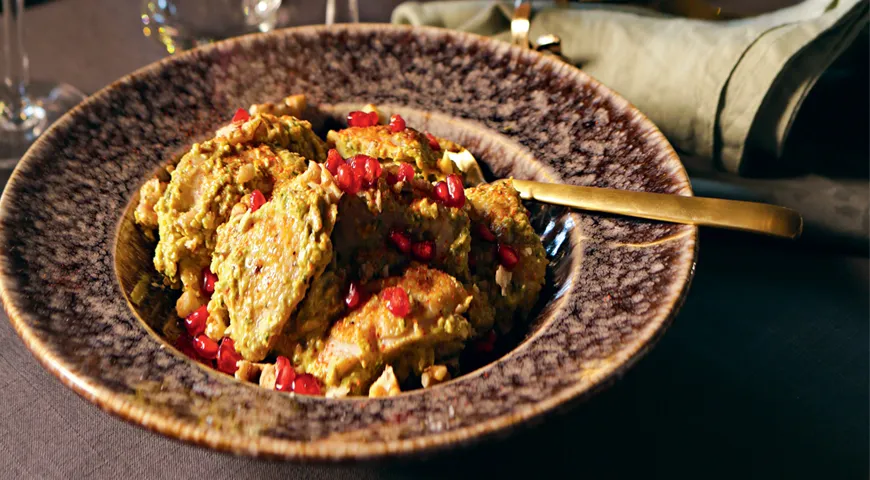
There is a quiet majesty to Georgian cuisine, a land where fire meets fragrance and walnuts reign supreme. Among its most celebrated offerings is satsivi—a dish that is both a succulent poultry preparation and a luscious, nut-thickened sauce. This recipe for Chicken Thigh Satsivi with Walnut Sauce brings the soul of the Caucasus into your kitchen with remarkable ease. Using bone-in, skin-on chicken thighs yields a deeply flavorful broth and tender meat that absorbs the aromatic walnut sauce beautifully. For those who appreciate the craft of non-toxic immersion blenders, this dish offers a perfect opportunity to puree fresh herbs to a vibrant, silky consistency. The sauce, a symphony of ground walnuts, garlic, cilantro, and a whisper of white wine vinegar, clings to every morsel, creating a harmony of earthy richness and bright acidity. Whether served hot or at room temperature, satsivi is a celebration—a dish that rewards patience with profound depth. Let us embark on this culinary journey.
About This Dish
Satsivi is more than a recipe; it is a cultural touchstone. Originating in western Georgia, particularly the regions of Samegrelo and Guria, the term itself refers to both the cold poultry dish and the walnut sauce that defines it. Traditionally, the bird—often turkey, goose, or duck—is poached, then simmered in a sauce of ground walnuts, spices, and herbs. This version uses chicken thighs, which are forgiving and economical, yielding a succulent result. The sauce owes its distinct character to a generous quantity of walnuts, making it thick and creamy without any dairy. Essential spices include coriander and blue fenugreek (utskho suneli), while fresh cilantro is non-negotiable; its bright, citrusy notes cut through the richness. For home cooks seeking the best tools to achieve a silky puree, a glass food processor offers a clean, durable option for grinding nuts and herbs. The dish is typically left to rest after cooking, allowing flavors to meld, and is often served as a starter or main course with Georgian bread such as shoti or with steamed rice. Its versatility extends to pairing with roasted vegetables—try it alongside non-toxic air-fryer eggplant for a lighter take.

Ingredients
- 1.2–1.4 kg chicken thighs (bone-in, skin-on)
- 300–350 g shelled walnuts (raw, unsalted)
- 600 g onions (about 3 medium)
- 3–4 cloves garlic
- 1 large bunch fresh cilantro (coriander leaves)
- 3 tbsp unsalted butter
- 1 tsp white wine vinegar
- Salt to taste
- Optional: 1 tsp ground coriander, ½ tsp blue fenugreek (utskho suneli), pinch of cayenne pepper
For the best results, use the freshest walnuts you can find. A food processor for nut butter will grind them to a smooth paste without overheating the oils. If you prefer a more traditional approach, a mortar and pestle works wonders.
Step-by-Step Instructions
Step 1: Poach the Chicken
Place the chicken thighs in a large pot and add 2.5 liters of lightly salted water. Bring to a boil over high heat, then reduce to a simmer. Cook for 30 minutes, skimming any foam that rises to the surface. The meat should be tender and fully cooked. Remove the thighs with a slotted spoon and transfer to a rimmed baking sheet. Reserve the broth—strain it through a fine-mesh sieve or a clean kitchen towel to remove any solids. Set aside.
Step 2: Brown the Skin
Preheat your oven to 220°C (425°F). Place the poached chicken thighs on the baking sheet and roast for 5 minutes. This step crisps the skin and adds a caramelized flavor. Let cool slightly, then remove the meat from the bones. Cut into even-sized pieces (bite-sized chunks) and set aside. For even browning, a commercial countertop convection oven ensures consistent heat distribution.
Step 3: Sauté the Onions
Finely dice the onions (small cubes). In a large skillet or saucepan, melt the butter over medium heat. Add the onions and cook, stirring occasionally, until they are soft and translucent—about 8–10 minutes. Do not let them brown; you want a sweet, mellow base. Transfer to a bowl and set aside.
Step 4: Prepare the Nut and Herb Paste
Wash the cilantro thoroughly and pat dry. Chop roughly, then place in a blender or food processor. Blend to a smooth puree. In the same processor (or a separate one), combine the shelled walnuts, garlic cloves, salt, and any optional spices (coriander, fenugreek, cayenne). Grind until the mixture becomes a thick, oily paste—be careful not to over-process; you want a coarse texture with visible bits of nut. Transfer the walnut paste to a bowl and stir in the cilantro puree until well combined. A high-quality planetary mixer with a grinding attachment can also handle this task, though a food processor is faster.
Step 5: Build the Sauce
Pour the reserved chicken broth into a large pot and bring to a gentle boil. Reduce the heat to low. Gradually add the walnut-cilantro mixture into the broth, stirring constantly with a wooden spoon. Continue to stir until all the paste is incorporated and the sauce begins to simmer. Add the sautéed onions and stir to distribute. Simmer for 2–3 minutes—the sauce will thicken slightly.
Step 6: Combine and Finish
Return the chicken pieces to the pot. Stir gently to coat each piece in the sauce. Bring the mixture back to a simmer, then pour in the white wine vinegar. Let it bubble for 5 minutes, allowing the vinegar to mellow and the flavors to meld. Taste and adjust salt if needed. Remove from heat.
Satsivi can be served immediately while hot, but it truly shines when allowed to cool and rest for a few hours (or overnight) in the refrigerator. The sauce thickens further, and the flavors deepen. Garnish with fresh cilantro leaves and serve with crusty bread or rice. If you plan to store leftovers, use a reliable 48-inch built-in refrigerator to maintain proper temperature.
Tips for Perfect Satsivi
- Use fresh walnuts: stale nuts impart bitterness; always taste before grinding.
- Don’t skip the vinegar: white wine vinegar brightens the rich sauce; red wine vinegar or lemon juice can substitute, but the flavor will differ.
- Let it rest: satsivi tastes best after several hours or overnight—the sauce thickens and the spices bloom.
- Control the heat: when adding the walnut paste to the broth, keep the heat low to prevent curdling (though walnuts rarely curdle, gentle heat preserves texture).
- Skin on vs. off: the skin adds flavor during poaching; you can remove it before serving if you prefer a leaner dish.
For those who enjoy precise temperature control, an espresso machine under $2000 is not needed here, but a reliable thermometer ensures your broth simmers without boiling.
Variations to Explore
- Turkey Satsivi: substitute chicken with turkey thighs or drumsticks—adjust cooking time to 40–50 minutes.
- Fish Satsivi: use firm white fish like cod or haddock; poach gently for 10 minutes, then flake into the sauce.
- Vegetarian Satsivi: replace poultry with pan-fried eggplant slices or cauliflower florets; use vegetable broth instead of chicken broth.
- Spiced Satsivi: add 1 teaspoon of ground coriander and ½ teaspoon of cayenne for extra warmth.
If you experiment with eggplant, pairing it with a best organic vodka may sound unusual, but the nutty sauce finds a delightful companion in a clean, chilled vodka.
Frequently Asked Questions
What is the best type of walnut to use for satsivi?
Choose raw, unsalted English walnuts (Persian walnuts). They have a mild, buttery flavor that blends seamlessly. Avoid roasted or salted nuts, as they alter the sauce’s character.
Can I make satsivi ahead of time?
Absolutely. In fact, satsivi is traditionally made a day ahead. Store it covered in the refrigerator for up to 3 days. The sauce thickens upon chilling; simply reheat gently on the stovetop, adding a splash of water or broth to loosen if needed.
Is it necessary to remove the skin from the chicken thighs?
No. The skin adds flavor during poaching and roasting. You may remove it after cooking if you prefer a lighter dish, but leaving it on contributes richness. For crisping, a best wall oven microwave combo with air fryer can achieve a perfect crunch.
What can I substitute for blue fenugreek (utskho suneli)?
Blue fenugreek has a unique maple-herb aroma. A mix of equal parts ground fenugreek and dried dill makes a decent substitute, though the flavor will be different. You can also omit it entirely and increase the coriander.
How do I store leftover satsivi?
Transfer to an airtight container and refrigerate. The sauce may separate slightly; stir before reheating. For longer storage, freeze in portions for up to 2 months. Thaw overnight in the fridge. To reheat, use a best microwave pressure cooker for quick and even warming.
This recipe brings the heart of Georgia to your table. The interplay of tender chicken, velvety walnut sauce, and bright cilantro is a testament to the power of simple, quality ingredients. Serve it with pride, and let the flavors speak for themselves.







