


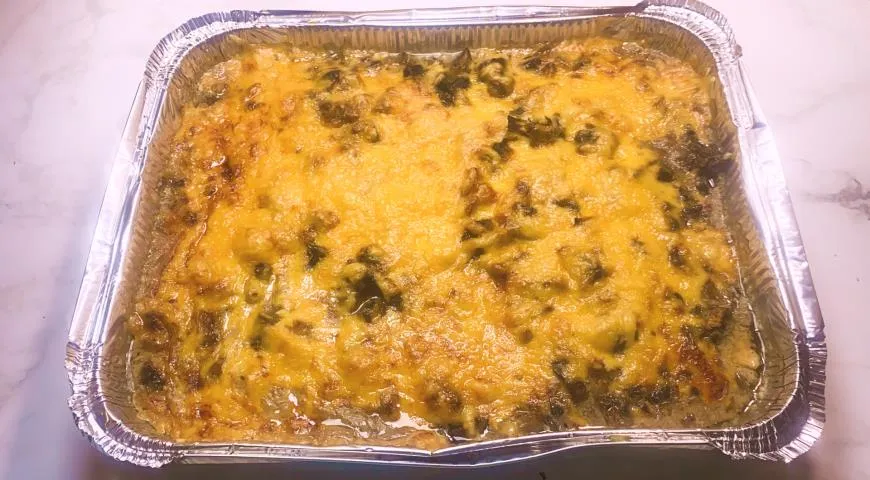
There are few dishes that evoke the warmth of a home kitchen quite like a bubbling, golden-crusted julienne. This Russian classic, despite its French name, has become a beloved staple from Soviet-era restaurants to modern dinner tables. The magic lies in the creamy, luscious sauce and the tender interplay of chicken and mushrooms, all crowned with a perfectly browned cheese crust. In this detailed guide, we'll walk you through every step to create an unforgettable chicken and mushroom julienne that’s both indulgent and surprisingly simple to master.
About the Dish: A Fusion of French Elegance and Russian Heart
Julienne, as it’s known in Russian cuisine, refers to a hot appetizer of meat or mushrooms baked in a creamy sauce under a cheese crust. The term itself comes from the French culinary technique of cutting vegetables into thin strips, but the dish evolved into its own identity in Russia. Here, the star ingredients are chicken fillet and mushrooms, often champignons de Paris (white button mushrooms). What sets it apart is the generous amount of rich, creamy sauce—far more than you’d find in a classic French gratin. This sauce, combined with the smoky sweetness of paprika and a whisper of nutmeg, creates a deeply satisfying comfort food that works perfectly as a main course or a festive appetizer.

Ingredients: The Building Blocks of Perfect Julienne
- 700 g chicken fillet (boneless, skinless breasts or thighs)
- 700 g fresh white button mushrooms (champignons)
- 1 medium onion
- 200 ml heavy cream (20% fat recommended)
- 200 ml water
- 40 ml olive oil
- 1 tsp salt
- 2 tsp sugar
- 1 tsp ground nutmeg
- 1 tsp paprika (preferably sweet or smoked)
- 1 tsp freshly ground black pepper
- 300 g semi-hard cheese (such as Gouda, Edam, or Gruyère)
For the best results, choose a high-quality, non-toxic immersion blender if you plan to purée part of the sauce—though this recipe keeps it chunky for texture. The olive oil should be good quality, as it imparts flavor during the initial sear.
Step-by-Step Instructions
-
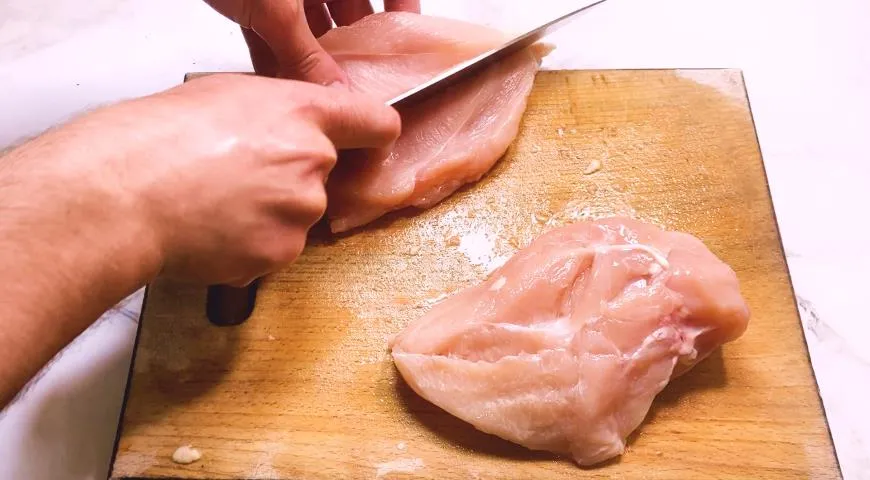
Prepare and sear the chicken. Pat the chicken fillet dry with paper towels, then slice each piece lengthwise into two thin fillets. Heat the olive oil in a large skillet over medium-high heat. Sear the chicken for 8-10 minutes, turning once, until deeply golden on both sides. Transfer to a cutting board. This step builds the foundation of flavor—the fond left in the pan is liquid gold.
-
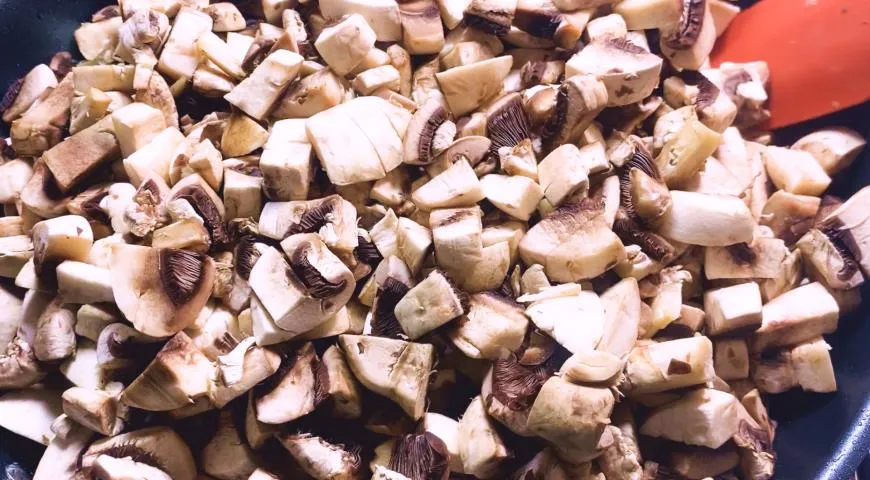
Sauté the mushrooms and onion. Wipe the mushrooms clean with a damp cloth and cut them into small cubes (about 1 cm). Dice the onion to the same size. In the same skillet used for the chicken, sauté the onion and mushrooms over medium heat for about 7 minutes, until the mushrooms release their liquid and start to brown. Don’t overcrowd; allow them to caramelize for depth.
-
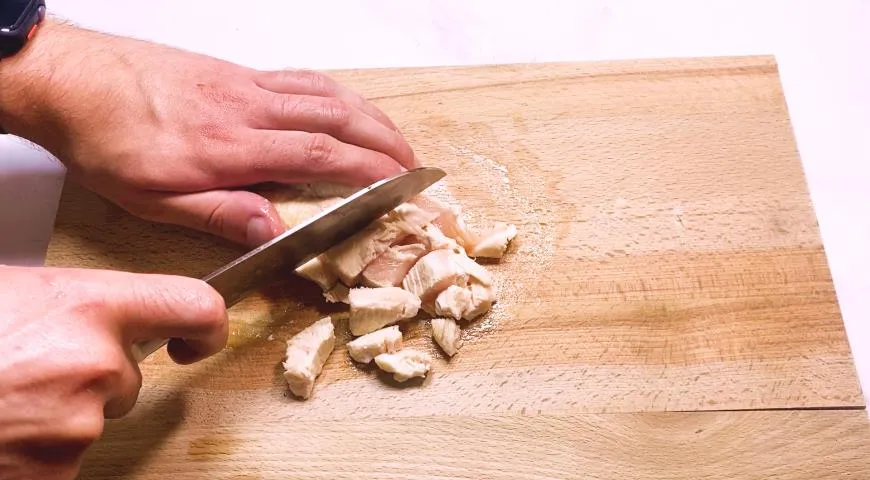
Slice the cooked chicken. Using a sharp knife, cut the seared chicken into slices 5–6 mm thick. Always cut across the grain—this ensures the meat remains tender, not stringy. A good refrigerant leak detector might not be needed here, but a quality chef’s knife is essential!
-
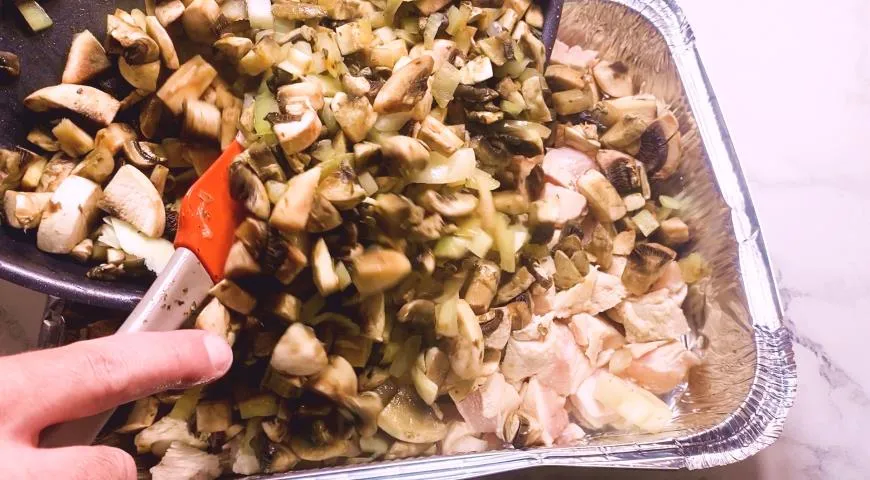
Layer in the baking dish. Transfer the sliced chicken, sautéed mushrooms, and onions to a baking dish (approximately 20×25 cm). Gently toss to combine. You can use a ceramic, glass, or metal dish—just ensure it’s oven-safe. This dish can go straight to the table for an impressive presentation.
-
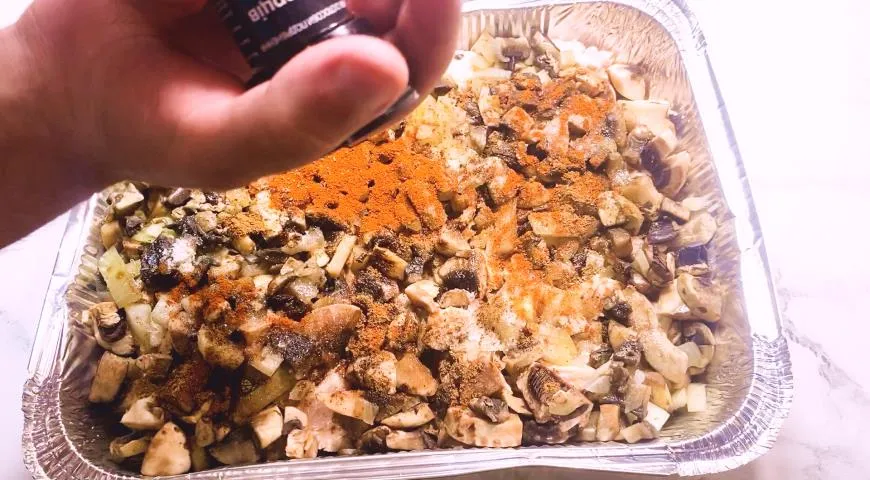
Season the mixture. In a small bowl, combine the salt, sugar, ground nutmeg, black pepper, and paprika. Sprinkle this seasoning evenly over the chicken and mushroom mixture. Toss again to coat every piece. The sugar balances the savory notes and helps the cheese caramelize later.
-
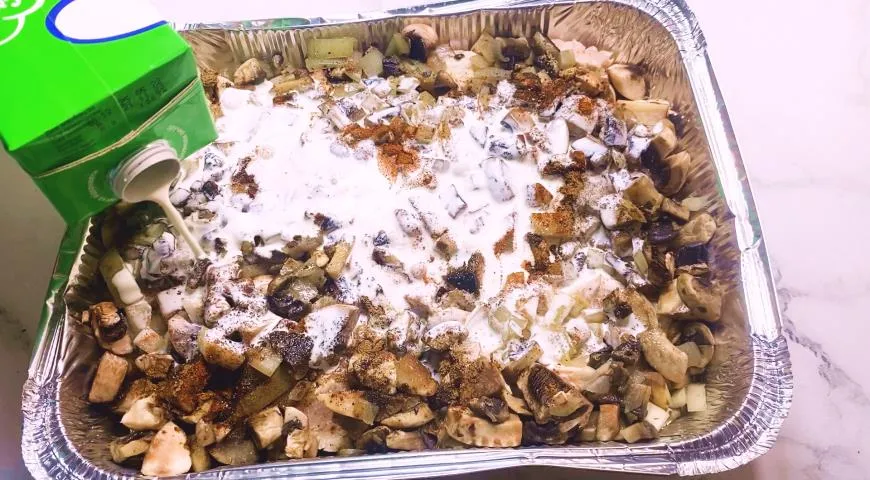
Add the cream and water. In a measuring jug, whisk together the heavy cream and water. Pour the mixture evenly over the contents of the baking dish. Use a spatula to gently spread everything so the liquid reaches all corners. The cream should be at least 20% fat for the richest sauce.
-
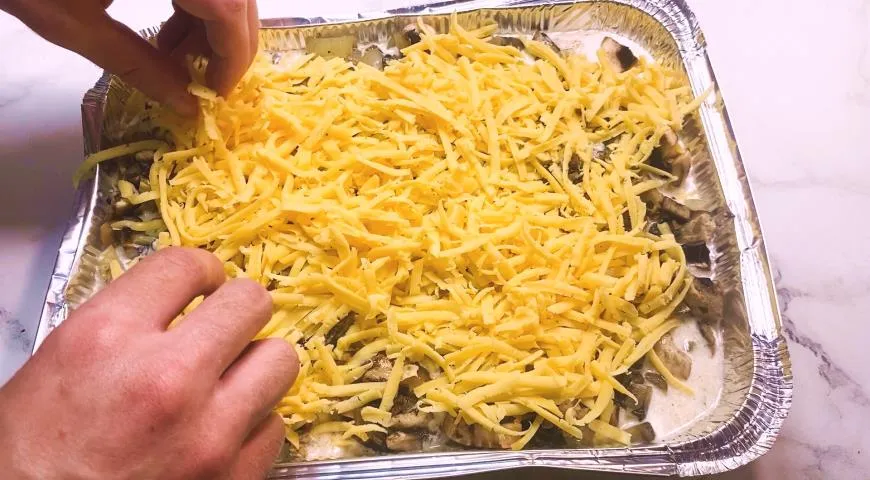
Top with cheese and bake. Grate the cheese on the large holes of a box grater (about 300 g). Sprinkle it evenly over the entire surface. Preheat your oven to 180°C (350°F). Bake for exactly 20 minutes, or until the cheese is fully melted and forms a deep golden, bubbly crust. A wall oven with convection can help achieve an even crust, but a standard oven works perfectly.
Tips for Perfect Julienne
- Don’t skip the sugar. It’s not about sweetness—it helps the cheese brown evenly and balances the acidity of the cream.
- Use fresh mushrooms. Canned or frozen mushrooms release too much water and make the sauce watery. A good juicer might not apply here, but fresh produce always wins.
- Let it rest 5 minutes after baking. This allows the sauce to thicken slightly, making it easier to serve without it running across the plate.
- For individual servings, divide the mixture into cocotte dishes (ramekins) and reduce baking time to 12–15 minutes. Perfect for parties!
Variations to Explore
Julienne is wonderfully adaptable. Swap the chicken for turkey, pork tenderloin, or even shrimp. Use a mix of wild mushrooms like chanterelles or shiitake for a deeper, earthier flavor. For a diet-friendly twist, replace heavy cream with a reduced-fat cream alternative (but note the sauce won’t be as rich). Add a pinch of cayenne or a dash of white wine for complexity. Serve the finished julienne in pre-baked tartlet shells for an elegant appetizer—a great idea from the original recipe’s tip.
Frequently Asked Questions
Can I make julienne ahead of time?
Yes! Assemble the dish up to step 6 (without baking), cover, and refrigerate for up to 24 hours. When ready, add the cheese and bake for 25 minutes (add 5 minutes since it starts cold).
What cheese works best for the crust?
Semi-hard cheeses with good melting properties—Gouda, Edam, Emmental, or Gruyère—create the classic golden crust. Avoid pre-shredded cheeses, as they often contain anti-caking agents that hinder melting.
Why is my julienne watery?
This usually happens if mushrooms are not sautéed long enough to evaporate their moisture, or if you use low-fat cream. Always sauté mushrooms until they’re dry and starting to brown, and stick with 20% cream or higher.
Can I freeze leftover julienne?
Freezing is not recommended because the cream sauce can separate upon thawing, and the cheese crust becomes rubbery. It’s best enjoyed fresh, but you can store leftovers in the fridge for up to 3 days and reheat gently in the oven.
Is this dish gluten-free?
As written, yes—there’s no flour or breadcrumbs. However, always check your spice blends for hidden gluten. Serve with a side of gluten-free bread for sopping up the sauce.
How do I get a perfectly even cheese crust?
Grate the cheese just before baking and sprinkle it in an even layer. If your oven has hot spots, rotate the dish halfway through. For an extra-crispy top, finish under the broiler for 1–2 minutes, watching carefully.
Can I use dried mushrooms?
Rehydrate dried porcini or mixed wild mushrooms in warm water for 20 minutes, then drain (reserve liquid for another use). Sauté them as you would fresh—they’ll add intense umami. Note that the texture will be chewier.
What’s the best way to serve julienne?
Classically, it’s served in the same baking dish or in individual cocotte makers. Pair with a fresh green salad, a crisp white wine, or simply crusty bread to soak up the sauce. For a heartier meal, serve over rice or pasta.
How many does this recipe serve?
As a main course, it serves 4–6 people. As an appetizer (in small tartlets or ramekins), it can serve 8–10.
What if I don’t have nutmeg?
Substitute with a pinch of ground mace or allspice. Or simply omit—the paprika and cream are flavorful enough on their own.
For more tips on kitchen tools, check out our reviews of the best undercounter ice maker and the best commercial countertop convection oven. If you’re looking to upgrade your cookware, our guide to the best non-toxic immersion blender is a must-read.







