


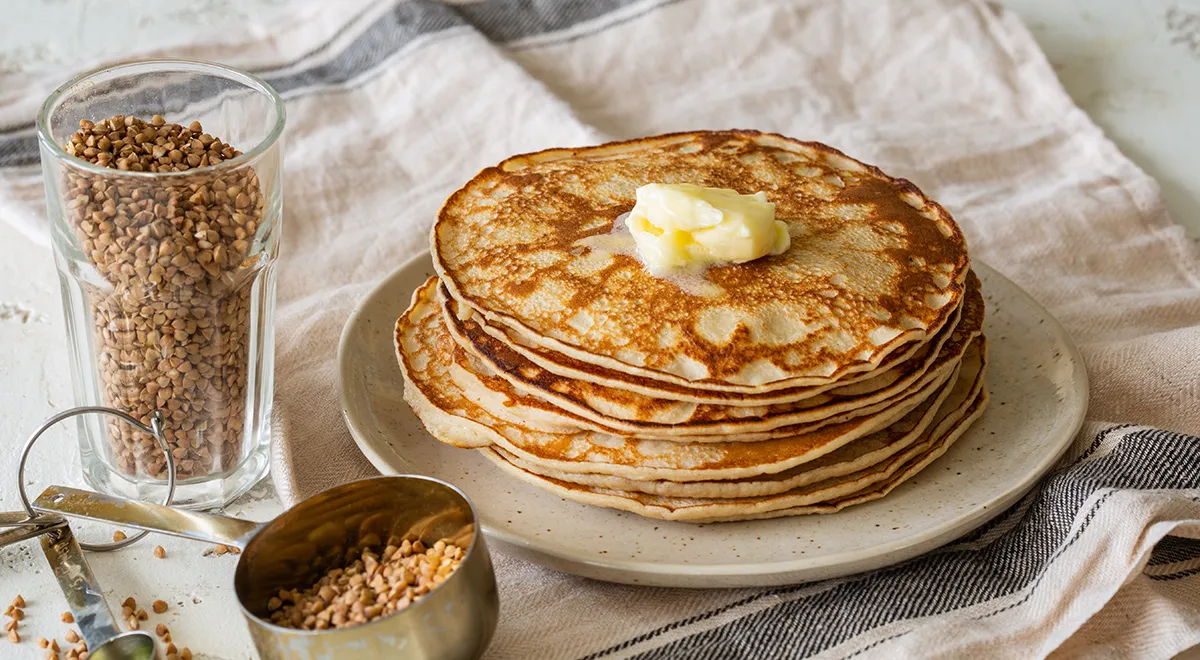
Welcome to the world of Russian pancakes—where tradition meets modern comfort. Today we explore buckwheat pancakes with kefir, a rustic yet refined dish that marries the earthy depth of buckwheat with the tangy creaminess of kefir. These pancakes are lighter than classic wheat blini, thanks to the kefir and a clever hot-water technique, and they offer a gluten-free alternative that does not compromise on flavor. Perfect for a leisurely breakfast, a festive spread, or even a savory dinner, these buckwheat pancakes will transport you to a cozy Russian kitchen.
About Buckwheat Pancakes with Kefir
Buckwheat has been a staple in Eastern Europe for centuries, prized for its nutty taste and remarkable health benefits. When combined with kefir—a fermented milk drink rich in probiotics—the pancakes become tender, slightly tangy, and beautifully airy. The key to this recipe is the zavarivanie technique: you pour boiling water directly into the buckwheat flour to swell the starch, creating a smooth, pliable base. This method, often used in Russian baking, ensures the pancakes are supple and easy to flip. Serve them with sour cream, honey, or a savory dip like guacamole for an unexpected twist.

Ingredients
To make approximately 12–14 small pancakes (16 cm diameter), you will need:
- 100 g buckwheat flour
- 300 ml kefir (full-fat recommended)
- 4 large eggs
- 6 tablespoons vegetable oil (plus extra for the pan)
- 1 tablespoon sugar
- ½ teaspoon baking powder
- ½ teaspoon salt
- 250 ml filtered water (for boiling)
Using a planetary mixer can streamline the whisking, but a simple whisk works perfectly too.
Step-by-Step Guide
Step 1: Prepare the Buckwheat Base
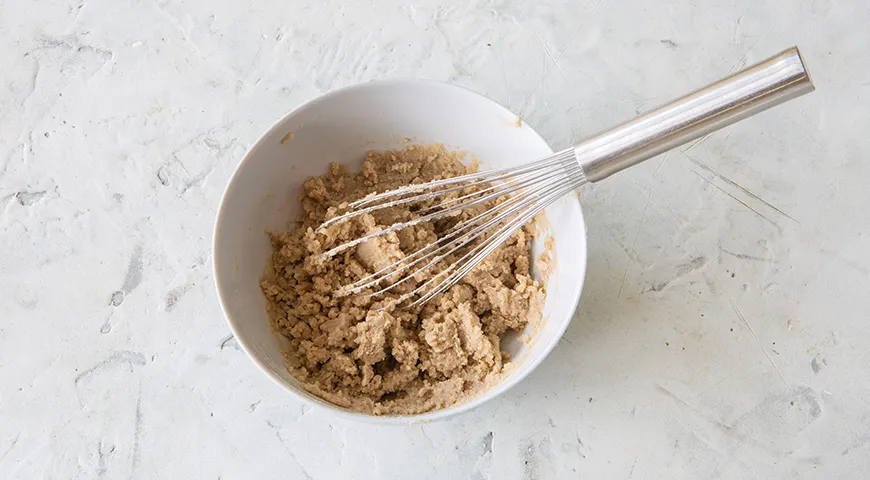
Bring 250 ml of filtered water to a rolling boil. In a deep bowl, combine the buckwheat flour, salt, and sugar. Slowly pour the boiling water into the dry ingredients in a thin stream while vigorously whisking. The mixture will thicken into a dense, glue-like paste—this is the desired texture.
Step 2: Incorporate Eggs
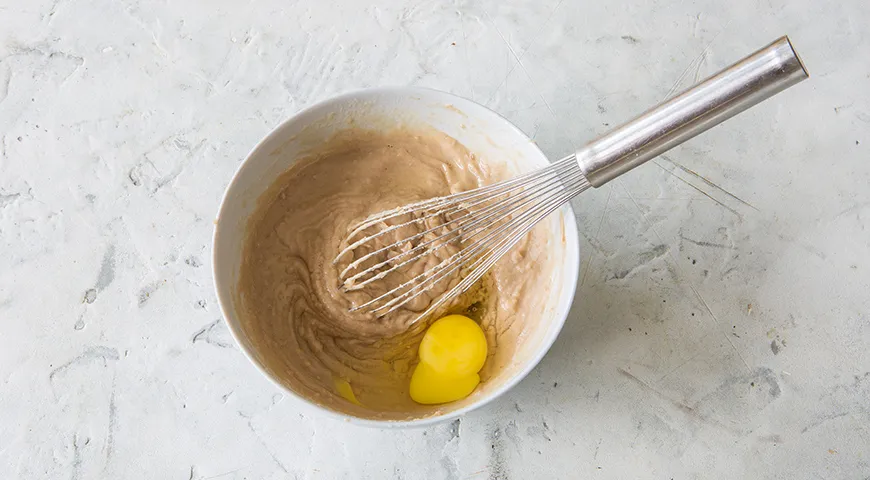
Add the eggs one at a time, beating thoroughly after each addition. An immersion blender with a whisk attachment can make this step effortless, but a hand whisk also works well.
Step 3: Activate the Kefir
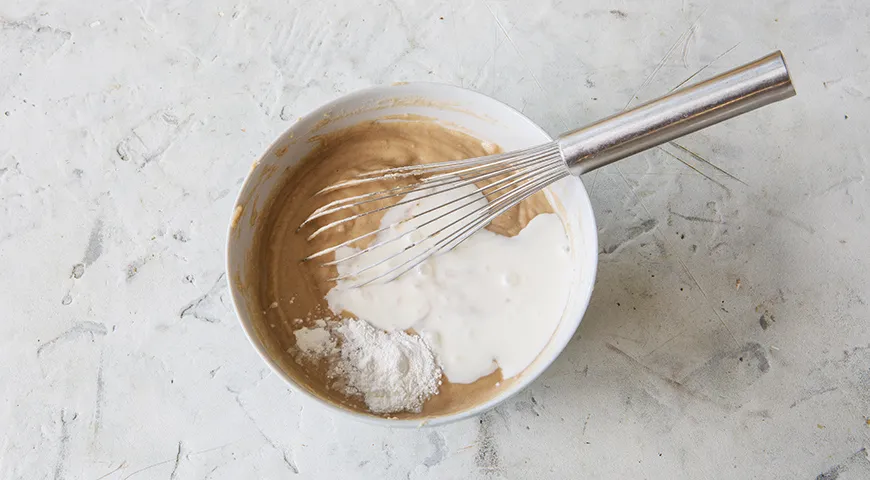
In a separate small bowl, combine the kefir with baking powder. Stir briefly and let rest for 2–3 minutes until small bubbles appear—this indicates that the acidic kefir is reacting with the baking powder, releasing carbon dioxide for lightness.
Step 4: Combine and Rest
Pour the bubbly kefir mixture into the buckwheat batter and stir until smooth. Cover the bowl with plastic wrap or a lid and leave at room temperature for 20–30 minutes. This rest allows the flour to fully hydrate, resulting in ultra-tender pancakes.
Step 5: Heat the Pan
Use a non‑stick skillet or a well‑seasoned cast‑iron pan no larger than 16 cm in diameter. Preheat over medium heat. Pour a little vegetable oil into a small dish and use a pastry brush to lightly coat the pan. A Misto oil sprayer can also give a perfectly even layer.
Step 6: Cook the Pancakes
Pour a ladleful of batter into the center of the pan, tilting and swirling to spread it evenly. Cook for about 1.5 minutes on the first side, until bubbles appear on the surface and the edges lift easily. Flip using a thin spatula and cook another 1 minute. Repeat with remaining batter, brushing the pan with oil before each pancake. Stack the cooked pancakes on a plate to keep warm.
Tips for Perfect Buckwheat Pancakes
- Use fresh kefir. The natural probiotics and acidity are crucial for the reaction with baking powder. If you don’t have kefir, you can substitute buttermilk or plain yogurt thinned with a little milk.
- Don’t overmix. Once you add the kefir, stir just until combined to avoid developing too much gluten (yes, buckwheat flour is gluten‑free, but vigorous mixing can still toughen the starches).
- Serve immediately. These pancakes are best straight from the pan. If you need to hold them, keep them in a warm oven (100°C) covered with foil.
- Brighten the flavor. A pinch of nutmeg or a splash of vanilla extract can add a subtle warmth that complements the tangy kefir.
For troubleshooting, a non‑toxic air fryer can also reheat leftover pancakes without drying them out.
Delicious Variations
Buckwheat pancakes are wonderfully versatile. Try these ideas:
- Sweet topping: Dollop with sour cream and drizzle with honey, or spread with cream cheese and top with fresh berries. A sprinkle of lavender sugar adds a floral touch.
- Savory fillings: Fill with smoked salmon, dill, and crème fraîche; or wrap them around sautéed mushrooms and onions. A side of au jus makes a surprising pairing.
- Spiced version: Add ½ teaspoon ground cardamom or cinnamon to the flour for a wintery aroma.
- Gluten‑free boost: Replace the buckwheat flour entirely with buckwheat flour (already gluten‑free) and keep the rest of the ingredients; no adjustments needed.
If you enjoy experimenting with different sponge cake textures, you’ll love the lightness of these pancakes.
Frequently Asked Questions
Can I use whole buckwheat groats instead of flour?
No, the recipe requires buckwheat flour. To make your own, grind raw buckwheat groats in a high‑powered food processor until fine, then sift.
Why did my pancakes turn out rubbery?
Overmixing after adding eggs or kefir can develop too much structure. Also, ensure you let the batter rest for at least 20 minutes to relax the starches. Using a food processor for the initial mixing is fine, but switch to a gentle hand whisk for the final blend.
Can I make the batter ahead of time?
Yes, you can refrigerate the batter for up to 24 hours. Stir it gently before cooking; if it thickens too much, add a tablespoon of milk or water to loosen.
What is the best pan for buckwheat pancakes?
A small, heavy‑bottomed non‑stick or cast‑iron skillet works best. The convection oven is not suitable for stovetop pancakes, but you can keep cooked pancakes warm in it.
Can I freeze these pancakes?
Absolutely. Stack them with parchment paper between each pancake, wrap tightly, and freeze for up to one month. Reheat in a toaster or a steamer basket if you have one.
Are buckwheat pancakes healthy?
Yes, buckwheat is rich in fiber, magnesium, and antioxidants. Kefir provides probiotics and calcium. For a lighter option, use organic ingredients and reduce the sugar slightly.
What can I replace the eggs with?
For an egg‑free version, replace each egg with ¼ cup unsweetened applesauce or a flax‑egg (1 tablespoon flaxseed meal + 3 tablespoons water). The texture will be denser but still delicious.
Now you have everything you need to create authentic Russian buckwheat pancakes with kefir. Whether you enjoy them with classic sour cream and honey or a modern savory twist, these pancakes are sure to become a household favorite. For more kitchen inspiration, check out our guides on microwave pressure cookers or undercounter ice makers.







