


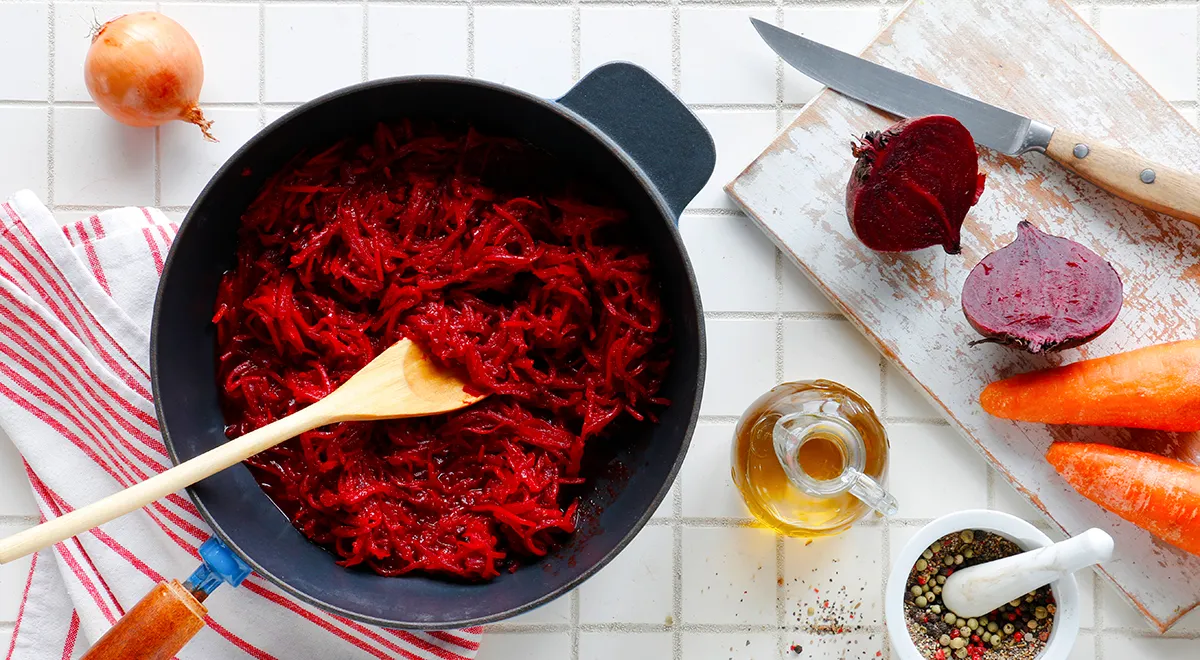
The heart of a magnificent borscht lies not in the broth alone, but in the humble zazharka — the beetroot and vegetable sauté that imparts a deep, ruby hue and a sweet-sour complexity. This East European technique transforms simple root vegetables into a flavor concentrate that defines the final dish. Our recipe, adapted from the Russian culinary site Gastronom.ru, yields a perfect balance of acidity, sweetness, and earthy richness. Whether you are simmering a classic meat borscht or a vegetarian version, this beetroot sauté for borscht will become your go‑to trick for a soul‑warming soup. Prepare your ingredients and a reliable glass food processor for effortless chopping, then follow the steps to lock in every nuance.
About This Essential Sauté
In Ukrainian and Russian cooking, zazharka (also called podzharka) is the initial frying of aromatics — usually onions, carrots, and beets — that forms the flavor backbone of borscht. The slow caramelization releases natural sugars, while the addition of tomato paste and a splash of vinegar or lemon juice fixes the beet's vibrant color and adds a bright tang. The result is a thick, glossy paste that can be stored for a day or two and stirred directly into the finished broth. This technique is also ideal for other red‑vegetable soups, such as Lithuanian saltibarsciai or Polish barszcz. For the best texture, use a best food processor for nut butter to achieve evenly cut vegetable strips without pulverizing them.

Ingredients
- 1 medium onion
- 1 small carrot
- 2 medium beetroots
- 2 tbsp tomato paste
- 40 g clarified butter (or 2 tbsp vegetable oil for a vegan version)
- 1 tbsp 9% white vinegar (or 1/3 tsp citric acid / juice of half a lemon)
- 1 tsp sugar
- Salt to taste
Using high‑quality tomato paste is crucial. If you prefer less acidity, adjust with a pinch of sugar. For the cooking fat, clarified butter adds a nutty depth, but any neutral oil works. Keep a best oil sprayer handy to control oil distribution evenly across the pan.
Step‑by‑Step Instructions
Step 1: Prepare the Vegetables
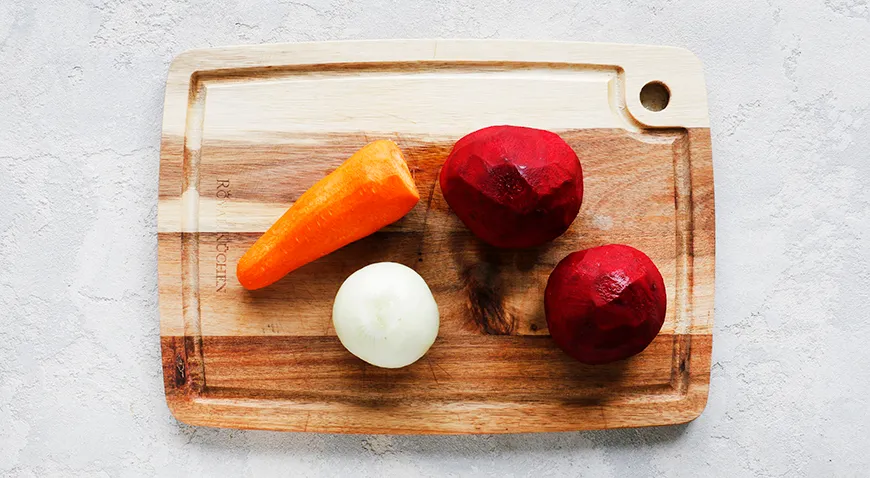
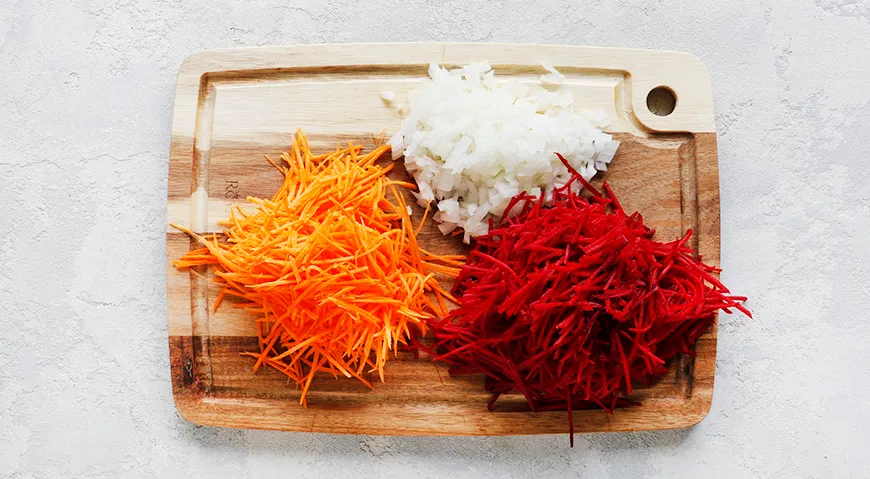
Wash and peel the carrot and beetroots. Remove the onion skin. Cut the carrot and beetroot into thin matchsticks (julienne). Slice the onion into small dice or thin half‑rings. Uniform size ensures even cooking. For precision, a best planetary mixer with a vegetable attachment can speed up the work, though manual cutting gives you full control.
Step 2: Sauté the Onion
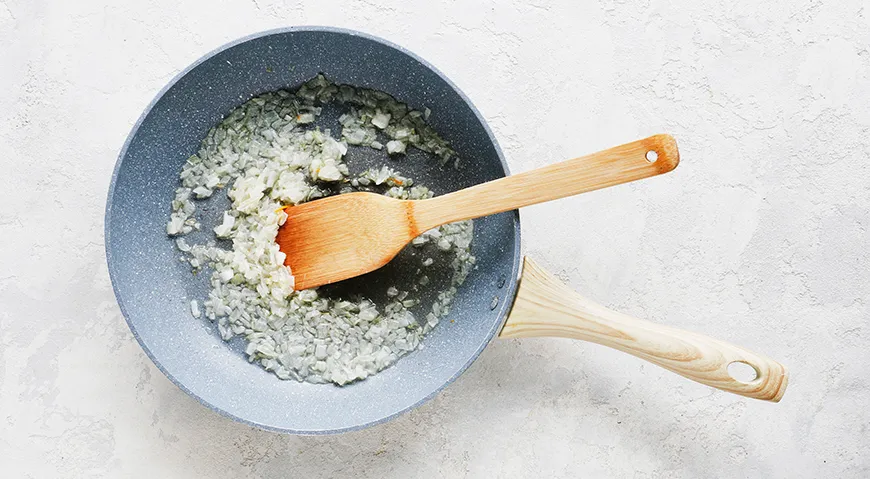
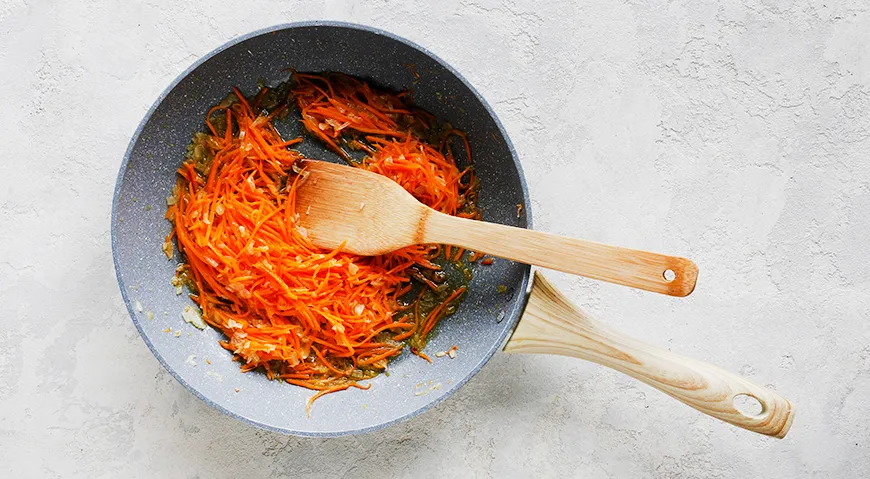
Heat the butter or oil in a large skillet over medium heat. Add the onion and cook, stirring frequently, until translucent and golden‑edged, about 3–4 minutes. Avoid browning too dark, as bitterness can develop. If using a best air fryer non‑toxic with a sauté function, you can achieve the same even heat without excess fat.
Step 3: Add the Carrot
Tip the carrot sticks into the pan with the onion. Cook together for 4–5 minutes, stirring occasionally. The carrot will soften and release its sweetness. For a more uniform result, a best commercial countertop convection oven can roast the vegetables before sautéing, but stovetop is faster.
Step 4: Incorporate Beets and Tomato Paste
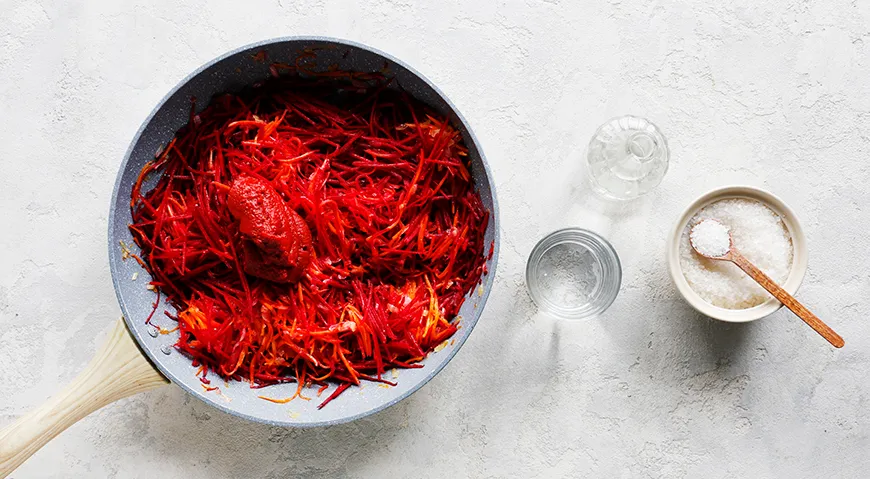
Add the beetroot matchsticks along with the tomato paste. Pour in the vinegar or lemon juice and sprinkle with sugar. Stir everything to coat. The acid helps preserve the beet's color and balances the sweetness. Lower the heat to medium‑low and cover. Cook for 15–20 minutes for young beets, or 30–40 minutes for mature ones. If the mixture seems dry, add a ladleful of stock or water. A best microwave pressure cooker can cut this time, but the traditional method builds deeper flavor.
Step 5: Cook Until Tender
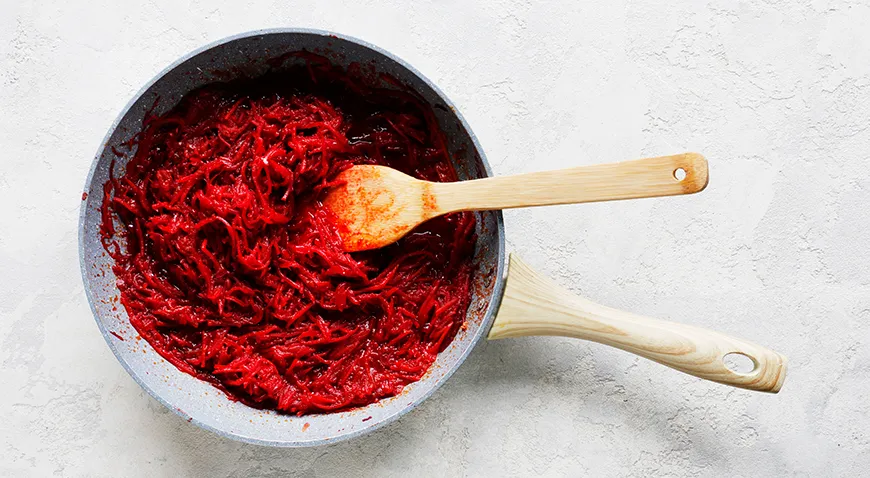
Stir occasionally. The vegetables will release moisture, then gradually dry out and begin to fry. The hallmark of a done zazharka is when most of the liquid evaporates and the beets are fork‑tender, and the mixture becomes thick and glossy. This usually takes about 20 minutes. Keep a close eye to prevent burning. An best espresso machine under 2000 is not needed here, but a good quality pan is essential.
Step 6: Finish and Use
Once the vegetables are tender and the mixture is thick, remove from heat. Taste and adjust salt, sugar, or acid. Your beetroot sauté for borscht is ready. Add it directly to the simmering borscht pot (where potatoes and cabbage have already cooked) and let it meld for 10–15 minutes. Serve with sour cream and fresh dill. For a finishing touch, try pairing with a best sweet wine with high alcohol content for a traditional eastern European meal.
Tips for the Perfect Borscht Sauté
- Cut uniformity: Julienne the beets and carrots as evenly as possible. A best non‑toxic immersion blender can purée leftover sauté for a smooth version, but for classic borscht, leave it chunky.
- Color fix: Acid is non‑negotiable; without vinegar or lemon, the beets may turn muddy brown. Use the exact amount and adjust later.
- Oil quality: Use a pure, high‑smoke‑point oil. Clarified butter adds richness, while vegetable oil keeps it vegan.
- Don't rush: Low and slow allows the flavors to meld. If using a pa de pessic catalan sponge is not relevant, but for dessert pairing, consider a light sponge.
- Batch cooking: This sauté keeps for 3 days in the fridge. Double the recipe and freeze half for future soups.
Variations
Tomato‑Free Version: Omit tomato paste and increase the vinegar slightly. Use roasted red pepper purée for a different sweet note.
Spicy Kick: Add a pinch of smoked paprika or chili flakes when cooking the beets. This pairs well with a best chocolate covered raisins dessert for contrast.
Herb Infusion: Stir in fresh thyme or a bay leaf during the last minutes. Remove before adding to borscht.
Vegan Option: Use coconut oil or avocado oil. In place of butter, a best steam canner can be used to preserve the sauté in jars for long‑term storage.
Booster: For an umami punch, add 1 tbsp of soy sauce or miso paste when cooking the beets.
Frequently Asked Questions
Can I use this sauté in other soups?
Absolutely. It works wonderfully in any beet‑based or tomato‑based soup, such as Ukrainian kapusniak or even minestrone. The balanced acidity and sweetness enhance almost any broth.
Why did my beets turn brown?
Most likely, the acid was added too late or insufficiently. Always add vinegar or lemon juice at the start of cooking the beets. Also, avoid using a cast‑iron pan as iron can discolor beets. For a reliable pan, check our best lava flavors guide for heat‑resistant cookware.
Can I use jarred pre‑cooked beets?
Yes, but reduce the cooking time drastically. They are already soft, so only sauté for 5–7 minutes to meld flavours. Fresh beets give a superior texture.
How do I store leftover sauté?
Cool completely, then refrigerate in an airtight container for up to 3 days. To extend shelf life, freeze in portions for up to 3 months. When ready, thaw and add directly to soup. A best george howell coffee paired with a borscht? Unlikely, but the sauté can also flavor stews.
Can I make this without tomato paste?
Yes. Replace with 1–2 fresh tomatoes (grated and skin discarded) or 1 tbsp of concentrated tomato purée. Adjust acidity accordingly. If using tomato paste, ensure it is high‑quality for best results.
Is it necessary to add sugar?
Not always. Taste your beets first. Some are naturally very sweet. Sugar balances the acid, so add only if needed. For a healthier twist, use a natural sweetener like honey or maple syrup, but the classic recipe uses sugar.
What if the sauté is too dry?
Add a splash of vegetable or beef stock, wine, or even water. Moisture helps the vegetables soften without burning. If using wine, choose a dry red or a best organic vodka for a lighter touch.
This beetroot sauté is the soul of a memorable borscht. Master it, and you will never settle for a pale imitation. Happy cooking!







