


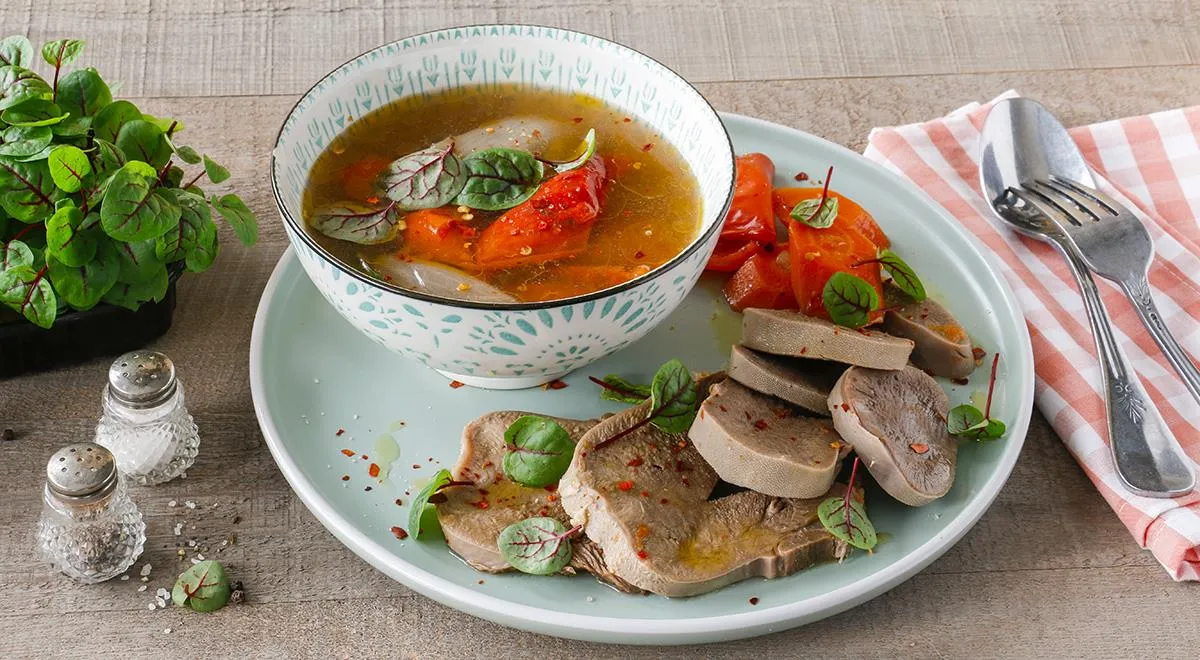
There is a quiet kind of culinary magic that happens when time, heat, and patience converge. This Uzbek-inspired Beef Tongue in a Jar with Broth is a testament to that alchemy—a dish where a single glass jar yields two distinct treasures: impossibly tender meat and a deeply savory, amber-hued broth. Unlike quick braises, this recipe relies on a slow, almost meditative cooking process over an open flame (or a stovetop) for 7 to 8 hours. The result is an offal preparation that feels luxurious, a celebration of texture and flavor that deserves a place in your repertoire. Whether you’re a seasoned home cook or an adventurous beginner, this guide will walk you through every nuance.
About the Dish: A Central Asian Classic Reimagined
In Uzbek cuisine, beef tongue is often prepared slowly to break down its dense fibers, resulting in a melt-in-the-mouth delicacy. Traditionally cooked in a kazan over a wood fire, this method amplifies the natural richness of the tongue while the surrounding broth absorbs the essence of vegetables and spices. The jar technique—a brilliant adaptation for controlled, even cooking—ensures the meat steams in its own juices, staying exceptionally moist. For a deeper dive into slow-cooking techniques, explore our best microwave pressure cooker guide, which can accelerate similar tenderness without sacrificing depth. This dish also embodies sustainable cooking: every part of the process, from the broth to the meat, is utilized, aligning with modern zero-waste ideals.

Ingredients
The list is simple, but each component plays a role in building layers of flavor:
- 1.2–1.5 kg (about 2.6–3.3 lb) beef tongue, cleaned
- 1 large carrot
- 1 tomato
- 2 sweet bell peppers (any color)
- 1 onion
- Black peppercorns, to taste
- Salt, to taste
- A few sprigs of fresh cilantro, for garnish
- Water, as needed
For sourcing quality ingredients, consider using a best food processor for nut butter to create spice blends or purees that can enhance the broth—though this dish stays true to its rustic roots.
Step-by-Step Method
Follow these steps precisely to achieve the ideal balance of silky tongue and clear, flavorful broth.
Step 1: Prepare the Tongue
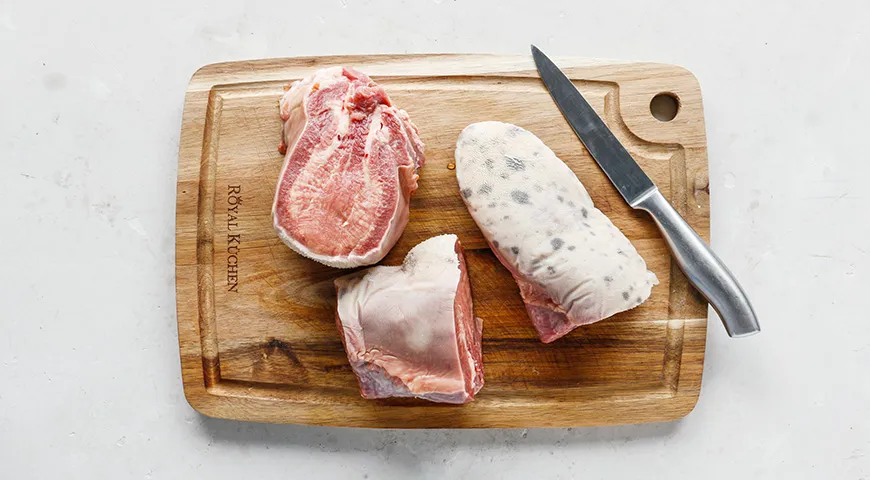
Thoroughly rinse the beef tongue under cold running water. Trim off the wide base (the root) if it has excess fat, then cut the narrower middle and tip into two even pieces. Leave the skin on—it helps retain moisture during cooking.
Step 2: Prepare the Vegetables
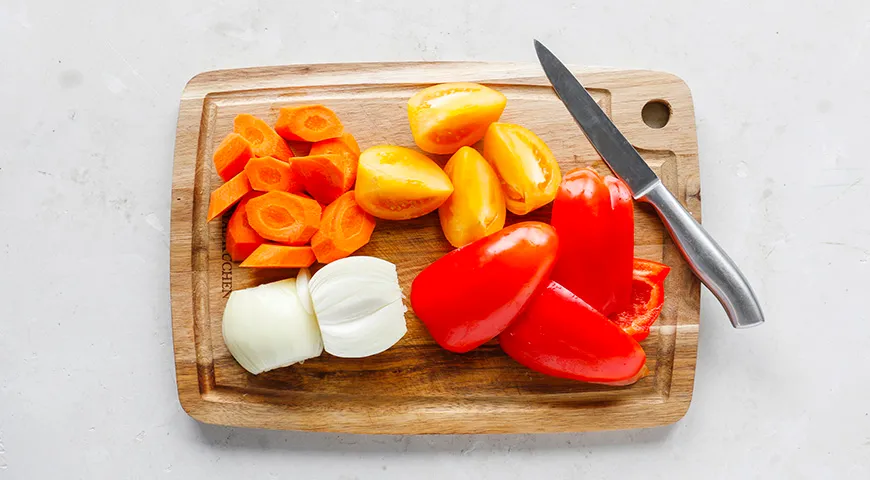
Cut the carrot into thick rounds. Quarter the bell peppers into wedges. Halve the onion. Slice the tomato into four pieces. These large cuts prevent the vegetables from disintegrating during hours of gentle cooking.
Step 3: Layer in a 3-Liter Jar
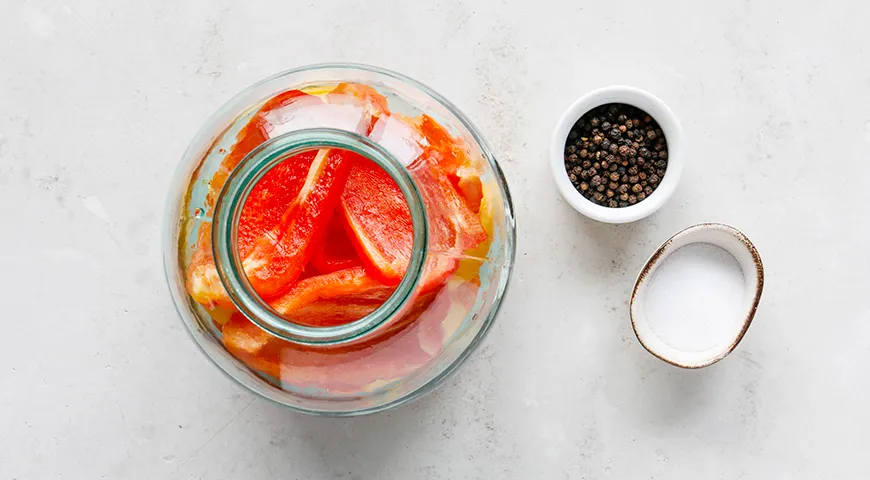
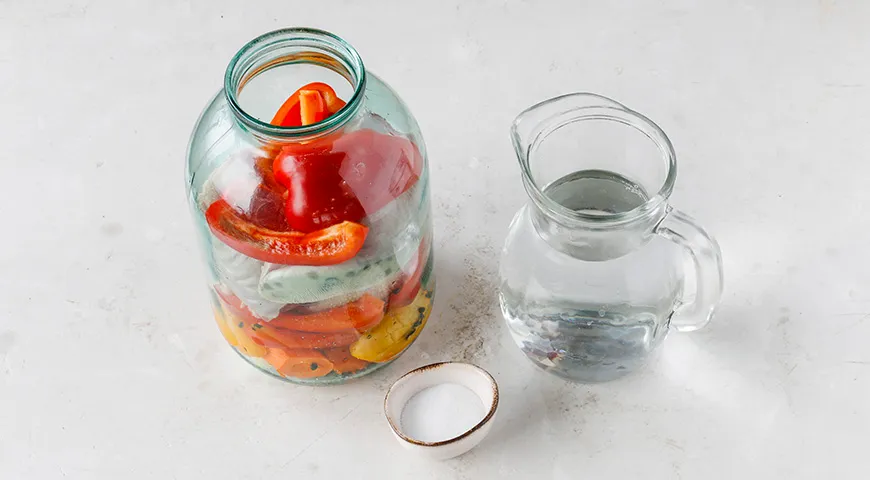
Place the vegetables into a clean 3-liter jar. Season generously with salt and add a teaspoon or two of black peppercorns. The aromatics will infuse the meat as it cooks.
Step 4: Add the Tongue and Remaining Peppers
Arrange the tongue pieces on top of the vegetables. Add the remaining bell pepper wedges. Sprinkle with a little more salt. Pour cold water into the jar until it covers just over half of the meat. Do not fill to the brim—steam needs room to circulate.
Step 5: Set Up the Water Bath
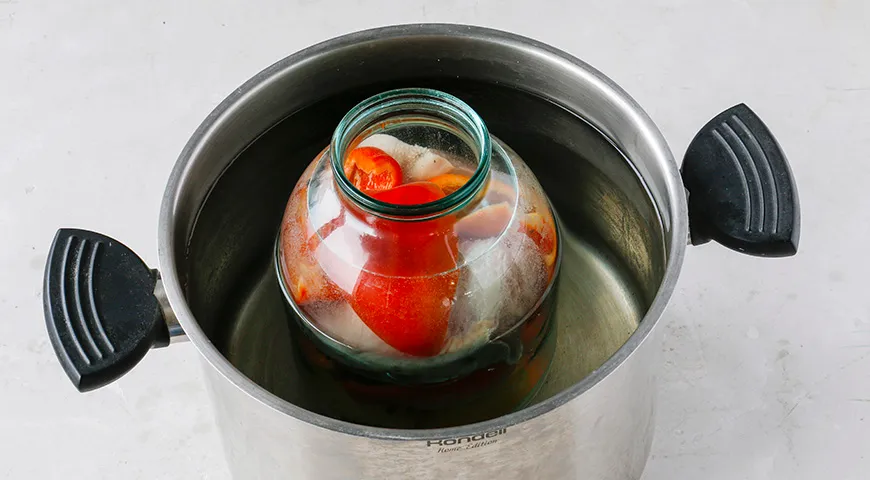
Place the jar into a large kazan or a heavy-bottomed pot (like a Dutch oven). Carefully pour water into the pot until it reaches two-thirds up the height of the jar. This water bath ensures even, gentle heat distribution.
Step 6: Seal and Cook Over Fire
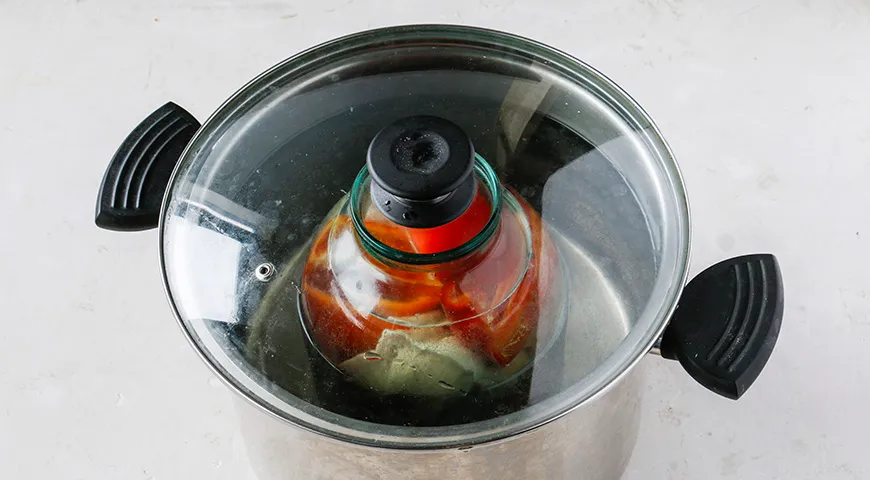
Cover the jar with a metal lid, then place an enameled bowl or a heatproof plate on top to weigh it down. If cooking over an open flame or charcoal, maintain a low, steady heat. On a stovetop, simply cover the pot with its lid. Cook for 7–8 hours. The broth should reduce by about one-third. During this time, the collagen in the tongue melts, creating a luscious texture.
Step 7: Strain and Serve
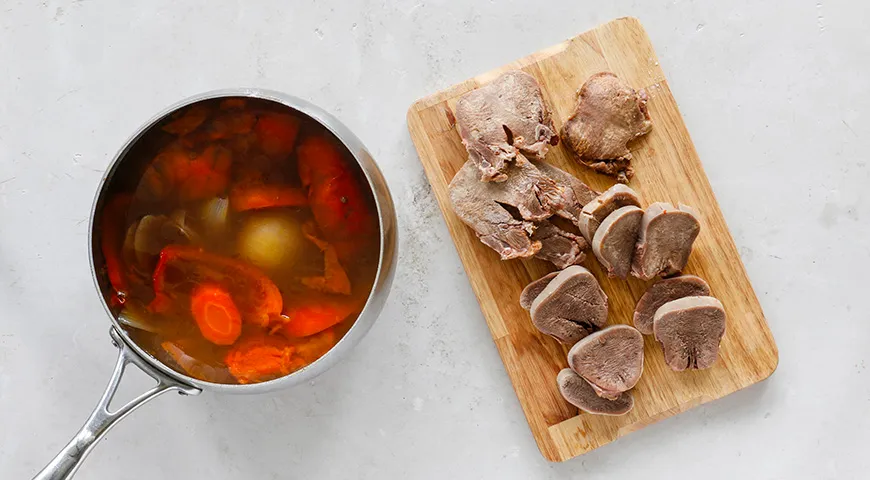
Carefully remove the jar from the pot. Pour the broth into a separate bowl. Slice the tongue into thick rounds—the skin can be left on or peeled off if desired. Serve the broth with the cooked vegetables, garnished with fresh cilantro, alongside the meat. For a more refined presentation, you can strain the broth and use it as a base for soups. A best non-toxic immersion blender is perfect for pureeing the vegetables into the broth for a smoother finish.
Tips for Perfect Beef Tongue in a Jar
- Don’t skip the skin: It insulates the meat during cooking. Peel after cooking if desired; it will come off easily.
- Maintain low heat: A boil will toughen the meat. The water bath should barely simmer. Use a best commercial countertop convection oven with a low setting if you want an alternative to stovetop—but the jar method is ideally suited for open flame.
- Season the broth lightly: You can always adjust salt later. The vegetables release natural sweetness that balances the tongue’s richness.
- For extra clarity: Skim any foam that rises from the tongue during the first hour of cooking. A best oil sprayer can help brush away impurities from the jar’s rim.
Variations and Serving Ideas
While this recipe is striking in its simplicity, you can personalize it:
- Spiced broth: Add a cinnamon stick, star anise, or a dried chili for warmth.
- Herbaceous finish: Stir chopped dill or parsley into the broth just before serving.
- Cold applications: The chilled broth will set into a natural aspic—excellent for terrines or layered sandwiches. A best steam canner can help you preserve the broth for later use.
- Pairing ideas: Serve the sliced tongue over Catalan sponge cake for an unexpected savory-sweet contrast, or alongside crusty bread and a robust red wine. For a wine recommendation, check out our best sweet wine with high alcohol content.
FAQ About Beef Tongue in a Jar with Broth
1. Can I cook this in the oven instead of on an open fire?
Yes, place the jar in a deep roasting pan filled with water (two-thirds up the jar) and bake at 120°C (250°F) for 6–8 hours. Ensure the water bath doesn’t evaporate by checking halfway.
2. Do I need to peel the tongue before cooking?
No, leave the skin on. It holds the meat together and adds gelatin to the broth. After cooking, you can easily pull it away with your fingers or a knife.
3. How long does the broth keep?
Strained broth can be refrigerated for up to 5 days or frozen for 3 months. For long-term storage, use a best steam canner to pressure-can it.
4. The recipe says 7–8 hours—can I shorten it with a pressure cooker?
Absolutely. Use a pressure cooker for 90 minutes at high pressure. The texture will be slightly different but still delicious. Refer to our best microwave pressure cooker guide for models that work well.
5. What if I don’t have a 3-liter jar?
You can use two smaller jars (1.5L each) or a single large canning jar. Adjust the vegetable quantities proportionally. For smaller jars, reduce cooking time by about 1 hour.
6. How do I serve the tongue for a crowd?
Slice it thinly and arrange on a platter with the strained vegetables. Drizzle a bit of broth over the meat to keep it moist. It pairs wonderfully with mustard or horseradish cream. For a complete appetizer menu, see our best chocolate-covered raisins article for a sweet ending.
7. Can I reuse the jar for other slow-cooked dishes?
Yes, this technique works for chicken, pork shoulder, or even mushrooms. The key is a stable water bath and airtight seal.
This Beef Tongue in a Jar with Broth is a testament to the beauty of low-and-slow cooking. It asks for your patience but rewards you with soul-warming depth. From the first sip of the aromatic broth to the last tender slice of meat, every mouthful tells a story of tradition and craft. Whether you serve it as a hearty main course or an elegant starter, this dish will linger in memory—and inspire you to explore the endless possibilities of sealed jar cooking. Hungry for more inspiration? Dive into our best refrigerant leak detector guide if you ever need to troubleshoot your kitchen equipment, or check out the best wheatgrass juicer for a fresh juice to balance the richness.







