


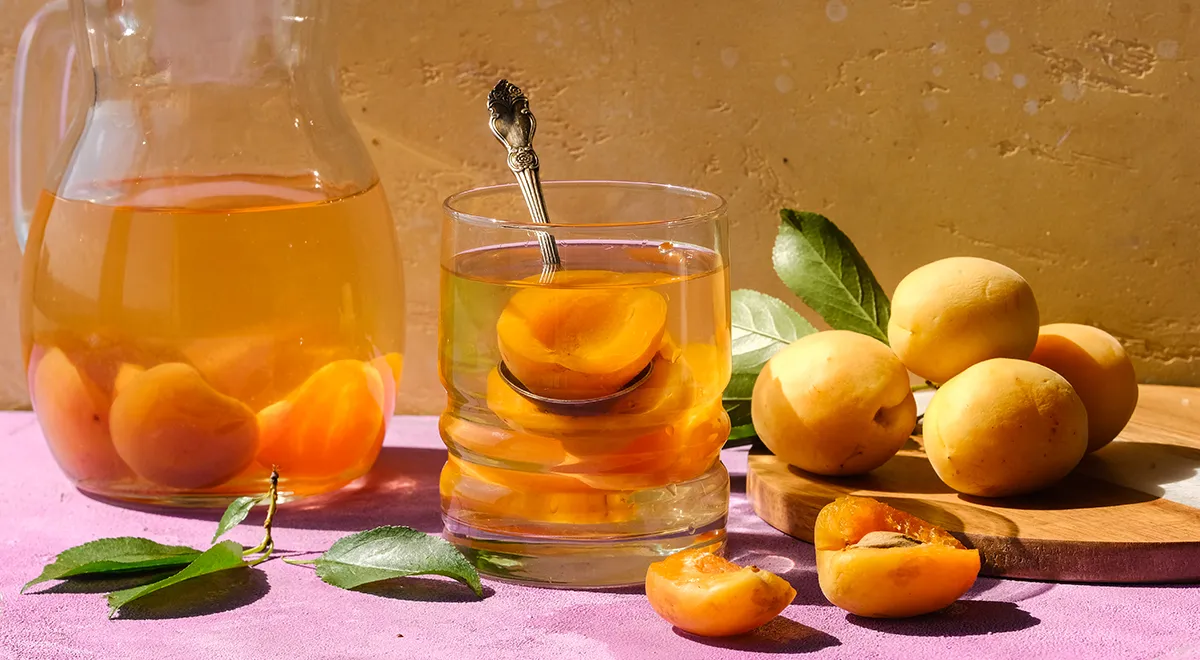
Imagine the essence of summer captured in a jar: the sweet, floral perfume of sun-ripened apricots suspended in a luminous syrup. This apricot compote without sterilization is a cherished Russian technique that preserves the fruit's natural vibrancy and texture with minimal fuss. By forgoing the traditional sterilization bath, you retain the fresh, just-picked taste and delicate mouthfeel of the apricots. It's an elegant solution for home canners who want to create a sophisticated pantry staple—perfect for elegant desserts, breakfasts, or as a refined mixer in cocktails. This method relies on a hot-fill-and-hold process that is both time-honored and reliable, ensuring safety without compromising on flavor.
About This Recipe
This recipe comes from the heart of Russian home preserving, where steam canning and no-sterilization methods are beloved for their simplicity. The technique involves filling sterilized jars with fresh apricots, pouring boiling water over them, letting them steep, then creating a syrup from the drained liquid. The result is a compote that tastes remarkably like fresh fruit, with a balanced sweetness. It's a masterclass in glass jar preservation that any home cook can master.

Ingredients
- Apricots – 800 g (about 5-6 medium apricots)
- Sugar – 200 g (about 1 cup)
- Water – as needed
These simple ingredients shine when handled with precision. Choose apricots that are ripe but firm; overly soft fruit may turn mushy. The sugar quantity can be adjusted to taste, but this ratio yields a syrup with a lovely sweetness that complements the fruit's acidity.
Step-by-Step Instructions
Step 1: Prepare the Apricots
Wash the apricots thoroughly and dry them completely with paper towels. Cut each fruit in half and remove the pit. Pack the halves tightly into a dry, sterilized jar. The tight packing ensures minimal air pockets and helps the fruit stay submerged.

Step 2: First Fill with Boiling Water
Pour boiling water from a kettle over the apricots until the jar is filled to the brim. Immediately cover with a sterilized lid and let stand for 30 minutes. This step infuses the water with apricot flavor and partially cooks the fruit, softening it slightly.
Step 3: Make the Syrup and Seal
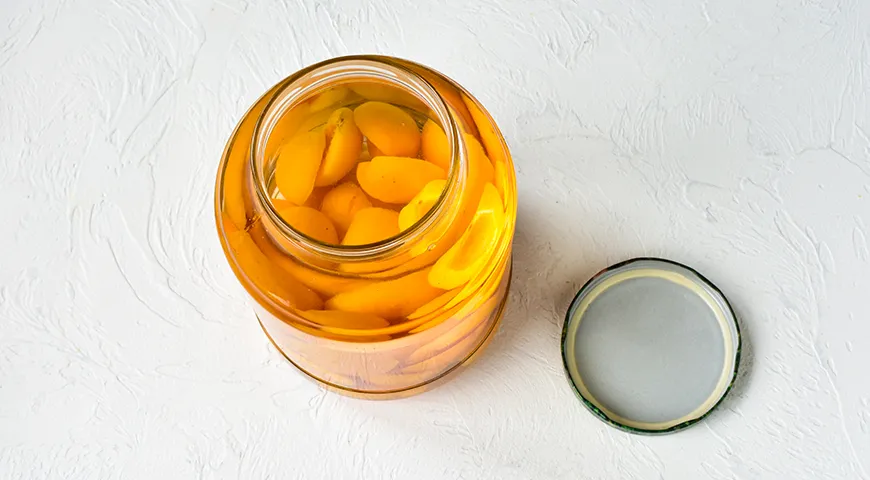
After 30 minutes, carefully drain the liquid into a saucepan using a lid with holes or a fine-mesh strainer. Add the sugar and bring to a boil over medium heat, stirring to dissolve. Boil for 3 minutes. Pour the hot syrup back over the apricots in the jar. Seal with a sterilized lid, tighten, and invert the jar onto a folded towel. Let cool completely upside down. Store in a cool, dark, dry place.

Tips for Perfect Compote
- Choose the right apricots: Use freestone varieties for easy pitting. Avoid bruised or overripe fruit.
- Sterilize jars properly: Even without a sterilization step, jars must be clean and hot. Use an oil sprayer? No, but a dedicated jar sterilizer is ideal.
- Check the seal: After cooling, press the center of the lid; it should not pop. If it does, refrigerate and use within a week.
- Use the leftover apricots: The fruit from compote is excellent for fillings. Drain and dry on paper towels before using in catalan sponge cake or as a topping.
- Adjust sweetness: For a less sweet compote, reduce sugar to 150 g. For a richer syrup, add a vanilla bean or cinnamon stick during boiling.
Variations
This base recipe invites creativity. Replace half the apricots with peaches or nectarines for a stone fruit medley. Infuse the syrup with star anise or cardamom for a lava-like depth. For a summer cocktail, use the compote as a base for a coffee-inspired spritzer? Perhaps not, but it pairs beautifully with sparkling water and a splash of vodka. The compote also makes a sophisticated gift when jarred in refrigerator-safe containers with decorative labels.
FAQ
How long will this apricot compote last without sterilization?
If stored properly in a cool, dark place (below 20°C), the compote will keep for up to one year. Once opened, refrigerate and consume within 2 weeks. The lack of sterilization means the seal is critical—ensure the lid is vacuum-sealed after cooling.
Can I use frozen apricots?
Frozen apricots contain more water and may result in a thinner syrup and softer fruit. Thaw and drain excess liquid before packing. The technique still works, but texture will be less firm. For best results, use fresh apricots for a non-toxic preserve.
What if my jar doesn’t seal?
Unsealed jars can be refrigerated and used within a week. Alternatively, reprocess the compote in a water bath for 10 minutes. The beauty of this no-sterilization method is that it relies on the hot syrup and airtight seal; if the seal fails, treat it as a refrigerated condiment.
Can I reduce the sugar?
Yes, but sugar acts as a preservative. For a lower sugar version, reduce to 150 g and store in the refrigerator for up to 3 months. For long-term storage at room temperature, stick to at least 200 g. You can also use a natural sweetener like honey, but that may alter flavor.
How do I use the apricots after making compote?
Drain the apricots and pat dry. They are fantastic in pastries, such as turnovers or planetary mixer cakes. They also work well in savory dishes like pork tenderloin or as a topping for espresso machine crème brûlée. The syrup is excellent for glazing or as a cocktail mixer.
Is this method safe for canning?
Yes, when done correctly. The combination of high-acid fruit (apricots have a pH around 3.5) and boiling syrup creates an environment inhospitable to pathogens. Always use clean, sterilized jars and lids. This method is similar to the microwave pressure cooker approach but without added equipment.
Can I double or triple the recipe?
Absolutely. Scale ingredients proportionally. Use multiple jars and ensure each jar gets the same treatment. A commercial convection oven isn't needed, but keep jars hot and work quickly. For larger batches, consider a dedicated canning kit.
Why This Recipe Works
The lack of sterilization preserves the apricots' natural pectin and texture, resulting in fruit that holds its shape beautifully. The 30-minute steeping step extracts flavor and softens the fruit just enough. The syrup, boiled for 3 minutes, reaches a concentration that protects against spoilage while staying delicate. This technique is a wheatgrass juicer? No, but it's a testament to traditional food preservation wisdom. Serve this compote chilled over Greek yogurt, spooned onto sponge cake, or simply sipped as a refreshing drink. It's summer in a jar, achieved with elegance and ease.
Pro tip: For an extra layer of sophistication, add a strip of lemon zest or a sprig of thyme to the syrup before sealing. This apricot compote without sterilization will become a signature preserve in your home kitchen.







