


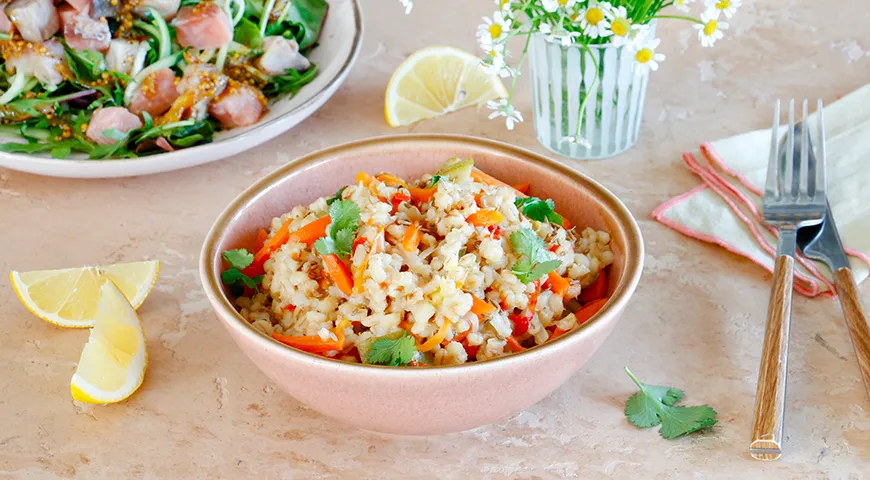
Pearl barley, often relegated to soups and stews, takes center stage in this rustic yet refined vegetable plov. Rooted in the traditions of Central Asian cuisine, this one-pot dish transforms humble grains into a fragrant, hearty meal. The key lies in toasting the pearl barley until it darkens and releases a nutty aroma, then layering it with caramelized onions, sweet peppers, tender zucchini, and earthy carrots. A whisper of cumin and fresh garlic elevates every bite. Perfect for a cozy weeknight dinner or a meal-prep staple, this vegetable pearl barley pilaf is a testament to how simple ingredients, treated with care, can yield extraordinary depth. For more inspiration on versatile cooking techniques, explore our guide to the best microwave pressure cooker for quick grain cooking.
About This Recipe
This vegetable plov draws on the classic Uzbek pilaf method, substituting lamb or beef with a medley of seasonal vegetables. The pearl barley is dry-toasted to unlock its innate toasty flavor, then simmered in boiling water until tender but not mushy. The vegetables are sautéed separately to build a caramelized foundation, then combined with the grain and cooked together, allowing the flavors to meld. The result is a dish that is both comforting and elegant—each grain separate, each vegetable retaining its character. This recipe is also naturally vegan and gluten-free, making it a crowd-pleaser. If you enjoy exploring global grain dishes, we highly recommend our Catalan sponge cake recipe for a sweet finish.

Ingredients
- 200 g pearl barley
- 1 red bell pepper (200 g)
- 1 medium zucchini (300 g)
- 2 medium carrots (300 g)
- 2 large onions (400 g)
- 4 garlic cloves (20 g)
- 70 g vegetable oil
- 1 tsp cumin seeds (3 g)
- Salt to taste
For best results, use the best oil sprayer to evenly coat the pan for toasting the barley and sautéing vegetables.
Step-by-Step Instructions
Step 1: Prepare the Vegetables
Peel the carrots and cut into thick matchsticks. Peel the onions and slice into thin half-rings. Core the bell pepper and slice into strips. Dice the zucchini into 2 cm cubes. Crush, peel, and mince the garlic. This uniform cutting ensures even cooking. A sharp knife set from the best food processor for nut butter can speed up prep if you prefer a finer chop.

Step 2: Toast the Pearl Barley
Place the dry pearl barley into a dry cauldron or large deep skillet. Set over medium-low heat and toast, stirring constantly to prevent burning, until the grains darken slightly and smell nutty—about 8 minutes. This step is crucial for unlocking the grain's full flavor.
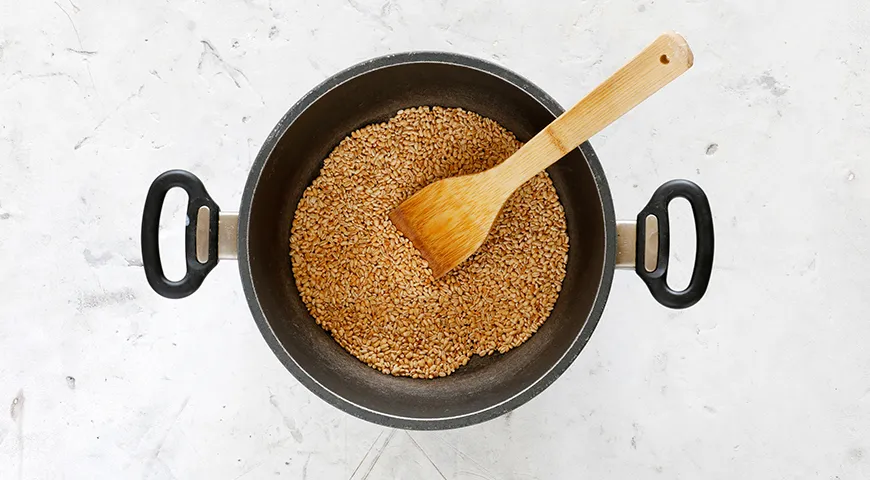
Step 3: Remove Barley, Cook Onions
Transfer the toasted pearl barley to a bowl. In the same pot, heat the vegetable oil over high heat. Add the onions and sauté, stirring frequently, until golden and softened—about 5–7 minutes. For even heat distribution, consider using the best commercial countertop convection oven if you prefer oven-roasted onions.

Step 4: Add Carrots and Bell Pepper
Add the carrots and bell pepper to the pot. Continue cooking over high heat, stirring occasionally, for 10 minutes until the carrots begin to soften. The high heat encourages caramelization, deepening the vegetable sweetness.

Step 5: Combine and Simmer
Add the minced garlic, zucchini, cumin seeds, and salt. Sauté for 2 minutes. Stir in the toasted pearl barley. Pour in 1 liter of boiling water, stir, and bring to a boil. Reduce heat to low, cover tightly, and cook for 30 minutes without lifting the lid. The steam creates a perfect cooking environment. If you have trouble with stovetop simmering, consider using the best non-toxic air fryer for roasting vegetables separately.

Tips for Perfect Vegetable Plov
- Use a heavy-bottomed pot or cauldron to prevent scorching and ensure even heat distribution. For precise temperature control, a best planetary mixer is not needed here, but a reliable stove is key.
- Do not skip the barley toasting—this step develops a nutty flavor that defines the dish.
- Resist the temptation to stir after adding water; a steady simmer without agitation keeps grains fluffy.
- Let the pilaf rest for 10 minutes off heat before fluffing with a fork.
Variations
Swap the zucchini for eggplant or add chickpeas for extra protein. For a spicier kick, include a chopped chili with the garlic. You can also use brown rice or quinoa in place of pearl barley; adjust liquid and cooking time accordingly. If you're looking to expand your grain repertoire, check out our best steam canner for preserving seasonal vegetables to use year-round.
Frequently Asked Questions
Can I use other grains instead of pearl barley?
Yes, though cooking times vary. Brown rice works well with a 40-minute simmer; quinoa needs only 15 minutes after toasting. Adjust liquid accordingly.
Why is my plov mushy?
Overcooking or excessive liquid is usually the cause. Measure the boiling water precisely and maintain a low, steady simmer. Using a best undercounter ice maker machine for cold water is not relevant, but precise measuring cups help.
Can I make this ahead of time?
Absolutely. This pilaf reheats beautifully. Store in an airtight container in the refrigerator for up to 4 days. Add a splash of water when reheating to restore moisture.
Is this recipe gluten-free?
Pearl barley contains gluten. For a gluten-free version, substitute with certified gluten-free oats or buckwheat groats.
What can I use instead of cumin seeds?
Ground cumin works, but use half the amount. Coriander seeds or caraway seeds are also fine substitutes.
Can I add protein?
Yes, add cubed firm tofu or chickpeas during the final simmer. For a non-vegan option, lamb pieces can be browned first—though then it's more like a traditional plov. For more one-pot meal ideas, explore our best wheatgrass juicer for fresh juice to accompany the meal.
How do I store leftovers?
Cool completely, then refrigerate in a sealed container up to 3–4 days. Freeze for up to 3 months. Thaw overnight in the fridge before reheating.







