


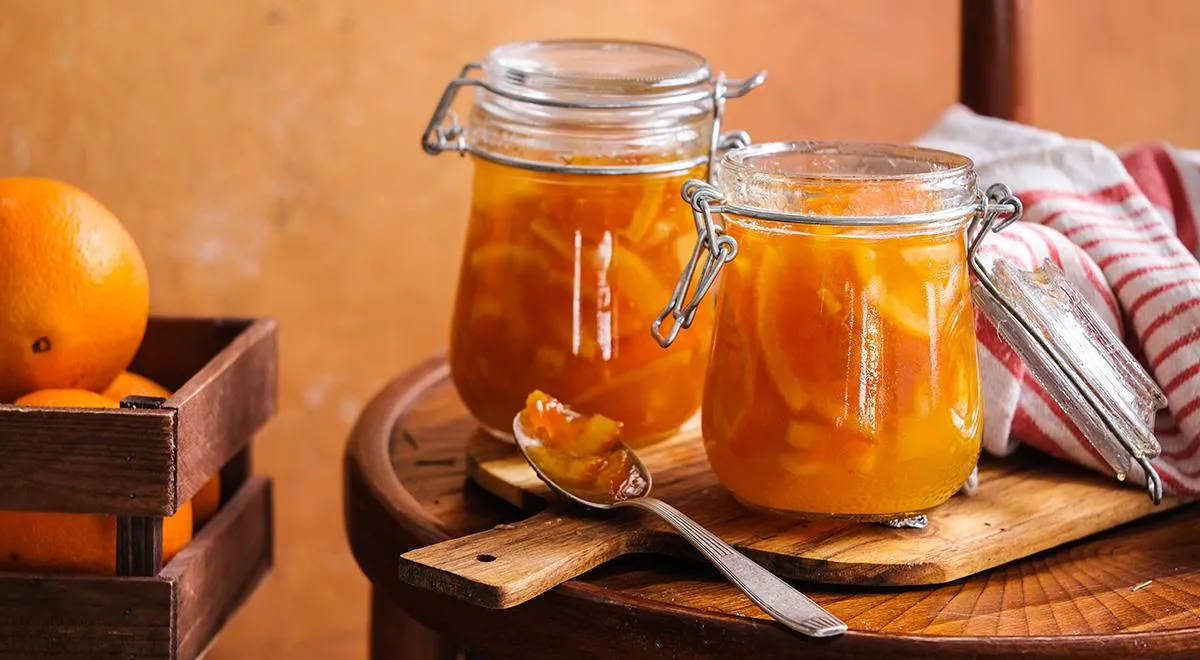
There is something almost alchemical about transforming humble citrus into a jewel-like preserve. This translucent orange marmalade, a cherished Russian tradition, captures the very essence of sun-gorged fruit suspended in a clear, wobbly amber gel. Unlike opaque jams, this marmalade shines with a purity that speaks of patience and technique. The secret lies in the pectin-rich seeds and a slow, deliberate cooking process that yields a confection both elegant and deeply satisfying. Whether spread on fresh bread, paired with aged cheese, or gifted in pretty jars, this recipe rewards the cook with a masterpiece of texture and flavor.
About This Recipe
This Russian-style marmalade is not a quick weeknight project; it is a labor of love. The method involves steeping sliced oranges and lemons in water for 24 hours, then simmering them with a muslin bundle of seeds to extract natural pectin. The result is a brilliantly clear jelly studded with tender fruit slices. The use of both oranges and lemons balances sweetness with a bright acidity, making it a versatile condiment. For best results, use a heavy-bottomed pot and a reliable thermometer — a spacious refrigerator helps cool the jars quickly, ensuring a perfect set.

Ingredients
- 6 medium oranges (about 1.2 kg)
- 2–3 lemons (about 300 g)
- 2.5 kg granulated sugar
- 3.5 L cold water
Choose organic, unwaxed fruit if possible — the peel is essential to the marmalade's character. For precise slicing, a sharp knife or food processor ensures uniform pieces that cook evenly.
Step-by-Step Instructions
-
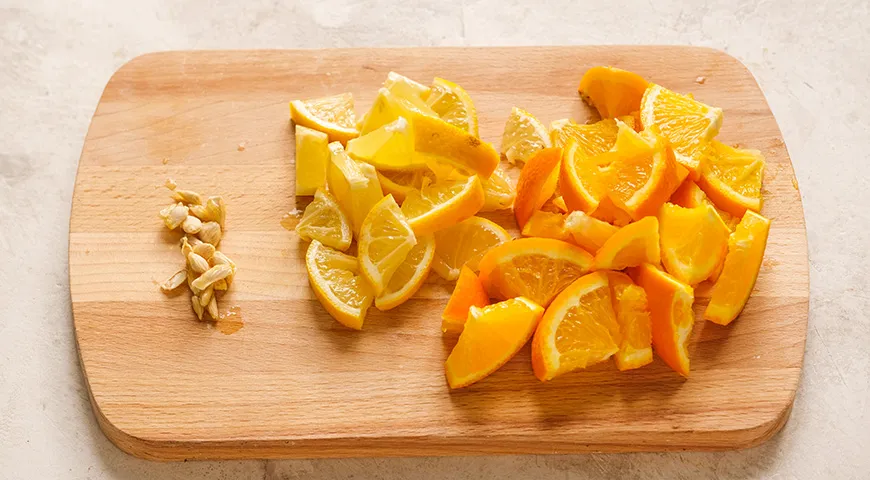
Thoroughly wash the oranges and lemons. Slice them into thin rounds, removing any seeds as you go. Reserve the seeds in a separate bowl.
-
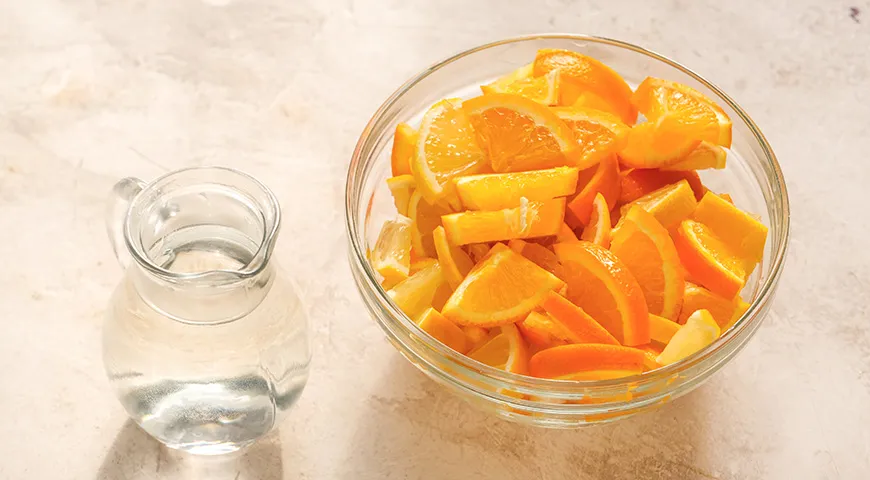
Place the sliced fruit into a large glass or plastic container. Pour in 3 liters of cold water to cover.
-
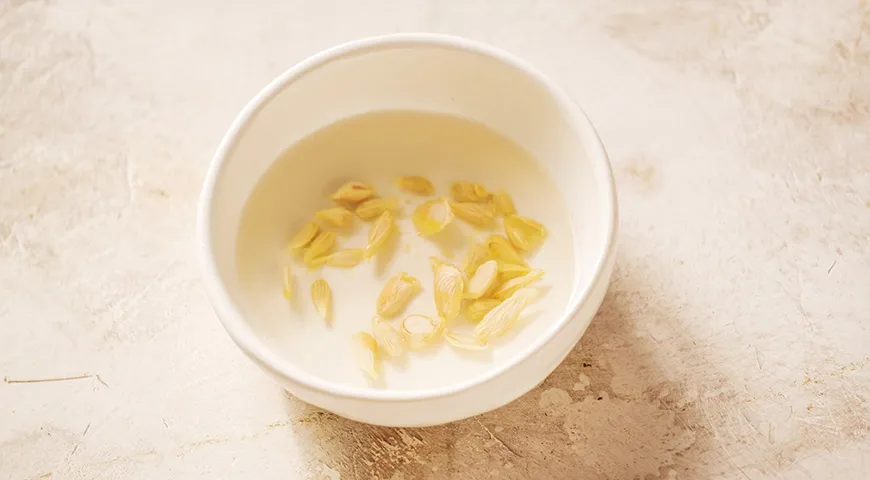
Put the reserved seeds in another bowl and cover with the remaining 500 ml water. Let both sit for 24 hours at room temperature.
-
After 24 hours, transfer the fruit and its soaking water to a large pot or saucepan. Strain the seed water through a fine-mesh sieve into the same pot.
Sponsored
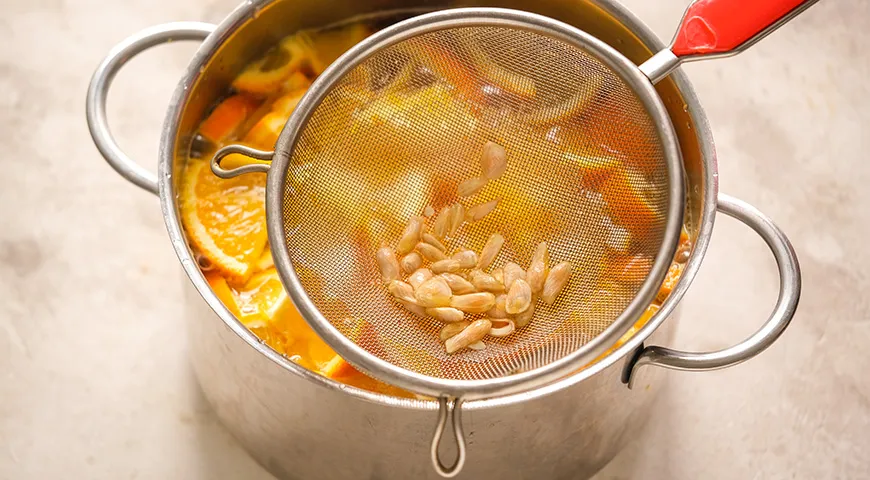
-
Tie the seeds in a piece of cheesecloth to form a pouch, and submerge it in the pot. Bring to a boil over medium heat.
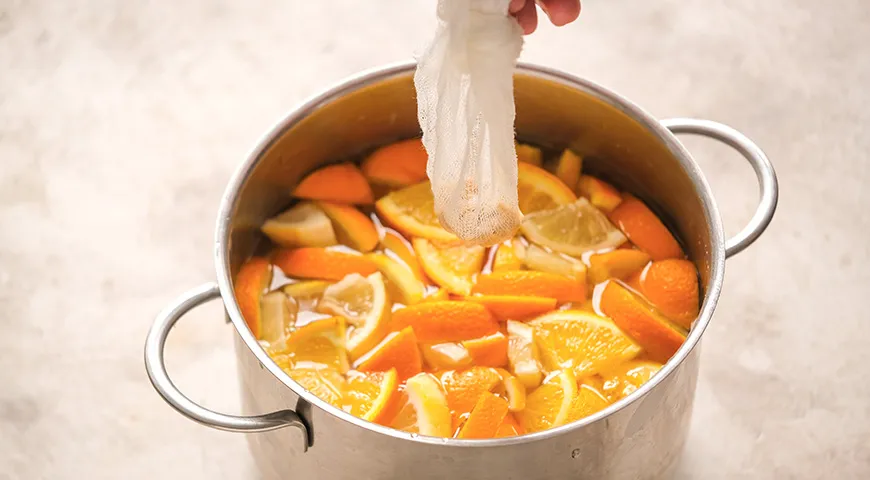
-
Reduce heat to maintain a bare simmer. Cook for about 2 hours, stirring occasionally, until the fruit is very soft. Remove and discard the seed pouch.
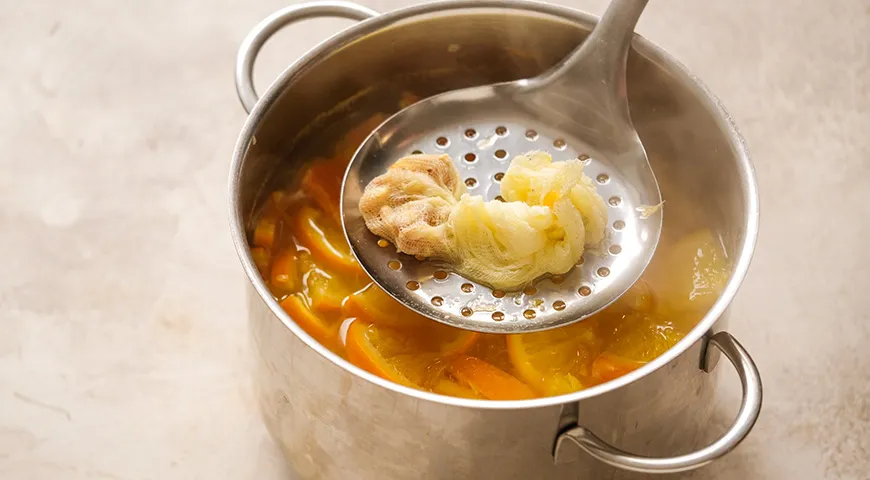
-
Add the sugar and stir with a wooden spoon over the lowest possible heat until completely dissolved. A sturdy wooden spoon helps prevent scorching.
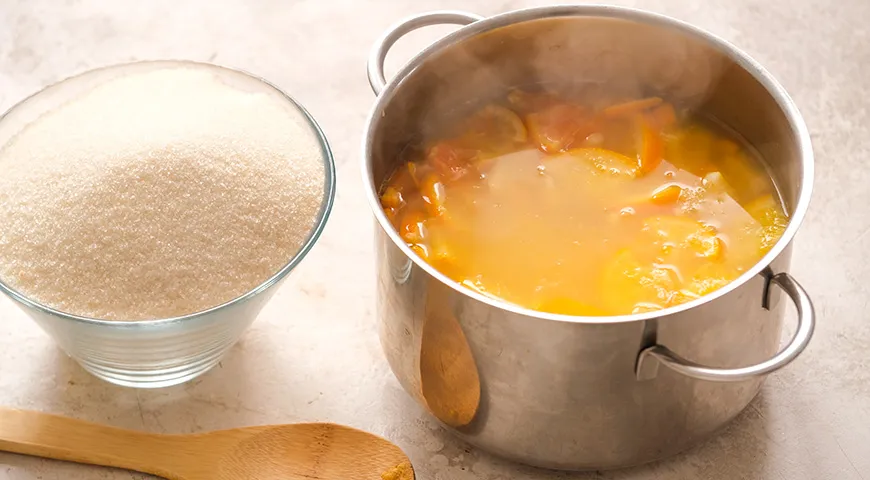
-
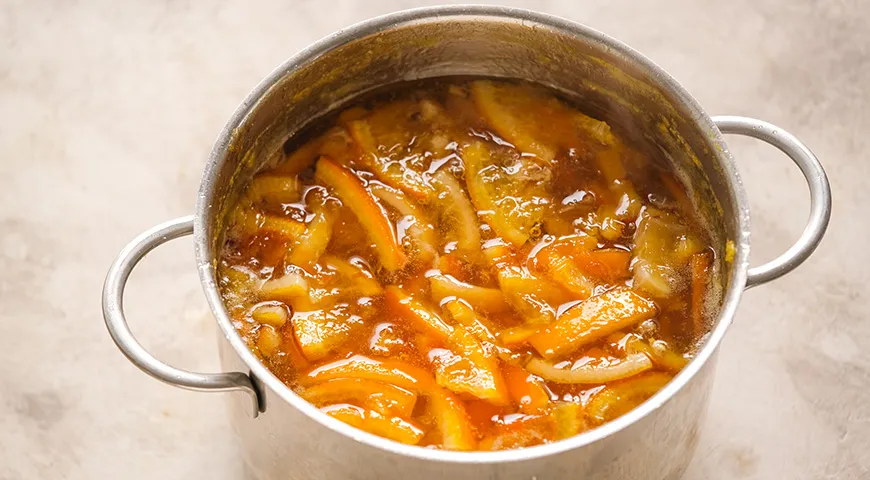
Increase heat to a rolling boil. Cook for about 30 minutes, or until the marmalade reaches 105–107°C (221–225°F) on a candy thermometer. Alternatively, test by placing a small drop on a chilled plate — it should wrinkle when pushed with a finger.
Sponsored
-
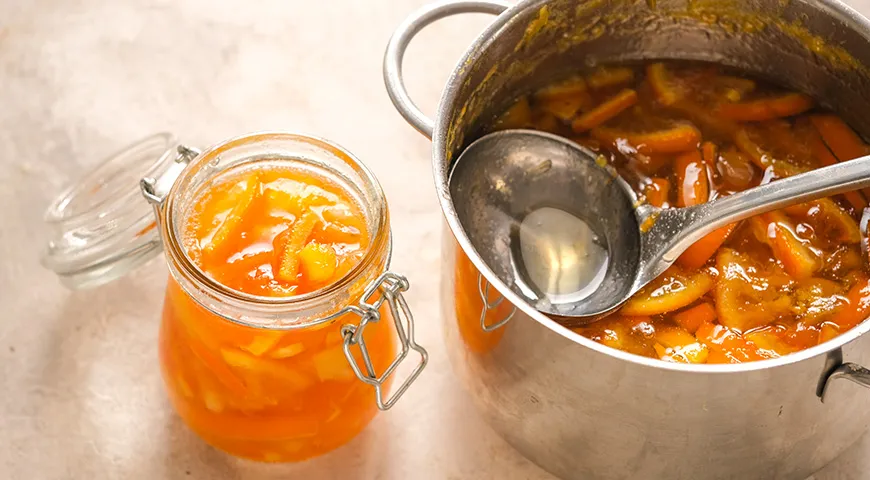
Remove from heat and let cool for 15–20 minutes. Stir once, then ladle into clean, dry jars. Seal immediately. A steam canner ensures proper preservation if storing long-term.
Tips for Perfect Translucency
Achieving that crystal-clear look requires attention to detail. Never stir vigorously once sugar is added — that incorporates air bubbles. Use a fine-mesh skimmer to remove any foam that rises during boiling. If you prefer a smoother texture, an immersion blender can puree the fruit before adding sugar, though you’ll lose some translucency. For the brightest color, choose organic citrus and avoid overcooking.
Variations to Explore
This recipe is a canvas for creativity. Swap half the oranges for grapefruit for a bittersweet twist. Infuse the simmering fruit with a vanilla bean or a cinnamon stick. For a spicy kick, add a sliced jalapeño during the last 10 minutes of boiling. Pair with cheese or charcuterie for an unexpected pairing. If you enjoy layered textures, fold in finely chopped candied ginger before jarring.
Frequently Asked Questions
Why does my marmalade have a cloudy appearance?
Cloudiness usually results from undercooking the fruit or stirring too vigorously during the boil. Ensure the fruit softens completely in the 2-hour simmer, and avoid agitating the mixture once sugar is added.
Can I reduce the amount of sugar?
Sugar is essential for both preservation and set. Reducing it may result in runny marmalade. If you’re concerned about sweetness, try pairing with a dry wine or using the marmalade in savory glazes.
How long will the marmalade keep?
Sealed properly, it will last up to a year in a cool, dark pantry. Once opened, refrigerate and use within 3 months. An ice maker is handy for quick chilling test plates.
Can I use bottled lemon juice instead of fresh lemons?
Fresh lemons are crucial for natural pectin and bright flavor. Bottled juice lacks the peel oils and acidity balance. Stick with fresh for best results.
What if I don’t have a candy thermometer?
The cold plate test works well. Place a saucer in the freezer before you start. When the marmalade is ready, drop a small amount onto the cold plate; if it wrinkles when pushed, it’s done. A reliable thermometer is a worthwhile investment for consistent results.
Why did my marmalade become too stiff?
Overcooking or too much pectin from the seeds can cause stiffness. Reduce boiling time by 5 minutes next batch. For softer texture, use fewer seeds.
Conclusion
This translucent orange marmalade is more than a recipe — it’s a meditation on turning simple ingredients into something extraordinary. The patience of the 24-hour soak and the slow simmer pays off in a jar of pure sunshine. Whether you’re a seasoned preserver or a curious beginner, this Russian classic will earn a permanent place in your kitchen repertoire. Serve alongside a Catalan sponge cake for a dessert that bridges cultures, or simply enjoy it spooned over morning yogurt.







