


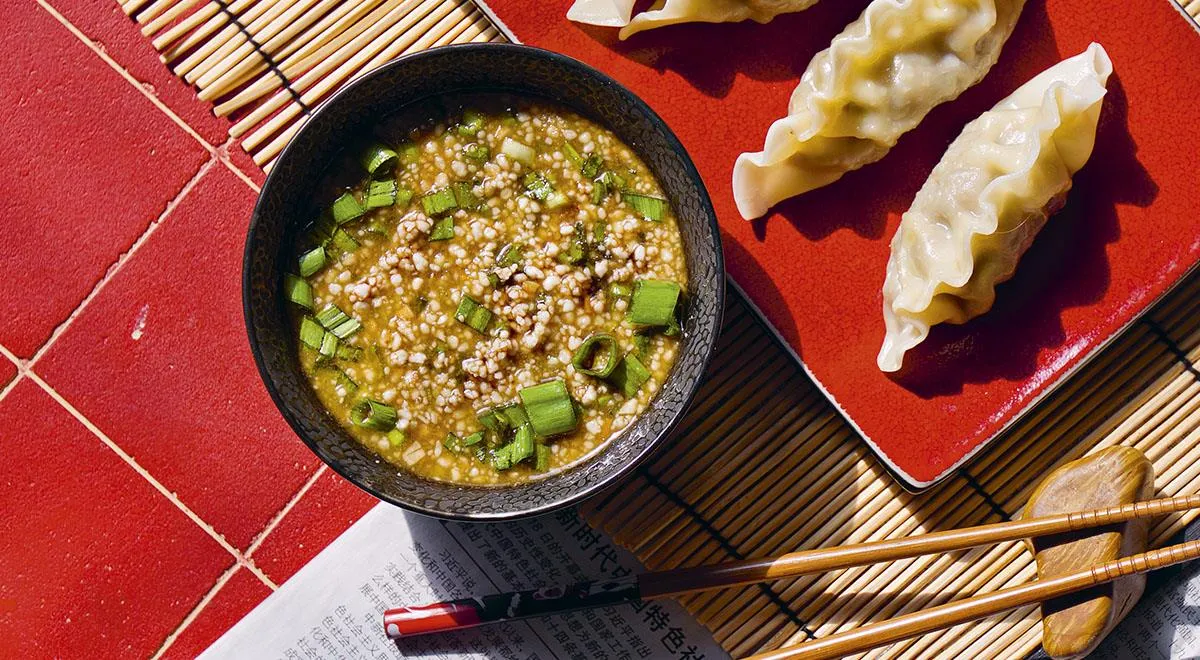
There is something profoundly satisfying about a sauce that transforms a simple dumpling into a culinary event. This peanut sauce for poultry dumplings, rooted in Southeast Asian flavor principles, achieves exactly that—a bold, nutty, savory, and slightly tangy condiment that clings to every fold of the dumpling wrapper. Whether you are hosting a dinner party or simply elevating a weeknight meal, this sauce delivers complexity with minimal effort.
About This Peanut Sauce for Dumplings
Peanut sauces have long been staples across Thai, Vietnamese, and Indonesian kitchens, often paired with grilled meats or fresh spring rolls. This particular rendition focuses on poultry dumplings—think chicken or duck Catalan sponge meets Asian dumpling—but it works beautifully with fish or vegetables. The magic lies in dry-roasting the peanuts to release their natural oils and deepen their flavor, then combining them with garlic, scallions, rice vinegar, soy sauce, and oil. For a shortcut, you can blitz everything in a blender for a thicker, more uniform sauce. The recipe is inherently flexible; swap the peanuts for walnuts, replace rice vinegar with red wine vinegar, and substitute scallions with cilantro to shift the profile toward Georgian cuisine.

Ingredients
- 40 g peanuts (raw, unsalted)
- 2 cloves garlic
- 2 stalks scallions (green onions)
- 3 tablespoons vegetable oil (neutral, like grapeseed or sunflower)
- 3 tablespoons soy sauce (low sodium preferred)
- 3 tablespoons rice vinegar
Step-by-Step Instructions
Step 1: Toast and Chop the Peanuts
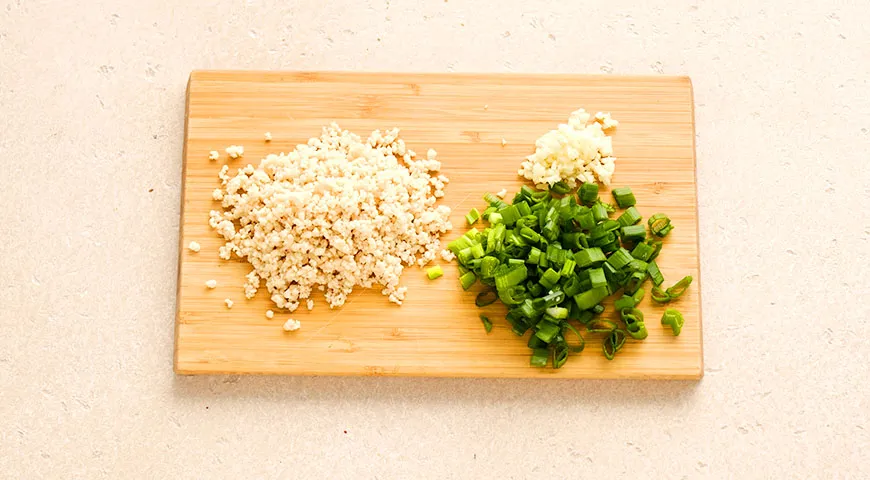
Place the peanuts in a dry skillet over medium heat. Toast for 2–3 minutes, shaking the pan frequently, until the nuts become fragrant and take on a light golden color. Be careful not to burn them—peanuts go from toasty to bitter quickly. Transfer the toasted peanuts to a cutting board and chop them into fine crumbs. A food processor can do this job in seconds if you want a more uniform texture, but hand-chopping gives you control over the crunch.
Step 2: Prep the Aromatics
Mince the garlic cloves finely. Slice the scallions into thin rounds, using both the white and green parts for maximum flavor. Set them aside.
Step 3: Combine the Sauce
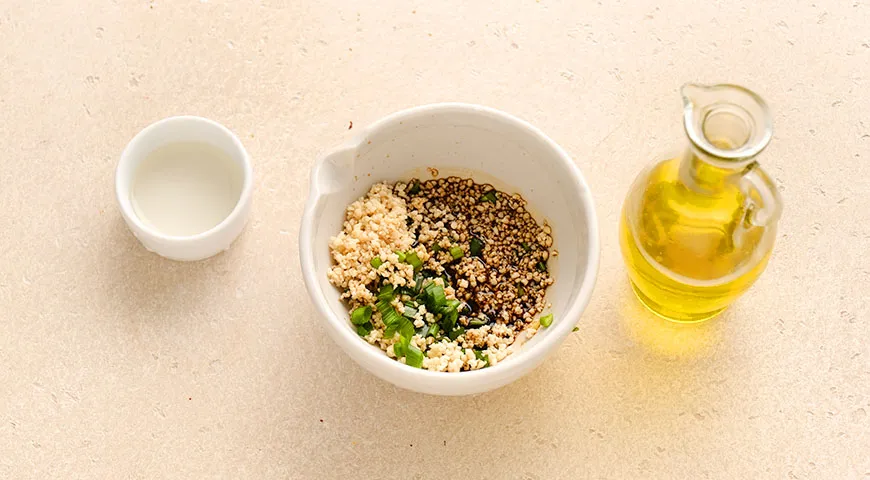
In a medium bowl, whisk together the vegetable oil, rice vinegar, and soy sauce. Add the chopped peanuts, minced garlic, and sliced scallions. Stir well until every ingredient is evenly distributed. Let the sauce rest for 5 minutes to allow the flavors to meld. If you prefer a smooth sauce, transfer everything to a blender or use an immersion blender and pulse until you reach your desired consistency—this method yields a thicker, more emulsified sauce.
Tips for the Best Peanut Dumpling Sauce
To achieve the perfect balance, use a neutral oil with a high smoke point—grapeseed or sunflower works well. If your soy sauce is very salty, start with 2 tablespoons and adjust. For added heat, toss in a pinch of chili flakes or a drizzle of chili oil. If the sauce thickens too much after resting, stir in a teaspoon of warm water or extra rice vinegar. A good oil sprayer can help you control the amount of oil when greasing the skillet for the dumplings. Always taste before serving—the sauce should be savory, tangy, and nutty, not cloying.
Variations
This recipe is remarkably adaptable. Substitute the peanuts with walnuts or cashews for a different nutty nuance. Replace rice vinegar with red wine vinegar to introduce fruity acidity—this moves the sauce toward Georgian flavor territory, especially if you swap scallions for fresh cilantro. For a creamier version, add a tablespoon of coconut milk or a dollop of peanut butter (though avoid brands with added sugar). If you are serving the sauce with seafood dumplings, a squeeze of lime juice brightens everything. For poultry dumplings, consider a touch of grated ginger or lemongrass in the mix.
FAQ
Can I make this peanut sauce ahead of time?
Yes, absolutely. Prepare the sauce up to two days in advance and store it in an airtight container in the refrigerator. Let it come to room temperature before serving, and stir well to recombine. A microwave pressure cooker can quickly reheat dumplings without drying them out.
What type of dumplings pair best with this sauce?
Steamed or pan-seared chicken or duck dumplings are ideal. The sauce also works wonderfully with pork, shrimp, or vegetable dumplings, as well as spring rolls or grilled tofu. For a complete meal, serve alongside a coffee maker? No, but a simple side of cucumber salad complements nicely.
Can I use store-bought roasted peanuts?
Yes, but reduce or skip the dry-toasting step. Bear in mind that pre-roasted peanuts often have added salt, so adjust the soy sauce accordingly. A non-toxic air fryer can also be used to toast raw peanuts quickly at 350°F for 4 minutes.
How do I make the sauce spicier?
Add ½ teaspoon of chili flakes, a minced bird’s eye chili, or a drizzle of sriracha. For a smoky heat, try chipotle powder. A planetary mixer isn't needed here, but a mortar and pestle works great for grinding chili with the peanuts.
Can I use this sauce as a marinade?
Definitely. It works as a marinade for chicken thighs or firm fish fillets. Marinate for 30 minutes at room temperature, then grill or pan-sear. The acidity from the rice vinegar helps tenderize. For best results, use a commercial countertop convection oven for even cooking.
Is this sauce gluten-free?
Only if you use tamari or certified gluten-free soy sauce. Rice vinegar is naturally gluten-free. Always check labels. A vodka pairing? Not directly, but a crisp rice wine or sake complements the Asian flavors.
How long does the sauce keep?
Store in the refrigerator for up to five days. The oil may separate, so whisk or shake before using. Do not freeze—the texture degrades. For longer storage, consider canning your own sauce using a steam canner.
This toasted peanut sauce is a testament to how a handful of pantry ingredients can create something extraordinary. Whether you spoon it over delicate poultry dumplings or dunk crispy spring rolls, it’s a flavor journey worth taking. Experiment with the variations, trust your palate, and enjoy the process. And when you need the right tools—from a food processor for nut butters to a wheatgrass juicer for healthy add-ins—remember that the best cooking comes from thoughtful preparation.







