


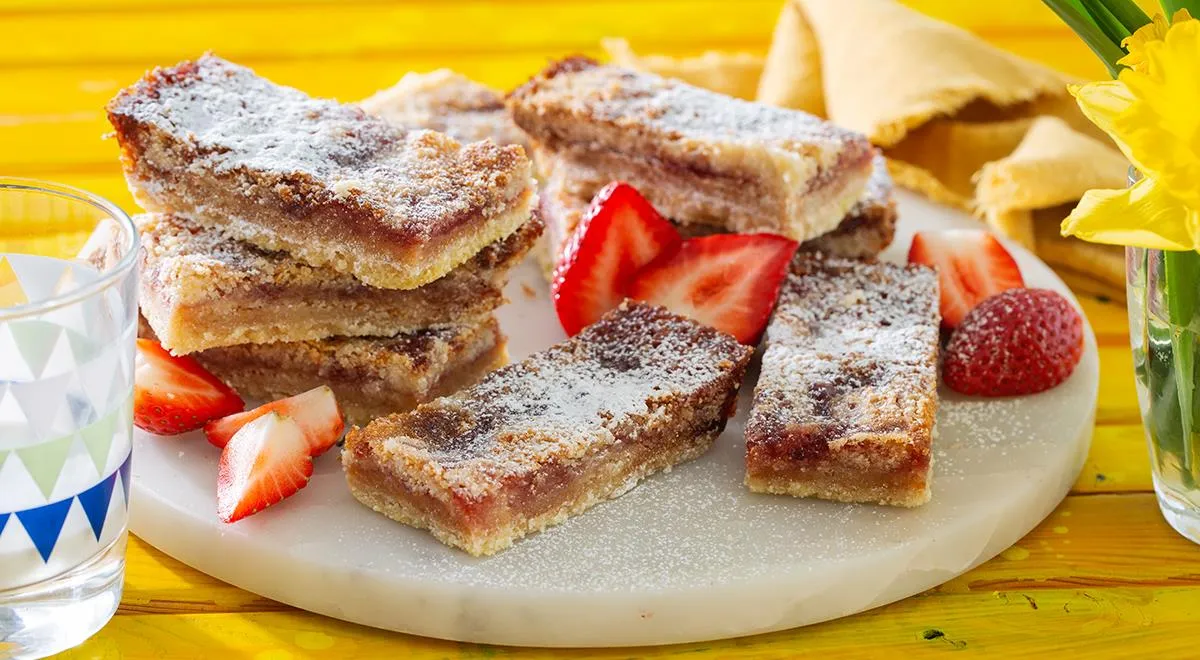
There is something deeply satisfying about a pie that requires no scale, only a single measuring cup. Known in Russian home kitchens as Nasypnoy Pirog Tri Stakana—or literally, the Bulk Pie of Three Glasses—this dessert embodies the spirit of rustic, intuitive baking. The concept is ingeniously simple: all dry ingredients are measured by volume using the same glass or cup, be it 200 ml, 250 ml, or 300 ml. The result is a crumbly, buttery crust that cradles a layer of jam, creating a texture reminiscent of a generous shortbread cookie filled with fruit.
About This Recipe
The Three Glass Pie is a beloved Soviet-era classic that has endured precisely because of its forgiving nature. It is a nasypnoy (bulk or pour) pie, meaning the dry mixture is simply poured into the pan rather than kneaded into dough. This method reduces effort and cleanup while delivering a consistently tender, sandy crumb. The jam layer provides a burst of sweetness and acidity, balancing the richness of the butter. For home bakers seeking a reliable, no-fuss dessert that never fails to impress, this pie is a triumph of simplicity. If you are new to baking without precise weights, consider reading about the best glass measuring tools to ensure accurate volumes.

Ingredients
- Wheat flour – 1 cup (any volume, e.g., 200 ml)
- Semolina (cream of wheat) – 1 cup
- Sugar – 1 cup
- Baking powder – 1 teaspoon
- Vanilla sugar – 1 packet (about 8 g) or 1 teaspoon vanilla extract
- Unsalted butter – 150 g (keep chilled, reserve ⅓ for topping)
- Jam (apricot, peach, or berry) – 300–350 ml (about 1.5 cups)
- Lemon juice – 1 tablespoon (to brighten the jam)
Using a uniform glass for each dry ingredient is key. If your jam contains whole fruits, puree it with an immersion blender for a smooth layer—review the best non-toxic immersion blenders for safe and efficient blending.
Step-by-Step Instructions
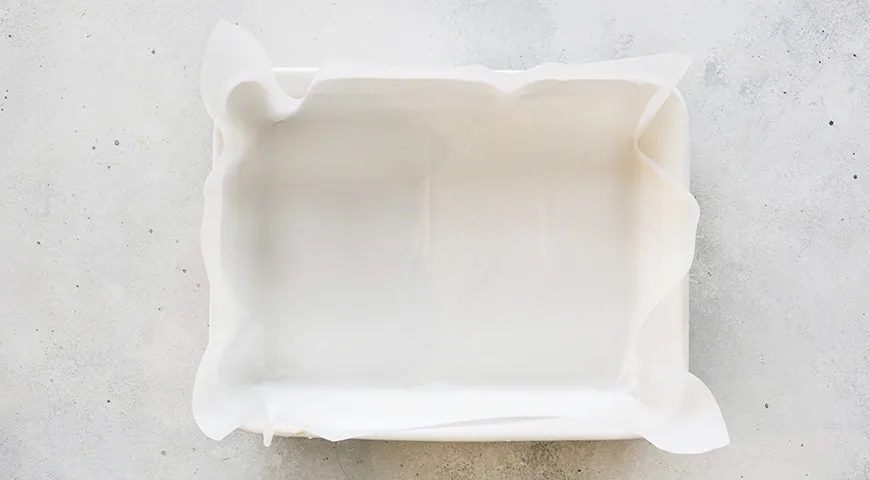
- Prepare the pan and chill the butter. Select a baking dish with sides no higher than 3 cm. Line it with parchment paper, allowing the edges to overhang. Butter the bottom lightly. Place the remaining 150 g butter in the freezer while you work. Preheat the oven to 180°C (350°F).
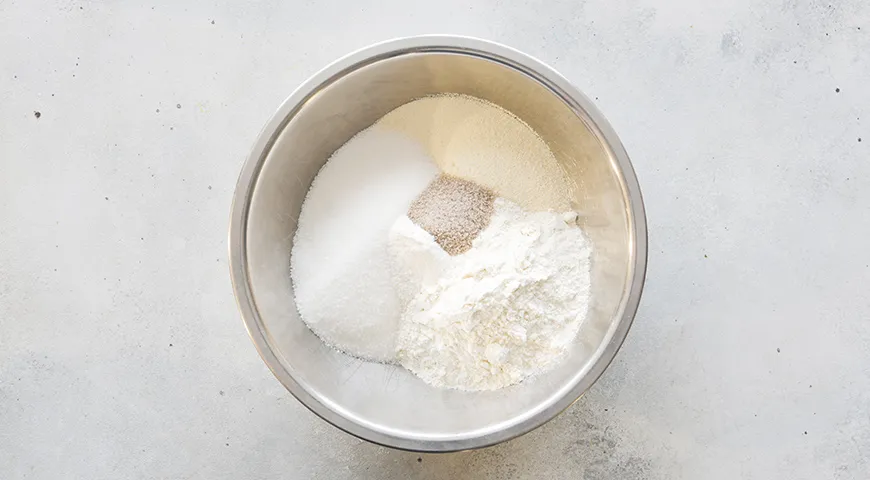
- Mix the dry ingredients. In a large bowl, whisk together the flour, semolina, sugar, baking powder, and vanilla sugar until evenly combined.
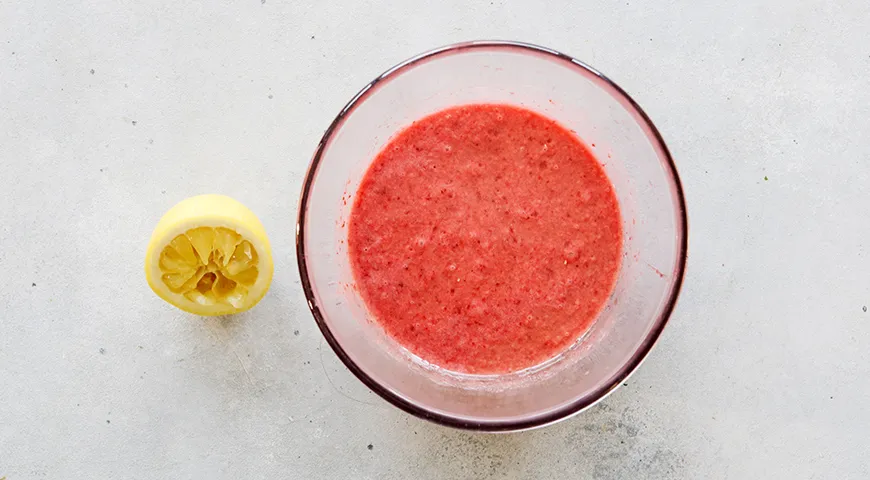
- Prepare the jam layer. In a separate bowl, stir the jam with lemon juice. If using jam with large fruit pieces (like apricot or whole berries), blend until smooth using a food processor suitable for nut butters and thick purees.
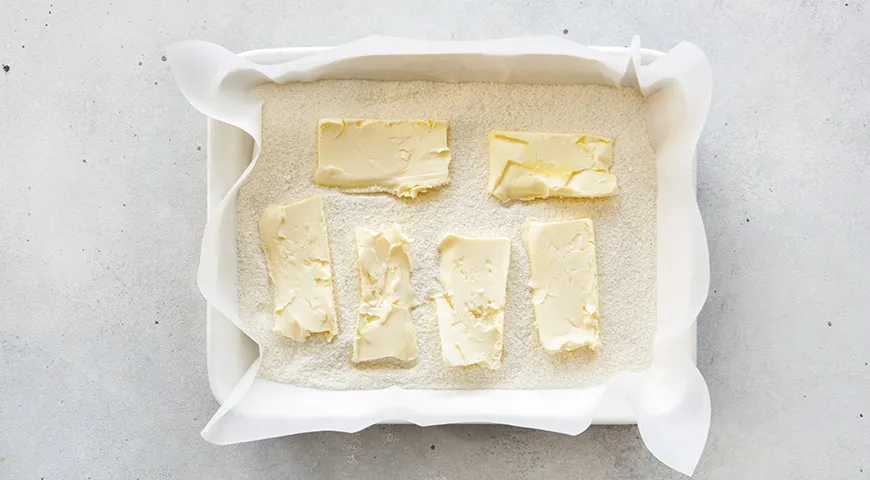
- Assemble the first layer. Pour two-thirds of the dry mixture (about 2 cups) into the prepared pan. Shake the pan gently to level the surface. Remove the chilled butter from the freezer and cut one-third of it into thin slices (about 50 g). Distribute the butter slices evenly over the dry layer.
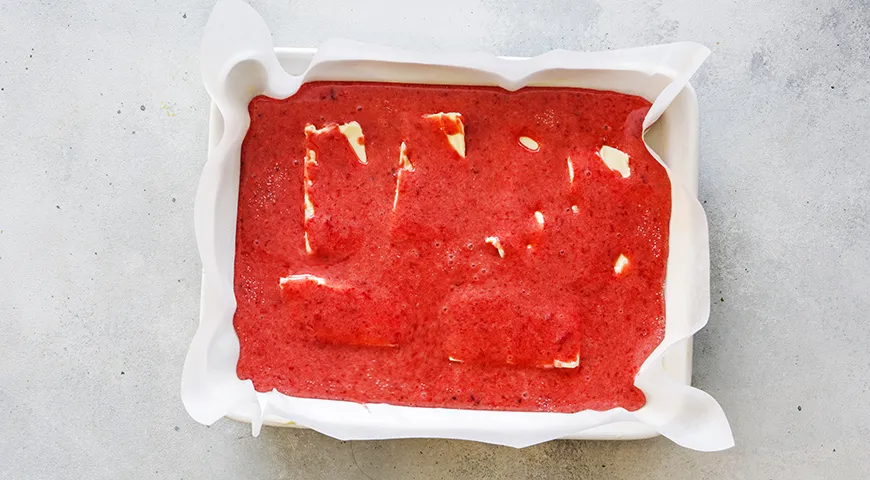
- Add the jam layer. Spoon the jam mixture over the butter-dry layer. If the jam is thick, transfer it to a piping bag (or a sturdy plastic bag with a snipped corner) to distribute it evenly in a ribbon-like pattern.
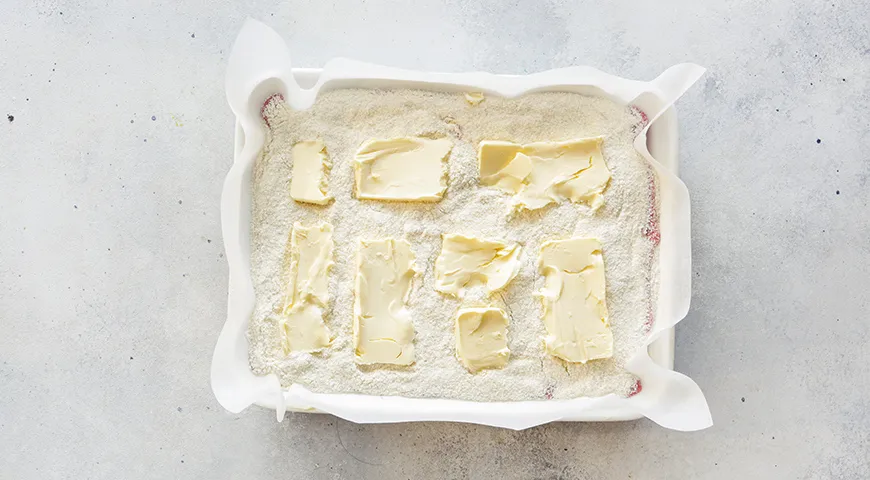
- Top with remaining crumb and butter. Sprinkle the remaining dry mixture evenly over the jam. Cut the remaining butter (about 100 g) into thin slices and lay them on top of the crumb layer.
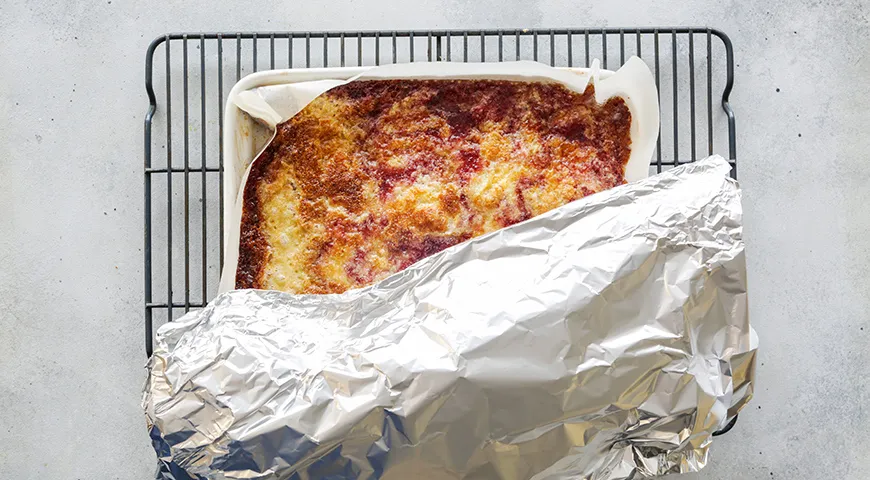
- Bake the pie. Place the pan in the preheated oven and bake for 45–50 minutes, until the top is golden brown. If the surface darkens too quickly, tent the pan with aluminum foil.
- Cool and slice. Transfer the pan to a wire rack and let the pie cool completely to room temperature. Lift the pie out using the parchment paper overhangs, then place on a cutting board. Slice into rectangular portions with a sharp knife.
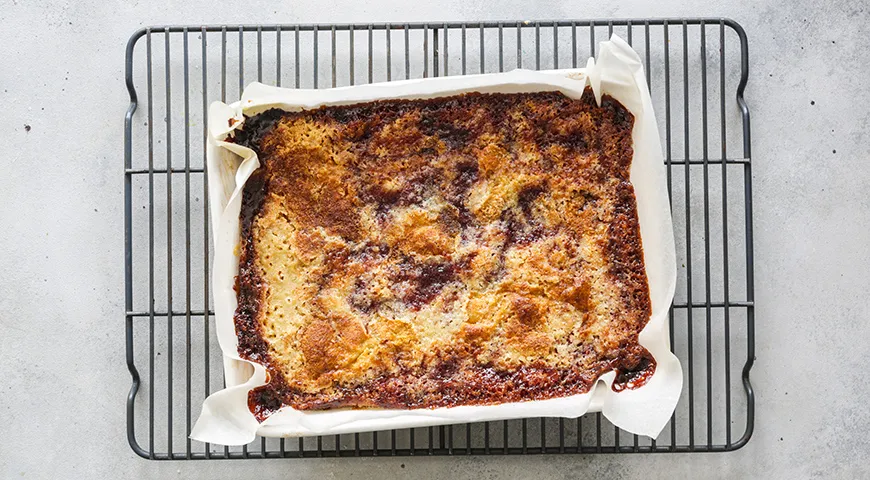
Tips for a Perfect Pie
- Butter temperature matters: Freezing the butter before slicing ensures that it melts slowly during baking, creating pockets of steam that produce a flaky, tender crumb. A reliable refrigerator temperature check can help maintain ideal storage conditions for your butter.
- Even jam distribution: Piping the jam prevents it from pooling in one spot. If you don’t have a piping bag, use a spoon and spread gently.
- No overmixing: The dry mixture should remain powdery; do not add any liquid. The butter and jam provide enough moisture during baking.
- Use good quality jam: Since jam is the star, choose one with bright flavor and moderate sweetness. Homemade or high-quality store-bought works best. For inspiration, see best steam canners for preserving your own fruit.
Variations
This recipe adapts beautifully to different fillings and flavor profiles. Swap the jam for lemon curd or a mixture of grated apple and cinnamon. For a nutty twist, replace one-quarter of the flour with almond meal. If you prefer a chocolate version, add 2 tablespoons of cocoa powder to the dry mix and use cherry jam. The bulk-pie method also works well with a layer of dulce de leche or a thin custard—just ensure the filling is not too watery. For a modern twist, consider using chocolate-covered raisins sprinkled between layers for extra texture.
Frequently Asked Questions
Can I use any type of glass or cup?
Yes—the recipe is agnostic to the exact volume. Use the same glass for all dry ingredients, whether it holds 200 ml, 250 ml, or 300 ml. The important thing is consistency.
What if my jam is too runny?
Very runny jam can make the bottom soggy. To thicken it, simmer the jam with a teaspoon of cornstarch for 2–3 minutes before using. You can also reduce the amount slightly. For advice on handling liquids, consult the best microwave pressure cookers for quick reductions.
Can I make this pie gluten-free?
Absolutely. Replace the wheat flour with a gluten-free all-purpose blend or half rice flour, half almond flour. Add an extra ½ teaspoon of baking powder to compensate for the denser structure.
How should I store leftovers?
Store the pie in an airtight container at room temperature for up to 3 days. For longer storage, freeze the unsliced pie (wrapped tightly in plastic and foil) for up to 2 months. Thaw at room temperature before serving.
Can I use salted butter?
Yes, but reduce the added salt in the recipe (the original calls for no salt because it uses unsalted butter). If using salted butter, omit any additional salt entirely.
Why did my pie turn out too dry?
This usually happens if the butter is not evenly distributed or the baking time is too long. Ensure the butter slices are thin and cover the surface. Check the pie at 40 minutes: it should be golden and feel firm yet slightly soft when pressed. For optimal oven performance, read about the best wall oven-microwave combos for consistent baking.
Can I add nuts or dried fruit?
Certainly. Sprinkle ½ cup of chopped walnuts or almonds over the jam layer before adding the top crumb. Dried cherries or cranberries also work well and complement the jam’s sweetness.
Conclusion
The Three Glass Bulk Pie is a testament to the beauty of resourceful baking. With only a handful of pantry staples and a single measuring glass, you can create a dessert that feels both nostalgic and elegant. Its crumbly-yet-tender texture, contrasting jam layer, and golden buttered crust make it perfect for afternoon tea, breakfast, or a simple dinner finale. Embrace the no-weigh philosophy and enjoy the freedom of baking by volume—your taste buds will thank you. For more inspiration on effortless desserts, explore the Catalan sponge cake recipe or discover the best coffee makers for hosting to pair with your slice.







