


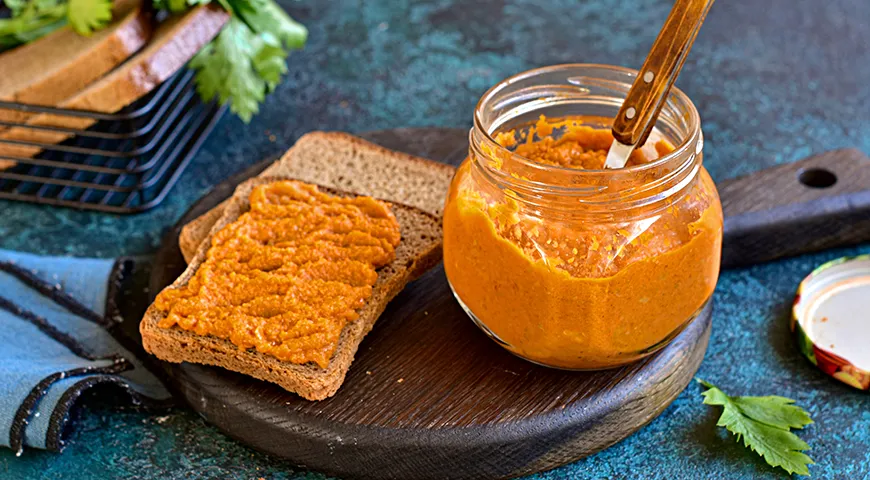
There are recipes that transcend generations, embodying the very soul of a cuisine. Russian kabachkovaya ikra—zucchini caviar—is one such treasure. Born from the resourcefulness of home cooks who transformed a prolific summer squash into a luscious, savory spread, this dish holds a cherished spot on tables from Moscow to the countryside. Our version, the simplest zucchini caviar, distills the classic to its purest essence: tender zucchini, sweet carrots, and onions, slowly melded with tomato paste and a whisper of lemon. The result is a silky, deeply flavorful preserve that tastes of summer sunshine. Whether slathered on crusty bread, served alongside grilled meats, or spooned over creamy polenta, this caviar offers a taste of authentic Russian homestyle cooking. And the best part? It requires minimal fuss, making it the ideal project for both novice canners and seasoned cooks. In this article, we guide you through every step, from selecting the best zucchini to achieving that perfect, velvety texture. Along the way, we’ll share tips to elevate your immersion blender technique and ensure a flawless finish.
About This Classic Russian Zucchini Caviar
Zucchini caviar, or kabachkovaya ikra, is a beloved staple of Russian and Ukrainian households, especially during the late summer harvest. Unlike the fish roe its name suggests, this caviar is a velvety vegetable spread, often enjoyed as an appetizer or side. Its origins lie in the Soviet era, when resourceful cooks sought to preserve the bounty of their gardens. Over decades, it evolved into a national comfort food, celebrated for its versatility and deep, caramelized flavors. The simplicity of our recipe is its genius: by salting and draining the zucchini, we remove excess moisture, concentrating flavor and ensuring a rich texture. The gentle sautéing of each component builds layers of sweetness and umami, while a touch of lemon acid brightens the final preserve. For those new to canning, this recipe is an excellent starting point—our steam canner guide can help you master safe preservation. This caviar also holds a special place in modern culinary wellness, offering a gluten‐free, dairy‐free, and naturally low‐calorie spread that fits effortlessly into balanced eating.

Ingredients
- Zucchini – 1.5 kg (about 3 large or 5 medium)
- Carrots – 450 g
- Onions – 450 g
- Tomato paste – 35 g (about 2 tablespoons)
- Salt – 15 g (2½ teaspoons)
- Sugar – 10 g (2 teaspoons)
- Citric acid – 5 g (1 teaspoon; or substitute with 2 tablespoons lemon juice)
- Vegetable oil – 30 ml (2 tablespoons), plus extra for frying
Choose firm, unblemished zucchini. For a smoother texture, opt for young squash with thin skins. If using overgrown ones, peel and seed them as directed. The carrots and onions should be fresh and sweet—organic varieties often yield superior flavor. Good‐quality tomato paste (double‐concentrated is ideal) provides deep color and richness. For a non‐stick sauté, any neutral oil like sunflower or grapeseed works beautifully. A reliable oil sprayer can help control fat without waste.
Step-by-Step Instructions
Step 1: Prepare the Zucchini
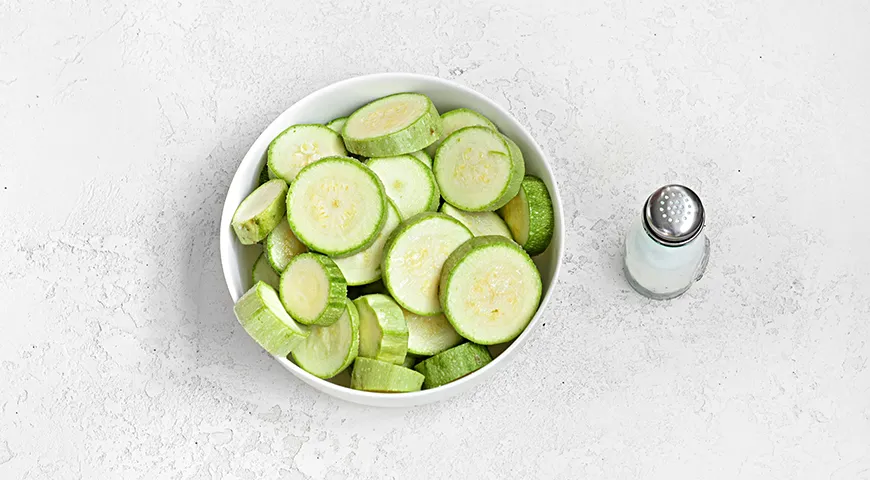
Wash and dry the zucchini thoroughly. If using large, overripe specimens, peel them and remove the seeds. Cut the squash into rounds about 1cm thick. Place slices in a colander, sprinkle with the 15g salt, and toss gently. Let stand for 25 minutes. This draws out excess moisture, which later prevents a watery caviar. After resting, drain the released liquid and pat the zucchini dry with paper towels. A food processor can also slice them uniformly—just be careful not to overprocess.
Step 2: Sear the Zucchini
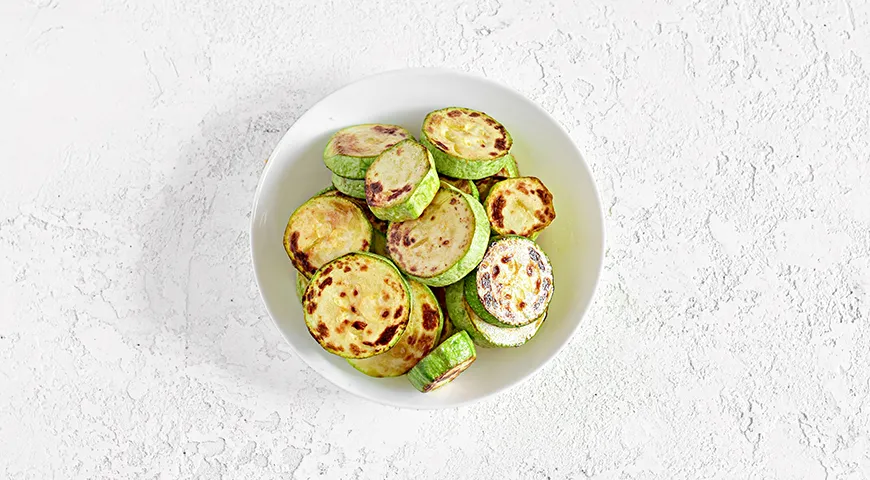
Heat a large skillet with a splash of vegetable oil over medium‐high heat. Working in batches, fry the zucchini rounds until golden brown on both sides—about 3–4 minutes per side. Avoid overcrowding the pan; this ensures a good sear rather than steaming. Transfer the cooked slices to a plate and set aside. The caramelization adds a nutty depth that defines this caviar. For even browning, consider using a commercial countertop convection oven with a sheet pan for hands‐off roasting.
Step 3: Sauté the Aromatics
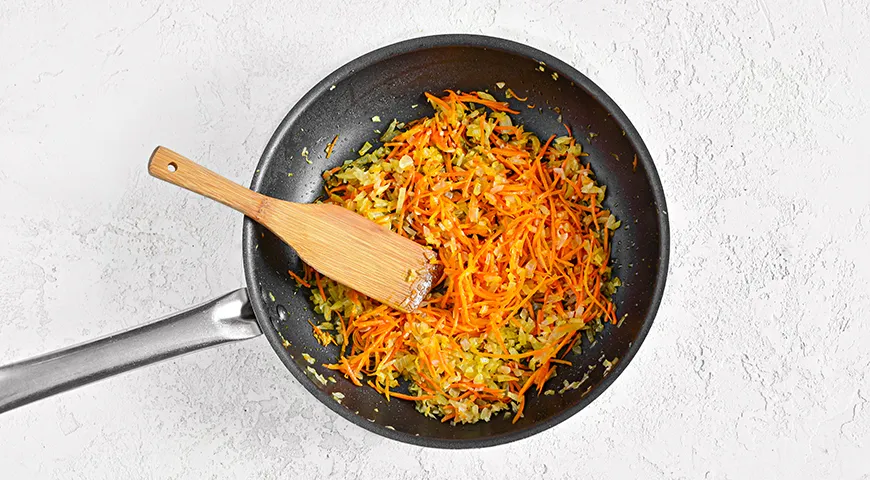
Peel and finely dice the onions. Grate the carrots on the large holes of a box grater (or use a food processor with a grating disc). In the same skillet used for zucchini, add a little more oil and sauté the onions and carrots over medium heat for about 5–7 minutes, stirring frequently, until softened and lightly golden. This builds a sweet, aromatic base. If you own a planetary mixer with a vegetable slicer, it can speed up the prep dramatically.
Step 4: Blend into a Purée
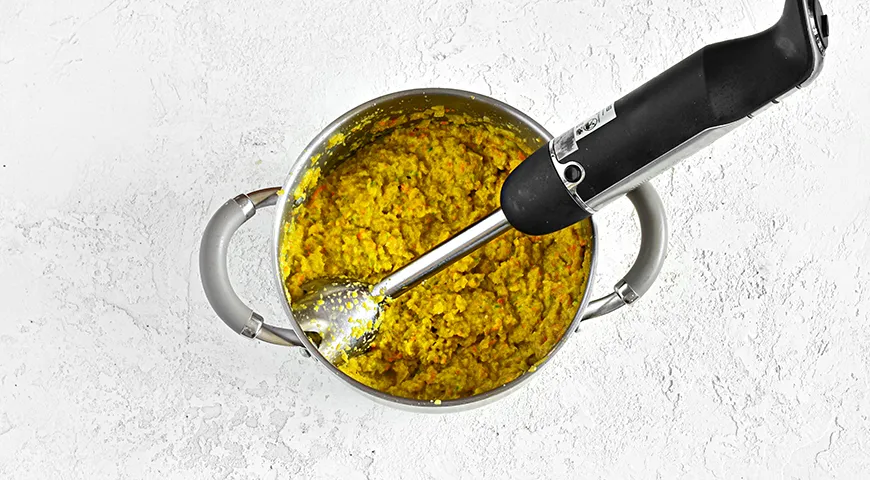
Now comes the transformation. Transfer the fried zucchini and the sautéed vegetables into a heavy‐bottomed pot (enameled cast iron works beautifully). Use an immersion blender to purée until completely smooth—no lumps allowed. If you prefer an even finer texture, a best non-toxic immersion blender ensures safety and silky results. Alternatively, use a countertop blender in batches. Once smooth, place the pot over medium heat.
Step 5: Season and Simmer
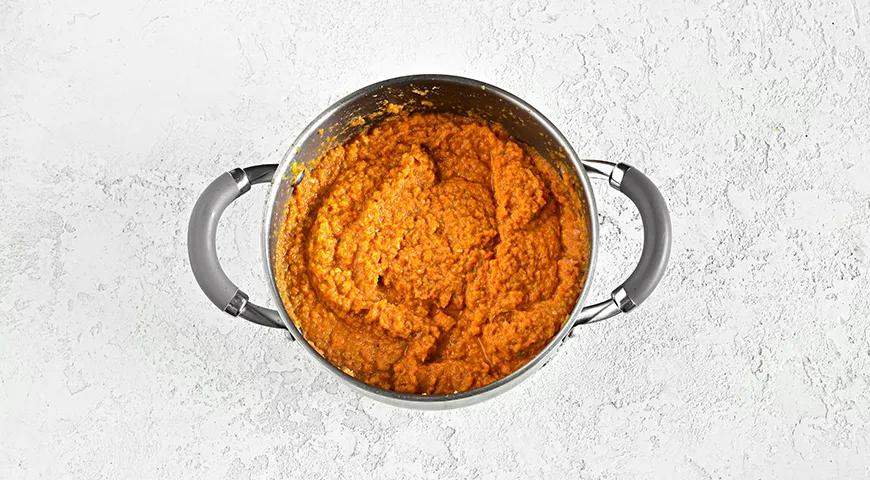
Stir in the tomato paste, sugar, and citric acid. If you swapped in lemon juice, add it now. Bring the purée to a gentle boil, then reduce heat to low. Simmer uncovered for 20–25 minutes, stirring occasionally, until the mixture thickens and deepens in color. The flavors will meld and concentrate. Be patient—this slow simmer is key to a spreadable consistency. For consistent heat, a microwave pressure cooker can speed this step, but the traditional stovetop method allows better control.
Step 6: Can and Store
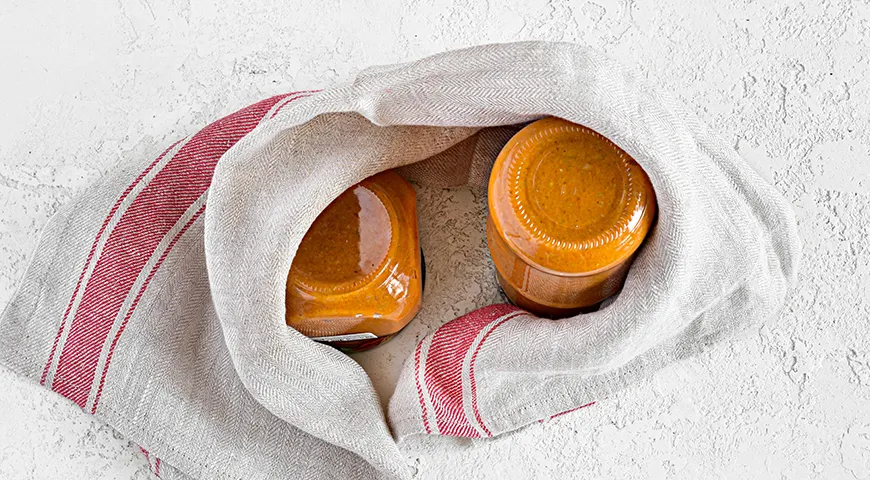
While the caviar simmers, prepare your jars. Wash them thoroughly with baking soda (or in the dishwasher). Sterilize by boiling or using a steam canner. Ladle the hot caviar into hot jars, leaving 1cm headspace. Wipe rims, seal with sterilized lids, and process in a boiling water bath for 10 minutes (adjust for altitude). After processing, remove jars, invert briefly, then wrap in towels and let cool undisturbed for 12 hours. Store in a cool, dark pantry for up to one year. Once opened, refrigerate and consume within a week.
Tips for Perfect Zucchini Caviar
- Control moisture: Salting the zucchini is non‐negotiable. Skip this step and you risk a watery, bland caviar. Pat dry thoroughly before frying.
- Build flavor: Don’t rush the browning. Deep caramelization of the zucchini and aromatics creates a complex taste. A non-toxic air fryer can also brown zucchini beautifully with less oil.
- Texture preference: For a chunkier style, pulse the blender instead of puréeing fully. For a silky spread, blend longer. If you love a super‐smooth finish, push the purée through a fine‐mesh sieve.
- Adjust acidity: Citric acid ensures safe canning and bright taste. If using lemon juice, increase to 2 tablespoons. You can also add a pinch of smoked paprika or garlic powder for a twist.
Variations to Explore
This recipe is a canvas for creativity. Swap half the zucchini with eggplant for a baba ganoush‐inspired variation. Add sautéed bell peppers for extra sweetness, or a minced chili for heat. For a richer umami, stir in a tablespoon of organic vodka while simmering—the alcohol evaporates, leaving depth. Those following a low‐FODMAP diet can omit the onion and use the green parts of leeks. If you enjoy fermentation, try adding a splash of brine from sauerkraut during simmering. A dusting of fresh dill or parsley just before serving brightens the flavor. For a modern appetizer, dollop caviar onto crostini with crumbled feta and a drizzle of good olive oil.
Frequently Asked Questions
Can I freeze zucchini caviar instead of canning?
Absolutely. Allow the caviar to cool completely, then transfer to freezer‐safe containers or zip‐top bags. Leave 2cm headspace for expansion. Freeze for up to 6 months. Thaw overnight in the refrigerator and stir well before serving. The texture may be slightly softer than canned, but the flavor remains excellent.
Why is my zucchini caviar too watery?
This usually happens when the zucchini isn’t salted long enough or the caviar isn’t simmered to reduce properly. Ensure you drain the salted zucchini thoroughly and pat dry. During simmering, leave the pot uncovered to allow steam to escape. If it’s still thin, continue cooking for another 10 minutes, stirring constantly.
Can I use a food processor instead of an immersion blender?
Yes. A best glass food processor gives a very consistent purée. Work in batches to avoid overfilling, and let the mixture cool slightly before blending to prevent steam buildup. An immersion blender, however, is more convenient as you can blend directly in the pot.
Does this recipe work with yellow squash or pattypan?
Certainly. Yellow squash or pattypans can be substituted in equal weight. Their flavor is milder, so you may want to increase the tomato paste slightly. The cooking time remains similar. Just note that yellow squash tends to have a thinner skin, so peeling isn’t necessary unless they are large.
How long does opened zucchini caviar last in the fridge?
Once you open a jar, keep it refrigerated and use within 5–7 days. The caviar is best consumed soon after opening to enjoy its fresh taste. Always use a clean spoon each time to avoid introducing bacteria. If you see any mold or off odors, discard immediately.
Final Thoughts
This simplest zucchini caviar captures the heart of Russian home cooking: humble ingredients transformed into something exquisite. With minimal effort and a few pantry staples, you can create a preserve that brings joy through the colder months. Whether you enjoy it as a nostalgic childhood memory or a new culinary discovery, this caviar is a testament to the beauty of simplicity. For more preserving inspiration, explore our other spreads and sweet treats on the blog. Happy cooking, and may your pantry be full of summer’s best!







