


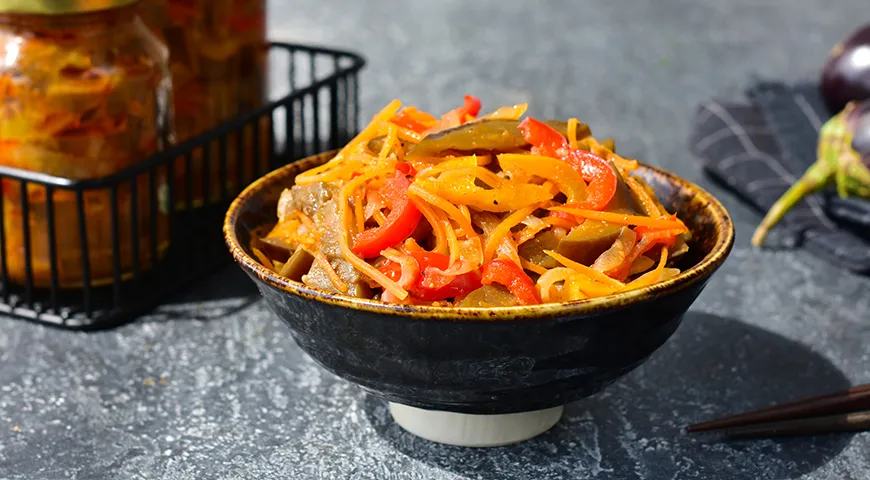
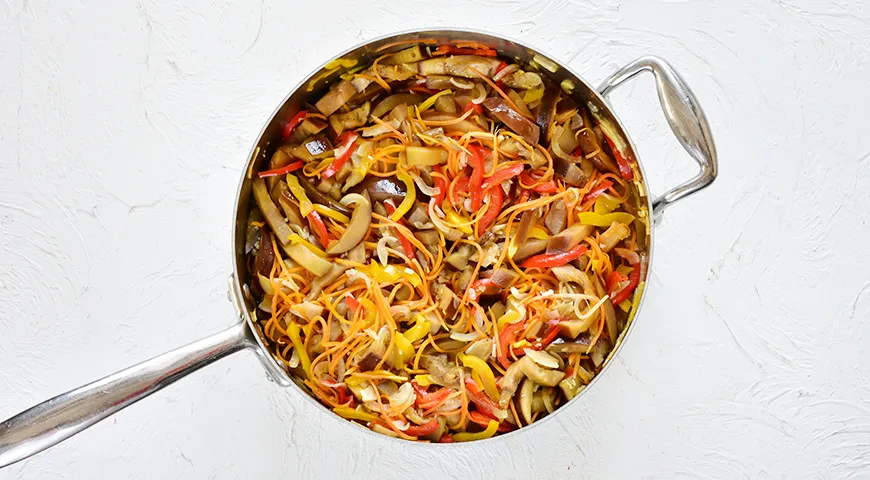
This bold, tangy Korean eggplant salad captures the essence of summer and preserves it for the colder months. Each spoonful delivers a perfect balance of silky eggplant, crunchy vegetables, and a kick of Korean spice. Our recipe guides you through traditional canning methods to ensure a shelf‑stable staple that elevates any meal—from a simple rice bowl to a festive table.
About This Recipe
Korean cuisine excels at turning humble vegetables into dazzling side dishes. Inspired by the classic baklazhan po‑koreiski, this winter preparation combines blanched eggplant with a vibrant medley of carrot, onion, bell pepper, and garlic, all bathed in a savory‑sweet dressing enriched with Korean carrot seasoning. The quick hot‑pack method locks in texture and flavor without requiring prolonged fermentation, making it approachable for home canners. For optimal results, use a best steam canner to ensure safe preservation, and store your jars in a best 48‑inch built‑in refrigerator or a cool, dark pantry.

Ingredients
- 1,000 g eggplants
- 200 g carrots
- 200 g onions
- 200 g sweet bell peppers
- 4–5 garlic cloves
- 2 tablespoons salt (for blanching)
- 3 tablespoons sugar
- 60 ml vinegar (9%)
- 100 ml vegetable oil
- 1 tablespoon Korean carrot seasoning
- Freshly ground black or red pepper (optional)
Step‑by‑Step
Step 1: Sterilize Jars and Lids
Wash jars and lids with baking soda or a degreasing agent, then sterilize using any convenient method. A best microwave pressure cooker can simplify this step. Allow them to dry completely.
Step 2: Prepare Eggplants
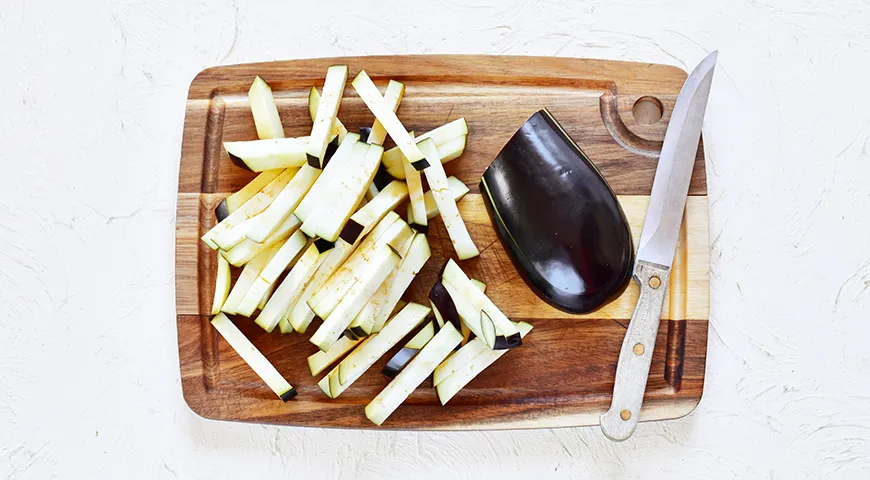
Rinse eggplants under cold water and pat dry. Trim both ends and cut into thick strips. Transfer to a bowl and set aside.
Step 3: Cut Carrots and Peppers
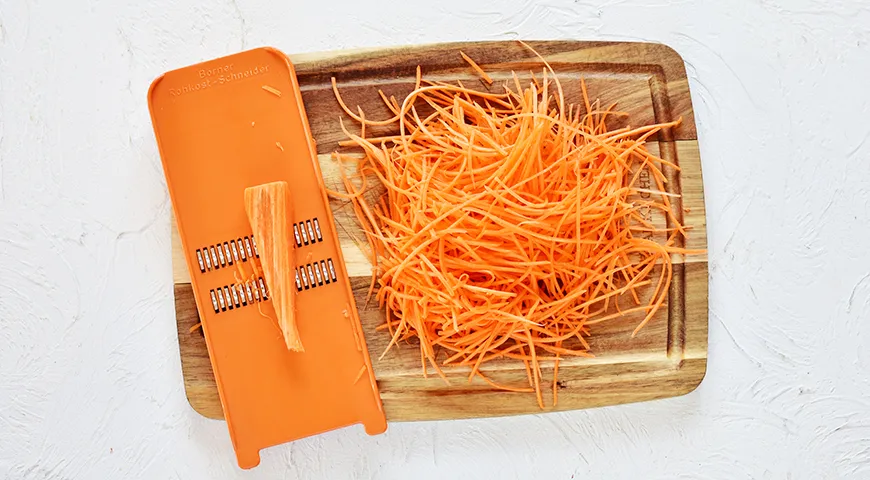
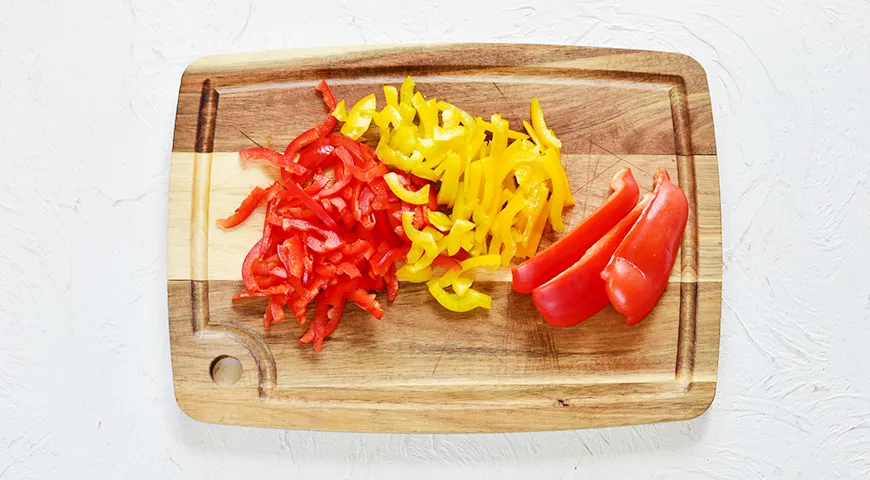
Peel carrots and slice into thin long strips using a sharp knife or a best food processor for nut butter fitted with a julienne disc. Remove seeds and membranes from bell peppers and cut into thin strips.
Step 4: Slice Onion and Boil Water
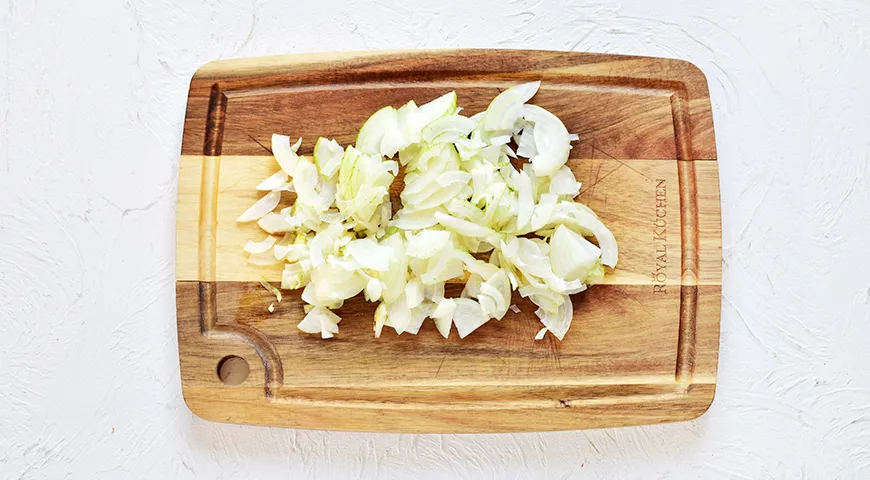
Peel the onion, cut into quarters, and slice into thin feathers. In a small saucepan, bring about 2 liters of water to a rolling boil.
Step 5: Blanch Eggplants
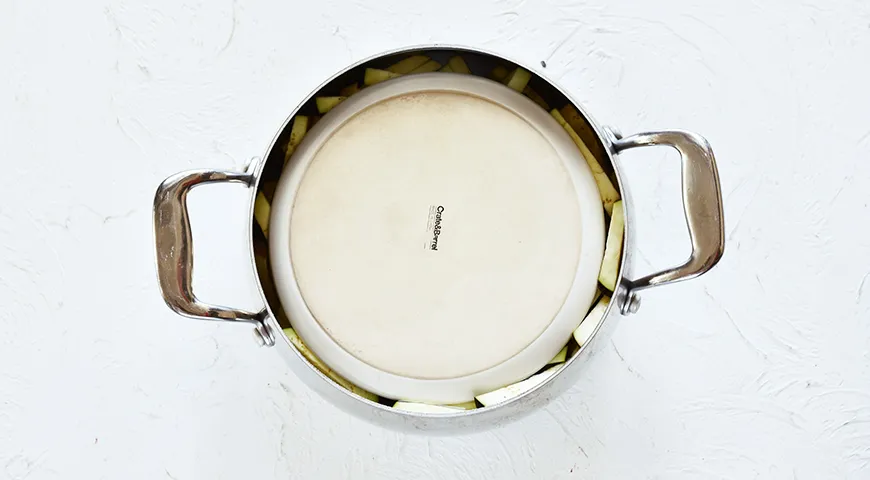
Place the eggplant strips in a pot, pour boiling water over them, add 2 tablespoons of salt, and stir. Weigh down with a plate or lid and let stand for 10–15 minutes at room temperature.
Step 6: Combine Vegetables and Garlic
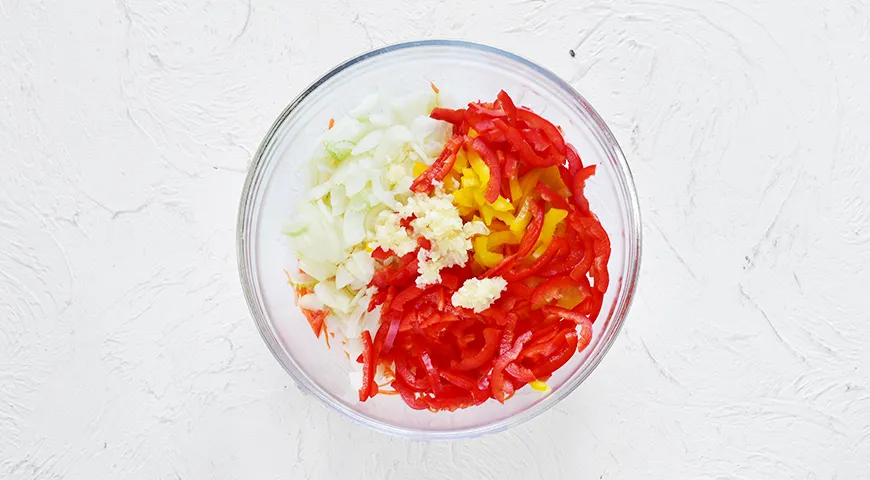
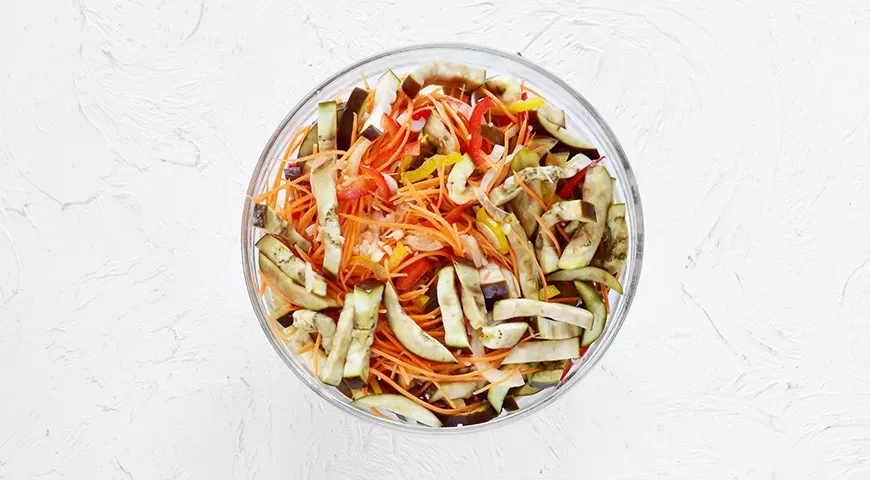
In a large bowl, combine the prepared peppers, carrots, and onions. Press the garlic through a garlic press and add to the vegetables. Mix thoroughly.
Step 7: Drain and Combine Everything
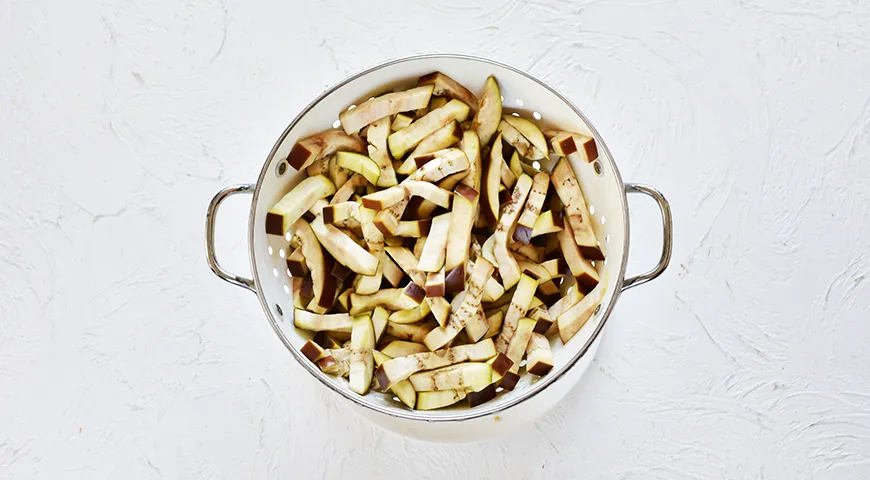
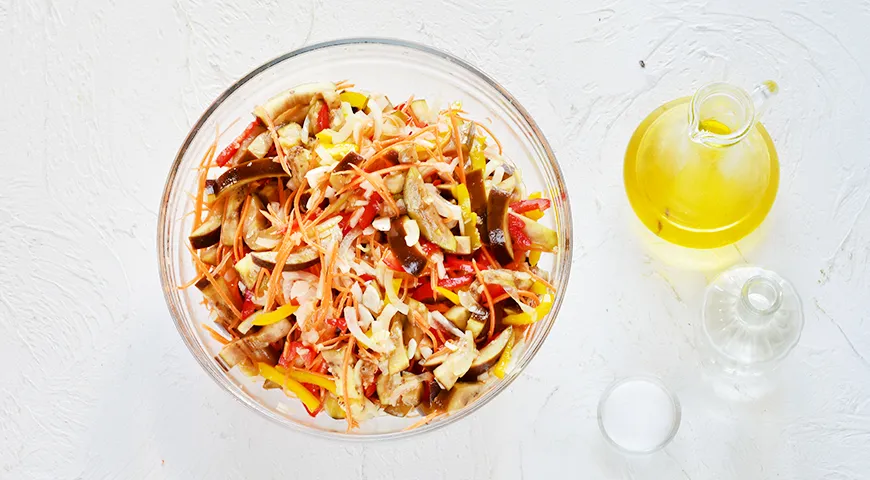
Drain the blanched eggplants in a colander, squeezing out excess water. Transfer to a clean large pot. Add the vegetable‑garlic mixture, salt, sugar, vinegar, and oil. Stir well.
Step 8: Bring to a Boil
Place the pot over medium heat and bring to a gentle boil, stirring occasionally to prevent sticking. A best planetary mixer isn’t needed here—just a good wooden spoon.
Step 9: Add Korean Seasoning
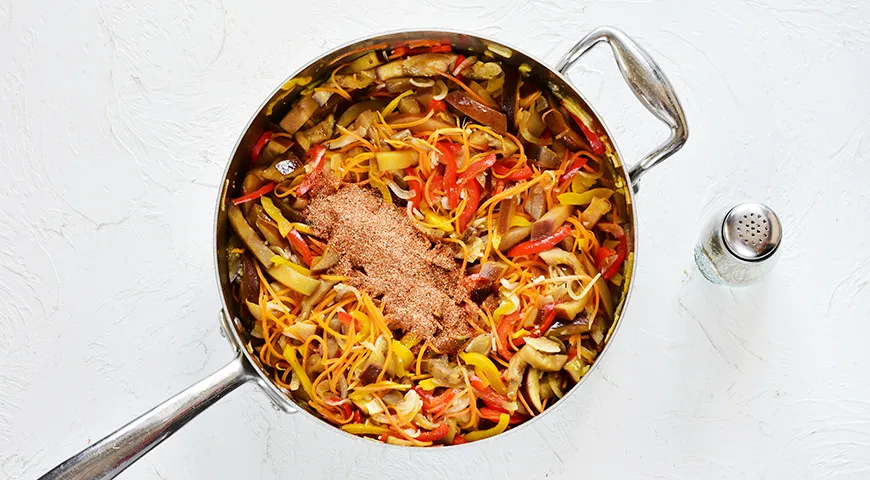
Stir in the Korean carrot seasoning. Taste and adjust heat with ground black or red pepper if desired. This is where the salad really comes alive—consider pairing it with a best sweet wine with high alcohol content for a bold contrast.
Step 10: Simmer for 10 Minutes
Reduce heat to moderate and simmer the vegetables for 10 minutes, stirring occasionally. Taste for salt and adjust if necessary. For even cooking, a best commercial countertop convection oven isn’t necessary—this stovetop method is perfect.
Step 11: Fill Jars
While still hot, pack the eggplant mixture into the sterilized jars, pressing firmly with a spoon. Seal with lids. To avoid spills, use a best oil sprayer for any residual oil on rims.
Step 12: Cool and Store
Invert the jars onto a folded towel, wrap in a thick blanket, and let cool completely. Once cool, store in a dry, dark, cool place. A best undercounter ice maker machine can keep your drinks chilled when serving these pickles.
Tips for Success
- Use small jars (up to 1 liter) for quicker sterilization—try a best microwave pressure cooker to speed up the process.
- Always squeeze the blanched eggplant well to remove bitterness and excess moisture.
- For a non‑toxic kitchen, invest in a best non‑toxic immersion blender for pureeing sauces on the side.
- Adjust the heat by adding more Korean seasoning or fresh chilies.
Variations
- Add a teaspoon of gochugaru (Korean chili flakes) for extra smokiness.
- Substitute half the vinegar with rice vinegar for a milder tang.
- For a sweeter profile, increase sugar to 4 tablespoons and pair with best chocolate covered raisins as a dessert contrast.
- Include julienned daikon radish for crunch.
Frequently Asked Questions
How long does this preserve last?
Properly sealed and stored in a best 48‑inch built‑in refrigerator or cool pantry, the salad will keep for up to 6 months. Once opened, refrigerate and consume within 2 weeks.
Can I use a different oil?
Yes, avocado oil or grapeseed oil work well. For a rich flavor, try toasted sesame oil—but reduce the quantity by half.
Is this recipe suitable for air‑frying?
Not directly, but you can toss the finished salad in an best air fryer non‑toxic at 180°C for 5 minutes to crisp the edges before serving as a warm side.
What if I don’t have Korean carrot seasoning?
Mix 1 teaspoon each of ground coriander, paprika, garlic powder, and a pinch of cayenne. For a complete spice blend, check best lava flavors as a substitute.
Can I double the recipe?
Absolutely. Scale ingredients proportionally and use a larger pot. Increase cooking time by 2–3 minutes to ensure all vegetables are heated evenly.
This Korean eggplant salad transforms simple summer vegetables into a pantry treasure. With its lively seasoning and satisfying crunch, it’s the perfect accompaniment to grilled meats, steamed rice, or even a simple best store‑bought au jus for prime rib for a surf‑and‑turf twist. Enjoy the taste of Korea all year round.







