


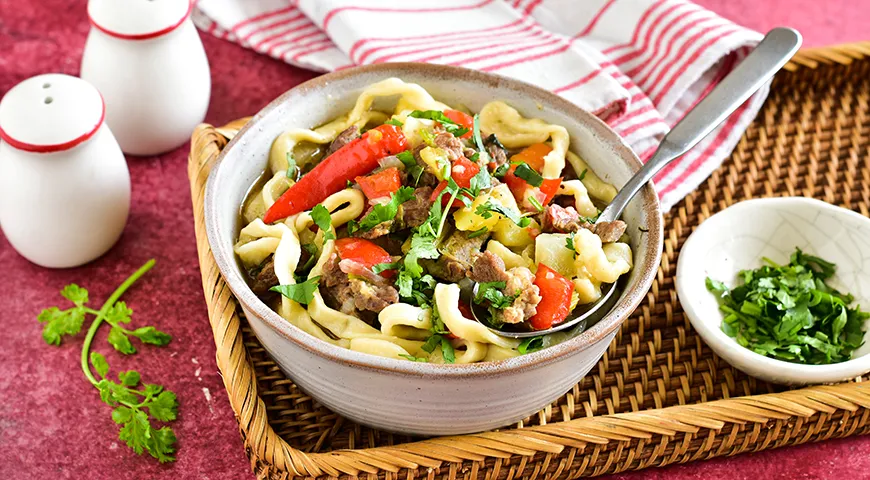
Imagine a bowl of steaming, aromatic broth filled with tender beef, colorful vegetables, and hand-pulled noodles—this is Lagman, a beloved dish from Central Asia. Traditionally simmered for hours, this version uses a slow cooker to simplify the process without sacrificing depth of flavor. Whether you call it a soup or a stew, Lagman is a complete meal that warms the soul. In this guide, we’ll walk you through every step, from selecting the best cut of beef to crafting silky homemade noodles. With the right tools and patience, you’ll create a restaurant-quality dish at home. For efficient prep, consider using a best planetary mixer for kneading dough, or a best glass food processor for chopping vegetables quickly.
About This Dish: The Soul of Central Asian Cooking
Lagman originated along the ancient Silk Road, blending Uyghur, Uzbek, and Kazakh traditions. Its name comes from the Chinese "lamian," meaning pulled noodles, reflecting the technique of stretching dough into long strands. The broth is a harmonious medley of beef, root vegetables, and spices, slow-cooked until rich and savory. This slow cooker adaptation makes it accessible for busy home cooks while retaining authentic flavors. You can serve it as a hearty lunch or dinner, garnished with fresh herbs. For a touch of modern convenience, a best microwave pressure cooker can speed up the broth if you’re short on time.

Ingredients
- Beef (boneless chuck or brisket) – 900 g
- Bell peppers – 2 (mixed colors)
- Carrots – 2
- Celery stalks – 3
- Onions – 2
- Daikon radish – 150 g
- Napa cabbage – 1 small head (white part only)
- Potatoes – 4
- Garlic – 3 cloves
- Cilantro – 1 bunch
- Vegetable oil – 60 ml
- Salt – 3 g
- Black pepper – 3 g
- For the noodles: all-purpose flour – 550 g, water – 200 ml, salt – 2 g, egg – 1, vegetable oil – 40 ml
Quality ingredients make a difference. Use best organic vodka to deglaze if desired (optional). For storing fresh produce, a best 48 inch built-in refrigerator helps maintain crispness.
Step-by-Step Instructions
Step 1: Prepare the Meat
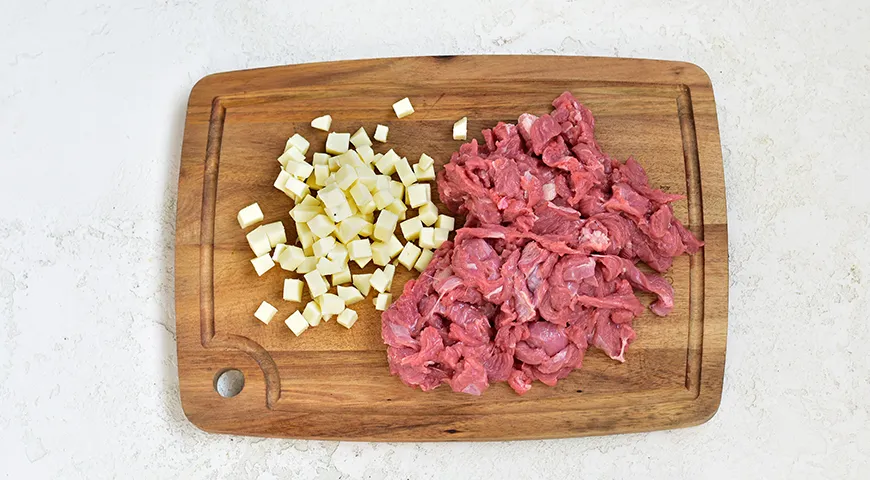
Rinse the beef under cold water and pat dry. Trim any sinew or silver skin, then cut into uniform 2–3 cm cubes. If using fat (such as lamb tail fat), dice it into small cubes. This ensures even cooking and rich flavor.
Step 2: Chop the Vegetables
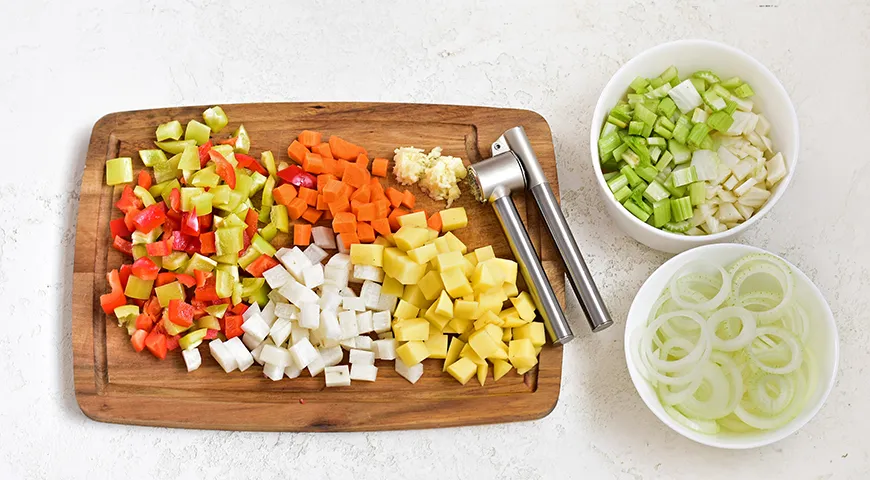
Wash and dry all vegetables. Remove seeds from bell peppers and cut into cubes. Peel and dice carrots, daikon, and potatoes into similar-sized pieces. Slice celery and the white part of napa cabbage thinly. Mince garlic and slice onions into rings. Uniform cuts ensure even cooking.
Step 3: Sauté the Fat and Meat
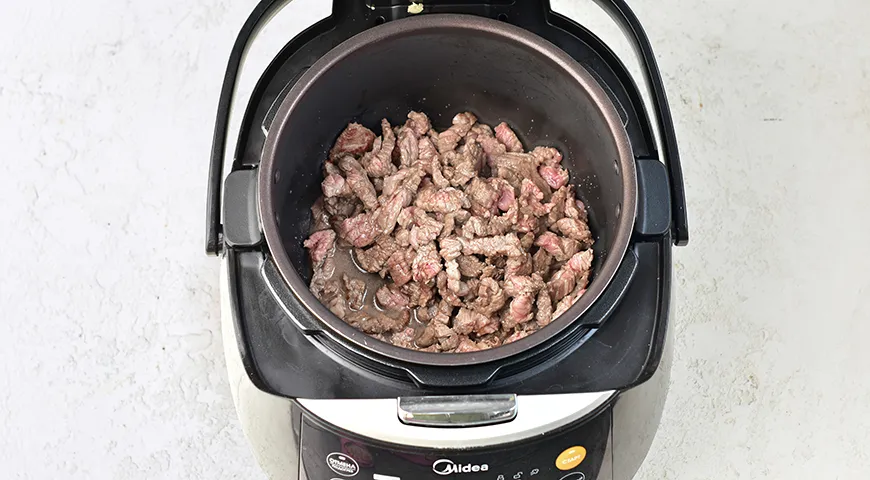
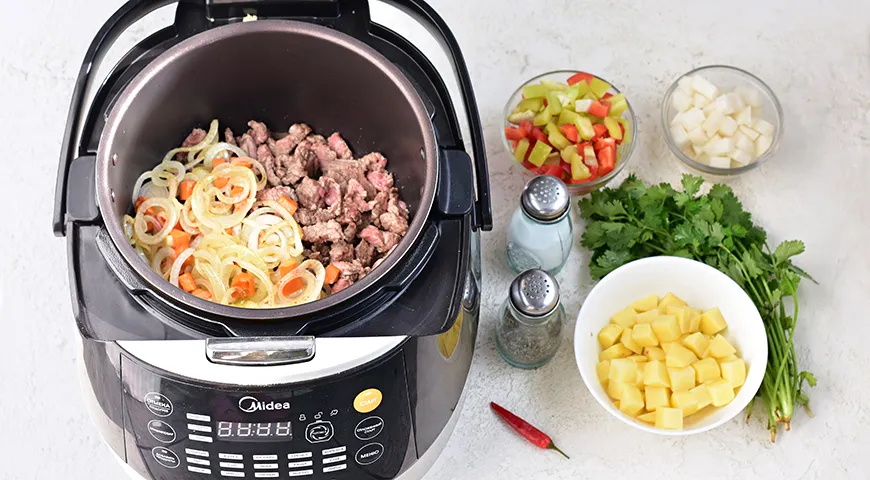
Place the diced fat in the slow cooker pot (if using). Select the sauté/brown function and cook, stirring occasionally, for 20–30 minutes until rendered. Add a splash of vegetable oil, then add the beef cubes. Cook for another 10 minutes, browning all sides. This step builds a deep fond.
Step 4: Build the Broth
To the meat, add the onions and carrots. Season with salt and pepper, stir. Add remaining vegetables—potatoes, bell peppers, daikon, cabbage, garlic, and a whole hot red chili if desired. Pour in enough beef broth to cover (about 1 liter). Switch the slow cooker to low heat and cook for 1 hour, or until potatoes are tender and meat is fork-tender.
Step 5: Make the Noodle Dough
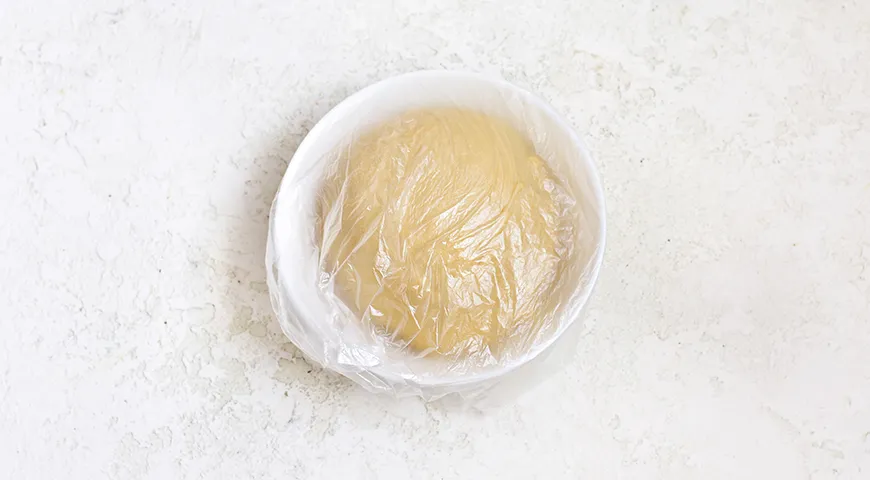
Sift flour into a large bowl. In a separate cup, whisk together water, salt, and egg. Make a well in the flour and pour in the wet mixture. Knead into a stiff dough—this takes about 10 minutes by hand. Shape into a ball, cover with plastic wrap, and rest at room temperature for 1 hour. A best planetary mixer with dough hook can do the work effortlessly.
Step 6: Roll and Cut Noodles
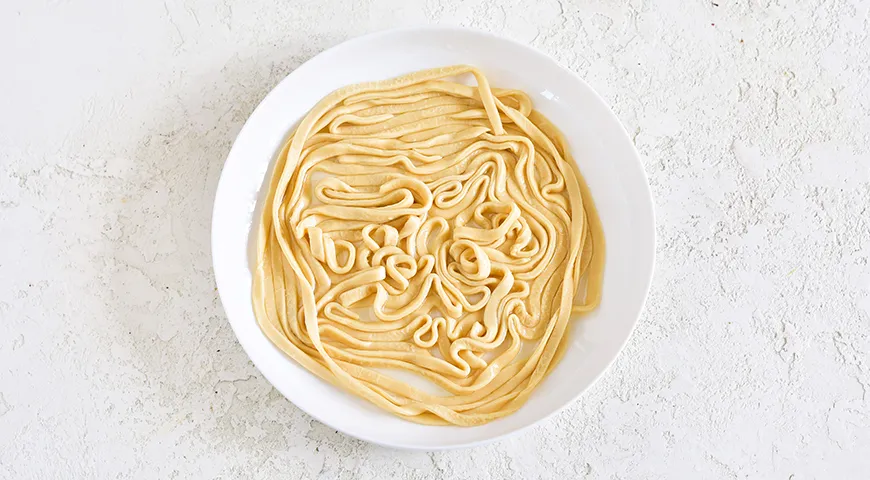
Divide rested dough in half. On a floured surface, roll each piece into a thin rectangle (about 3 mm thick). Cut into strips about 1 cm wide. Place the strips in a dish with vegetable oil, turning to coat. Let rest 2 minutes. Then, one by one, stretch each strip into a long noodle by gently pulling from both ends. This is the classic lagman technique.
Step 7: Cook the Noodles and Assemble
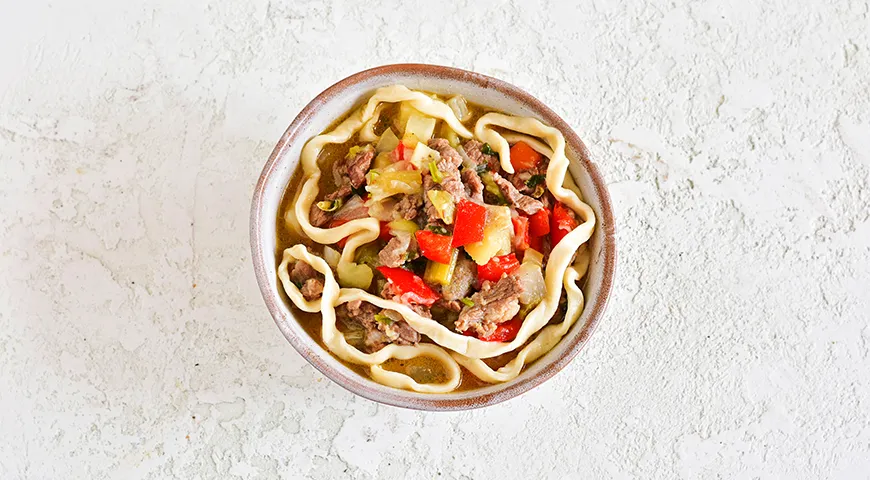
Bring a large pot of salted water to a boil. Add the noodles and cook for 8–10 minutes until tender but chewy. Drain and rinse briefly under cold water to stop cooking. Divide noodles among bowls, ladle the hot beef and vegetable broth over them. Garnish with fresh cilantro. Serve immediately.
Tips for Perfect Lagman
- Meat choice: Chuck or brisket with some marbling becomes tender after slow cooking. For a leaner option, use sirloin but reduce cooking time.
- Noodle texture: Resting the dough is crucial—it relaxes the gluten, making stretching easier. If you prefer thicker noodles, cut strips wider.
- Broth depth: For extra umami, add a teaspoon of best store bought au jus for prime rib (optional).
- Vegetable prep: Keep pieces uniform for even cooking. Use a best food processor for nut butter to chop firm vegetables like carrots quickly.
- Equipment care: A best oil sprayer helps grease pans lightly without mess.
Variations
Lagman is versatile. Swap beef for lamb or chicken, adjusting cooking time. Make it vegetarian by omitting meat and adding more mushrooms or tofu. For a spicy kick, add chili paste. If you don’t have a slow cooker, a best air fryer non-toxic won’t work, but a Dutch oven on the stove is perfect. For a different noodle shape, use store-bought udon or ramen. A best non-toxic immersion blender can puree part of the broth for a creamier texture.
FAQ
Can I use other meats?
Absolutely. Lamb, goat, or even boneless chicken thighs work well. For halal preparation, choose certified meat and use a best 48 inch built-in refrigerator for proper storage.
Can I make gluten-free noodles?
Yes. Substitute wheat flour with a gluten-free blend (rice flour plus xanthan gum). The dough won’t be as elastic, so roll and cut directly rather than stretching. A best commercial countertop convection oven can dry the noodles quickly.
How long does this keep in the fridge?
Store broth and noodles separately. The broth keeps up to 4 days in an airtight container. Reheat gently. Cooked noodles are best eaten fresh but can be stored for 2 days. Use a best steam canner to preserve broth for months.
Can I freeze Lagman?
Yes. Freeze the broth without noodles for up to 3 months. Make fresh noodles when serving. For quick thawing, a best undercounter ice maker machine isn’t needed, but a microwave works.
What sides pair well?
Serve with crusty bread or a simple cucumber salad. For a complete meal, try Pa de Pessic Catalan Sponge for dessert. A glass of best sweet wine with high alcohol content complements the spices.
Conclusion
This slow cooker Lagman brings the heart of Central Asia into your kitchen with minimal effort. The homemade noodles add a personal touch, while the aromatic broth satisfies deep cravings. Experiment with your favorite vegetables and meats, and don’t forget the cilantro. For more inspiration, explore our best coffee maker for airbnb guide (for morning brew) or other recipes. Enjoy your culinary journey!







