


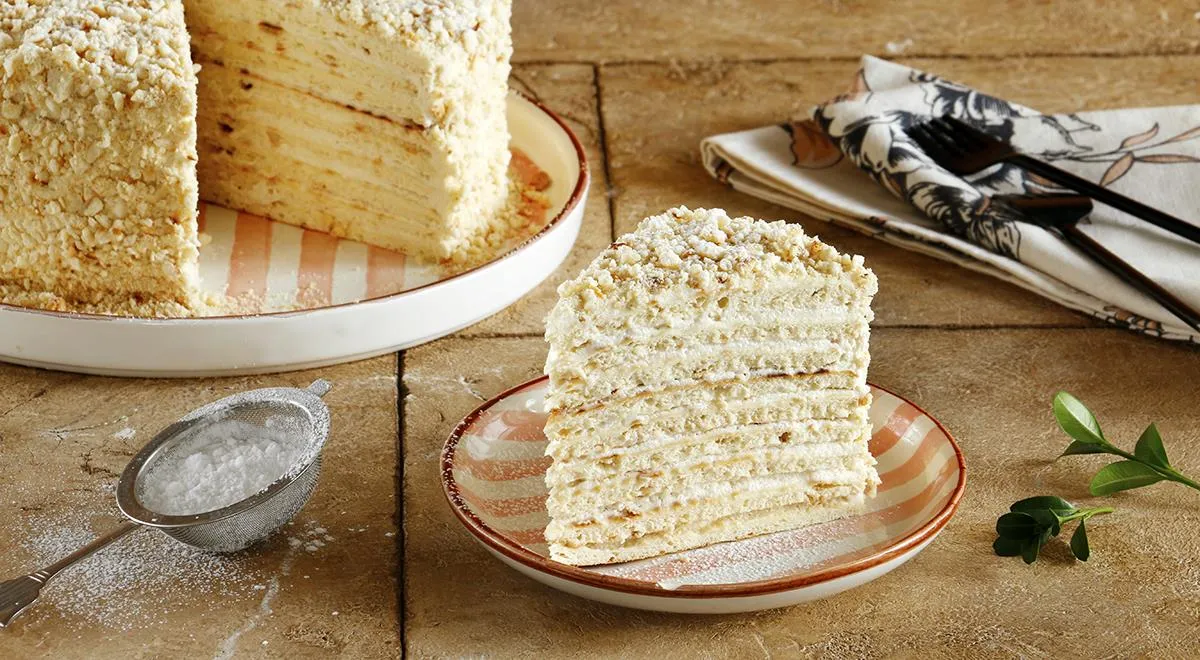
Imagine the flaky, buttery layers of a classic Napoleon cake—now imagine making them entirely in a skillet, without ever turning on the oven. This ingenious technique yields the same ethereal texture and caramelised edges, yet it is faster and more forgiving than traditional baking. The custard cream, rich with vanilla and butter, seeps into every crevice, creating a dessert that is at once nostalgic and utterly refined. Whether you are a seasoned pastry enthusiast or a curious home cook, this stovetop Napoleon cake promises to become a beloved signature.
About the Recipe
Napoleon cake—a layered French-Russian classic—has long been a celebration staple. Typically, its thin puff pastry or shortcrust layers are baked until golden, then stacked with a silky custard or diplomat cream. This version bypasses the oven entirely: the dough is rolled paper-thin, then cooked briefly on a dry non-stick skillet. The result is a set of supple, slightly blistered rounds that absorb cream beautifully. The custard is a classic crème pâtissière enriched with butter, offering a perfect balance of sweetness and richness. This recipe comes together in under three hours (plus chilling time) and requires no special equipment—just a skillet, a rolling pin, and a planetary mixer or whisk.

For those who love exploring heritage desserts, you might also enjoy our Pa de Pessic Catalan sponge, another elegant treat with a storied past.
Ingredients
For the dough:
- 460 g all-purpose flour, plus extra for rolling
- 30 g unsalted butter, softened
- Pinch of fine sea salt
- 1 tsp baking powder
- 3 large eggs (C1 size)
- 100 g granulated sugar
For the custard cream:
- 2 large eggs
- 120 g granulated sugar
- 1 tsp vanilla sugar or ½ tsp vanilla extract
- 2½ tbsp all-purpose flour
- 700 ml whole milk
- 120 g unsalted butter, softened and cubed
Step-by-Step Instructions
1. Prepare the Dough
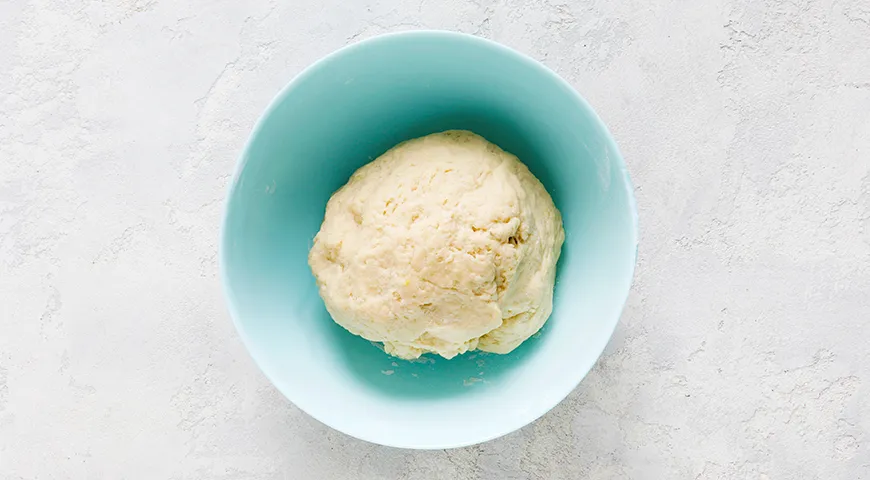
Leave the 30 g butter at room temperature until soft. Sift the flour with salt and baking powder into a bowl. In a separate large bowl, beat the eggs with a planetary mixer or hand whisk until frothy. Add the sugar and continue beating until pale and thickened. Beat in the softened butter until smooth. Gradually add the flour mixture, stirring with a wooden spoon or dough hook until a soft, supple dough forms. Shape into a ball, wrap in plastic film, and rest at room temperature for 20 minutes.

2. Make the Custard Cream (Part 1)
While the dough rests, prepare the custard. In a medium saucepan, whisk together the eggs, sugar, and vanilla sugar until smooth. Add the flour and whisk vigorously to eliminate any lumps. Gradually pour in the milk, whisking constantly to combine.

3. Cook the Custard
Place the saucepan over low heat. Cook, stirring constantly with a whisk or a heatproof spatula, until the mixture thickens to a pudding-like consistency—this takes about 5–7 minutes. Do not let it boil. Remove from heat and transfer the custard to a clean bowl. Press a piece of plastic film directly onto the surface to prevent a skin from forming. Let cool to room temperature.
4. Soften the Butter
Cut the 120 g butter into small cubes. Leave at room temperature for 30 minutes to soften. Meanwhile, proceed with the cake layers.

5. Roll and Cook the Cake Layers
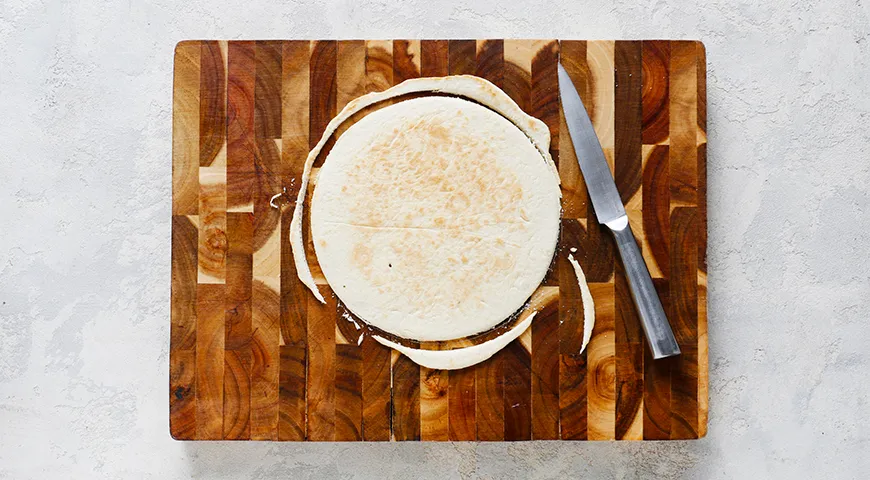
Lightly flour your work surface. Divide the rested dough into 9 equal pieces. Roll each piece into a very thin round (about 2–3 mm thick). Heat a large non-stick skillet over medium-high heat. Place one round onto the dry hot skillet. Cook for 1–2 minutes until bubbles appear and the underside is lightly browned. Flip and cook for another 1–2 minutes. Transfer to a wire rack. Repeat with remaining dough.

6. Cut into Rounds
While the layers are still hot, use an inverted large plate or a cake ring to cut them into neat circles. Reserve the trimmings—they will become the crumb topping. (If the layers have already cooled, they may become brittle; work quickly or reheat gently.)

7. Finish the Cream
If the cooled custard has any lumps, press it through a fine-mesh sieve. In a mixing bowl, beat the softened butter with an immersion blender or a stand mixer until light and fluffy. Gradually add the custard, beating continuously until the cream is smooth and homogenous.
8. Assemble the Cake
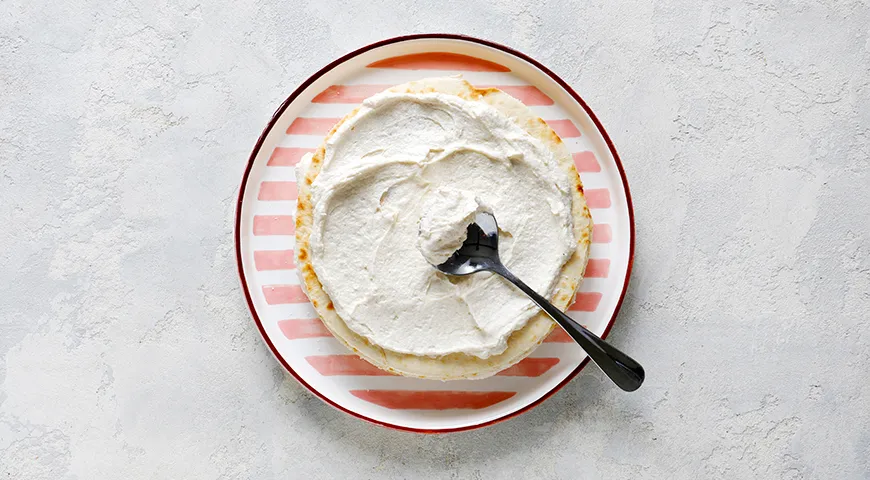
Place one cake layer on a serving plate. Spread a generous, even layer of cream on top (about 3–4 tablespoons). Repeat with remaining layers, ending with a cream-covered top. Gently press the stack to compact slightly. Let the assembled cake rest at room temperature for 2 hours to allow the cream to soak in.

9. Top and Chill
Crush the reserved trimmings into fine crumbs. Sprinkle the crumbs over the top and sides of the cake, pressing gently to adhere. Refrigerate for at least 2 hours (or overnight) before serving. The cake becomes even more tender as the cream fully hydrates the layers.
Tips for Success
- Thin layers are key: Roll the dough as thinly as possible—almost translucent. This ensures they cook quickly and remain pliable.
- Use a dry skillet: No oil or butter is needed; the natural fats in the dough prevent sticking.
- Trim immediately: Cutting hot layers prevents cracking. If they cool, reheat them briefly in the skillet or microwave.
- Strain if necessary: If your custard has lumps after cooking, a fine sieve will rescue it.
- Let the cake rest: Room temperature resting allows the cream to penetrate the layers, while refrigeration firms the structure for clean slices.
For a more efficient kitchen setup, consider using a best oil sprayer to lightly grease your skillet if needed, or a best microwave pressure cooker to speed up custard preparation.
Variations
This stovetop Napoleon is wonderfully versatile. Try these twists:
- Chocolate Napoleon: Add 2 tablespoons of cocoa powder to the dough and replace 30 g of flour with cocoa in the custard.
- Berry Napoleon: Layer fresh raspberries or sliced strawberries between the cream for a bright, tangy contrast.
- Mocha Napoleon: Dissolve 1 teaspoon of instant espresso in the milk before making the custard. Pair with a cup of coffee brewed by a best espresso machine under $2000.
- Nutty Napoleon: Sprinkle crushed pistachios or toasted almonds over the crumb topping.
For a festive touch, drizzle with melted chocolate and top with best chocolate-covered raisins.
Frequently Asked Questions
Can I use a different type of flour?
All-purpose flour works best for this recipe. Bread flour may produce slightly chewier layers, while cake flour yields a more delicate texture. For gluten-free alternatives, see our guide on best air fryer non-toxic (though not directly related, we recommend using a reliable gluten-free blend).
How long does the cake keep?
Store covered in the refrigerator for up to 5 days. The layers continue to soften over time, making the cake even more luscious. However, the crumb topping may become less crisp. For longer storage, freeze the assembled cake (without crumbs) for up to 2 months; thaw in the refrigerator, then add crumbs before serving.
Do I need to flip the layers while cooking?
Yes, each layer needs about 1–2 minutes per side. Watch for golden spots and a slightly puffed surface. Use a thin spatula to flip carefully.
Can I make the dough ahead?
Absolutely. Wrap the dough tightly in plastic and refrigerate for up to 2 days, or freeze for up to 1 month. Bring to room temperature before rolling.
What if my custard breaks or curdles?
If the custard separates during cooking, remove it from heat immediately and whisk in a spoonful of cold milk. If lumps persist, strain the custard through a sieve before combining with butter. Using an immersion blender can also help emulsify the mixture.
Can I use store-bought puff pastry instead?
While possible, the homemade dough yields a more tender, pasty-like texture that absorbs custard beautifully. If you opt for puff pastry, bake the rounds in the oven according to package directions, then proceed with assembly. For a truly authentic experience, stick with the skillet method.
What is the best way to serve Napoleon cake?
Serve chilled, straight from the refrigerator, with a sharp knife to cut clean slices. Pair with a freshly brewed cup of coffee from a best coffee maker for Airbnb or a glass of best sweet wine with high alcohol content for an elegant finish.
Final Thoughts
This stovetop Napoleon cake proves that extraordinary desserts do not require an oven. The interplay of tender, buttery layers and silky custard creates a symphony of texture and flavor that will impress the most discerning palate. Whether you serve it at a holiday gathering or a quiet Sunday brunch, this recipe is destined to become a treasured family favorite. For more inspiration, explore our collection of classic European pastries like Pa de Pessic. Happy cooking!
Storage tip: Keep your cake in a best 48-inch built-in refrigerator for optimal temperature control. And if you love experimenting with flavors, a splash of best organic vodka in the custard adds a subtle floral note.







