


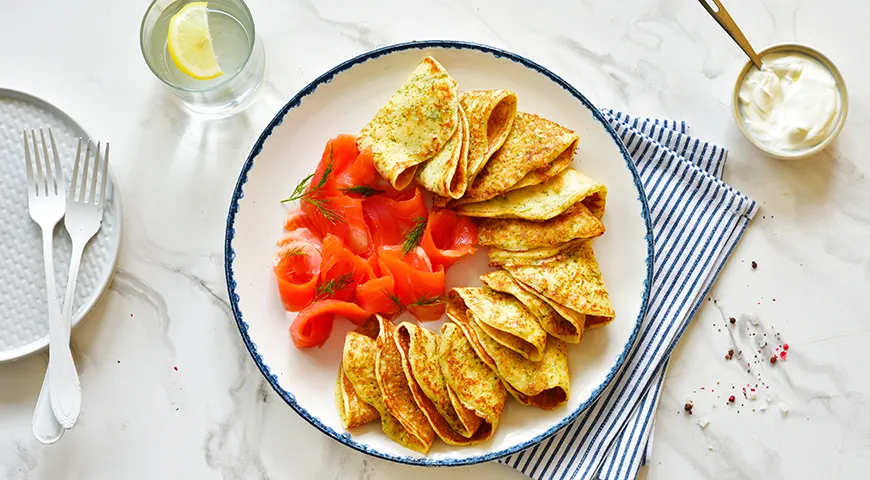
Imagine the softest, most ethereal potato pancake you have ever tasted—one that is not a crispy draniki, but a tender, fluffy blinchik suffused with the earthy warmth of baked potato and the bright, grassy notes of fresh dill. These Potato Pancakes with Dill on Buttermilk are a revelation from the Russian countryside, a dish that transforms humble ingredients into something sublime. Served with delicate fish, glistening caviar, or a dollop of sour cream, they are the perfect canvas for a celebration—or a quiet Sunday morning indulgence.
About This Dish
Traditional Russian blinchiki (thin pancakes) are usually made with milk or kefir, but here the batter is enriched with mashed baked potato and tangy prostokvasha—a cultured buttermilk similar to European laban or Indian chaas. The potato lends an extraordinary tenderness and a subtle sweetness, while the dill adds a fresh, anise-like fragrance. Unlike potato fritters, these pancakes are light, soft, and slightly puffy, ideal for rolling or layering with rich toppings. The secret lies in the addition of boiling water to the batter, which creates steam and makes the crumb exceptionally airy.

Ingredients
- 500 ml buttermilk (prostokvasha)
- 2 large eggs (C0 size)
- 300 g all-purpose flour
- 1 large or medium potato, baked in its skin
- 1 medium bunch fresh dill, finely chopped
- 1 tablespoon (15 g) granulated sugar
- 1 tablespoon (20 g) ghee or clarified butter, plus extra for frying
- ½ teaspoon (3 g) baking soda
- 1 teaspoon (5 g) salt
- Fish or caviar, for serving
For the best texture, use a baked potato (either leftover from the previous day or freshly roasted). The starch in the potato gelatinizes during baking, creating a smoother, creamier result than boiled potato. If you don’t have buttermilk, you can sour whole milk with a tablespoon of lemon juice—let it sit 10 minutes before using.
Step-by-Step Instructions
Step 1: Prepare the Dill and Potato
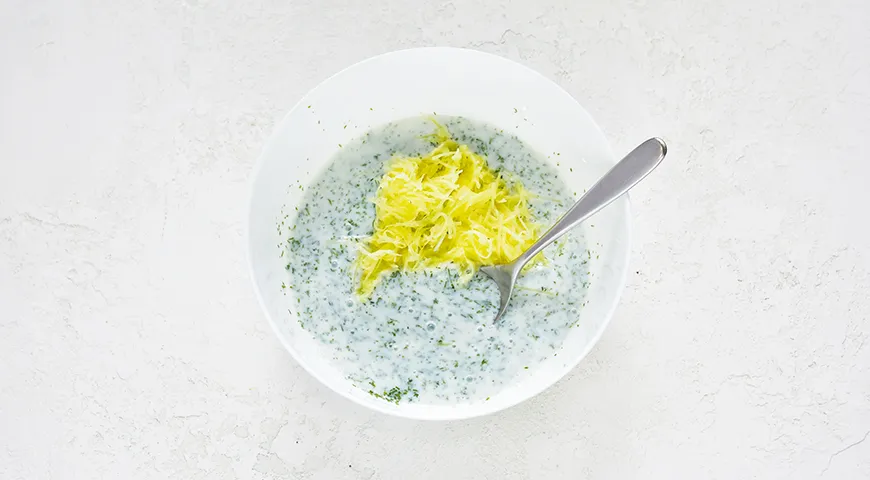
Finely chop the dill—it should be almost a powder, as it will disperse evenly through the batter. Peel the baked potato while still warm (the skin will slip off easily). Using your favorite glass food processor or a fine grater, shred the potato to a pulp. Alternatively, mash it thoroughly with a fork. Set aside.
Step 2: Mix the Wet Ingredients
In a large bowl, whisk together the eggs, salt, sugar, and buttermilk until the mixture is completely smooth and slightly frothy. Add the grated baked potato and stir to integrate. The batter will appear lumpy from the potato—do not worry.
Step 3: Add the Dry Ingredients and Hot Water
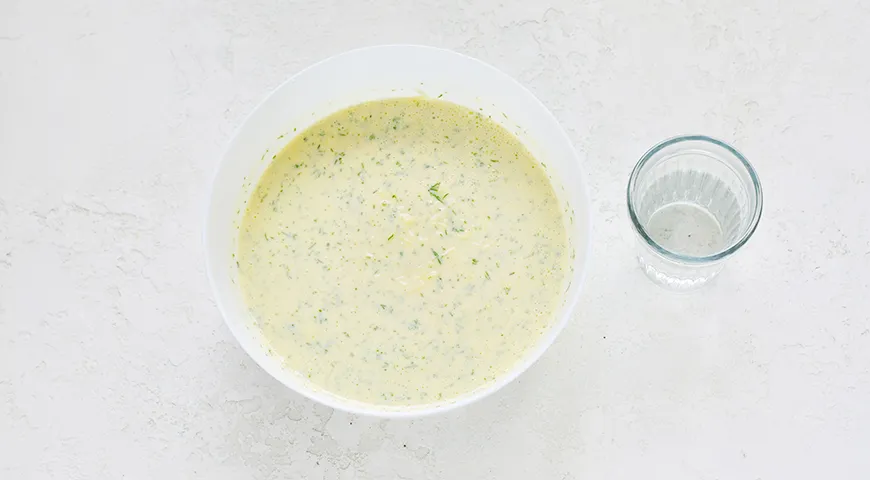
Sift the flour and baking soda together directly into the bowl. Stir with a whisk or spatula until just combined—a few small lumps are fine. Now pour in 150 ml of boiling water (straight from the kettle) and stir vigorously. The batter will thin out and become glossy. This hot-water technique is classic for non-toxic air-fried blini and ensures an ethereal lightness.
Step 4: Finish the Batter and Fry
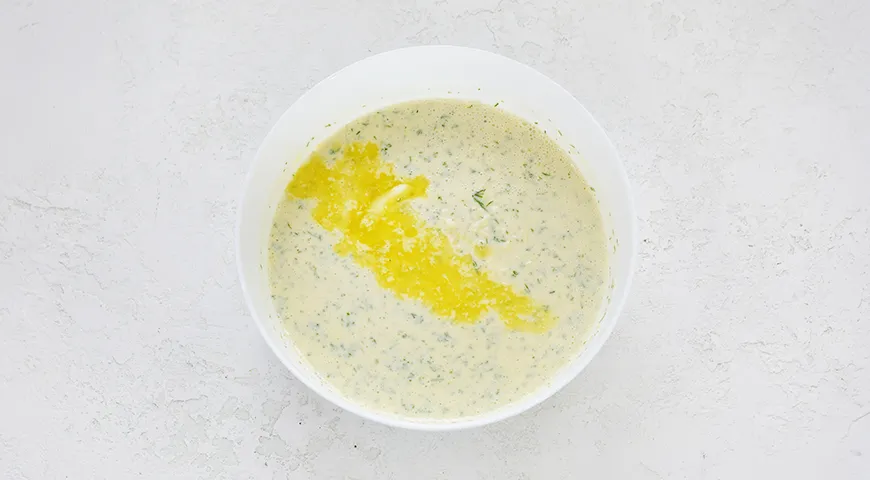
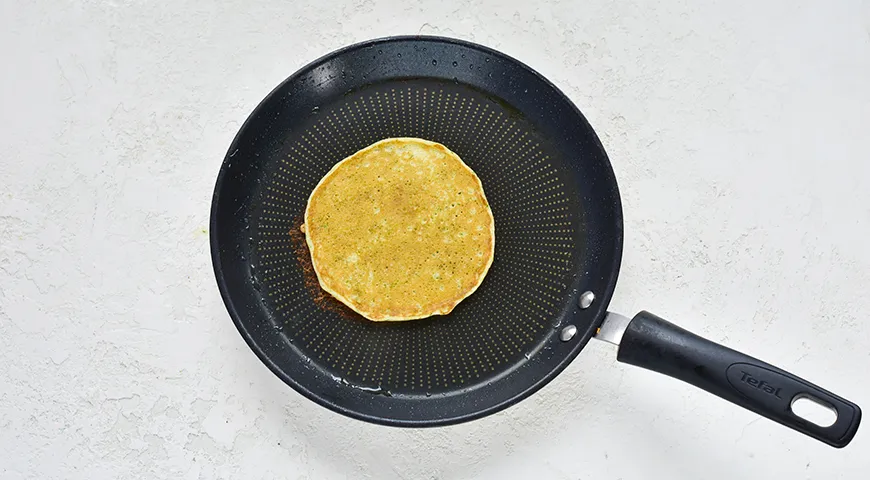
Fold in the chopped dill and the warmed ghee (melt it briefly in the microwave). The batter should be the consistency of heavy cream—thin enough to spread easily on the pan. Heat a non-stick skillet or a well-seasoned cast-iron pan over medium-high heat and lightly brush with ghee. Pour a small ladleful of batter (about 60 ml) and tilt the pan to form an even, thin pancake. Cook until the edges lift and small bubbles appear on the surface, about 1–2 minutes. Flip carefully and cook the other side for 30 seconds. Stack the finished pancakes in a covered pot to keep them warm and soft.
Tips for Perfect Potato Pancakes
- Bake your potato ahead of time: A baked potato has concentrated flavor and dry starch that absorbs liquid better than boiled. For extra convenience, try using a microwave pressure cooker to bake a potato in minutes.
- Don’t overmix the batter: Once the flour is added, stir only until no dry spots remain. Overworking the gluten will make the pancakes tough.
- Use a good non-stick surface: A high-quality oil sprayer can help you control the fat exactly, ensuring even browning without greasiness.
- Keep the pancakes stacked warm: Cover them with a lid or a clean towel as you cook. The steam will soften the edges, creating that characteristic pillowy texture.
- Serve promptly: These pancakes are best eaten within 30 minutes of cooking. If you need to hold them longer, place the covered pot in a low oven (100°C).
Variations to Explore
These pancakes are wonderfully adaptable. For a herbaceous twist, swap half the dill for finely chopped chives or parsley. A cheesy version can include 50 g of grated Gruyère or Parmesan added with the flour. For a gluten-free alternative, replace the wheat flour with a blend of rice flour and potato starch (use a planetary mixer to ensure a lump-free batter). If you’re after a more decadent brunch, top the pancakes with smoked salmon, crème fraîche, and a sprinkle of best lava flavors caviar. Or keep it simple with a pat of butter and a pinch of sea salt.
These pancakes also freeze beautifully: layer them between sheets of parchment paper, wrap tightly, and store for up to one month. Reheat in a dry skillet or an air fryer for a crisp exterior.
FAQs
Can I use raw potato instead of baked?
Baked potato is strongly recommended because its starch is fully gelatinized, giving the pancakes a tender, moist crumb. Raw potato will release too much water and make the batter runny, resulting in dense, soggy pancakes. If you must use raw, grate it, squeeze out the liquid, and microwave the shreds for 2 minutes before adding to the batter.
What is prostokvasha? Can I substitute buttermilk?
Prostokvasha is a fermented milk product similar to sour buttermilk or laban. The best substitute is equal parts whole milk and plain yogurt (or kefir) with a squeeze of lemon juice. For a richer pancake, you can also use full-fat buttermilk purchased from the store. A quality large refrigerator is perfect for storing cultured dairy.
My pancakes are sticking to the pan. What should I do?
Make sure your pan is well seasoned and that you’re using enough fat. A good ice maker may not help here, but a reliable non-stick skillet will. After the first pancake, wipe the pan clean with a paper towel and re-butter. Also ensure the batter is not too thick; add a tablespoon of water if needed.
Can I make the batter ahead of time?
Yes, but the texture will change slightly because the baking soda will react with the buttermilk and lose some lift. For best results, prepare the batter up to the point of adding the dill and ghee, then cover and refrigerate for up to 2 hours. Stir in the dill and ghee just before frying. Using a coffee maker to brew a strong coffee is a great way to pass the waiting time.
What type of fish pairs best with these pancakes?
Cold-smoked salmon, trout, or herring are classic matches. The rich, oily fish contrasts beautifully with the light, dill-scented pancake. For a truly luxurious treat, top with a spoonful of best chocolate-covered raisins (just kidding—stick to caviar!). A dollop of sour cream and a sprinkle of fresh dill completes the picture.
Can I use this batter for sweet pancakes?
Absolutely. Omit the dill and salt, increase the sugar to 3 tablespoons, and add a teaspoon of vanilla extract. Serve with berries, honey, or a dusting of powdered sugar. For a decadent dessert, try them with a scoop of organic vodka-infused fruit compote.
Final Thoughts
These Potato Pancakes with Dill and Buttermilk are a testament to the magic of simple ingredients handled with care. The interplay of soft potato, tangy cultured milk, and fresh dill is both comforting and sophisticated. Whether you serve them as an elegant appetizer with caviar or as a hearty breakfast with smoked fish, they are sure to become a beloved staple in your kitchen. Experiment with different toppings, and don’t forget to share the joy of these tender, golden discs with the people you love. For more kitchen inspiration, explore our reviews of the best espresso machine under 2000 and other culinary tools that elevate your cooking game.







