


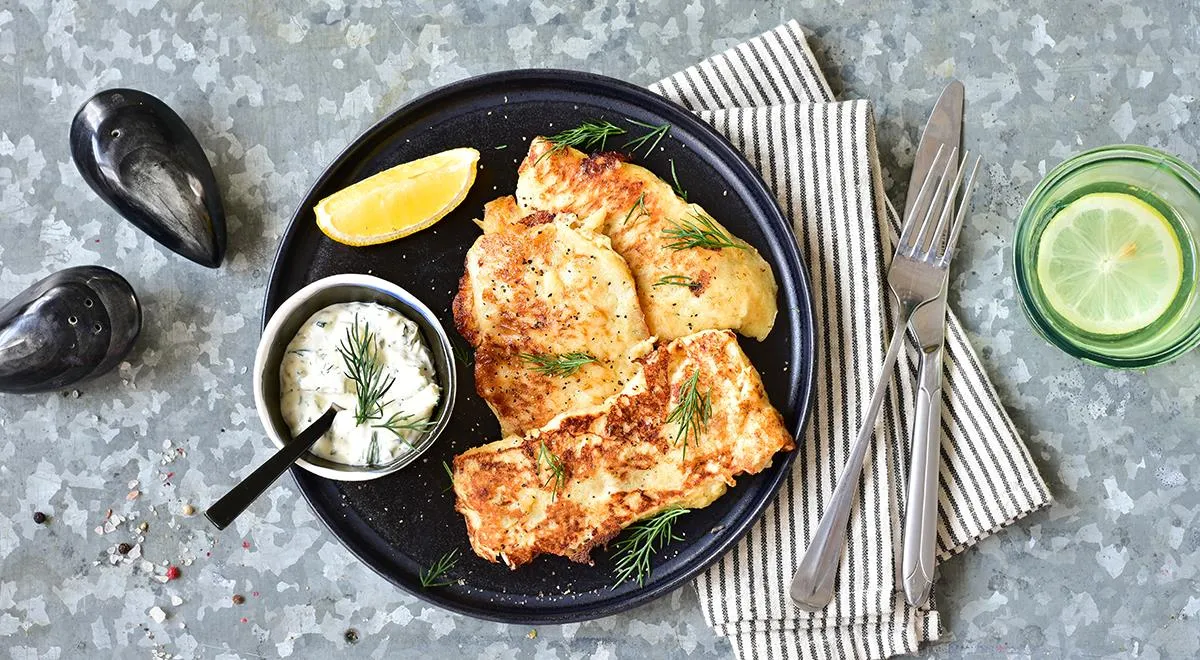
There is something deeply satisfying about a piece of fish wrapped in a delicate, golden crust—crisp on the outside, impossibly tender within. This recipe for pollock in a kefir-based batter elevates an everyday, affordable white fish into a dish that feels like a small celebration. The batter, enriched with grated cheese and a whisper of dried dill, forms an airy, lace-like shell that locks in moisture and transforms the humble pollock into a succulent, flavorful bite. Perfect for a quick weeknight dinner or a casual gathering, this preparation pairs beautifully with a simple salad, steamed potatoes, or a tangy dipping sauce. The secret lies in the batter's resting time and the careful frying technique—both of which ensure a crisp, non-greasy result. For those who appreciate the art of frying, using a high-quality oil sprayer can help control oil distribution, though a standard skillet works beautifully.
About the Dish: The Charm of Pollock in Batter
Pollock is often overlooked in favor of pricier fish, yet its mild, clean flavor and firm, flaky flesh make it an ideal canvas for a well-crafted batter. This Russian-inspired preparation highlights the fish's delicate texture while adding layers of savory richness from cheese and subtle herbaceous notes from dill and coriander. The kefir in the batter provides a gentle tang and a tender crumb—similar to what you might achieve with buttermilk. Unlike heavy beer batters, this version remains light and delicate, allowing the fish to shine. If you enjoy exploring different coating techniques, you might also love our guide to Catalan sponge cake, where lightness is equally prized.

Ingredients
- 1 cup (240 ml) kefir
- 90 g hard cheese (e.g., Gouda, Edam, or Russian-style)
- 2 large eggs
- 13 g cornstarch
- 4 g dried dill
- 50 ml vegetable oil (for frying)
- 3 g salt
- 3 g freshly ground black pepper
- Optional: 1 tsp ground coriander
- 500 g pollock fillets (or other mild white fish)
For grating the cheese effortlessly, a reliable food processor with a glass bowl can save time, but a box grater works perfectly.
Step-by-Step: How to Make Crispy Pollock in Batter
Step 1: Prepare the Fish
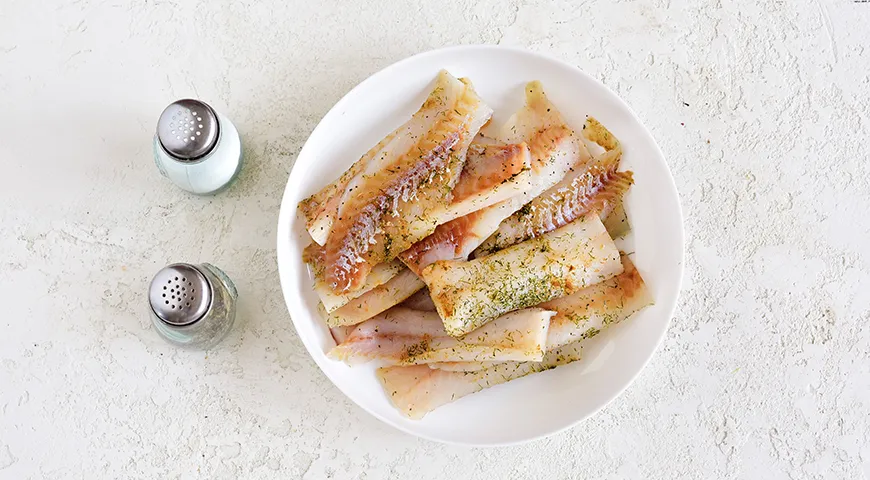
Rinse the pollock fillets under cold water, then pat them thoroughly dry with paper towels—moisture is the enemy of crisp batter. Cut the fillets into uniform, bite-sized pieces (about 2–3 inches each). Season generously with salt, pepper, dried dill, and a pinch of coriander if desired. Set aside while you prepare the batter.
Step 2: Make the Kefir Cheese Batter
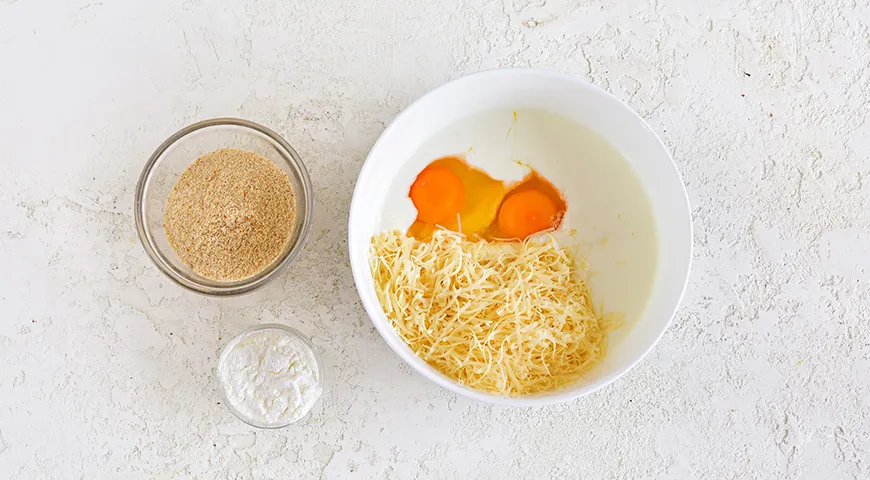
Grate the hard cheese on the large holes of a box grater. In a mixing bowl, whisk together the kefir, eggs, and grated cheese until smooth. Add the cornstarch and continue whisking until no lumps remain—the batter will be thin but should coat a spoon lightly. Let the batter rest for 20 minutes at room temperature; this allows the starch to hydrate and the gluten to relax, resulting in a more tender crust. For perfectly blended batters, an immersion blender can ensure a silky consistency.
Step 3: Heat the Oil
Pour the vegetable oil into a large, heavy-bottomed skillet (preferably cast iron or nonstick) and heat over medium-high until shimmering—about 3–4 minutes. To test readiness, drop a tiny amount of batter into the oil; it should sizzle and float immediately. While the oil heats, dip each piece of fish into the batter, turning to coat evenly on all sides. Let excess batter drip off briefly before placing in the pan. Leave a little space between pieces. A good non-toxic air fryer can also make a lighter version, but pan-frying gives that classic golden crust.

Step 4: Fry Until Golden
Cook the fish for 3–4 minutes on the first side, until the batter is deeply golden and the edges are crisp. Using a wooden spatula or slotted turner, carefully flip each piece and cook for another 2–3 minutes. The second side cooks faster because the oil is already hot. The fish should feel firm to the touch and the coating should be uniformly bronzed. Avoid overcrowding; fry in batches if needed, keeping cooked pieces warm in a low oven. While frying, having a refrigerant leak detector is not related, but a good thermometer ensures oil temperature stays around 180°C (350°F).

Step 5: Drain and Serve
Line a plate with two or three layers of paper towels. Transfer the fried pollock pieces to the plate to absorb any excess oil. This step is crucial for a non-greasy finish. Repeat with remaining fish. Serve immediately while the batter is still shatteringly crisp. Garnish with fresh chopped dill or parsley if desired. Pair with a side of steamed rice, roasted vegetables, or a simple green salad. For extra indulgence, offer a dipping sauce like tartar sauce, garlic aioli, or a squeeze of lemon. A crisp white wine such as a sweet wine with high alcohol content can complement the richness beautifully.

Tips for Perfect Pollock in Batter
- Dry the fish well: Any excess moisture will cause the batter to slide off or turn soggy. Pat fillets with paper towels before seasoning.
- Rest the batter: The 20-minute rest is non-negotiable. It allows the cornstarch to absorb liquid and the batter to thicken slightly, ensuring better adhesion.
- Oil temperature: Keep the oil at a steady 180°C (350°F). Too low, and the batter absorbs oil; too high, and it burns before the fish cooks. A microwave pressure cooker won't help here, but a simple kitchen thermometer will.
- Do not overcrowd: Leave space between pieces so the temperature stays consistent and the batter crisps evenly.
- Serve immediately: Fried fish waits for no one. Enjoy within minutes of cooking for maximum crunch.
Variations to Explore
- Spicy twist: Add ½ teaspoon cayenne pepper or smoked paprika to the batter for a subtle heat.
- Herb infusion: Swap dried dill for dried parsley, thyme, or a teaspoon of za'atar for a Mediterranean flair.
- Gluten-free option: Replace cornstarch with rice flour or arrowroot powder. The batter will be equally crispy.
- Baked version: Place battered fish on a wire rack over a baking sheet, spray with oil using an oil sprayer, and bake at 220°C (425°F) for 15–18 minutes, flipping halfway.
- Cheese swap: Try Parmesan for a nuttier, saltier crust, or use a mild blue cheese for a more adventurous flavor.
Frequently Asked Questions
Can I use frozen pollock fillets?
Absolutely. Thaw them completely in the refrigerator overnight, then pat dry very well. Frozen fish often retains more water, so extra drying is essential.
Why did my batter fall off the fish?
Most likely the fish was too wet, or the batter wasn't thick enough. Make sure to dry the fillets thoroughly and let the batter rest as directed. If the batter still seems thin, add an extra teaspoon of cornstarch.
Can I make the batter ahead of time?
Yes, you can prepare the batter up to 2 hours in advance and store it covered in the refrigerator. Stir gently before using, as some separation may occur. For best results, add the cheese just before frying to maintain its texture.
How do I reheat leftover fried pollock?
To restore crispiness, reheat in a preheated oven at 200°C (400°F) for 5–7 minutes on a wire rack. Avoid the microwave, which will make the batter soggy. An air fryer also works wonderfully at 180°C (350°F) for 3–4 minutes.
What can I serve with this dish?
This pollock pairs well with mashed potatoes, cucumber salad, steamed broccoli, or a simple tomato-cucumber salad. For a more substantial meal, try it alongside chocolate-covered raisins as a playful dessert contrast—though that’s not traditional!
Can I substitute kefir with buttermilk or yogurt?
Yes. Buttermilk works perfectly—it has a similar acidity and helps tenderize the fish. Plain yogurt can also be used, but thin it with a tablespoon of milk or water to achieve the same consistency as kefir.
Is it possible to deep-fry instead of pan-fry?
Certainly. Deep-fry at 180°C (350°F) for 3–4 minutes until golden. The batter will puff up even more. Ensure your undercounter ice maker keeps a steady supply of ice for cooling drinks alongside this indulgent meal.
This pollock in kefir batter is a testament to the beauty of simple ingredients treated with care. The crispy, cheese-flecked coating and moist, flaky fish create a harmony that feels both rustic and refined. Whether you are cooking for a family weeknight or a casual dinner party, this recipe delivers consistent, crowd-pleasing results. For more inspiration on crafting perfect batters and exploring international flavors, browse our collection of coffee pairing ideas or delve into the best planetary mixer for dough projects. Happy cooking!







