


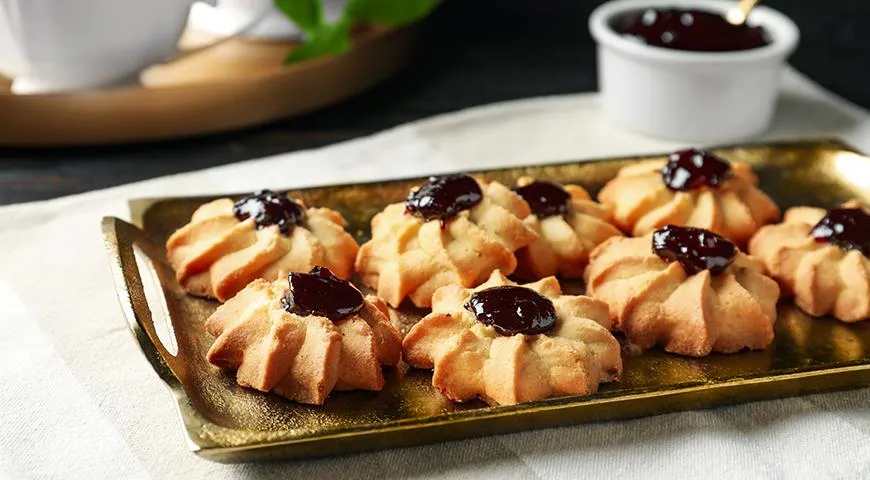
There are cookies that transcend mere sweetness—they become a sensory memory, a whisper of a distant kitchen. Persian Kurabye, made according to Soviet GOST standards, is one such treasure. These buttery, melt-in-your-mouth shortbread rosettes, crowned with a jewel of bright jam, speak of a time when precision and simplicity ruled baking. Today, we revive that spirit with a recipe that marries heritage with high-end technique. Whether you are a seasoned pastry enthusiast or a curious home baker, this guide will help you recreate the iconic cookies that have graced tea tables from Tehran to Tbilisi.
About Persian Kurabye: A Legacy of Butter and Jam
Persian Kurabye, or kurabye as it is known across the Caucasus, is a shortbread cookie with a distinct flower-like shape and a jam-filled center. The recipe adheres to the Soviet GOST (State Standard), ensuring consistent results every time. Unlike its European relatives, this version relies on a high butter-to-flour ratio and powdered sugar for a delicate crumb. The dough requires minimal handling—overworking will toughen the cookies. The key is to achieve a smooth, pliable paste that can be piped into perfect rosettes. For those who value precision, using a reliable best planetary mixer can simplify the creaming process, though a simple whisk works beautifully.

Ingredients for the Perfect GOST Kurabye
Before you begin, gather these exact quantities. Metric measurements ensure accuracy every time.
- 295 g all-purpose flour
- 180 g unsalted butter, at room temperature
- 75 g powdered sugar
- 20 g egg white (from about half a large egg)
- Thick jam or confiture (apricot, raspberry, or quince) for filling
For best results, use a premium butter with at least 82% fat content. The powdered sugar must be sifted to avoid lumps. A best non-toxic immersion blender is not needed here, but a fine-mesh sieve is essential.
Step-by-Step: Crafting the Cookies
Follow these steps exactly as written. The oven temperature and baking time are critical—use an oven thermometer if needed.
Step 1: Preheat and Prepare
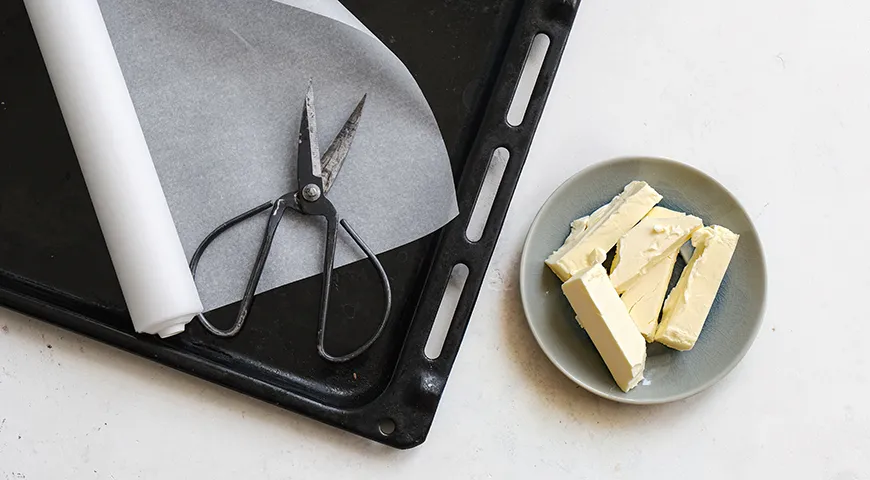
Preheat the oven to 220 °C (without convection!). Line two baking sheets with parchment paper. Ensure the butter is softened to room temperature—about 20–22 °C. The butter should be spreadable but not melted.
Step 2: Cream Butter and Powdered Sugar
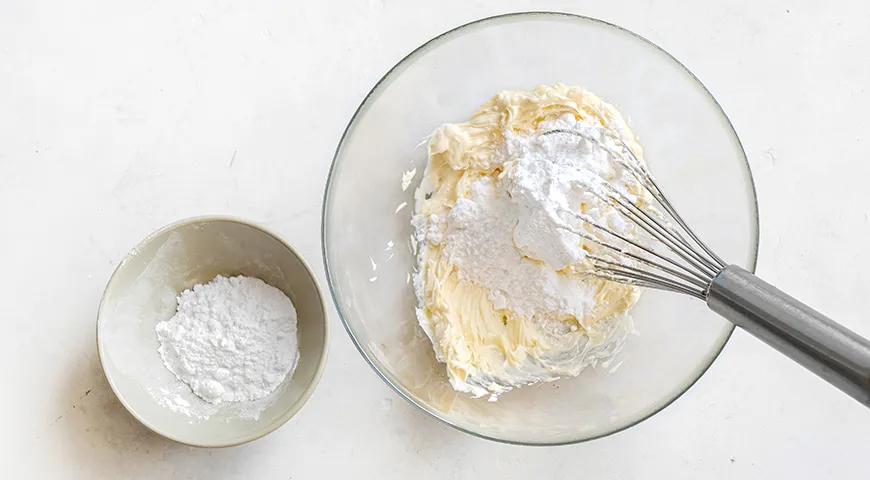
Place the soft butter in a mixing bowl. Using a spatula or whisk, rub the butter until smooth. Gradually add the sifted powdered sugar while continuing to stir. The mixture should become pale and creamy—no electric mixer required, but a best glass food processor can help if you prefer a hands-off approach.
Step 3: Add Egg White
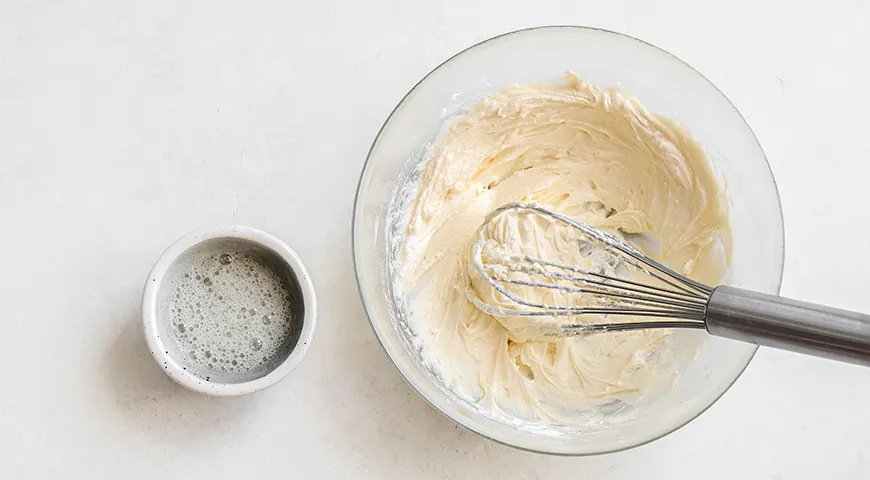
When the butter-sugar mixture is homogeneous, lightly beat the egg white with a fork (do not whip to foam). Add it to the bowl and mix until fully incorporated. The dough will look slightly glossy.
Step 4: Incorporate Flour
Sift the flour into the bowl. Gently fold it in using a spatula—do not overmix. The dough should come together as a soft, non-sticky mass. Overworking will develop gluten and make the cookies tough.
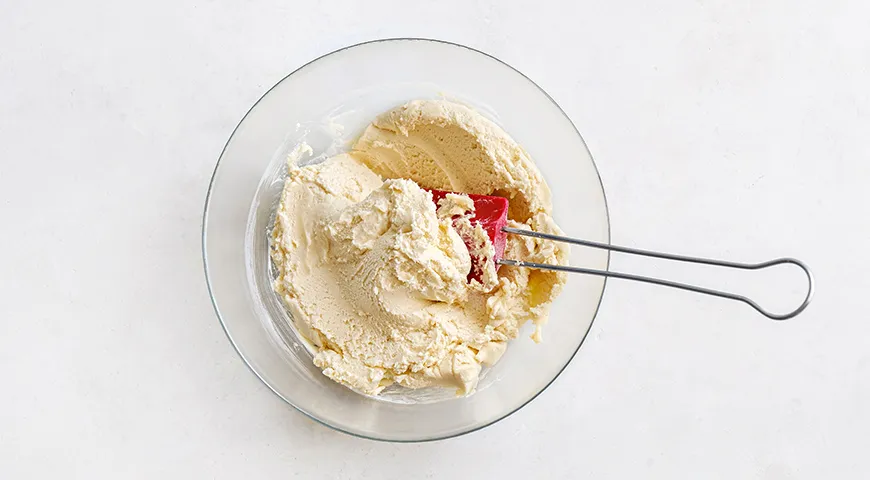
Step 5: Pipe the Rosettes
Transfer the dough to a piping bag fitted with a large star tip. Pipe daisy-shaped cookies onto the prepared baking sheets, leaving about 2 cm between each. The dough is rich—it may be stiff; a sturdy piping bag is recommended. For a consistent shape, use a best espresso machine under 2000? No, but a good piping practice ensures uniformity.
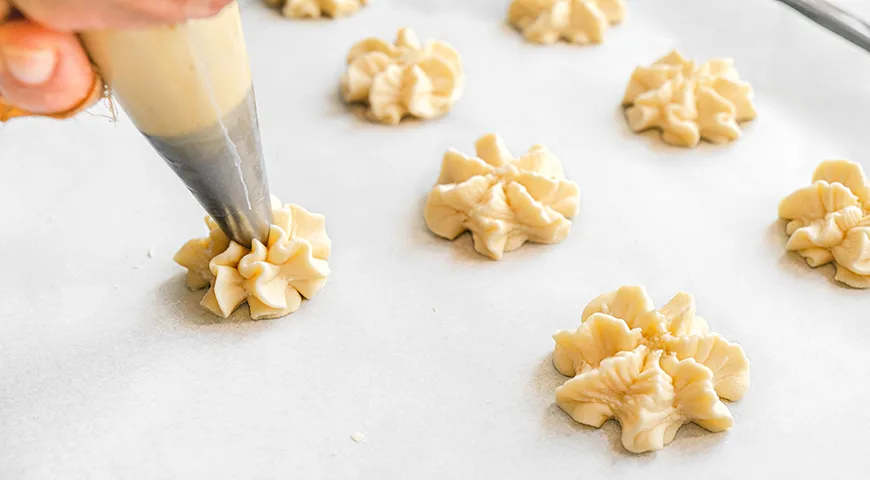
Step 6: Indent and Bake
With a damp finger or the end of a wooden spoon, press a small indentation into the center of each cookie. This will hold the jam after baking. Bake for 9–11 minutes, until the edges are lightly golden but the centers remain pale. Remove from oven and let cool on the sheet for 2 minutes, then transfer to a wire rack.
Tips for Flawless Kurabye
These details separate good cookies from exceptional ones. First, never skip sifting the powdered sugar—it ensures a velvety dough. Second, the egg white must be at room temperature; cold egg will seize the butter. Third, avoid overbaking: the cookies should be set but not browned deeply. Store in an airtight tin for up to a week. For an even texture, chill the piped cookies for 10 minutes before baking. If you invest in a best air fryer non-toxic, you can experiment with a convection setting at a lower temperature (200 °C for 7–8 minutes), but the classic oven method is foolproof.
Variations to Explore
While the GOST version uses simple jam, you can elevate it with homemade fruit curds or a sprinkle of pistachios. For a chocolate twist, replace 30 g of flour with cocoa powder. The dough also pairs beautifully with rosewater (1 teaspoon) for a Persian touch. Remember that the filling should be thick—watery jam will soak into the cookie. A best steam canner can help you preserve seasonal jams to use year-round.
Frequently Asked Questions
Why is my dough too soft to pipe?
If the butter was too warm or the egg white added while still cold, the dough may become slack. Chill it in the fridge for 15 minutes before piping. Alternatively, lightly dust the surface with flour—but do not incorporate too much.
Can I use salted butter?
Yes, but reduce the salt elsewhere in the recipe. The GOST standard calls for unsalted butter to control the sodium level precisely.
What jam works best?
Apricot, raspberry, or quince jam are traditional. Choose a jam that is firm and not overly sweet—a best chocolate covered raisins might not fit, but a high-pectin fruit jam holds its shape.
Why did my cookies spread during baking?
Possible causes: butter too soft, overmixing the dough, or oven temperature too low. Ensure the oven is fully preheated to 220 °C and that the dough is not overworked.
Can I freeze the unbaked cookies?
Absolutely. Pipe the rosettes onto a parchment-lined tray, freeze until solid, then transfer to a freezer bag. Bake directly from frozen, adding 1–2 minutes to the time.
How do I cleanly fill the indentation with jam?
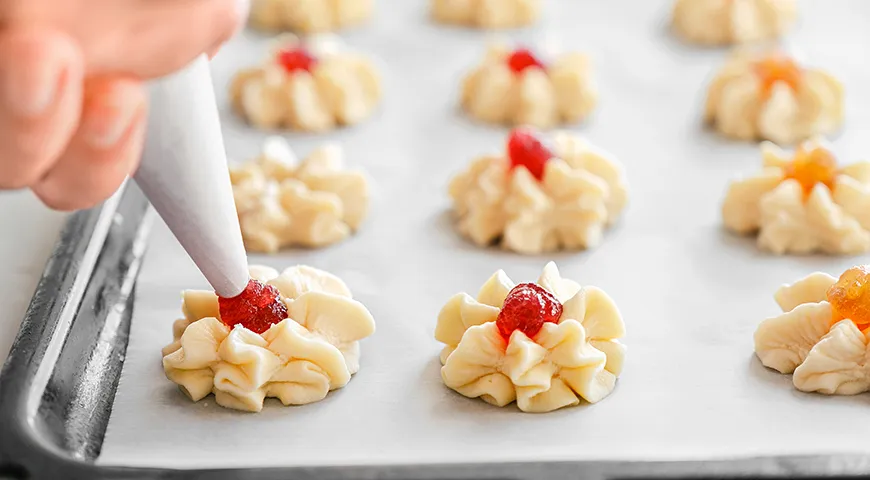
Use a small piping bag or a paper cone ("funtik"). Warm the jam slightly if it is too thick, but ensure it cools to room temperature before piping into the baked cookies.
Final Thoughts
Persian Kurabye by GOST is more than a recipe—it is a window into a baking philosophy that prizes exactness and elegance. With its buttery richness and bright fruit center, it remains a staple at tea parties and holiday gatherings. We hope this guide inspires you to bake these little cookies and make them your own. For more heritage recipes, explore our pa de pessic Catalan sponge or discover the best organic vodka to pair with dessert. Happy baking!







