


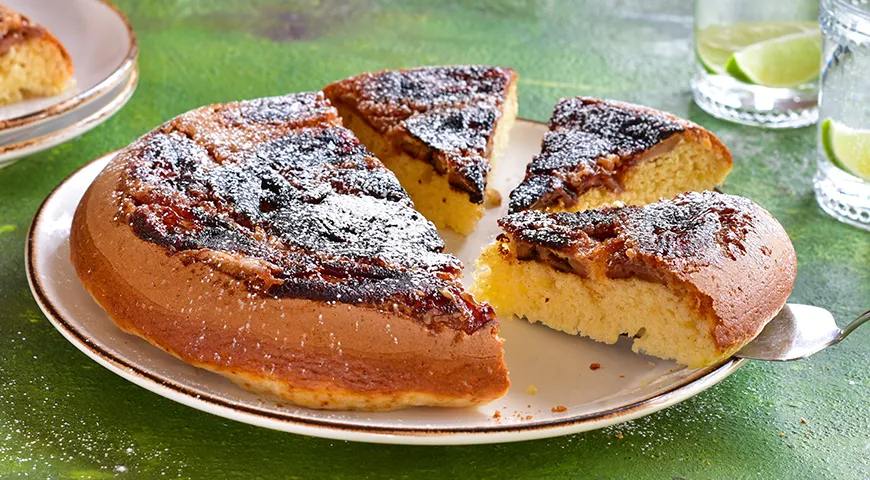
Imagine a cake that caramelizes in its own sugar, bakes on the stovetop, and fills your kitchen with the warm, sweet scent of ripe bananas. That is the magic of Pan-Fried Banana Cake (Пирог с бананами на сковороде), a rustic Russian dessert that transforms humble ingredients into something truly special. This skillet banana cake is not baked in an oven; instead, it is gently cooked on the stovetop, creating a beautiful caramelized banana topping and a tender, fluffy crumb. It is a perfect weekend treat, a surprising brunch centerpiece, or a cozy dessert for any evening. The recipe is remarkably simple, requiring just one bowl and one skillet, yet the result is impressively elegant. Let us dive into the world of stovetop baking and discover how to make this delightful banana cake.
About This Stovetop Banana Cake
This recipe is a wonderful example of Russian home baking, where resourcefulness and practicality meet deliciousness. By cooking the cake in a covered skillet on low heat, you achieve a moist, evenly baked cake without needing an oven. The bananas are first caramelized with sugar in the pan, creating a sticky, sweet base that becomes the top of the cake when inverted. The process is gentle and forgiving, making it an excellent choice for beginner bakers or anyone looking for a quick yet impressive dessert. The combination of light vanilla and ripe banana is timeless, and the texture—soft, slightly dense, and perfectly tender—is universally loved.

Ingredients for the Perfect Skillet Banana Cake
You only need a few basic ingredients, most of which are pantry staples. Here is what you will need:
- 2 medium ripe bananas
- 1 large egg
- 150 g all-purpose flour (high-grade wheat flour)
- 130 ml whole milk
- 80 g granulated sugar (divided: 2 tbsp for caramelizing, rest for batter)
- 40 ml vegetable oil + 1 tsp for greasing the pan
- 2 tsp (10 g) baking powder
- 1 tsp (8 g) vanilla sugar (or ½ tsp vanilla extract)
- Pinch of salt
For the best results, use ripe but firm bananas. They should be sweet and fragrant but not mushy. The milk should be at room temperature to help the batter come together smoothly. Using a quality mixing tool like a whisk or even a fork works fine; there is no need for an electric mixer. The skillet should be about 24 cm (9.5 inches) in diameter with a tight-fitting lid.
Step-by-Step Guide to Making Pan-Fried Banana Cake
Follow these simple steps to create a beautiful caramelized banana cake.
Step 1: Prepare the Bananas
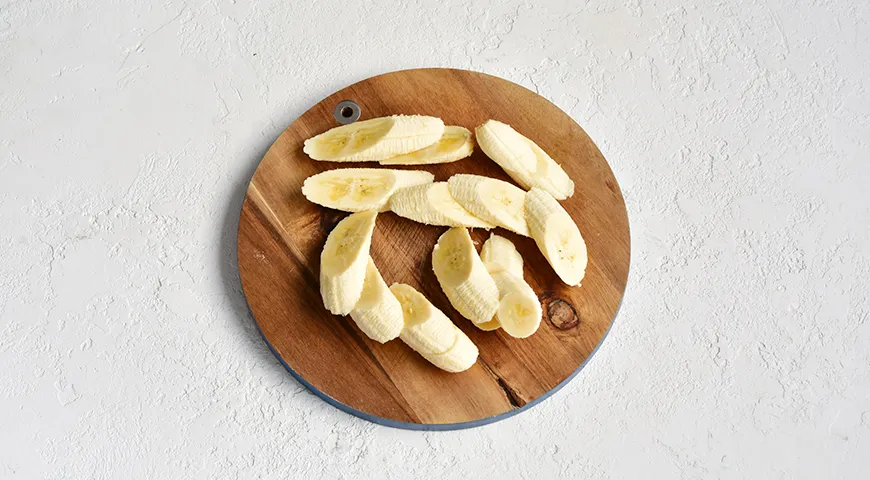
Peel the bananas and slice them into rounds about 3–4 mm thick. You can also cut them into batons or lengthwise strips, but avoid slicing too thinly, as the bananas will dissolve into the caramel instead of keeping their shape. Tip: If you have a good food processor, you can quickly slice them uniformly, but a knife works perfectly.
Step 2: Caramelize the Bananas in the Skillet
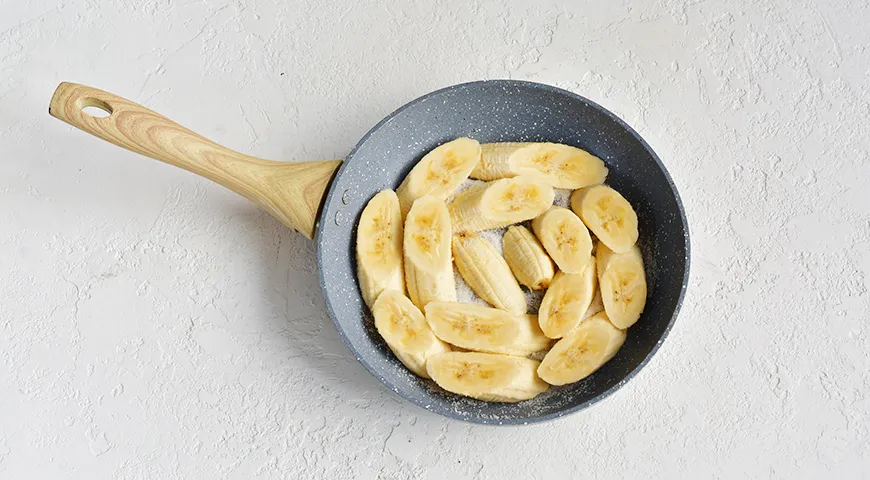
Grease the 24 cm skillet with 1 teaspoon of vegetable oil. Sprinkle 2 tablespoons of the sugar evenly over the bottom. Arrange the banana slices on top of the sugar in a single layer. Place the skillet over low heat. Let the sugar melt and bubble gently. Do not stir. This process takes about 5–7 minutes. You will see the sugar turn into a light golden caramel and the bananas soften slightly. Remove from heat temporarily while you prepare the batter. For an even caramelization, use a good oil sprayer for greasing.
Step 3: Make the Batter
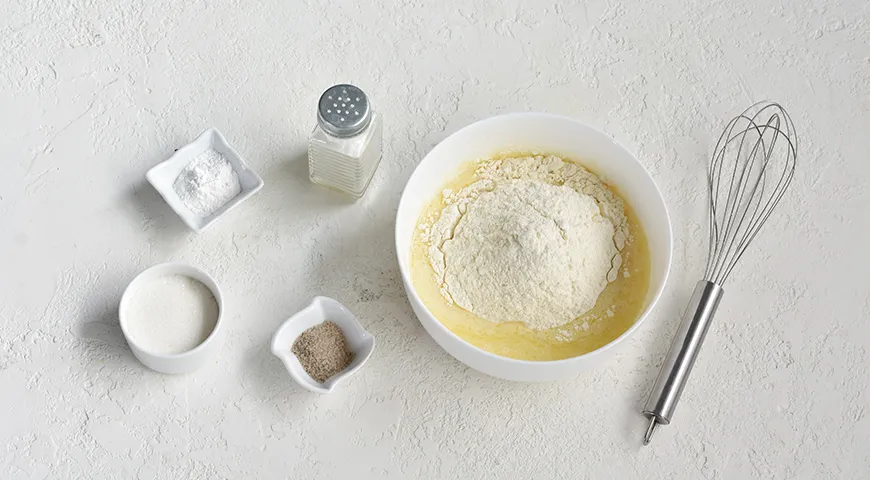
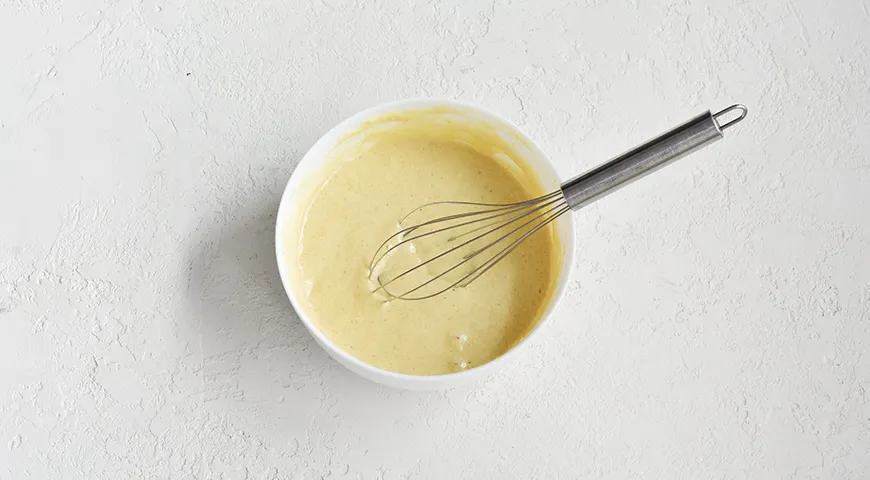
In a medium bowl, whisk together the egg, milk, and vegetable oil until well combined. Sift the flour and baking powder directly into the wet mixture. Add the remaining sugar (the rest of the 80 g, about 2–3 tablespoons), the vanilla sugar, and a pinch of salt. Whisk gently until the batter is smooth and free of lumps. Do not overmix; just combine until homogeneous. The batter will be somewhat thin, similar to pancake batter. A non-toxic immersion blender can be used if you prefer, but a whisk is fine.
Step 4: Combine Batter with Caramelized Bananas
Carefully pour the batter over the caramelized bananas in the skillet. Use a spatula to spread it evenly, covering all the bananas. Do not disturb the banana layer too much. The batter will settle around them. If you have a non-toxic air fryer, you might try a similar technique, but the stovetop method is classic.
Step 5: Cook the Cake on the Stovetop
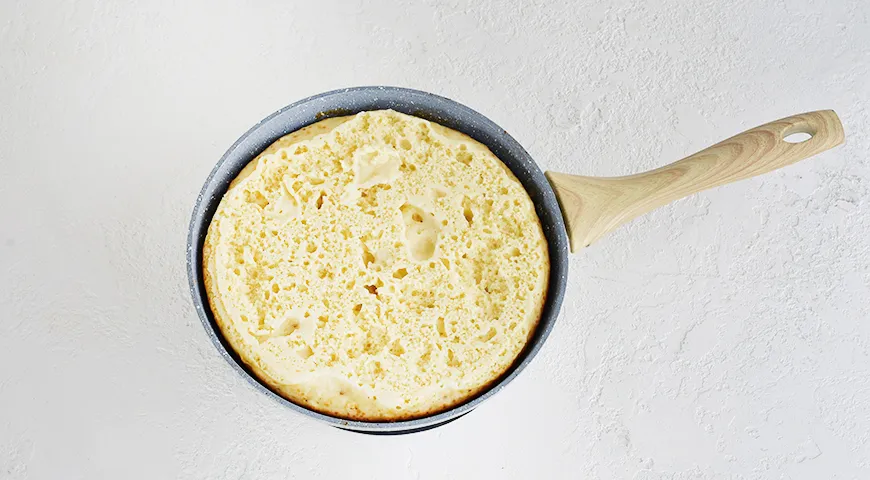
Return the skillet to low heat. Cover with a tight-fitting lid. Cook for 35–40 minutes. The cake is ready when a wooden skewer inserted into the center comes out clean. The top will appear set and lightly golden. The slow cooking ensures even doneness. Using a steam canner approach applies here: gentle heat and steam.
Step 6: Invert and Brown the Bottom
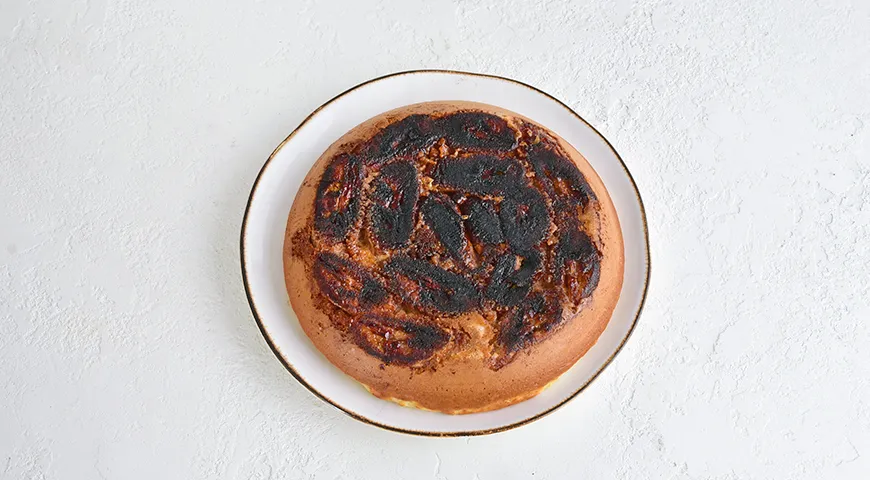
Once the cake is cooked through, remove the lid. Place a plate (larger than the skillet) over the top. Carefully invert the skillet and plate together, turning the cake out onto the plate. The caramelized bananas will now be on top. If any bananas stick, simply reposition them. Place the skillet back on the stove and slide the cake back into the skillet, uncooked side down. Increase the heat to medium and cook for another 5 minutes, uncovered, until the bottom is golden brown and crisp. This final step creates a beautiful crust. For precision, a commercial convection oven could also finish this, but the stovetop is traditional.
Tips for Success
• Use a non-stick skillet for easy release. The caramel can be sticky.
• Keep the heat low to prevent burning. Patience is key.
• If your lid is not tight, wrap the skillet with foil to trap steam.
• Let the cake cool for 5 minutes after inverting; the caramel will set slightly.
• For extra flavor, add a pinch of cinnamon or nutmeg to the batter. To enhance the banana flavor, consider using chocolate-covered raisins or nuts as a garnish.
Variations to Explore
• Swap half the flour with whole wheat for a nuttier taste.
• Use coconut oil instead of vegetable oil for a tropical twist.
• Add a tablespoon of rum or dark rum to the batter for an adult version.
• Replace bananas with sliced apples or pears for a seasonal variation.
• Top with a dollop of whipped cream or a dusting of powdered sugar.
• For a vegan version, use a flax egg (1 tbsp ground flax + 3 tbsp water) and plant-based milk.
Frequently Asked Questions
Can I use a different size skillet?
Yes, but adjust cooking time. A larger skillet will produce a thinner cake that cooks faster; a smaller one will be thicker and need more time. Keep the heat low.
Why did my cake stick to the pan?
This can happen if the skillet is not well-greased or the caramel overheats. Use a non-stick pan and ensure the sugar melts gently. If sticking persists, run the skillet over low heat briefly to loosen the caramel.
Can I make this cake ahead of time?
Yes, it keeps well for a day at room temperature wrapped in foil. Reheat gently in a covered skillet on low heat for 5 minutes. The texture remains moist. For best results, serve warm.
What can I use instead of vanilla sugar?
Substitute with ½ teaspoon vanilla extract added to the wet ingredients. Or use a vanilla bean pod scraped into the milk. The flavor will be slightly different but still delicious.
Is it necessary to flip the cake?
Flipping creates a golden crust on the bottom and ensures even cooking. However, you can skip the final 5-minute browning if you prefer a softer bottom. The cake will still be cooked through.
Conclusion
Pan-Fried Banana Cake is a testament to the beauty of simple, clever cooking. With minimal equipment and basic ingredients, you can create a dessert that looks as stunning as it tastes. The caramelized banana topping is a showstopper, and the tender cake beneath is pure comfort. Whether you serve it for breakfast, dessert, or an afternoon snack, this skillet cake will win hearts. For those who love exploring global baking, try pairing it with a cup of specialty coffee or a glass of sweet wine. And if you are looking to expand your baking repertoire, check out Catalan sponge cake for another delightful variation. Happy baking!







