


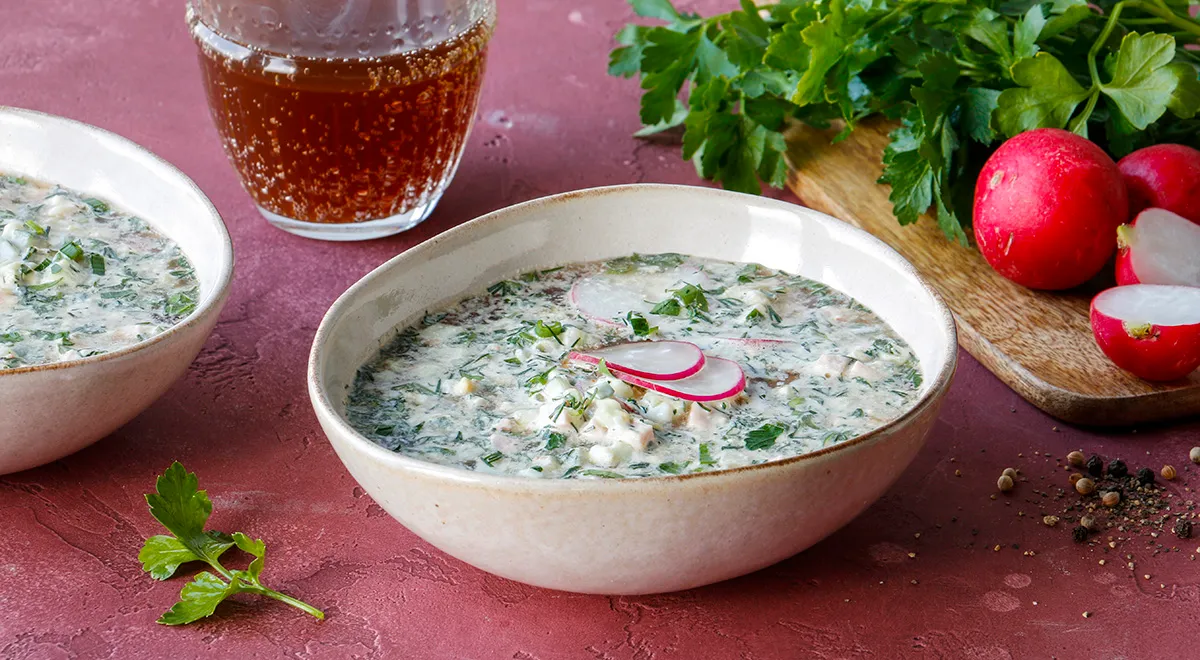
Numberless soups comfort the soul, but few possess the effervescent charm of Okroshka on Kvass with Mayonnaise. This quintessential Russian cold soup is a symphony of fresh vegetables, tender boiled sausage, and hard-boiled eggs, all harmonized by the tangy, slightly fermented embrace of traditional kvass. A generous spoonful of mayonnaise lends a creamy richness that transforms each bowl into a cooling repast on sweltering summer days. Whether you’re a seasoned cook of Slavic cuisine or a curious epicurean, this recipe invites you to craft a truly authentic version from scratch. For a flawless execution, consider using a high‑performance food processor for dicing vegetables uniformly, or a non‑toxic immersion blender to emulsify the dressing. The result is a dish that is at once rustic and refined, perfect for garden parties or a quiet evening al fresco.
About the Dish: A Heritage of Refreshment
Okroshka (окрошка) derives its name from the Russian verb kroshit’—to crumble or chop finely—and indeed the soul of this soup lies in the exacting cut of its ingredients. Historically a peasant’s repast that made use of leftover boiled meat and garden vegetables, its modern incarnation often relies on kvass, a Slavic fermented beverage made from rye bread. The marriage of mayonnaise with kvass might seem unorthodox, yet it produces a velvety texture that beautifully counters the bright crunch of cucumber and radish. Every spoonful evokes the dacha, the Russian countryside, and the art of slow, deliberate cooking. For an even deeper dive into fermented foundations, explore home‑canning equipment to preserve your own garden bounty, or a dedicated ice maker to keep kvass refreshingly chilled.

Ingredients: The Pantry of Summer
- Potatoes – 2 medium tubers
- Eggs – 2 large
- Fresh cucumbers – 2
- Radishes – 4
- Green onions – 30 g
- Dill – 4 sprigs
- Parsley – 2 sprigs
- Boiled sausage (Doktorskaya or similar) – 400 g
- Kvass – 1 litre
- Salt – to taste
- Freshly ground black pepper – to taste
When selecting produce, opt for firm cucumbers with taut skin and radishes that yield slightly to pressure. The kvass should be naturally effervescent but not overly sweet. If you prefer a more rustic texture, hand‑cut all ingredients—or, for uniformity, enlist the help of a glass‑bowl food processor to achieve precise dice in seconds.
Step‑by‑Step: Crafting the Perfect Bowl
Step 1 – Prepare the Potatoes
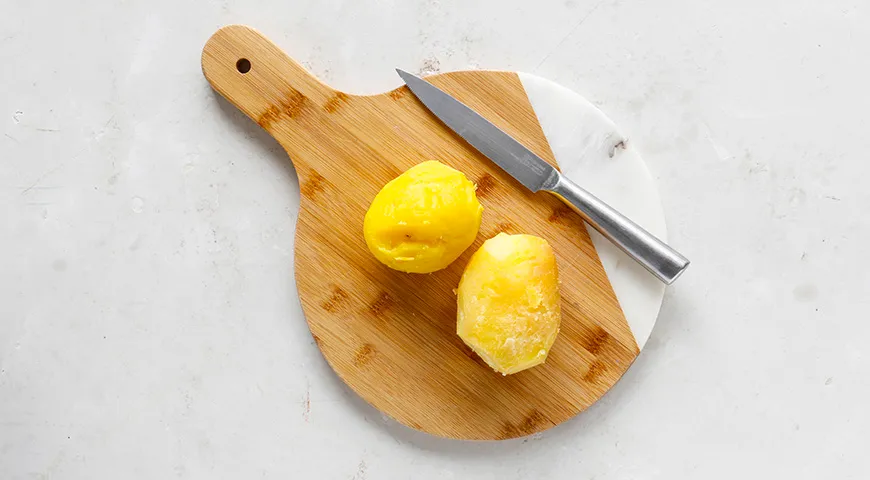
Thoroughly scrub the potato tubers with a brush, then boil them in their skins until tender, about 20 minutes. Allow them to cool completely, then peel off the skins. The gentle sweetness of potato forms the backbone of the soup. For an even cooking process, a microwave‑pressure cooker can cut boiling time in half while preserving texture.
Step 2 – Hard‑Boil the Eggs
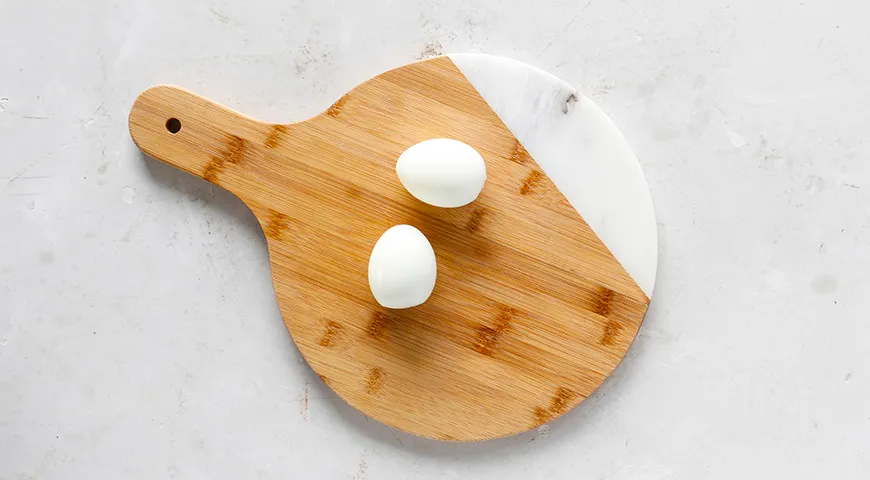
Place the eggs in a saucepan, cover with cold water, and bring to a rolling boil. Cook for exactly 10 minutes, then drain and cool under running water. Peel when cool enough to handle. The yolks should be fully set yet still moist. For foolproof peeling, invest in a precision‑temperature espresso machine might not be needed, but a simple kitchen timer will do.
Step 3 – Prepare the Fresh Vegetables
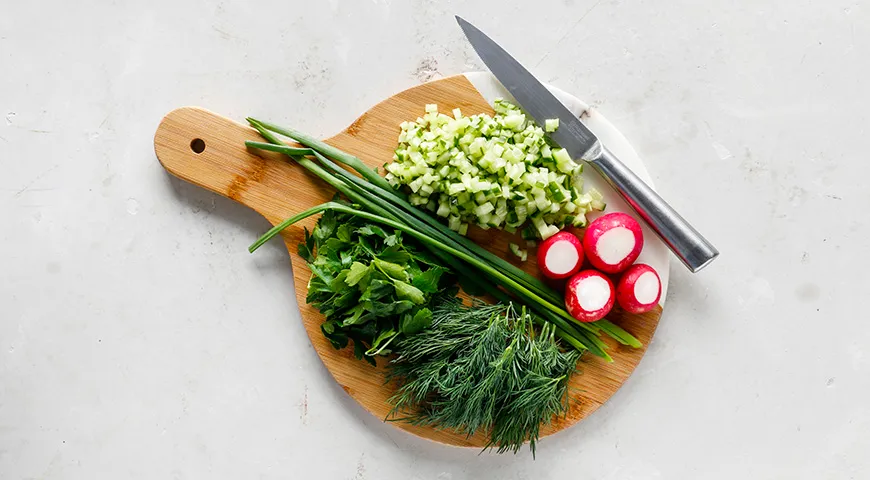
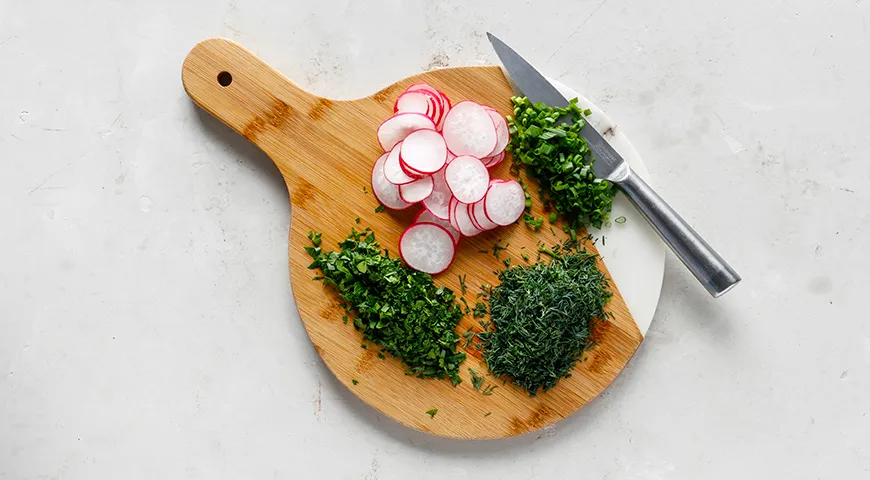
Rinse the cucumbers, radishes, green onions, dill, and parsley under cold water. Remove any tough stems from the herbs. Cut the cucumbers into small cubes—if the skin is thick, peel it first. The radishes should be sliced into thin rounds or julienne. Uniformity matters here; a spacious refrigerator with dual zones keeps produce crisp days after prep.
Step 4 – Mince the Herbs and Radishes
Pat the herbs completely dry with a paper towel—this is crucial for the next step. Finely chop the green onions, dill, and parsley. Slice the radishes into thin rounds or fine strips. A sharp organic vodka might stay on the bar, but for herbs nothing beats a good chef’s knife or a planetary mixer with a chopping attachment.
Step 5 – Massage the Herbs
Place all the chopped greens into a large bowl, add a pinch of salt, and use your fingertips to rub them together until they release their fragrant juices. This step unlocks the essential oils and elevates the soup’s aromatic profile. Let the herbs rest at room temperature while you prepare the remaining ingredients. For a truly even grind of pepper, use a chocolate‑covered raisins break? Not here, but a high‑quality pepper mill works wonders.
Step 6 – Combine and Chill
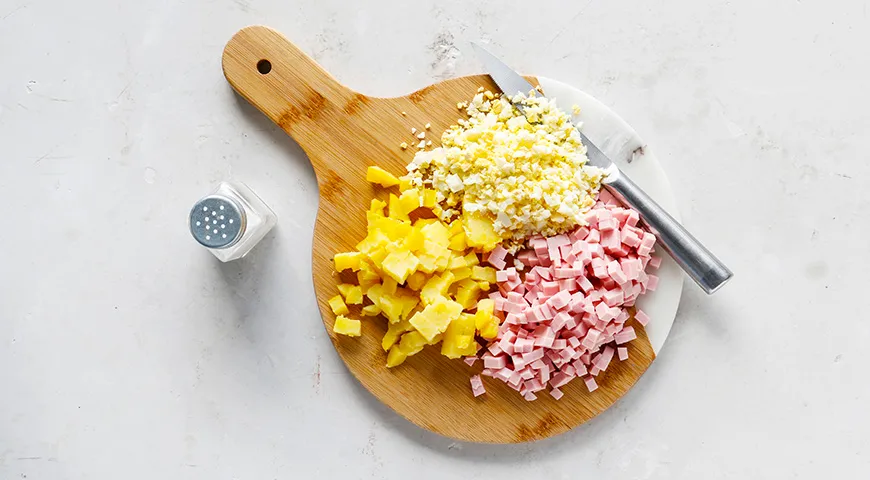
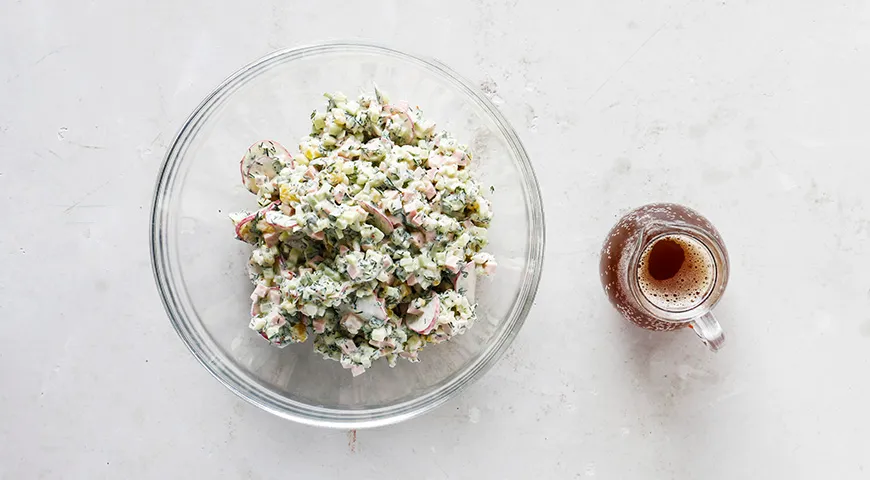
Cut the boiled sausage and cooled potatoes into small cubes. Chop the hard‑boiled eggs. Add these along with the cucumbers, radishes, and massaged herbs back into the bowl. Fold in the mayonnaise, season with pepper, and stir until everything is evenly coated. Finally, pour over the cold kvass, give a gentle stir, and serve immediately or chill for 30 minutes to meld flavours.
Tips for an Exceptional Okroshka
- Chill everything – For the most refreshing result, ensure all components are cold before combining, including the kvass. An ice maker can produce crystal‑clear cubes to cool the soup without dilution.
- Balance the mayonnaise – Start with 2–3 tablespoons and adjust; the mayonnaise should round out the kvass’s acidity without overwhelming it.
- Let it rest – Okroshka actually tastes better after 20–30 minutes of chilling, allowing the flavours to marry.
- Substitute the sausage – For a lighter version, use boiled chicken or smoked fish. The non‑toxic air fryer can quickly prepare leftover proteins.
- Go vegetarian – Omit the sausage and double the vegetables; add a handful of cooked chickpeas for protein.
Variations to Inspire
While the classic recipe uses boiled sausage, many regions substitute beef tongue or cooked shrimp. For a dairy‑free twist, replace mayonnaise with a thick cashew cream emulsified in a powerful food processor. Some cooks add a splash of sparkling water or even a dollop of sour cream alongside the kvass. For an ultra‑smooth presentation, blitz a portion of the soup with an immersion blender to create a hybrid chunky‑creamy texture. Pair with dark rye bread and a sweet fortified wine for a surprising contrast.
FAQ: Your Questions Answered
Can I use store‑bought kvass?
Absolutely. Look for unpasteurised kvass in glass bottles for the most authentic tang. If you prefer homemade, a steam canner can help you bottle it safely.
What if I can’t find boiled sausage?
Substitute with ham, grilled chicken breast, or smoked tofu. The key is a mild flavour that won’t overpower the vegetables.
How long does Okroshka keep in the fridge?
Store the soup (without adding kvass) in an airtight container for up to 2 days. Add kvass just before serving to maintain fizz. A 48‑inch built‑in refrigerator with precise humidity control is ideal for preserving freshness.
Is Okroshka gluten‑free?
Traditional kvass is made from rye, which contains gluten. Seek out gluten‑free kvass or substitute with a light kombucha or diluted buttermilk.
Can I make this without mayonnaise?
Yes. Replace with sour cream, Greek yoghurt, or a vegan aioli. The best oil sprayer can help you drizzle oil if you’re making an emulsion from scratch.
How do I dice ingredients perfectly?
Use a sharp chef’s knife and keep pieces uniform (about 1 cm cubes). Alternatively, a glass‑bowl food processor with a pulse setting yields consistent dice in seconds.
What wine pairs well?
A crisp, unoaked Sauvignon Blanc or a dry Riesling complements the tangy kvass. For a bold choice, try a high‑alcohol sweet wine to counter the soup’s acidity.







