


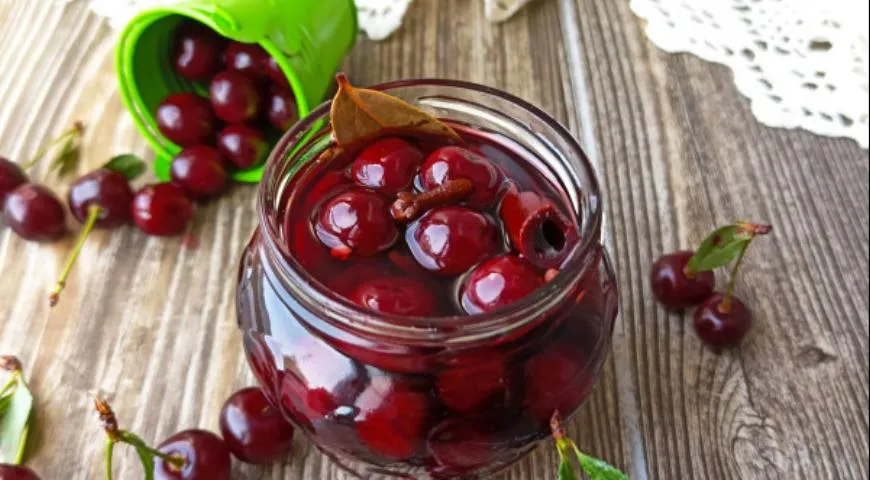
Norwegian cuisine, often celebrated for its simplicity and reverence for pure flavors, offers this extraordinary condiment: marinated cherries with red wine. Perfectly balancing sweet and tangy notes, this preparation elevates everything from roasted meats to aged cheeses. The Norwegian tradition of pickling fruit with wine creates a versatile preserve that doubles as a sophisticated garnish. By following this time-honored method—leaving the stones intact for subtle almond-like undertones—you’ll achieve a condiment that transforms simple dishes into culinary masterpieces.
About This Nordic Classic
In Norway, marinated fruit like cherries often accompanies rich game meats, pork roasts, and hearty holiday dishes. The technique of macerating fruit in spiced wine and vinegar is both a preservation method and a flavor-enhancing ritual. This recipe, steeped in Scandinavian heritage, uses whole cherries to retain their shape and texture, while the infusion of cinnamon, cardamom, and cloves imparts warmth. The result is a condiment that bridges sweet and savory, ideal for pairing with robust reds or as a vibrant topping for cheese boards. For those new to preserving, consider using a reliable best steam canner to ensure safe, long-term storage.

Ingredients
- 1 kg fresh cherries (unpitted – do not remove stones)
- 500 ml dry red wine (such as Merlot or Cabernet Sauvignon)
- 300 g granulated sugar
- 100 ml red wine vinegar
- 1 cinnamon stick
- 4 whole cloves
- 2 star anise
- 1 teaspoon cardamom pods, lightly crushed
Selecting quality ingredients is paramount. The cherries should be firm and ripe, and the wine robust enough to stand up to the spices. For an extra layer of complexity, a best sweet wine with high alcohol content can be used if you prefer a sweeter finish. However, dry wine is traditional to balance the sugar.
Step-by-Step Instructions
Day 1 – Initial infusion: In a medium saucepan, combine the red wine, sugar, cinnamon, cloves, star anise, and cardamom. Bring to a gentle boil, then stir in the vinegar. Remove from heat and allow the spiced marinade to cool completely. Place the whole cherries in a clean, non-reactive bowl or jar, and pour the cooled marinade over them. Cover and refrigerate for 24 hours.
Day 2 – Second infusion: After the first day, pour off the marinade into a saucepan, leaving the cherries in the bowl. Bring the liquid to a boil, then let it cool again. Once cooled, pour it back over the cherries. Return to the refrigerator for another 24 hours.
Day 3 – Final cooking: On the third day, transfer the marinade and cherries to a large saucepan. Heat gently, stirring, until the mixture reaches a boil. Reduce the heat and simmer for 5–7 minutes. Using a slotted spoon, pack the cherries into sterilized jars. Then pour the hot marinade over them, leaving a 1 cm headspace. Seal tightly and allow to cool. The marinated cherries improve in flavor after 2–3 weeks of resting. Store in a cool, dark place. For efficient preparation, a best food processor for nut butter could also be used for making nut-based accompaniments, though cherries require no machine work.
Tips for Perfect Marinated Cherries
- Always keep the pits in; they add a subtle almond-like note and maintain the fruit’s integrity.
- Use a non-reactive pot (stainless steel or enamel) to avoid metallic flavors.
- Sterilize jars by boiling them for 10 minutes or using a dishwasher’s high-temperature cycle.
- Allow at least 2–3 weeks before tasting for the flavors to meld fully.
- If you plan to double the batch, a best commercial countertop convection oven might help with quick sterilization, but a stovetop method works perfectly.
Variations to Explore
This recipe offers room for creativity. Swap the red wine for a floral white wine like Riesling for a lighter profile, or add orange zest for a citrusy twist. For a spicier kick, include black peppercorns or a dried chili. If you prefer a more syrupy consistency, simmer the marinade longer after removing the cherries. For those who love exploring global flavors, try pairing these cherries with cheeses such as blue cheese or aged Gouda. You might also incorporate them into a charcuterie board alongside a best store-bought au jus for prime rib for a complete meat-and-fruit pairing.
Serving Suggestions
These marinated cherries are incredibly versatile: spoon them over roasted pork tenderloin, serve alongside game meats like venison, or stir into yogurt for a sweet-savory breakfast. They also make an elegant topping for dark chocolate mousse or vanilla ice cream. For a Nordic-inspired toast, garnish a glass of chilled aquavit or a best organic vodka splash with cherries and a bit of syrup. Their vibrant ruby color and complex flavor will impress guests at any gathering.
FAQ
Why should I not remove the cherry pits?
Leaving pits intact prevents the cherries from falling apart during simmering and adds a subtle, almond-like undertone (thanks to benzaldehyde compounds). This is traditional in Norwegian culinary practices.
Can I use frozen cherries?
Yes, but thaw them first and reduce the sugar slightly to compensate for the extra liquid. Frozen cherries may be softer, so handle gently. To puree them later, a best non-toxic immersion blender is useful for making sauces if you skip the whole-fruit approach.
How long do these marinated cherries last?
When stored in sterilized jars in a cool, dark place, they keep for up to 6 months. Once opened, refrigerate and consume within 4 weeks.
What type of red wine is best?
A dry red with moderate tannins, like a Zinfandel, Merlot, or an organic option, works best. Avoid overly oaky wines as they can overpower the fruit. For help selecting, check reviews such as best George Howell coffee—though unrelated to wine, the site offers curated product insights.
Can I use this recipe for other fruits?
Absolutely! Plums, sour cherries, or even firm peaches work beautifully. Adjust sugar and vinegar to taste. The same method applies—just refer to our pa de pessic Catalan sponge recipe for inspiration on other fruit preparations.
Why does the recipe require three days?
The repeated heating and cooling process gradually infuses the cherries with spices and wine without breaking them down, ensuring a firm texture and deep flavor.
Can I reduce the sugar?
Yes, but the sugar acts as a preservative. Reducing it shortens shelf life. For a lower-sugar version, consume within a few weeks and keep refrigerated. Use a best oil sprayer to lightly coat the fruit with a reduced-sugar syrup if desired.
Conclusion
This Norwegian-style marinated cherry recipe is a gateway to the country’s rich culinary traditions, offering an elegant, long-lasting condiment that enhances both simple and elaborate dishes. Whether you’re serving it with a holiday roast or a weekday cheese plate, the interplay of sweet, sour, and spice will captivate your palate. For more preservation techniques and kitchen insights, explore our best wall oven microwave combo with air fryer review to modernize your cooking arsenal. Embrace the Nordic way and let these cherries become a pantry staple.







