


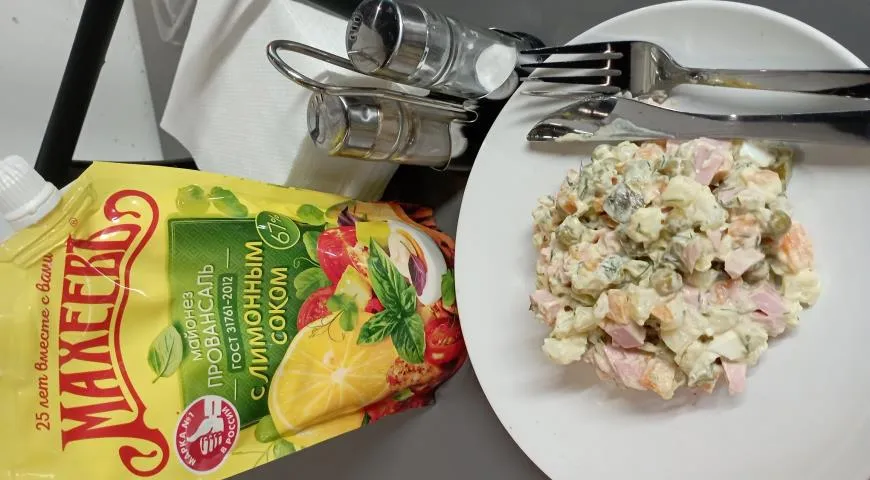
There are salads that define comfort, and then there is Olivier—the undisputed emperor of Russian festive tables. This beloved dish, often compared to a decadent potato salad, has been the centerpiece of New Year celebrations and family gatherings for generations. But this version, affectionately called ''My Favorite Olivier,'' comes with a personal twist: it's the quick, no-fuss weekday take that the author swears by, confessing they could ''eat it by the bucketful.'' The secret to elevating this simple salad lies in two key ingredients: proper barrel-aged pickles and a high-quality mayonnaise. As the author discovered through trial and error, these two elements transform the salad from ordinary to extraordinary.
About This Recipe
This Olivier recipe is a testament to the beauty of simplicity. It skips the elaborate presentations and focuses on pure, honest flavor. The author, a self-proclaimed novice cook, shares their mantra: for everyday meals, choose something fast and uncomplicated. The real revelation? Barrel pickles (botchkovye) bring a tangy crunch that commercial pickles lack, while a premium mayonnaise like Maheev with lemon juice adds creamy richness without overpowering. This is the kind of salad that tastes better the next day, as the flavors meld into a harmonious whole. To achieve perfectly diced vegetables, a quality food processor with a glass bowl can save time without sacrificing texture.

Ingredients
- Potatoes – 4-5 medium
- Eggs – 4
- Carrots – 2 medium
- Cooked sausage (e.g., ''Doktorskaya'') – 300g
- Barrel pickles – 3-4 medium
- Canned green peas – 1 can (400g)
- Mayonnaise (preferably Maheev with lemon juice) – 150-200g
- Salt and freshly ground black pepper to taste
Choosing the right mayonnaise is non-negotiable. The author insists on Maheev for its balanced tanginess. If you're looking to create your own, a non-toxic immersion blender makes homemade mayo a breeze. For the pickles, seek out barrel-fermented varieties; they add an irreplaceable depth of flavor.
Step-by-Step Instructions
1. Cook the Vegetables and Eggs
Place the potatoes, carrots, and eggs in a large pot. Cover with salted water and bring to a boil. Cook the potatoes and carrots until fork-tender (about 15-20 minutes), and hard-boil the eggs for 10 minutes. For even cooking, a microwave pressure cooker can speed up the process significantly.
2. Cool, Peel, and Dice
Drain the vegetables and eggs, then cool completely. Peel them and dice into even, small cubes—about the size of a pea. Uniformity is key for a pleasing texture. If you're prepping large batches, a food processor that handles dense ingredients can also chop vegetables, but manual dicing gives more control.
3. Dice the Sausage
Cut the cooked sausage into cubes of similar size. Use a sharp knife for clean cuts. Sausage adds a savory, slightly smoky note. For the best results, choose a high-quality, fine-textured sausage.
4. Dice the Pickles
Cut the barrel pickles into small cubes. Pat them dry with a paper towel if they are very briny to prevent the salad from becoming watery. The pickles provide the signature crunch.
5. Combine Ingredients
In a large mixing bowl, combine the diced potatoes, carrots, eggs, sausage, and pickles. Drain the canned green peas and add them to the bowl. Gently fold everything together.
6. Dress and Season
Add the mayonnaise—the author specifically recommends Maheev with lemon juice. Add a pinch of salt and a generous grind of black pepper. Mix gently until well coated. Taste and adjust seasoning. For an extra kick, a squirt of lemon juice or a dash of lava flavors can brighten the salad.
7. Serve with Appetite
Transfer to a serving dish and enjoy immediately or refrigerate for an hour to let the flavors meld. The salad tastes even better the next day. If you spot any errors or inaccuracies in this recipe, please let us know. #salad
Tips for the Perfect Olivier
- Choose the right pickles: Barrel-fermented pickles are non-negotiable. They have a crisp texture and complex sourness that supermarket pickles can't match.
- Don't overcook the vegetables: They should be tender but still hold their shape when diced. Overcooked potatoes turn mushy.
- Use full-fat mayonnaise: Light or low-fat mayo will water down the dressing. A high-quality, full-fat option like Maheev is best. If you prefer a DIY version, an oil sprayer can help control oil when emulsifying.
- Let the salad rest: Chill for at least 30 minutes before serving. This allows the flavors to develop and the mayonnaise to coat everything evenly.
- Keep it cold: Olivier is best served chilled. If transporting, use a compact ice maker to keep the salad cool at buffets.
Variations to Try
Olivier is endlessly adaptable. Here are a few twists to experiment with:
- Chicken Olivier: Replace sausage with poached or roasted chicken breast for a lighter protein. A non-toxic air fryer cooks chicken perfectly without excess oil.
- Vegetarian Olivier: Omit the sausage and add extra hard-boiled eggs or diced tofu. For a creamy dressing, blend soaked cashews with lemon juice—a wheatgrass juicer is great for making nut milks too.
- Seafood Olivier: Substitute shrimp or crab for the sausage. The sweet seafood pairs beautifully with the tangy pickles.
- Apple Olivier: Add a diced tart apple for a fresh, sweet crunch. This variation is popular in some Russian households.
Frequently Asked Questions
Why are barrel pickles so important?
Barrel-fermented pickles undergo natural lactic acid fermentation, which gives them a deep, complex tang and a firm, crunchy texture. They elevate the salad beyond what regular vinegar pickles can achieve. If you can't find them, look for kosher dill pickles as a substitute.
Can I make Olivier ahead of time?
Absolutely. In fact, it's recommended. Prepare the salad, dress it, and refrigerate for up to 24 hours. The flavors meld beautifully. Just stir gently before serving and adjust salt if needed.
How long does Olivier last in the fridge?
Properly stored in an airtight container, Olivier keeps for 2-3 days. After that, the vegetables may soften and the mayonnaise can separate. For best quality, consume within two days. Using a refrigerant leak detector ensures your fridge maintains optimal temperature for food safety.
Can I use homemade mayonnaise?
Yes, and it can be even better. Homemade mayo allows you to control the oil quality and tang. A planetary mixer with a whisk attachment can emulsify mayonnaise flawlessly, or you can use an immersion blender.
What sausage is traditionally used?
The classic is ''Doktorskaya'' (Doctor's sausage), a finely emulsified, mild cooked sausage available in Russian stores. Alternatively, use any good-quality bologna or even leftover ham. For a richer flavor, try adding chocolate-covered raisins as a playful garnish (though not traditional, it offers a surprising sweet-savory contrast).
Is Olivier gluten-free?
Yes, all the ingredients are naturally gluten-free. However, always check the sausage and mayonnaise labels for additives that may contain gluten. Many commercial sausages are gluten-free, but it's wise to verify. Pairing this salad with a sweet, high-alcohol dessert wine makes for a festive pairing.







