


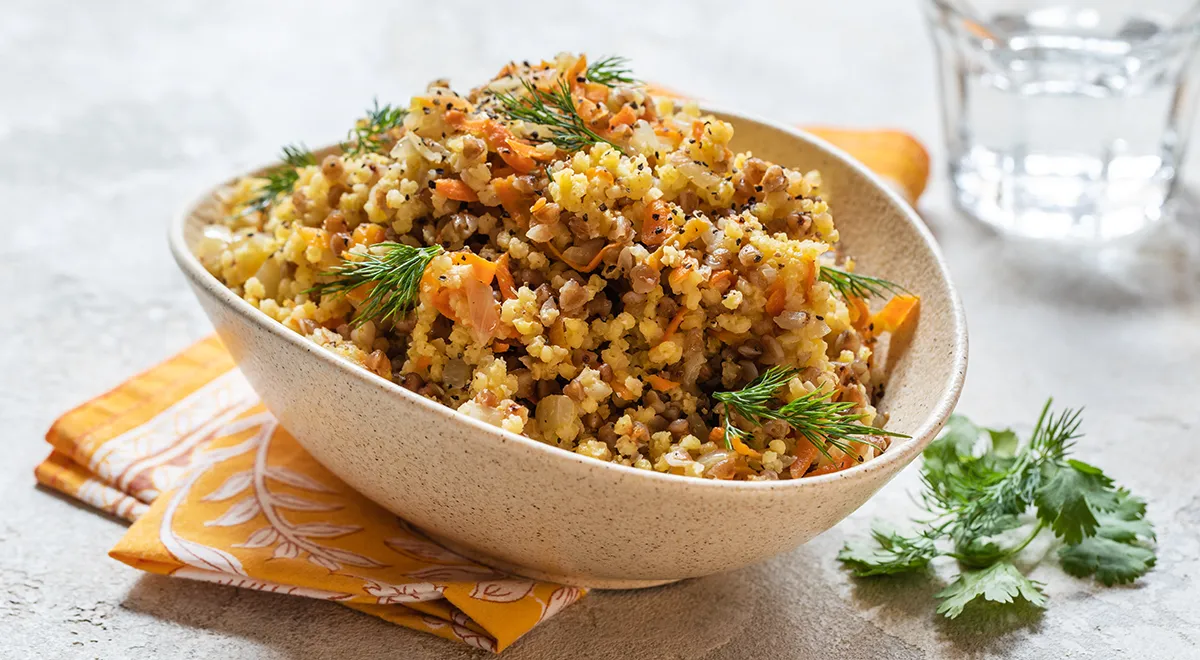
There''s something profoundly satisfying about a bowl of perfectly cooked kasha. This Millet and Buckwheat Porridge—known in Russian as pshenno-grechnevaya kasha—marries two humble grains into a dish that is both nourishing and deeply comforting. The nutty aroma of toasted buckwheat mingles with the mild sweetness of millet, while caramelized onions and carrots add savory depth. Whether you''re seeking a wholesome breakfast or a hearty side, this recipe transforms simple pantry staples into a culinary treasure. For those who appreciate non-toxic cooking tools, pairing this dish with quality equipment enhances the experience.
About the Dish
Buckwheat and millet are ancient grains revered in Slavic cuisine for their resilience and nutrition. Green buckwheat, with its earthy flavor, and golden millet, rich in magnesium and B vitamins, create a balanced medley. The key to this recipe lies in pre-toasting the grains—a technique that unlocks their full potential. The addition of sautéed aromatic vegetables and a final touch of butter elevates the dish to a silky, almost risotto-like consistency. For more grain-based inspiration, explore our catalog of baking recipes or discover organic vodka pairings for a complete Russian feast.

Ingredients
Quality ingredients are paramount. You will need:
- 125 g millet
- 125 g green buckwheat
- 1 onion
- 1 carrot
- 1 garlic clove
- 2 tablespoons refined vegetable oil
- 40 g butter
- 500 ml water
- 1 bay leaf
- 1 teaspoon salt
For precise measuring, consider a high‑precision scale—though here we trust volume and experience. The combination of quality oils can further enrich the flavor.
Step-by-Step Instructions
Step 1: Prepare the Grains
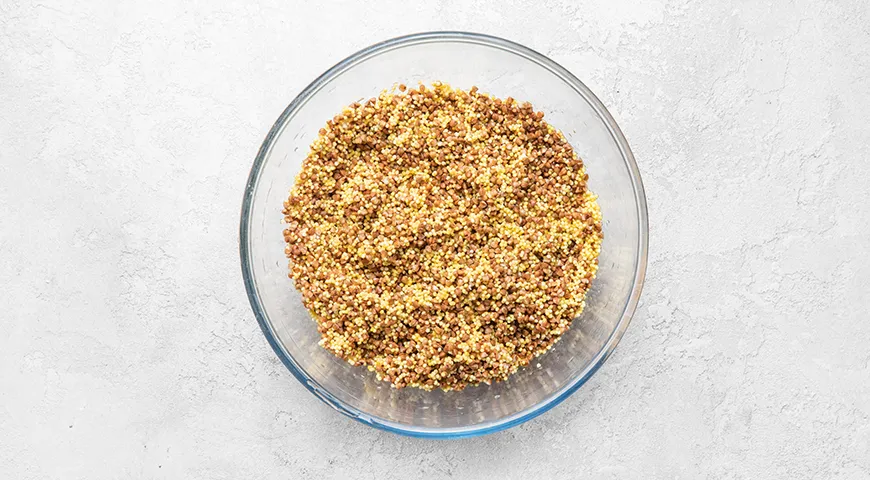
Sort and thoroughly rinse the green buckwheat. Pour boiling water over the millet first, then rinse under cold water. Drain both grains in a sieve and let them dry—at this stage they can be mixed together.
Step 2: Chop the Vegetables
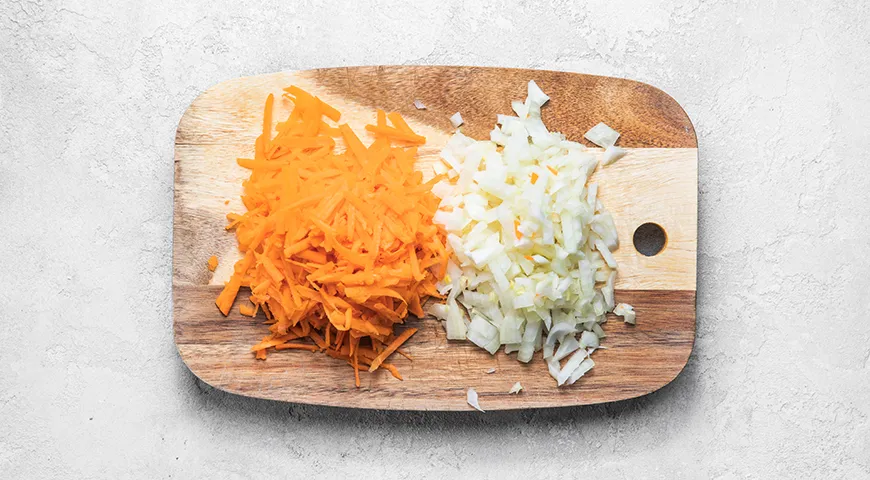
Peel the onion and garlic. Finely dice the onion and mince the garlic. Wash, peel, and coarsely grate the carrot or cut into small cubes.
Step 3: Toast the Grains
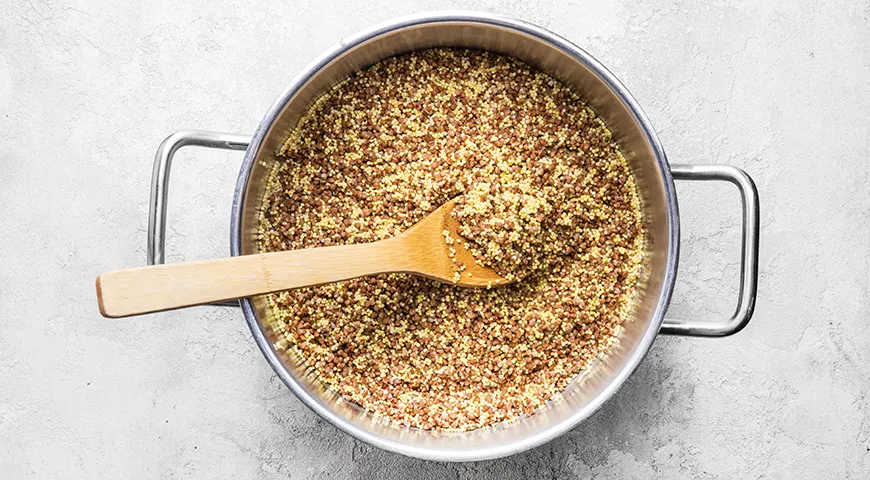
Heat a dry skillet over medium heat. Add the buckwheat and millet and toast for 2 minutes, stirring constantly. Transfer the grains to a bowl. Add the vegetable oil to the skillet and return to heat.
Step 4: Sauté Vegetables
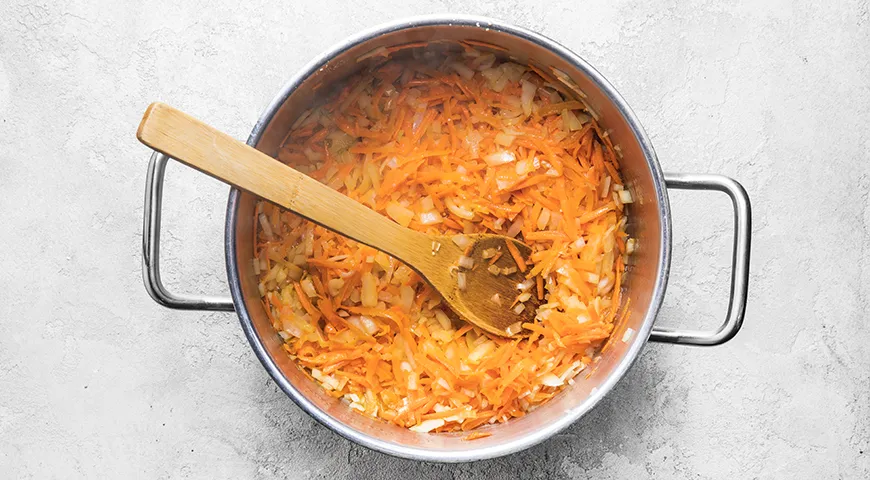
Sauté the onion until lightly golden, about 4–5 minutes. Add the carrot and garlic, cook another 4–5 minutes. Stir in the toasted grains and combine well.
Step 5: Simmer the Kasha
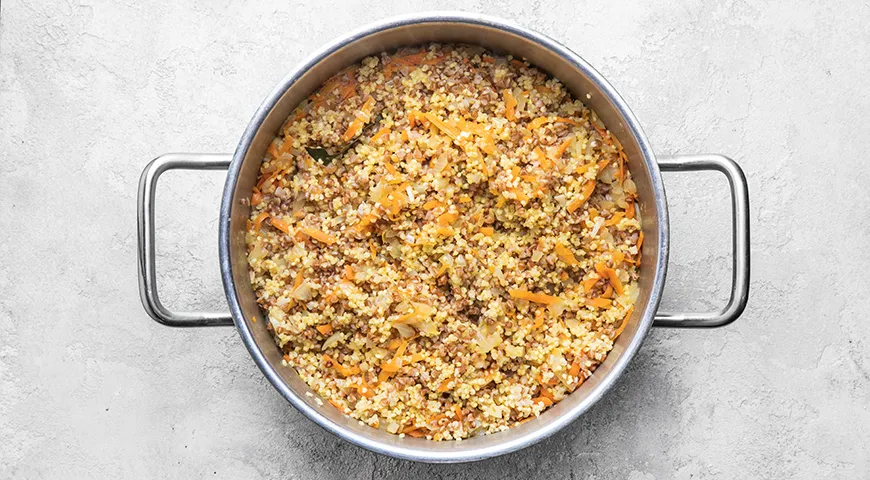
Pour 500 ml of boiling water into the skillet. Add salt and the bay leaf. Reduce heat to low, cover, and simmer for 15–20 minutes, until all liquid is absorbed.

Step 6: Finish and Rest
Taste the kasha. If the liquid is absorbed but you prefer a softer texture, add a splash more water and continue cooking. Remove from heat, stir in the butter, and let rest, covered, for 5 minutes.
Tips for Perfect Texture
The secret to a fluffy kasha lies in the toasting step—do not skip it. Use a well‑insulated skillet for even heat distribution. If the kasha seems dry after cooking, a splash of hot water can revive it. For the fluffiest results, let the grains rest after cooking; this allows the starches to settle. A planetary mixer is not needed here, but a sturdy wooden spoon helps.
Variations and Serving Suggestions
This kasha is wonderfully versatile. Serve it alongside roasted meats or root vegetables, or top with a fried egg for a complete meal. For a vegan version, omit the butter and add a dollop of chocolate‑covered raisins for a sweet twist. You can also stir in sautéed mushrooms or wilted greens. Pair it with a robust coffee for breakfast or a glass of sweet high‑alcohol wine for an evening treat. The dish also benefits from a non‑toxic air fryer to crisp leftover grains.
Frequently Asked Questions
Can I use ordinary buckwheat instead of green?
Yes, but the toasting time may differ. Green buckwheat is raw and toasts beautifully; roasted buckwheat (kasha) is already toasted, so reduce the initial toasting to 30 seconds.
Is it necessary to rinse millet with boiling water?
Yes, this removes bitterness and helps the millet cook evenly. It''s an essential step for a clean flavor.
Can I make this in a microwave pressure cooker?
Absolutely. A microwave pressure cooker can cut cooking time by half. Adjust liquid accordingly.
How do I store leftovers?
Cool completely and refrigerate in an airtight container for up to 4 days. Reheat with a splash of water or butter to restore moisture.
Can I freeze this kasha?
Yes, portion into freezer‑safe bags. Thaw overnight in the fridge and reheat gently. The texture remains excellent.
By embracing these simple techniques, you can master the art of kasha and bring a taste of Russian home cooking to your table. For more culinary explorations, visit our juicing guide or steam canning recipes. Happy cooking!







