


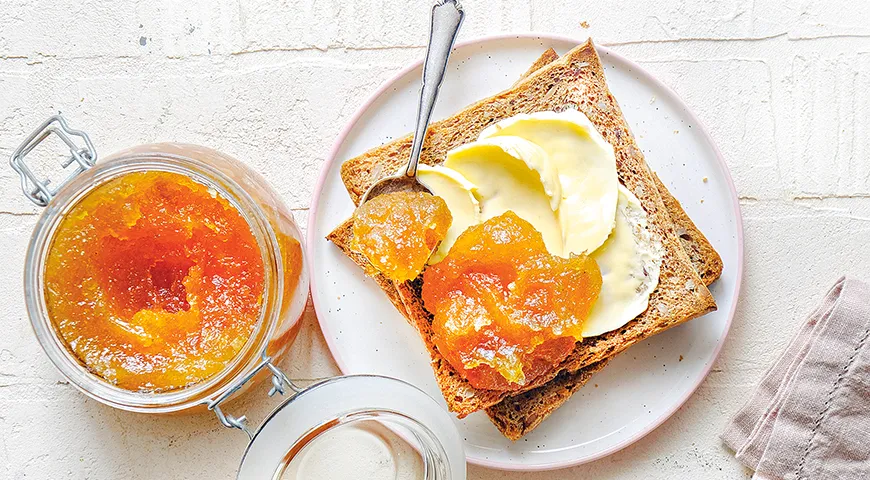
Povidlo—the deeply concentrated, silky fruit preserve beloved across Eastern Europe—reaches its zenith when summer’s sweetest melon meets tart green apples. This recipe transforms humble ingredients into a jewel-toned spread that captures the essence of the season. Unlike loose jams, povidlo is cooked until it holds its shape on a spoon, perfect for slathering on buttered toast, swirling into yogurt, or filling homemade pastries. The secret lies in a slow, patient simmer that coaxes out natural pectin from apple skins and cores, creating a luscious texture without commercial thickeners. Whether you are an experienced canner or a first-time preserver, this melon‑apple povidlo will become a cherished staple in your pantry.
About This Recipe
This traditional Russian povidlo pairs the honeyed fragrance of ripe melon with the bright acidity of green apples. The apples provide structure and pectin, while the melon contributes a floral sweetness that mellows beautifully during cooking. Unlike many fruit preserves that require endless stirring, this recipe relies on a brief initial steam (using your microwave pressure cooker or a heavy pot) to soften the apples, then an open‑pot reduction that builds depth. The final result is a dark amber spread with a hint of citrus from the lemon acid—balanced, complex, and utterly addictive.

Ingredients
- 1 kg sweet melon flesh (such as cantaloupe or honeydew)
- 1.2 kg tart green apples (Granny Smith or any firm sour variety)
- 700 g granulated sugar
- 1–2 g citric acid (about ¼–½ teaspoon)
- 100 ml water
Choose melon that is fragrant and fully ripe—underripe fruit lacks the sugar needed for proper gelation. For the apples, scrub them well with a brush; the peel and core are rich in pectin, so resist the urge to remove them.
Step‑by‑Step Instructions
- Prepare the apples. Wash apples with a brush, quarter them, and remove seeds. Do not peel or core—the skin and membranes contain precious pectin. Place the apple quarters in a large, heavy‑bottomed pot with 100 ml water. Cover tightly and bring to a boil over medium heat. Cook, stirring occasionally, for 30 minutes until the apples begin to soften.
- Add the melon. While apples cook, dice the melon into small cubes. After 30 minutes, add the melon to the pot and continue cooking uncovered, stirring now and then, until both fruits have broken down into a chunky purée—about 15–20 minutes.
- Purée and strain. Use an immersion blender (like those reviewed at best non‑toxic immersion blender) to purée the mixture directly in the pot. Then press the purée through a fine‑mesh sieve to remove apple skins and core remnants. This step ensures a silky‑smooth final texture.
- Cook the povidlo. Return the strained purée to the pot. Add sugar and citric acid, and stir until dissolved. Place over medium heat and bring to a boil, then reduce to a gentle simmer. Cook for about 2 hours, stirring frequently with a long‑handled spatula—keep the spatula perpendicular to the bottom to prevent scorching. The mixture will darken and thicken to a jam‑like consistency.
- Jar and store. Ladle the hot povidlo into sterilized jars. Cover with a piece of parchment paper and allow to cool completely before sealing with sterilized lids. For safe long‑term storage, process the sealed jars in a steam canner for 10 minutes.
Tips for Perfect Povidlo
- Don’t skip the straining—even if you use an immersion blender, forcing the purée through a sieve removes fibrous bits and yields that luxurious, velvety mouthfeel.
- Use a heavy‑bottomed pot to distribute heat evenly and prevent burning. A commercial countertop convection oven is overkill here, but a quality Dutch oven works beautifully.
- Test for doneness by spooning a small amount onto a chilled plate. If it wrinkles when you push it with a finger, it’s ready.
- Adjust sweetness based on your fruit: if melon is exceptionally sweet, reduce sugar to 600 g. For extra tartness, add a second pinch of citric acid.
Variations to Try
- Spiced Povidlo: Add a cinnamon stick, a star anise, or a vanilla pod during the last 30 minutes of simmering. Remove before jarring.
- Melon‑Ginger: Stir in 2 tablespoons of freshly grated ginger along with the sugar for a zesty kick.
- Low‑Sugar Version: Use a no‑sugar pectin and substitute half the sugar with organic vodka? No—just reduce sugar to 400 g and cook until very thick. The texture will be softer but still delicious.
- Pear‑Melon Blend: Replace half the apples with firm pears for a different flavor profile. Pears are low in pectin, so keep the apple skins.
Frequently Asked Questions
Can I use an glass food processor to chop the fruit?
Yes, you can pulse the melon and apples in a food processor, but do not purée them at the start—chunks help release pectin gradually. A food processor for nut butter works well for chopping.
How long does homemade povidlo keep?
Sealed and processed properly, it stays safe at room temperature for up to 12 months. Once opened, refrigerate and use within 3 months. Always check for mold before using.
Why did my povidlo turn out runny?
Under‑cooking is the most common cause. Continue simmering, stirring often, until it sheets off a spoon. You can also add a squeeze of lemon juice (not that, but citric acid helps) or a little commercial pectin. Next time, cook apples longer in the initial steam phase to extract more natural pectin.
Can I use a non‑toxic air fryer to dehydrate the fruit instead?
No—povidlo requires wet cooking to break down cell walls and release pectin. Dehydrating would produce a chewy fruit leather, not a spread. Stick to the stovetop method.
Is it necessary to sterilize jars and lids?
Absolutely. Wash jars in hot soapy water, then heat them in a 120°C oven for 10 minutes or boil lids for 5 minutes. A countertop ice maker won’t help here, but a boiling water bath or steam canner will ensure safety.
Can I reduce the sugar even further?
Yes, for a tart, less sweet preserve, drop to 500 g sugar. However, sugar acts as a preservative and helps with gelling. For very low sugar, use a pectin designed for low‑sugar recipes and follow package instructions.
What if I don’t have citric acid?
Substitute 2 tablespoons fresh lemon juice for every 1 g citric acid. Lemon juice adds acidity, brightens flavor, and aids gelling. You can also use castor oil? No—stick with citrus.
Whether you spread it on a warm croissant or gift it in pretty jars, this melon‑apple povidlo is a taste of old‑world tradition made simple. With these detailed instructions and a little patience, you’ll create a preserve that rivals any artisanal brand—and tastes infinitely better.







