



There are few greater pleasures in the culinary world than a warm, golden parcel of melted cheese wrapped in a crisp, buttery crust. The Georgian khachapuri is legendary for its indulgent, pull-apart strands of mozzarella‑like goodness, but the traditional yeasted dough can intimidate even seasoned home cooks. Enter the lazy khachapuri in lavash – a brilliantly simple twist that swaps homemade dough for paper‑thin Armenian lavash. This riff delivers all the flavor, texture, and comfort of the original in a fraction of the time. It is equally at home on a lazy Sunday breakfast table or as a sophisticated accompaniment to a glass of dry red wine. The Italian‑inspired filling of creamy farmer’s cheese and sharp hard cheese, punched up with garlic and fresh parsley, transforms humble flatbread into an utterly irresistible snack. And because there is no yeast, no proofing, and no rolling, you can go from pantry to plate in under twenty minutes. Let us show you how to fold these cheesy triangles like a pro – and why this recipe deserves a permanent place in your rotation.
About the Dish
Lazy khachapuri are the answer to every cheese lover’s prayer. The base is thin, pliable lavash – a classic unleavened flatbread found in Armenian and Middle Eastern cuisine. Instead of making dough, you simply cut the lavash into strips, fill them with a tangy cheese‑herb mixture, and fold into neat triangles. After a quick dip in beaten egg and a sizzle on the skillet, the lavash becomes beautifully crisp on the outside while the filling turns molten and gooey. It is a genius technique that yields all the satisfaction of traditional khachapuri adzharuli without the wait. For best results, use a glass food processor to whizz the farmer’s cheese into a silky paste – the smoother the base, the more luxurious the final texture. The dish is also incredibly versatile: serve it as a starter, a breakfast treat, or a hearty snack with a side of sweet wine or a crisp green salad.

Ingredients
- 2 sheets Armenian lavash (each about 30 x 40 cm)
- 180 g full‑fat farmer’s cheese (9% milkfat)
- 180 g hard cheese (such as Gouda, Edam, or a mild Cheddar)
- 1 large egg
- 1 clove garlic
- 2 sprigs fresh parsley
- For dipping and pan‑frying: 2 large eggs
- Refined vegetable oil (e.g., sunflower or grapeseed), for frying
Using the highest quality cheese matters. Full‑fat farmer’s cheese (tvorog) provides a creamy, slightly tangy backdrop, while a firm cheese like Gouda adds melt and salt. If you want a stronger flavor, substitute half the hard cheese with smoked gouda or aged provolone. A non‑toxic immersion blender makes quick work of blending the farmer’s cheese to a smooth paste.
Step‑by‑Step Instructions
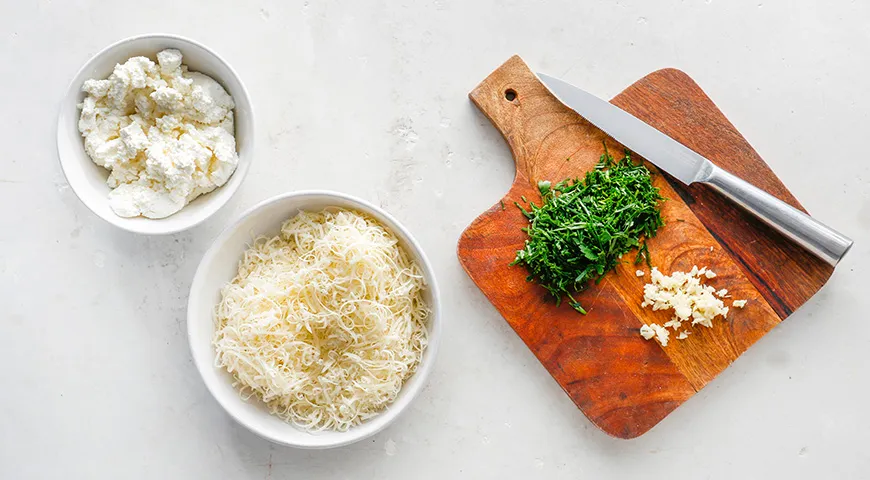
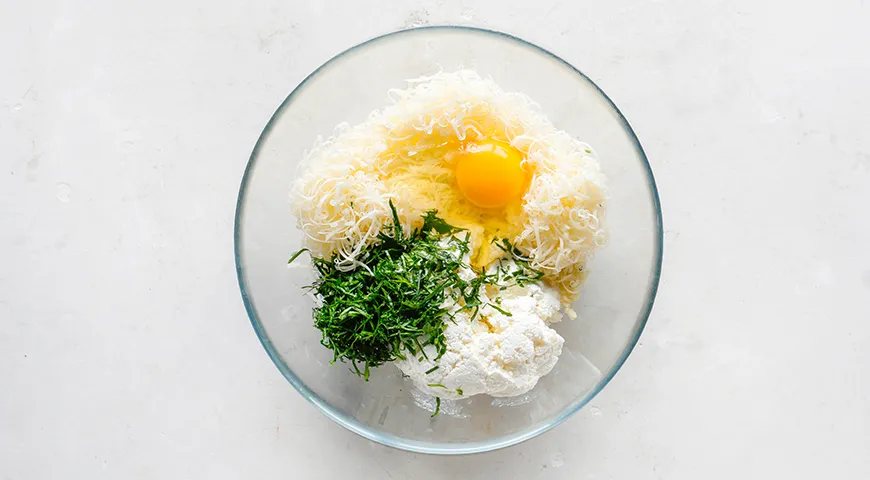
- Prepare the filling. Whizz the farmer’s cheese in a blender or food processor until smooth. Grate the hard cheese on the medium holes of a box grater. Peel and finely mince the garlic (or press it). Wash, dry, and finely chop the parsley. Combine the farmer’s cheese with the grated hard cheese, garlic, parsley, and the egg. Stir until you have a homogeneous, spreadable paste. Taste and adjust salt if needed – most hard cheeses are salty enough.
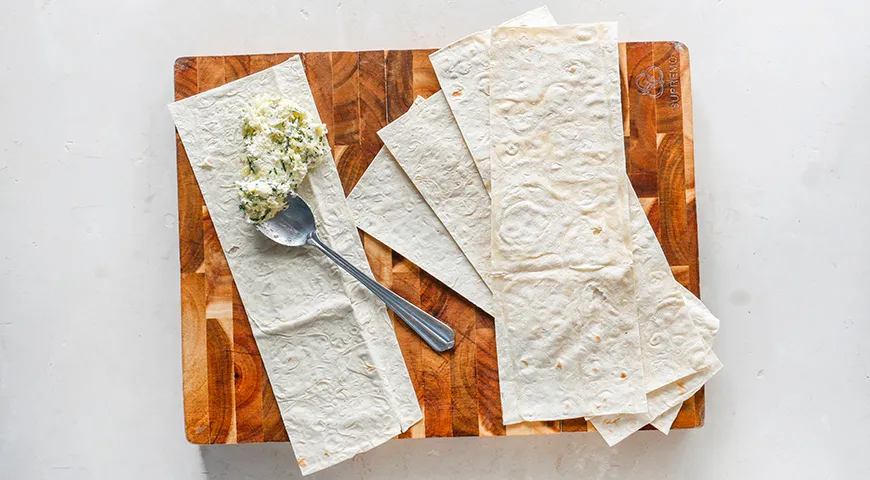
- Cut the lavash into strips. Lay the lavash sheets flat. Cut each sheet lengthwise into strips about 10 cm wide and 30 cm long (you should get 3‑4 strips per sheet). Stack them to keep from drying out.
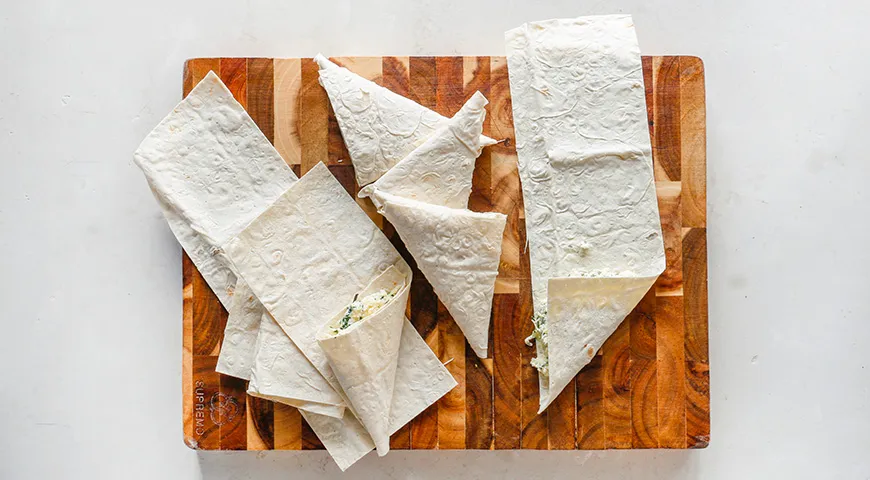
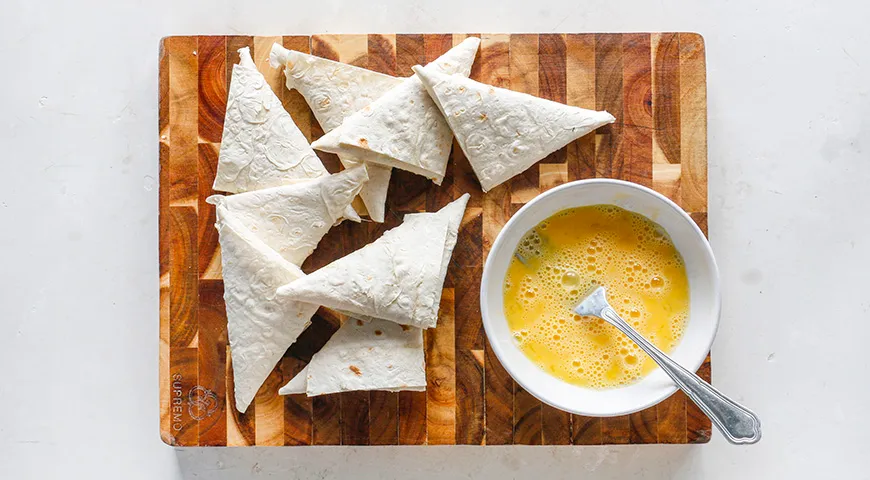
- Fill and fold. Place one strip vertically in front of you. Near the top right corner, spoon about one tablespoon of the cheese filling. Fold the top left corner over the filling to create a triangle, pressing gently to seal. Continue folding the strip over itself, like folding a flag, into a compact triangle. Repeat with all strips.
- Prepare the egg wash. Crack 2 eggs into a shallow bowl and beat with a fork until frothy. Preheat a large non‑stick skillet over medium heat and add a thin layer of oil – just enough to coat the bottom.
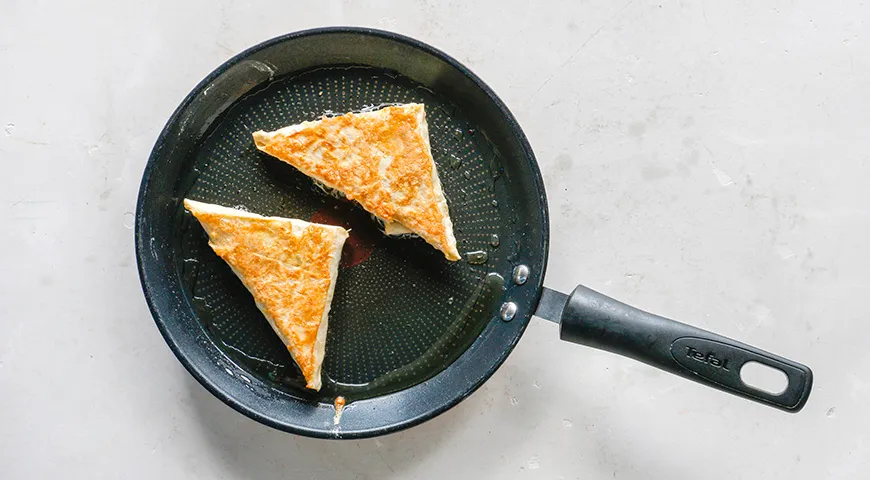
- Dredge and fry. Dip each filled triangle into the beaten egg, allowing any excess to drip off. Place the triangles seam‑side down into the hot skillet. Cover the pan with a lid. Fry for 3 minutes, until the bottom is golden. Flip carefully and cook another 3 minutes, covered, until the other side is browned and the cheese is melted.
- Repeat. Continue with the remaining triangles, wiping out the pan and adding fresh oil as needed. Serve immediately while hot and crisp.
Tips for Perfect Lazy Khachapuri
- Don’t overfill. A heaping tablespoon per triangle is enough – too much filling will burst through the lavash during frying.
- Keep the lavash moist. Lavash dries out quickly. Cover unused strips with a damp kitchen towel to prevent cracking.
- Use a lid. Covering the skillet traps steam, which helps melt the cheese thoroughly without burning the exterior. If you have a non‑toxic pan, even better.
- Oil control. For a lighter version, use an oil sprayer to mist the pan evenly – this cuts down on grease while still achieving a golden crust.
- Cheese variations. Swap half the hard cheese for feta or blue cheese for an entirely different flavor profile. Add sun‑dried tomatoes or sautéed spinach to the filling for extra complexity.
Variations
This recipe is a canvas for creativity. For a smoky twist, add a teaspoon of smoked paprika to the cheese mixture and use non‑toxic air fryer to cook at 180°C for 8 minutes instead of pan‑frying. For a heartier meal, stuff the triangles with leftover shredded chicken or sautéed mushrooms. You can also brush the finished khachapuri with melted garlic butter and sprinkle with flaky sea salt – a trick that elevates them to restaurant quality. Pair them with a side of dilly yogurt sauce or a simple tomato salad. If you are gluten‑sensitive, look for organic gluten‑free lavash – the technique remains the same.
FAQ
Can I make lazy khachapuri ahead of time?
Absolutely. Assemble the triangles up to 24 hours in advance, store them in a single layer on a baking sheet covered with plastic wrap, and refrigerate. Fry just before serving. You can also freeze the uncooked triangles for up to one month – fry from frozen, adding an extra minute per side.
What cheese can I use instead of farmer’s cheese?
If farmer’s cheese (tvorog) is unavailable, substitute with full‑fat ricotta, cottage cheese (drained and pressed), or even cream cheese blended with a squeeze of lemon. For a dairy‑free version, use a cashew‑based ricotta. The key is to maintain a creamy texture – a food processor helps achieve this.
How do I prevent the lavash from tearing?
Lavash becomes brittle when stale. Always use fresh, pliable sheets. If yours start to crack, lightly mist them with water and let them rest for 5 minutes. Avoid overstuffing and handle the triangles gently when flipping.
Can I bake these in the oven?
Yes. Preheat the oven to 200°C. Place the egg‑dipped triangles on a parchment‑lined baking sheet. Bake for 12‑15 minutes, flipping halfway through, until golden and puffed. For extra crispness, use a commercial countertop convection oven for even heat distribution.
What is the best wine to serve with lazy khachapuri?
Georgian cuisine traditionally pairs with semi‑sweet reds like Kindzmarauli or an amber wine. For a lighter option, try a dry white wine with floral notes. But honestly, a crisp lager or a sparkling water with lemon works just as well – these are meant to be joyful, not fussy.
How can I make the filling smoother?
Blending the farmer’s cheese with a high‑quality immersion blender (preferably non‑toxic) will produce a silky paste. You can also press it through a fine‑mesh strainer before mixing. The egg helps bind everything, but if the mixture seems too dry, add a splash of milk or cream.
Are lazy khachapuri suitable for a party?
Absolutely. They are perfect finger food. Make a double batch, keep them warm in a 100°C oven while you finish frying, and serve on a platter with a bowl of garlic yogurt dip or best au jus for an unexpected dip. They also pair beautifully with a charcuterie board – the cheese filling bridges everything together.
Whether you are new to Georgian cuisine or a seasoned fan, lazy lavash khachapuri prove that convenience need not compromise flavor. With just a few ingredients and a clever folding technique, you can recreate a beloved culinary tradition in your own kitchen. Serve them steaming hot, watch the cheese stretch, and enjoy the applause – because that, after all, is the ultimate reward of a truly satisfying recipe.







