


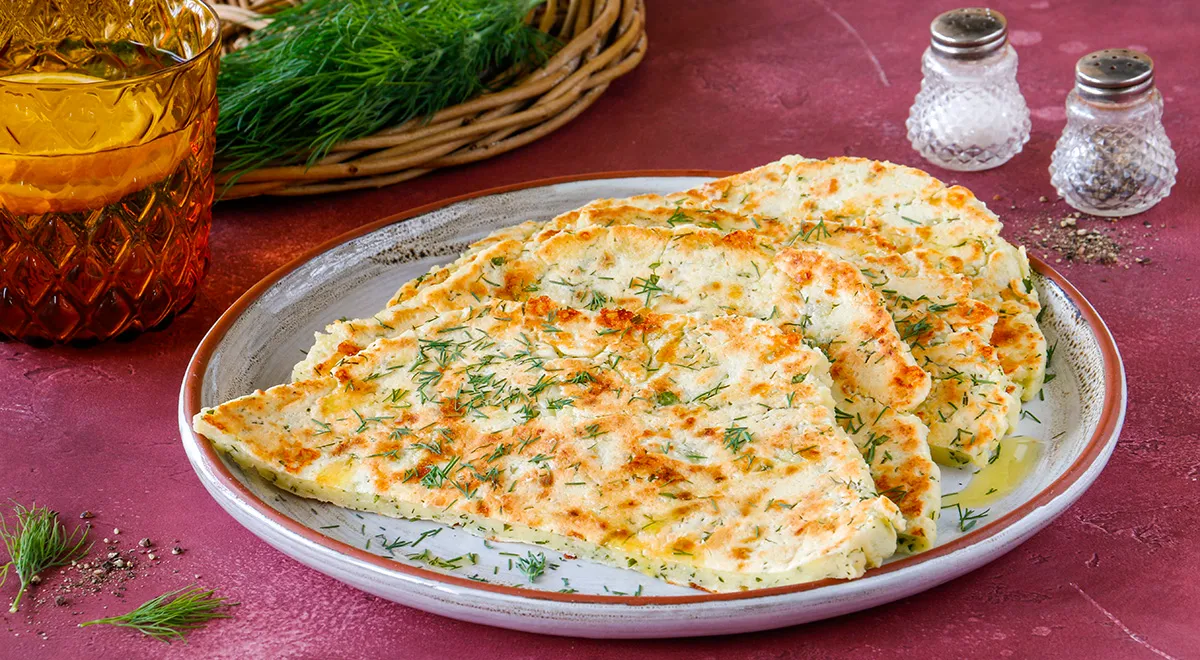
Imagine the deeply satisfying, cheesy pull of a classic Georgian khachapuri, but reimagined for the modern, health-conscious cook. These Lazy Healthy Khachapuri (PP Khachapuri) are a revelation: they come together in under twenty minutes, skip the heavy dough and oil, yet deliver all the aromatic, savory joy of the original. Made with a clever base of low-fat cottage cheese, suluguni, fresh herbs, rice flour, and eggs, these quick flatbreads are pan-fried without a drop of oil, resulting in a golden, tender exterior and a luscious, protein-rich interior. They are perfect for a lightning-fast breakfast, a satisfying remote lunch, or a guilt-free snack that feels like a special indulgence.
About Lazy Healthy Khachapuri
The beauty of this recipe lies in its name: "lazy" refers to the effortless, no-knead dough, while "PP" (short for правильное питание, or proper nutrition) signals a lighter, more wholesome approach. By swapping traditional wheat flour for rice flour and using minimal fat from low-fat dairy, these khachapuri become naturally gluten-free and significantly lower in calories. Yet, thanks to the salty tang of suluguni and the bright notes of parsley and dill, they remain utterly delicious—a testament to how smart ingredient choices can transform a classic into a daily staple.

Ingredients
- 200 g dry cottage cheese (5% fat)
- 65 g suluguni cheese
- 1 sprig fresh parsley
- 1 sprig fresh dill
- 2 large eggs (C1 size)
- 4 tbsp rice flour
- 1 tbsp olive oil (for the dough)
Step-by-Step Guide
-
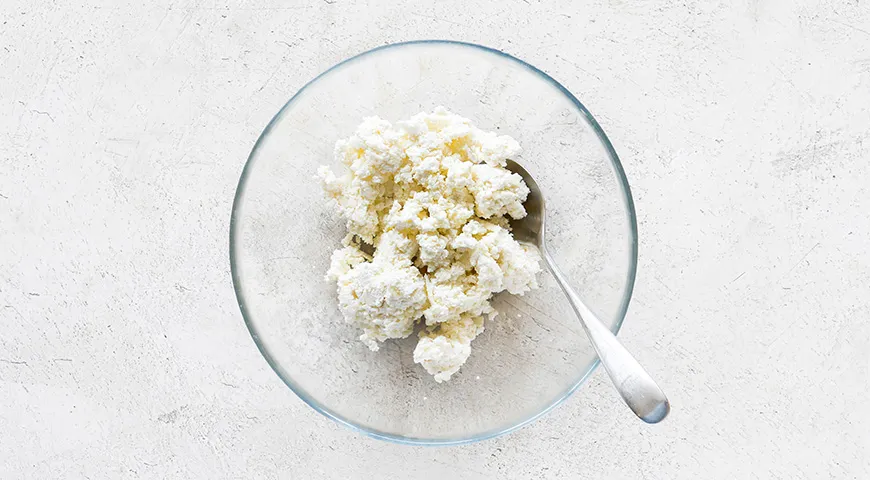
Prepare the cheese base. Place the cottage cheese in a bowl and blend with an immersion blender until smooth. Grate the suluguni on the large holes of a box grater. Combine the blended cottage cheese and grated suluguni, mixing thoroughly. Set aside.
-
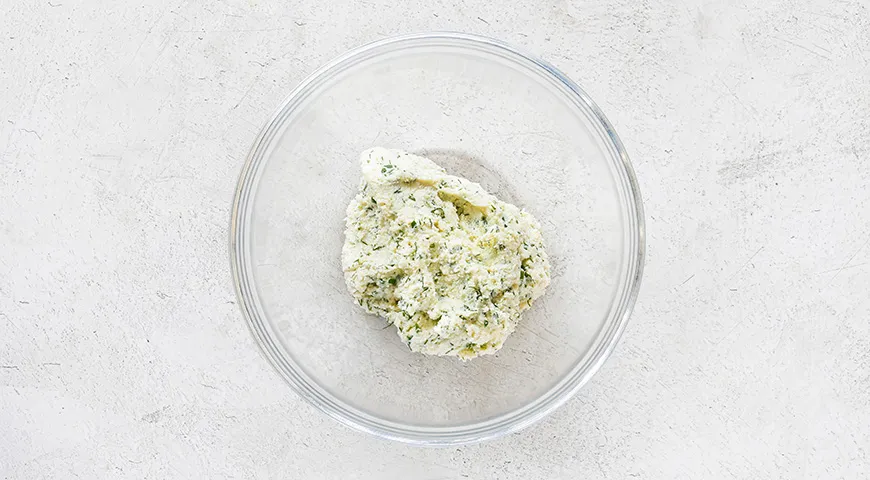
Add herbs and wet ingredients. Wash and thoroughly dry the parsley and dill. Finely chop the herbs and add them to the cheese mixture. Crack in the eggs, drizzle in the olive oil, and stir until well combined. Sift in the rice flour and mix gently until a soft, slightly sticky dough forms. Do not overwork it.
-
Shape the first khachapuri. Place a reliable non-stick skillet over low heat and let it warm up gradually. Scoop half of the dough into the skillet and gently spread it into a round flatbread about 1 cm thick. No oil is needed—the non-toxic surface of a quality pan ensures even browning without sticking.

-
First side cooking and flipping. Cover the skillet with a lid and cook the khachapuri on low heat for 5 minutes. Uncover, place a plate over the skillet, and carefully invert the flatbread onto the plate. Then flip it onto a second plate, and finally slide it back into the skillet. This delicate triple-flip is essential because rice flour lacks gluten, making the khachapuri fragile.

-
Second side and serving. Cook the flipped khachapuri, covered, for another 5 minutes. Once again, use the plate method to flip it onto a serving dish. Wipe the skillet clean with a paper towel and repeat the process with the remaining dough. Serve the khachapuri warm, allowing the melted cheese to shine.

Tips for Perfect Lazy Khachapuri
- Use dry cottage cheese. Wet or creamy cottage cheese will make the dough too slack. Look for a dry, curdy variety—5% fat is ideal. If your cottage cheese seems moist, drain it in a fine-mesh sieve for 15 minutes.
- Rice flour is key. It creates a light, tender crumb and keeps the recipe gluten-free. Do not substitute with wheat flour unless you are prepared for a denser texture. A planetary mixer can help if you double the batch.
- Low and slow heat. Cooking over low heat prevents the outside from burning before the center sets. A countertop convection oven can also be used for a hands-off version—see variations below.
- Gentle flipping technique. Use two plates as described to avoid breakage. If you are nervous, consider using a silicon spatula to assist the transfer.
Variations
- Herb swaps. Replace parsley and dill with cilantro or basil for a different aromatic profile. A pinch of red pepper flakes adds welcome heat.
- Cheese variations. Substitute feta or a mild feta-style cheese for the suluguni. For a richer version, use full-fat mozzarella and a dollop of Greek yogurt in the dough.
- Oven-baked version. Shape the flatbreads on a parchment-lined baking sheet and bake at 190°C for 12–15 minutes, flipping once halfway. This method works particularly well when using a wall oven microwave combo with air-fryer capabilities.
- Spiced option. Add 1/2 tsp ground cumin or smoked paprika to the dough for an earthy twist.
Frequently Asked Questions (FAQ)
Why is rice flour used instead of regular flour?
Rice flour is naturally gluten-free, which keeps these khachapuri light and suitable for gluten-sensitive diets. It also contributes a subtle, delicate sweetness that pairs beautifully with the salty cheese. For more gluten-free baking inspiration, see our guide on Catalan sponge cake.
Can I use a different cheese?
Yes! While suluguni is traditional for its excellent meltability and salty tang, you can use feta, halloumi (crumbled), or even grated low-moisture mozzarella. Avoid very wet cheeses like fresh mozzarella—they will make the dough soggy.
My khachapuri stuck to the pan. What went wrong?
Your skillet may not have a reliable non-stick coating, or the heat was too high. Ensure you are using a high-quality non-stick pan and that the heat is on low throughout cooking. If the dough sticks, let it cook a minute longer before attempting to flip.
Can I make the dough ahead of time?
It is best to cook the dough immediately after mixing, as the rice flour absorbs moisture and the batter thickens. If you need to prep ahead, combine the dry ingredients and store the herbs separately; mix just before cooking.
Are these khachapuri freezable?
Yes! Cooked khachapuri freeze beautifully. Let them cool completely, wrap individually in parchment, and store in a freezer bag for up to 2 months. Reheat in a non-toxic air fryer at 180°C for 3–4 minutes.
Can I skip the eggs for a vegan version?
The eggs are essential for structure and binding because there is no gluten. We do not recommend omitting them entirely. However, you might experiment with a flax egg (1 tbsp ground flax + 3 tbsp water per egg) but note the texture will be more fragile.
How do I store leftovers?
Store in an airtight container in the refrigerator for up to 2 days. Reheat in a dry skillet over low heat to restore crispness. Avoid microwaving, as it will make them rubbery.







