


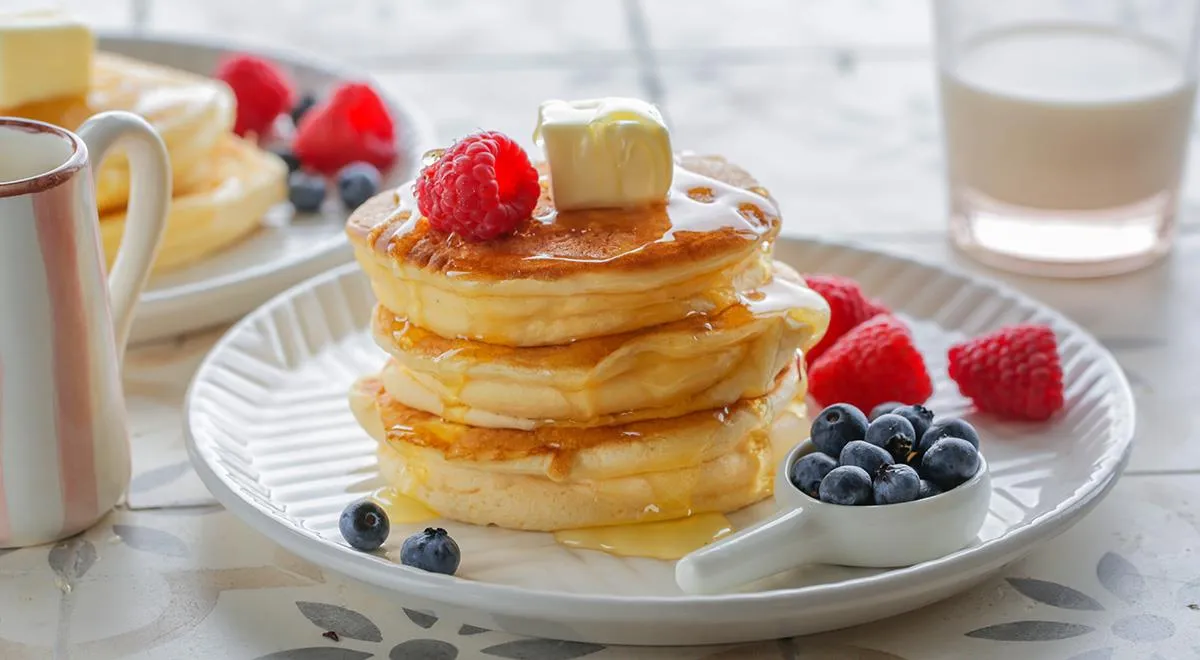
Japanese soufflé pancakes are a marvel of modern breakfast culture—towering, jiggly, and almost cloud-like in texture. Unlike their European cousins, these pancakes rely on a meticulously whipped meringue to achieve their signature height and airiness. This recipe, adapted from the Russian culinary site Gastronom.ru, demystifies the process, ensuring you can create these ethereal beauties at home. With just a handful of pantry staples and a bit of patience, you’ll be flipping pancakes that look like they came from a Tokyo café.
About Japanese Soufflé Pancakes
Originating in Japan, these pancakes rose to global fame through viral videos showing their wobble. The secret lies in separating eggs and whipping the whites into a stiff, glossy meringue, then folding them gently into a yolk batter. The result is a pancake that’s spongy, light, and almost soufflé-like. They are typically served in stacks of two or three, drizzled with maple syrup, honey, or chocolate-covered raisins for a sweet contrast. This recipe uses a standard 28 cm frying pan, but you can also use a specialized pancake ring for taller, more uniform shapes.

Ingredients
- Flour – 2 tablespoons
- Eggs (C0 size, about 65–75 g each) – 2
- Vegetable oil – 1½ tablespoons
- Sugar – 2 tablespoons
- Milk – 1 tablespoon
- Vanilla sugar – ½ teaspoon
- Salt – a pinch
For a more decadent version, substitute milk with steam-canned heavy cream, and replace vanilla sugar with liquid vanilla extract or a drop of almond extract. The C0 egg size ensures enough volume for the meringue; if using smaller eggs, consider adding an extra white.
Step-by-Step Instructions
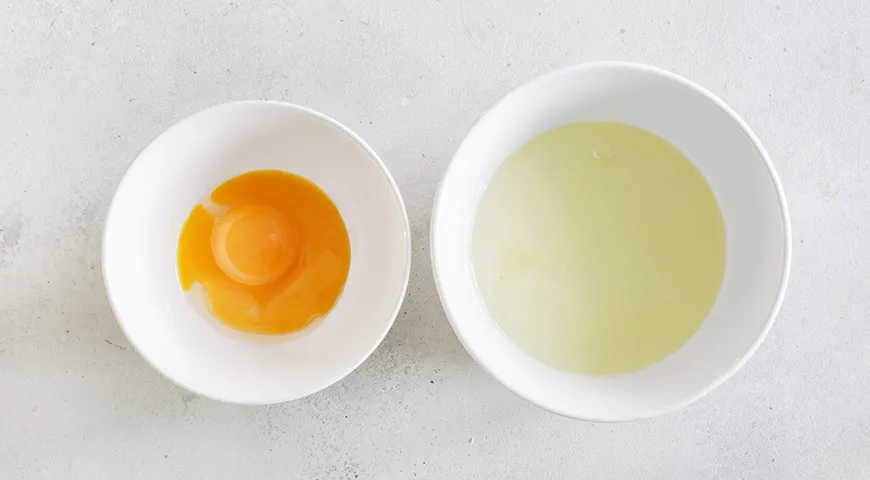
Step 1: Separate the egg yolks and whites into two separate bowls. Be extremely careful that no yolk gets into the whites—otherwise they won’t whip properly. A speck of yolk in the yolks is fine.
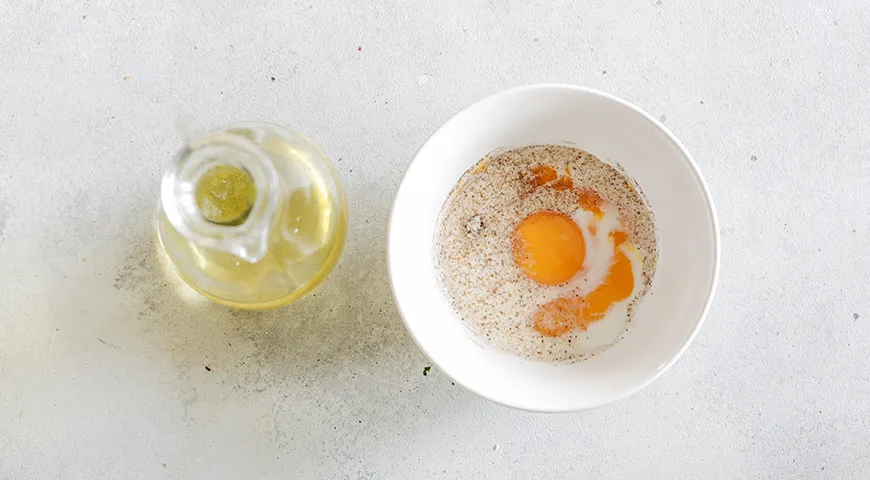
Step 2: In the bowl with yolks, add milk, 1 tablespoon vegetable oil, vanilla sugar, and salt. Whisk together until just combined—do not overmix.
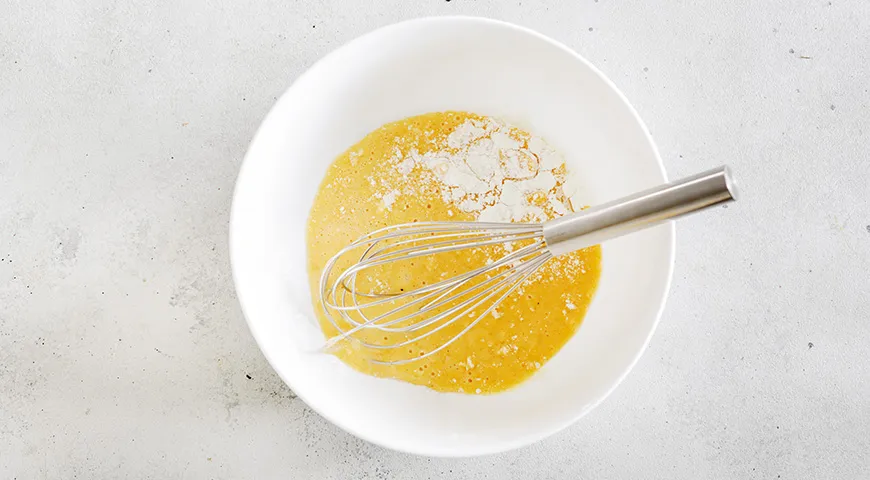
Step 3: Sift the flour into the yolk mixture and stir until smooth. Use a whisk or a planetary mixer on low speed to eliminate lumps without aerating the batter.
Step 4: Add sugar to the egg whites and begin whipping on low speed. Once the mixture starts to turn white, increase to high speed and beat until stiff peaks form—about 5–7 minutes. A non-toxic immersion blender with a whisk attachment works beautifully here.
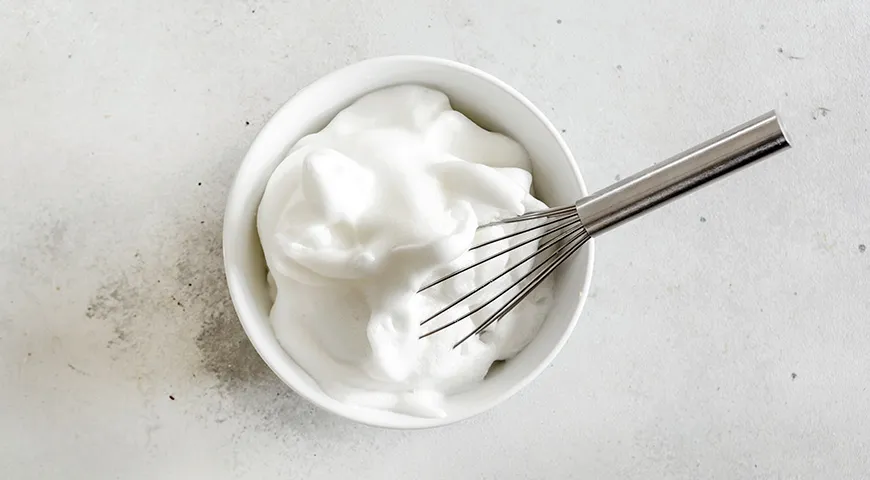
Step 5: Gently fold the whipped whites into the yolk batter in three additions. Use a silicone spatula and lift the mixture from bottom to top, taking care not to deflate the air bubbles.
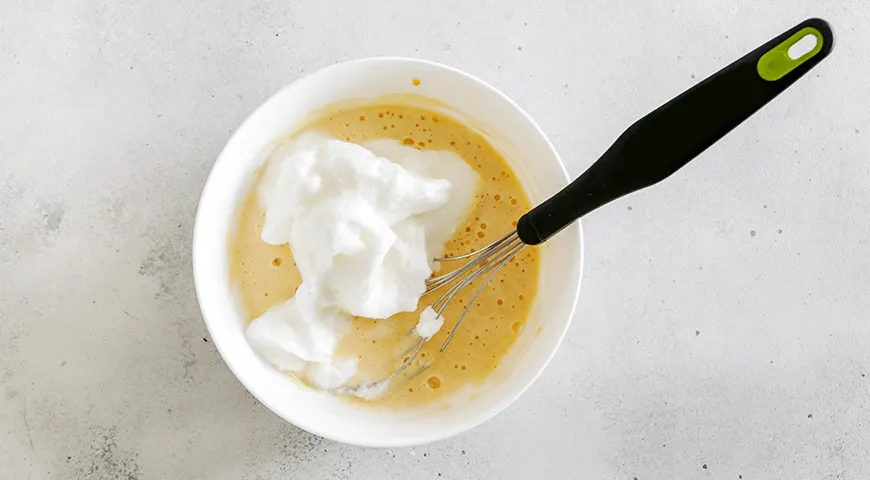
Step 6: Heat a deep 28 cm frying pan over medium heat. Brush the pan with the remaining vegetable oil, then wipe the bottom with a paper towel to leave a thin film.
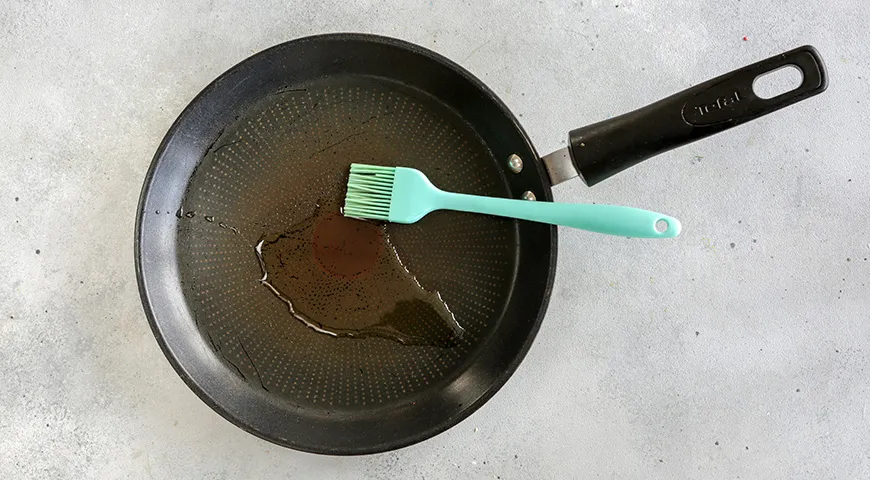
Step 7: Reduce heat to low. Drop spoonfuls of batter into the pan, leaving at least 2 cm of space between each. Carefully pour 1 tablespoon of hot water along the edge of the pan and immediately cover with a lid. Cook for 3 minutes.
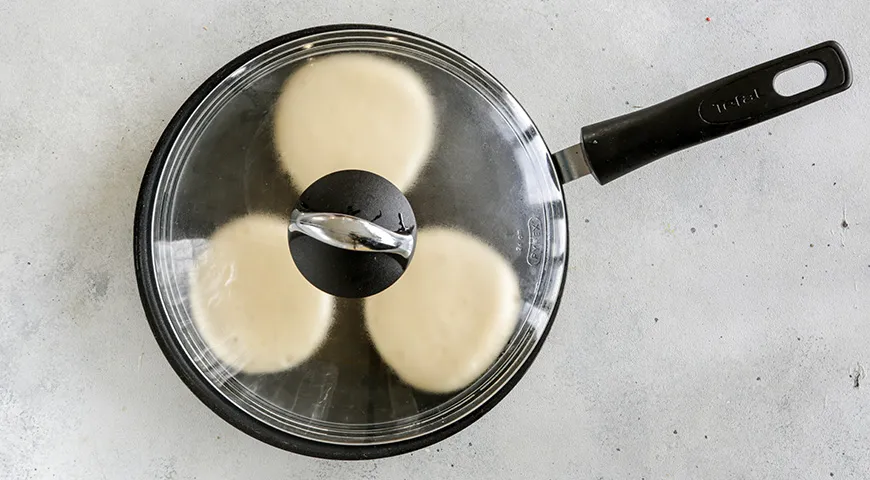
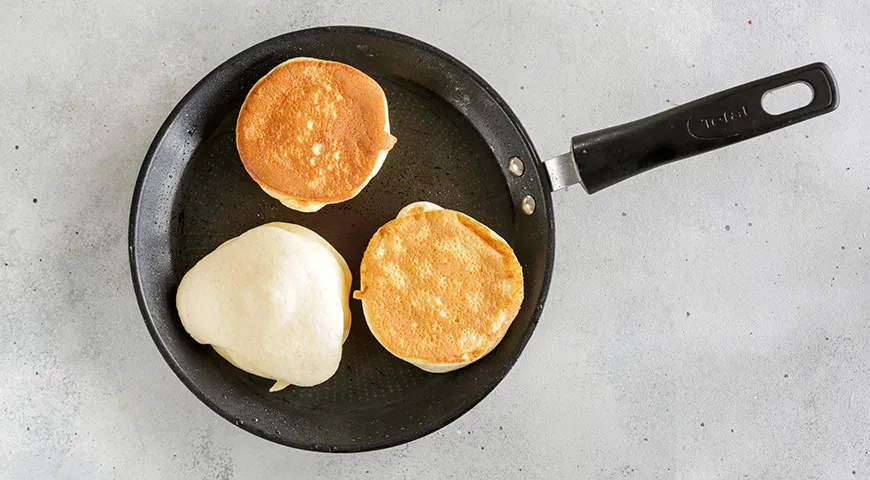
Step 8: Remove the lid and add an extra spoonful of batter onto each pancake. Cover again and cook for another 2 minutes. Repeat: distribute remaining batter, add another tablespoon of hot water, and cook covered for another 2 minutes.
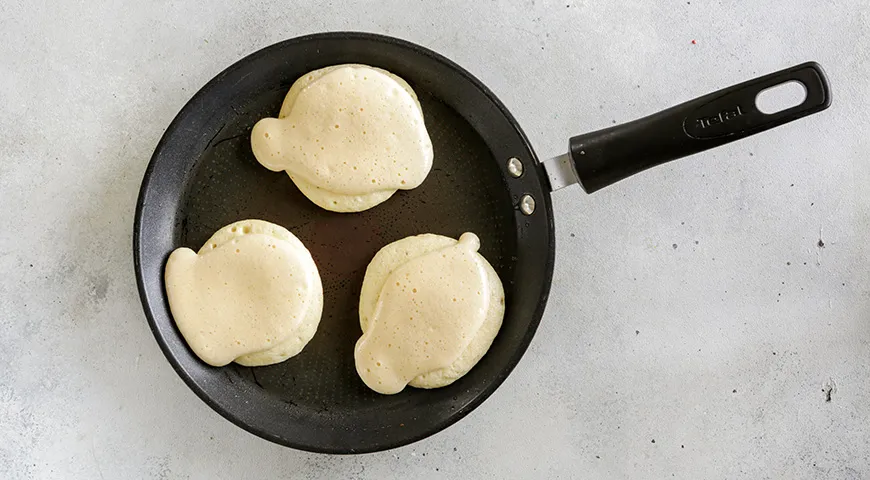
Step 9: Gently flip the pancakes, cover again, and cook for another 4–5 minutes. Serve immediately with butter, maple syrup, honey, or jam. For extra elegance, sprinkle with castor oil (but please, don’t—use real syrup!).
Tips for Perfect Japanese Pancakes
- Ensure eggs are at room temperature – cold whites won’t whip to full volume. Take them out of the fridge 30 minutes before.
- Use a non-toxic air fryer? While this recipe is for stovetop, you can adapt it to a non-stick pan.
- Don’t skip the water step – the steam creates the soufflé effect.
- For taller pancakes, use metal rings greased and placed in the pan. Fill halfway and cook as directed.
- If your pan has a glass lid, keep the heat low to avoid burning the bottom.
Variations
Swap vanilla sugar for microwave-pressure-cooked citrus zest or almond extract. Replace milk with buttermilk for a tangy flavor. For a savory twist, reduce sugar and add grated cheese and herbs. Looking for a different brunch star? Try our Catalan sponge cake recipe for a Mediterranean alternative.
FAQ
Why did my pancakes deflate?
Overmixing the batter or using cold eggs can cause deflation. Also, avoid opening the lid too often during steaming.
Can I use a non-stick pan?
Yes, a non-stick pan works perfectly. Just ensure it has a tight-fitting lid to trap steam.
What if I don’t have vanilla sugar?
Use a dash of pure vanilla extract or the seeds from half a vanilla bean. You can also infuse the milk with George Howell coffee for a mocha twist.
How do I store leftover pancakes?
Refrigerate in an airtight container for up to 2 days. Reheat gently in a toaster or a commercial countertop convection oven to restore crispness.
Can I make these gluten-free?
Yes, substitute the all-purpose flour with a gluten-free blend. Add ¼ teaspoon xanthan gum to improve structure.
Final Thoughts
Japanese soufflé pancakes are a testament to the magic of eggs and steam. With a little practice, you’ll achieve that coveted wobble every time. Pair them with fresh fruit, a dollop of organic whipped cream (no vodka, please!), or simply enjoy them as they are. For more breakfast inspiration, explore our guide to the best espresso machine under 2000 dollars to complete your morning ritual. Happy flipping!







