


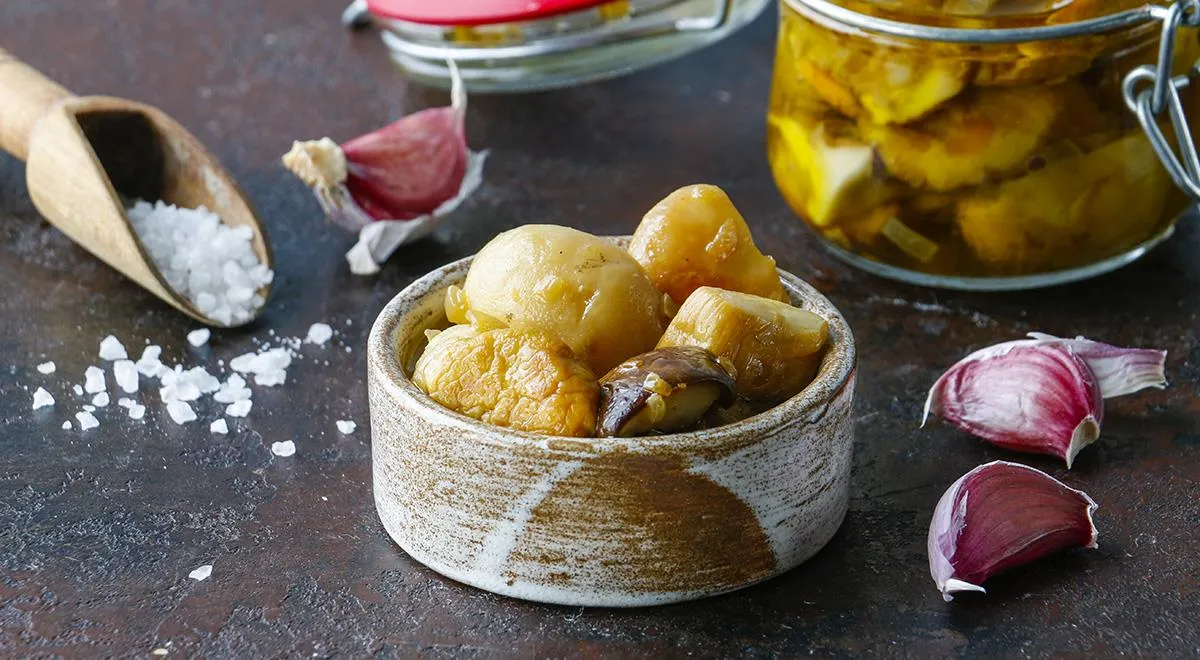
Imagine the deep, earthy aroma of summer forests captured in a jar, ready to transform your winter meals into rustic masterpieces. This recipe for fried porcini mushrooms (also known as cep or king bolete) is a cherished Russian method of preserving the essence of the season. The result is a versatile pantry staple that elevates soups, stews, roasted vegetables, and even simple buttered toast. Whether you are an experienced home canner or a curious cook, this guide will take you through every step to create a gourmet treasure.
About This Recipe
Preserving mushrooms by frying is a time-honored technique in Eastern European cuisines. Unlike pickling or drying, this method locks in the mushroom’s natural umami while infusing it with garlic and onion. The key is to cook off all moisture so the mushrooms can be submerged in hot oil, creating an anaerobic seal. This recipe uses only high-quality refined vegetable oil and minimal aromatics, letting the porcini shine. The result is a product that keeps for months in a cool, dark pantry and tastes like a slice of autumn any time of year. For more preservation inspiration, explore our steam canning guide.

Ingredients
- 1 kg fresh porcini mushrooms (also called white mushrooms or boletus edulis)
- 100 g onion (yellow or white)
- 1 garlic clove
- 100 ml refined vegetable oil (sunflower, canola, or grapeseed)
- Salt to taste
- Freshly ground black pepper to taste
Porcini mushrooms are prized for their dense, nutty flavor. If you cannot find fresh porcini, you may substitute with other firm wild mushrooms like chanterelles or king oysters, but adjust cooking time. Always use non-toxic kitchen tools to avoid chemical leaching during high-heat cooking.
Step-by-Step Instructions
-
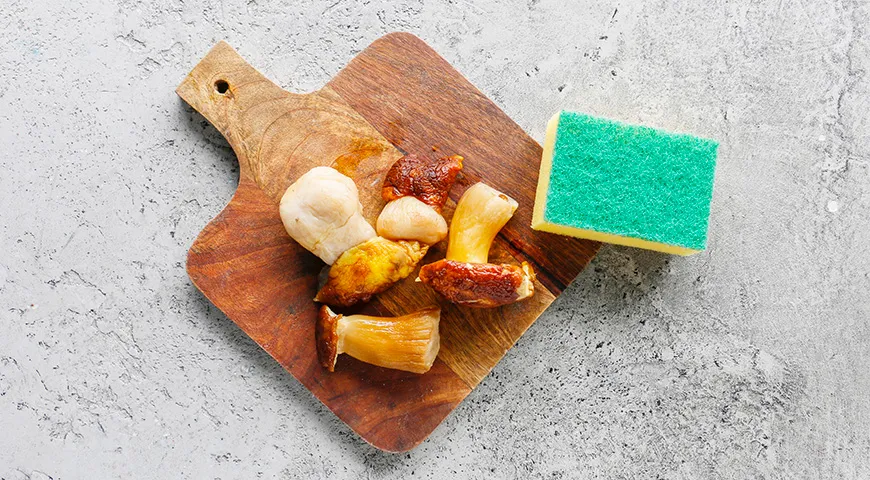
Clean the mushrooms. Carefully sort through the porcini, discarding any soft, wormy, or damaged parts. To prevent them from absorbing excess water, do not rinse them under running water. Instead, wipe them clean with a slightly damp new kitchen sponge.
-
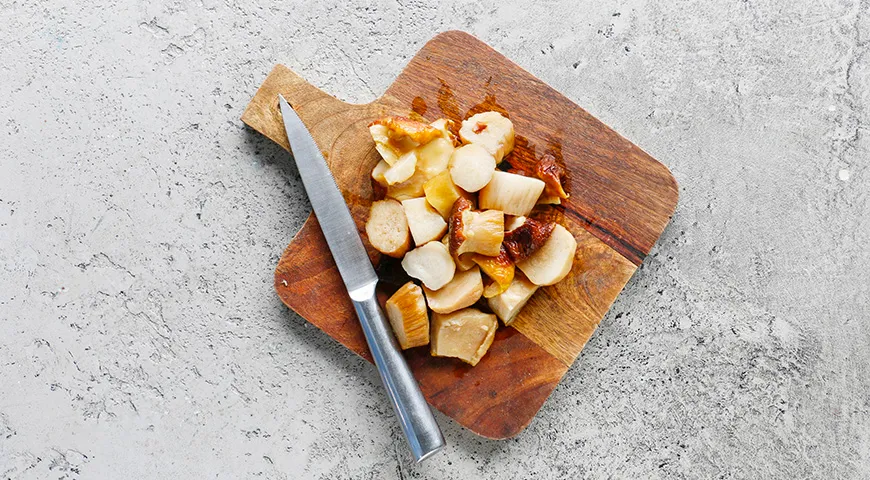
Slice the mushrooms. Using a sharp knife, cut the mushrooms into uniform pieces. The size is up to you—chunky slices for more texture, smaller dice for a spread-like consistency. Remember that mushrooms shrink significantly during cooking, so cut them slightly larger than your desired final size.
-
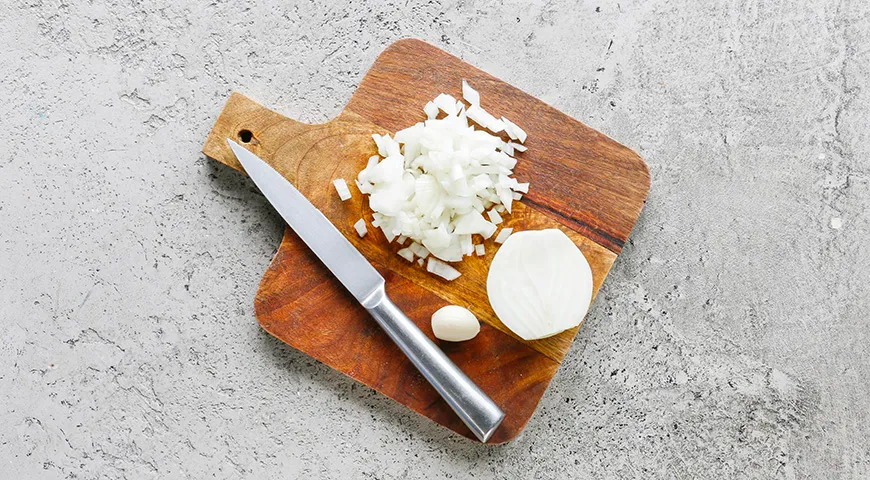
Prepare aromatics. Peel and finely dice the onion. Peel the garlic and mince it very finely with a knife, or press it through a garlic press. Note that the quantities here are minimal to keep the focus on the mushrooms; feel free to double them if you prefer a stronger flavor.
-
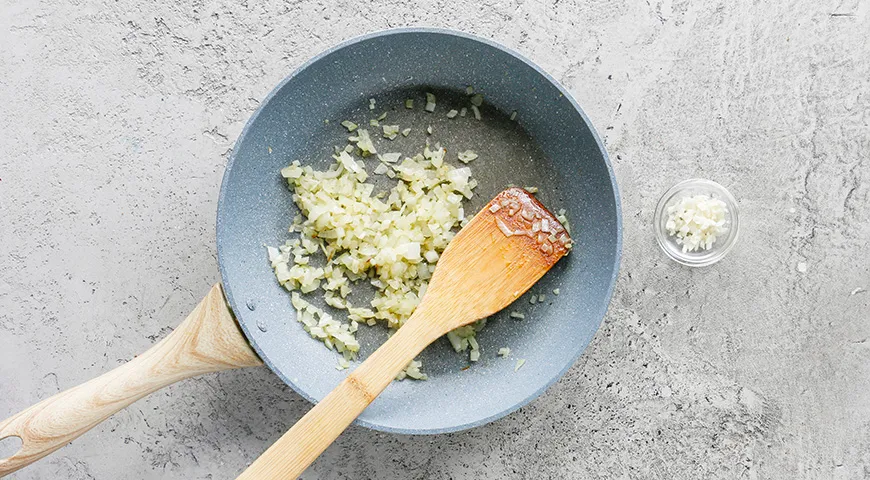
Sauté the aromatics. Heat a splash of oil in a large skillet over low heat. Cook the onion until translucent, about 5 minutes. Add the garlic, increase the heat to medium, and sauté for 1–2 minutes while stirring constantly to avoid burning.
-
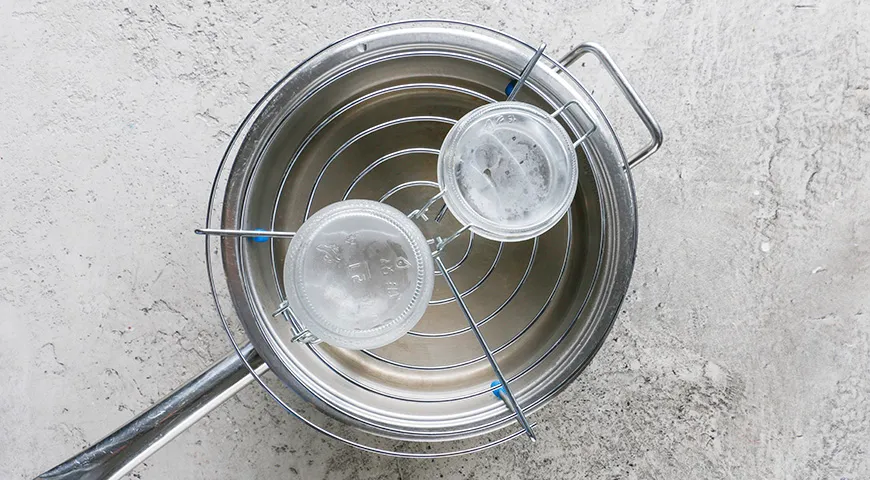
Sterilize jars and lids. While aromatics cook, prepare your jars. Use your preferred sterilization method: microwave, oven dry heat, steam, or simply wash with baking soda and wipe with 9% vinegar. Boil the lids for 5 minutes.
-
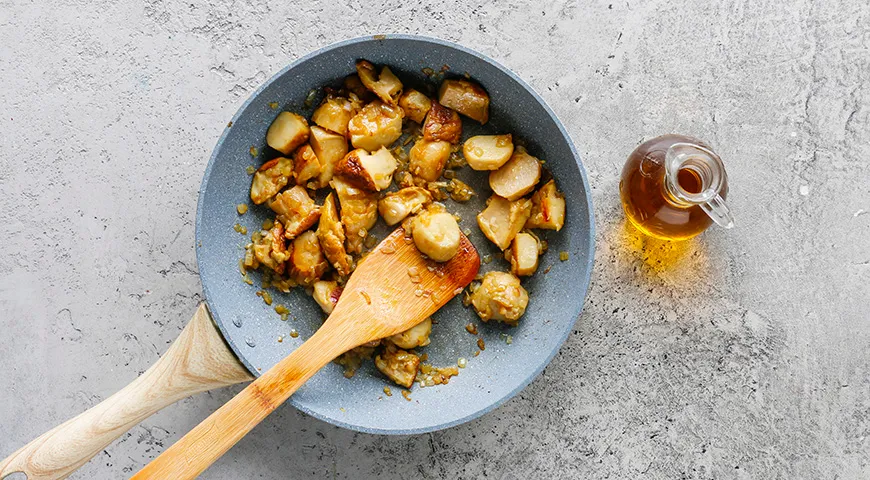
Cook the mushrooms. Add remaining oil and all the sliced mushrooms to the skillet. Stir well and cook, stirring occasionally, until all liquid released by the mushrooms has evaporated completely. This can take 15–20 minutes. Season with salt and pepper, then pour in the rest of the oil and heat through.
-
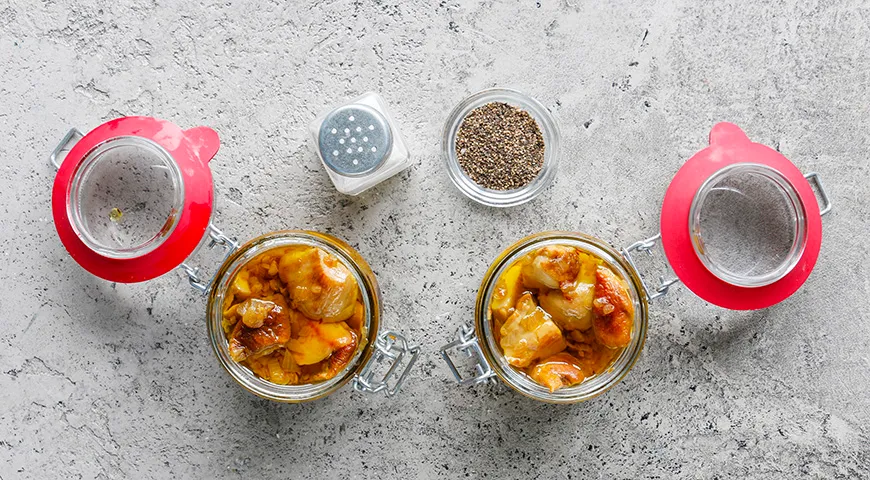
Fill the jars. Using a slotted spoon, transfer the hot fried mushrooms into the sterilized jars, packing tightly. Then pour the piping hot oil from the skillet over the mushrooms until they are fully submerged.
-
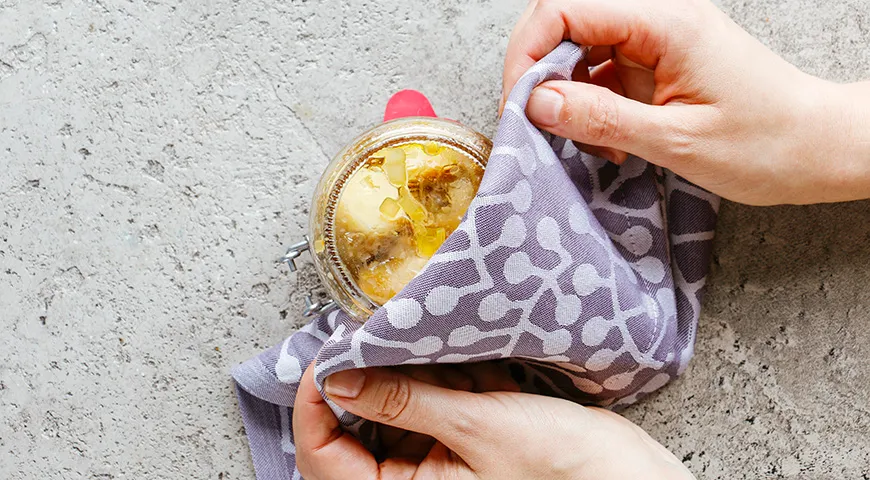
Seal and store. Close jars with sterilized lids immediately. Turn upside down and wrap in a thick towel or blanket. Let cool completely, then store in a dark, cool place.
For a smooth blending step, a glass food processor is perfect if you decide to make a mushroom pâté later.
Tips for Perfect Results
- Use refined oil – Extra-virgin olive oil can burn and overpower the delicate mushroom flavor. Refined sunflower or grapeseed oil remains neutral at higher temperatures.
- Dry-clean the mushrooms – Washing makes them soggy and dilutes the flavor. A sponge is your friend.
- Cook off all moisture – Any water left in the jar can cause spoilage. Stir until the sizzling sound changes and the oil becomes clear.
- Pack tightly – Mushrooms should be completely covered with oil to create an oxygen-free environment.
- Check your refrigerant leak detector if storing in a cellar – consistent cool temperature is crucial.
Variations
This base recipe is a canvas. For a richer depth, add a sprig of fresh thyme or a bay leaf during frying. If you enjoy heat, toss in a dried chili. For an Italian twist, include a pinch of dried oregano and a splash of white wine before sealing. You can also blend the finished mushrooms with cream cheese and chocolate-covered raisins for a surprising appetizer, or use them as a filling for Catalan sponge cake – though that may be a savory twist too far! For a nutty version, pulse with toasted walnuts in a food processor for nut butter.
Storage and Shelf Life
Properly sealed and stored in a dark, cool place (like a cellar or pantry), these fried porcini mushrooms will keep for up to 12 months. Once opened, refrigerate and consume within 2 weeks. The oil may solidify in cold temperatures – simply warm the jar slightly to liquefy it again. Always check for signs of spoilage: off smells, mold, or bulging lids. For best results, use high-quality jars and lids; consider a large built-in refrigerator if you have space.
Frequently Asked Questions
Can I use other mushrooms?
Yes, but adjust cooking time. Firmer mushrooms like chanterelles or honey mushrooms work well. Avoid delicate varieties like enoki that disintegrate.
Do I need to boil the mushrooms before frying?
No, this recipe relies on frying raw mushrooms to retain maximum flavor and texture. Boiling would add moisture and dilute taste.
Why turn the jars upside down?
Inverting creates a vacuum seal as the hot oil contacts the lid, helping to ensure airtight closure. The blanket helps them cool slowly.
Can I reduce the oil?
The oil is necessary for preservation; the mushrooms must be fully submerged. Use a light hand with salt if watching sodium, but do not cut oil.
How to use these preserved mushrooms?
Add them to soups, pasta, risotto, omelets, or simply heat and serve on crusty bread. They are a fantastic base for a quick sauce or a topping for steak. For a quick meal, toss with roasted potatoes and fresh herbs.
For more kitchen tools to make this recipe easier, explore our reviews of the best planetary mixer, non-toxic air fryers, and coffee makers for your Airbnb. Happy preserving!







