


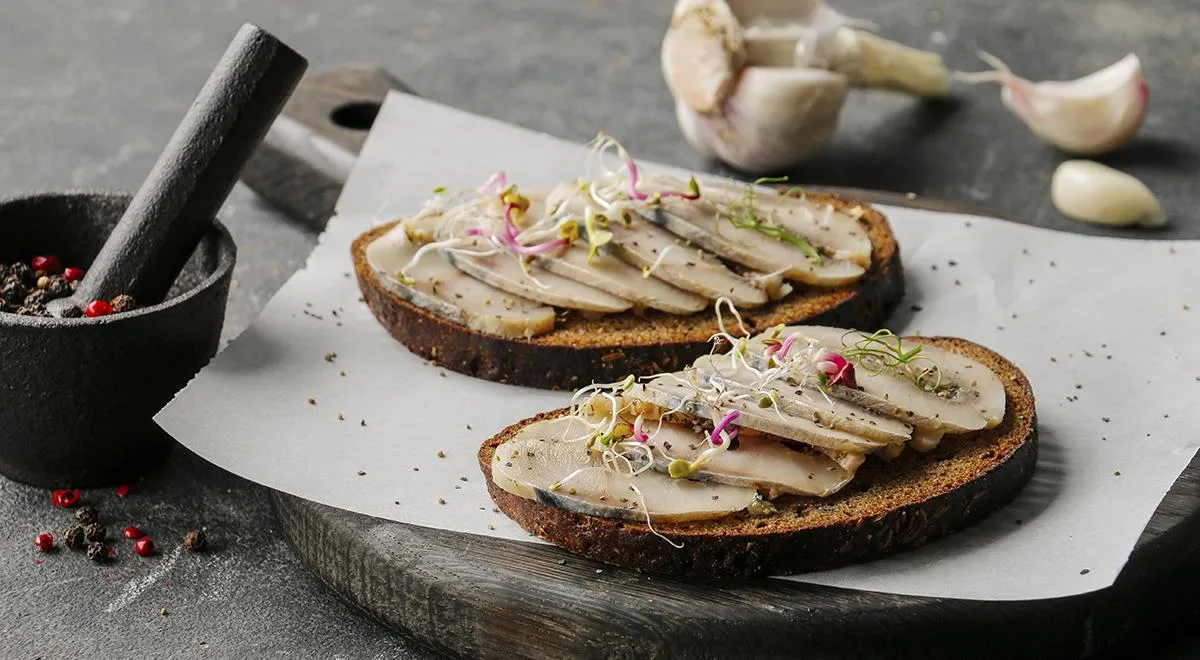
Imagine a dish that transforms humble mackerel into a delicate, garlicky delicacy—ready in hours, not days. This Russian technique of salting mackerel with garlic in the freezer creates a stunning appetizer or light meal that requires minimal effort yet delivers maximum flavor. The result is a silky, almost sashimi-like fish infused with aromatic garlic and warm spices, perfect for impressing guests or satisfying your own cravings. With just a handful of ingredients and a few simple steps, you can master this quick preservation method that celebrates the ocean's bounty.
About This Recipe
Frozen salted mackerel, known in Russian as "skumbriya s chesnokom v morozilke," is a clever twist on traditional cured fish. Instead of waiting days for brining, this method uses a dry spice rub and a short rest in the freezer to achieve a firm yet tender texture. The garlic acts as a natural preservative while infusing the fish with pungent depth. Ideal for busy cooks, this recipe yields a ready-to-eat protein that can be sliced and served within hours. For more inspiration on quick seafood preparations, explore our guide on preserving freshness or discover other no-cook delicacies.

Ingredients
- 2 medium mackerels (about 400 g each), gutted and filleted
- 8 garlic cloves
- 2 tsp sea salt
- 1/2 tsp freshly ground black pepper
- 1/2 tsp dried dill
- 1/2 tsp ground coriander
- 2 medium bay leaves
These simple ingredients come together to create a symphony of flavors. The quality of your spices matters—opt for fresh, fragrant herbs to elevate the dish. If you enjoy experimenting with aromatics, consider incorporating additional spices like allspice or juniper berries.
Step-by-Step Instructions
- Prepare the mackerel. If using frozen fish, thaw it completely in the refrigerator overnight. Cut off the head, trim all fins, remove the innards, and rinse thoroughly under cold water. Fillet each fish into two skin-on halves, removing as many small bones as possible with tweezers. Pat dry with paper towels.
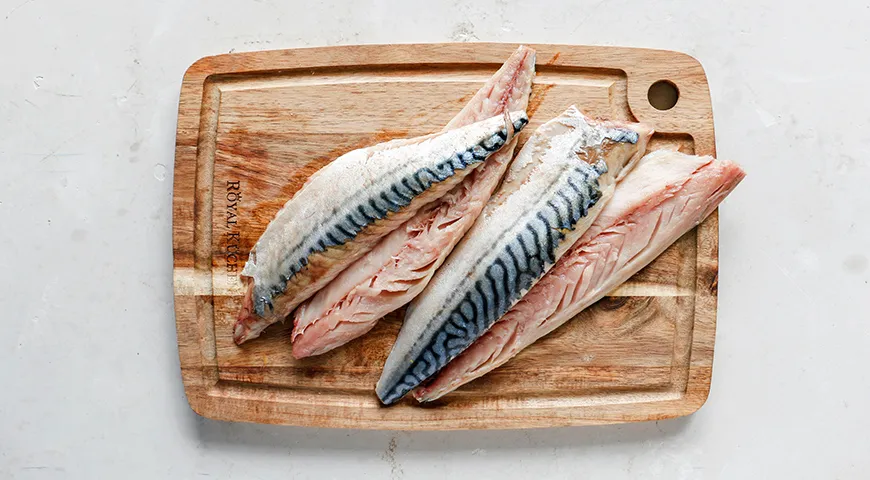
- Create the spice rub. Crumble the bay leaves as finely as possible—use a mortar and pestle or a knife to achieve a near-powder consistency. In a small bowl, mix the crushed bay leaves with salt, black pepper, dried dill, and ground coriander. This aromatic blend will become the foundation of flavor.
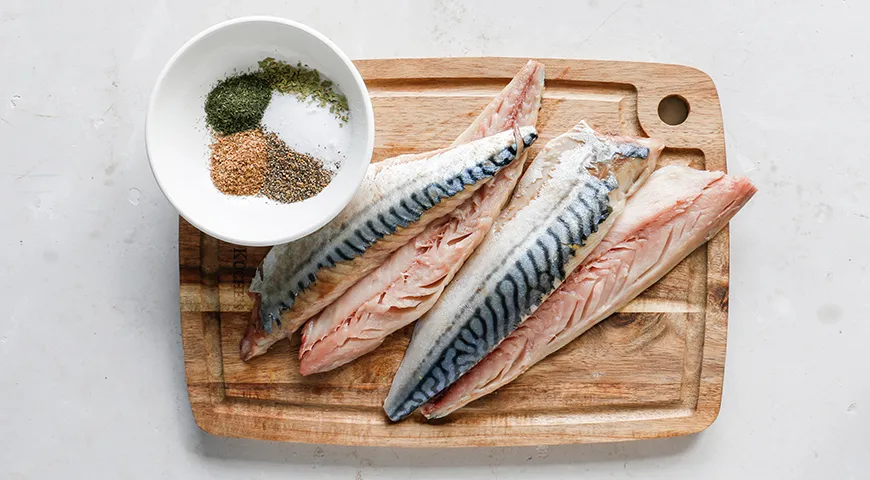
- Apply the rub. Generously coat the flesh side of each fillet with the spice mixture, rubbing it in gently but evenly. The salt will begin to draw out moisture, helping the fish firm up.
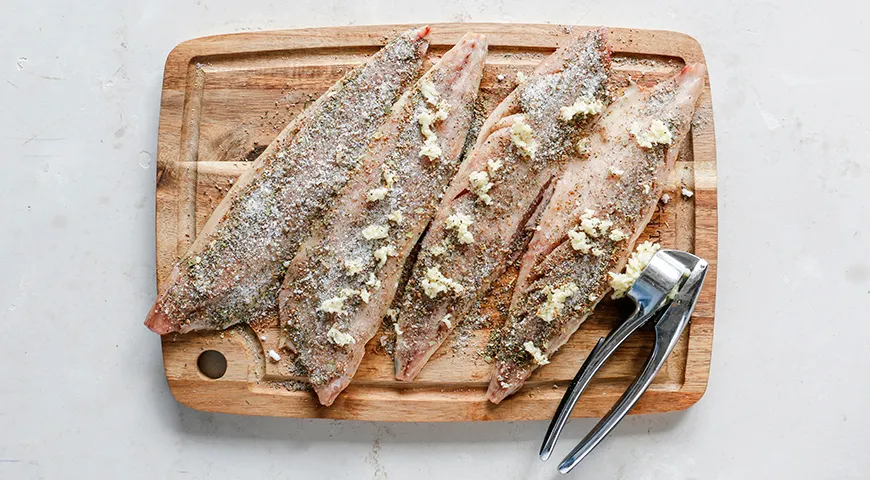
- Add the garlic. Peel and mince the garlic cloves—either press them through a garlic press or chop them very fine with a knife. Spread the garlic evenly over the seasoned flesh of all fillets, covering every inch.
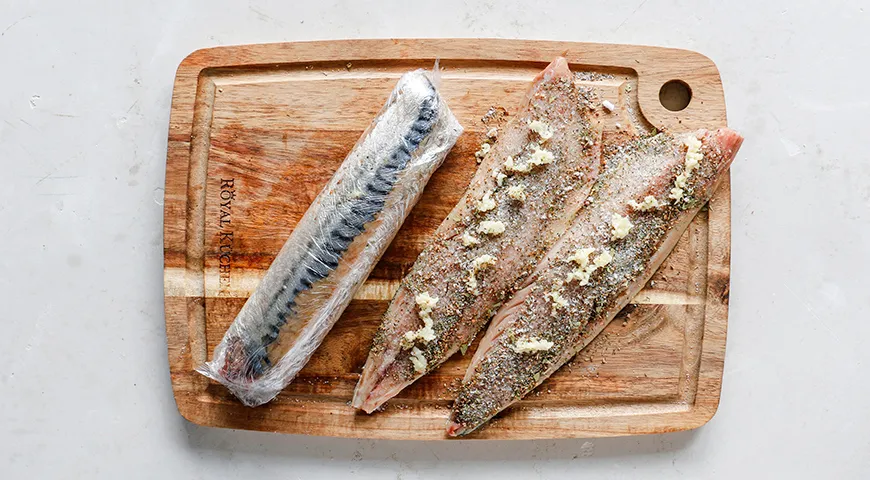
- Assemble and wrap. Pair the two fillets from each fish together, flesh sides facing inward, to recreate the original mackerel shape. Wrap each reassembled fish tightly in several layers of plastic wrap, forming a compact log. Let them sit at room temperature for 1 hour to allow the flavors to meld, then refrigerate for 2 hours. Finally, transfer to the freezer for at least 3 hours—or up to a week for a firmer texture.
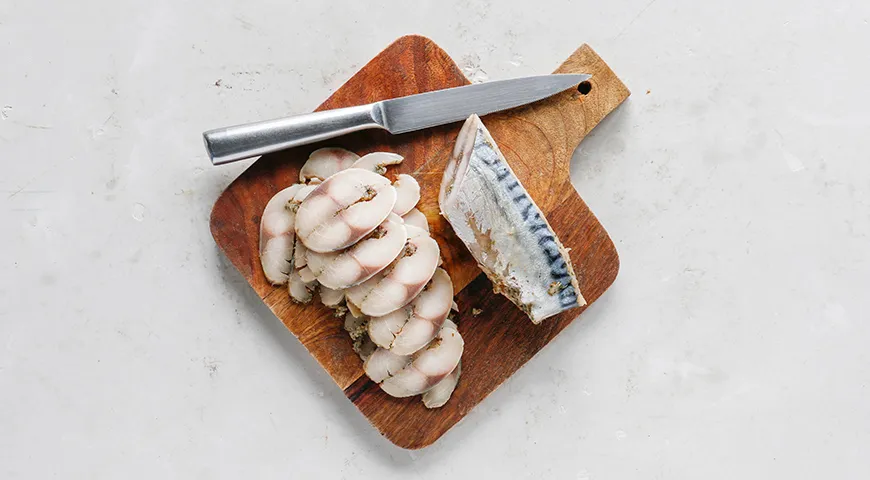
- Slice and serve. Just before serving, unwrap the frozen mackerel and slice it into thin rounds using a sharp knife. Some prefer to let the slices rest for 15–20 minutes to thaw slightly, while others enjoy it straight from the freezer, akin to stroganina. Serve with rye bread, pickles, or a simple salad.
Tips for Perfect Frozen Salted Mackerel
Choosing the right fish is crucial—look for mackerel with bright eyes and firm flesh. For even freezing, ensure the plastic wrap is airtight to prevent freezer burn. If you prefer a milder garlic flavor, reduce the cloves to four. This recipe pairs beautifully with a crisp white wine or chilled vodka. For alternative spice profiles, try adding citrus zest or smoked paprika. A high-quality knife makes slicing frozen fish effortless.
Variations
This basic method invites creativity. Swap dill for fennel seeds or add a pinch of chili flakes for heat. For a Scandinavian twist, incorporate crushed juniper berries. You can also replace mackerel with other oily fish like salmon or sardines. If you're a fan of bold flavor combos, consider adding a splash of lemon zest. The technique is also adaptable for larger batches—just double the spice rub.
FAQ
Can I use fresh mackerel instead of frozen?
Absolutely. Fresh mackerel should be gutted and filleted immediately. However, freezing the fish after seasoning is essential to achieve the proper texture and food safety. If you start with fresh, you can still freeze it after the 1-hour rest.
How long does frozen salted mackerel keep?
Stored tightly wrapped, it stays fresh for up to two weeks in the freezer. After slicing, consume within 2-3 days if refrigerated. For best quality, enjoy within the first week. A freezer thermometer helps maintain consistent temperature.
Can I omit the garlic?
Yes, but the flavor will be less pungent. You can substitute with grated ginger or a teaspoon of mustard seeds. For a garlic-free version, increase the herbs like dill or add dried rosemary. Check our guide on aromatic alternatives for more ideas.
Is it safe to eat raw frozen fish?
Yes, provided the fish was previously frozen at a temperature of -20°C (-4°F) for at least 24 hours to kill parasites. This recipe relies on the freezer to safely cure the mackerel. Always source sushi-grade fish if unsure. For additional safety, read about proper freezing techniques.
What can I serve with frozen salted mackerel?
It pairs wonderfully with crusty bread, boiled potatoes, pickled cucumbers, or a creamy horseradish sauce. For a lighter option, serve over a bed of greens with a lemon vinaigrette. A subtle coffee pairing can also complement the rich fish.
This frozen salted mackerel with garlic is a testament to the beauty of simple techniques. Quick to prepare, endlessly adaptable, and packed with bold flavors, it deserves a spot in your culinary repertoire. Whether you serve it as an elegant appetizer or a hearty snack, this recipe will transform your view of preserved fish. For more ideas on elevating everyday ingredients, browse our collection of time-saving kitchen hacks. Enjoy!







