



There is something deeply comforting about a bowl of fish soup that has been simmered with love and tradition. This Fish Soup with Buckwheat, a cherished Russian comfort staple, marries the earthy nuttiness of buckwheat with the delicate oceanic flavor of fish, all brought together by a golden sauté of onions, carrots, and garlic. The addition of buckwheat not only thickens the broth naturally but also adds a pleasant chewiness, making this soup a satisfying one-dish meal. For a truly efficient kitchen, consider investing in a best glass food processor to quickly chop the onion and garlic. An non-toxic immersion blender can puree the soup to a silky texture if desired. Using a best oil sprayer ensures even coating with minimal oil. For cooking the buckwheat perfectly, a microwave pressure cooker works wonders.
About This Recipe
This Fish Soup with Buckwheat (Рыбный суп с гречкой) originates from the heart of Russian home cooking, where hearty soups are a year-round necessity. Buckwheat, a staple grain in Eastern Europe, is prized for its robust, slightly smoky flavor and nutritional profile—rich in fiber, protein, and minerals. Paired with tender fish, often canned for convenience, and a classic zazharka (sautéed vegetable base), this soup comes together in under an hour. The gentle sweetness of carrots and the aromatic bite of garlic and onion form a perfect backdrop for the fish. To achieve the best broth, we recommend using whole-grain buckwheat groats (ydritsa) and a quality fish in a light brine. If you enjoy canning broth, check out the best steam canner. And for a modern kitchen, a best 48 inch built-in refrigerator keeps ingredients fresh.

Ingredients
- 100 g buckwheat groats (ydritsa)
- 4 medium carrots (500 g)
- 2 large onions (400 g)
- 4 cloves garlic (20 g)
- 1 small bunch parsley (30 g)
- 2 tbsp vegetable oil (30 ml)
- 2 tbsp butter (30 g)
- Salt to taste
- 1 can (approx. 240-300 g) fish in brine (such as mackerel, sardines, or salmon)
Step-by-Step Instructions
Step 1: Prepare the Vegetable Sauté
Start by peeling and finely chopping the onions and garlic. Peel the carrots and grate them on the large holes of a box grater. In a heavy-bottomed pot, heat the vegetable oil over medium heat. Add the chopped onion and sauté for 5 minutes until translucent. Stir in the grated carrots and garlic, season with a pinch of salt, and continue cooking for 10 minutes, stirring occasionally, until the carrots soften and the mixture is fragrant. This classic zazharka forms the flavor foundation of the soup. A non-toxic air fryer can be used to crisp leftover fish separately, but for the soup, the stovetop method is best.

Step 2: Toast the Buckwheat
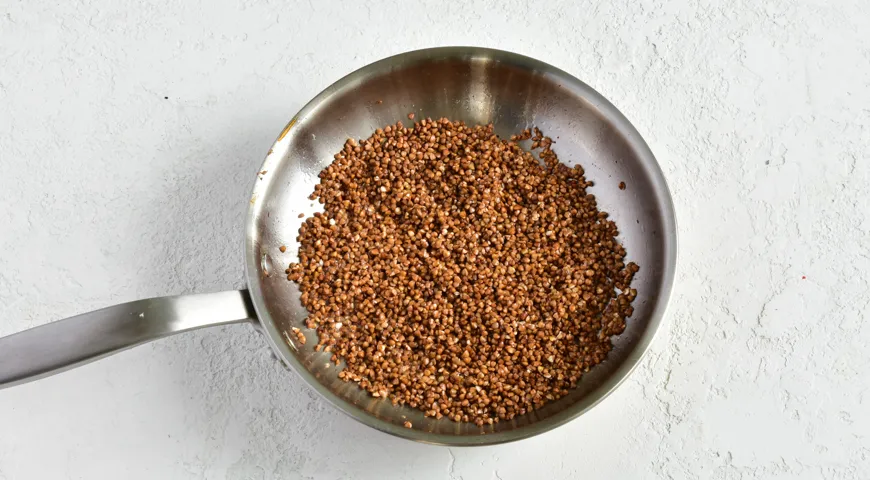
In a separate skillet, melt the butter over medium heat. Add the buckwheat groats and toast them, stirring constantly, for 3–4 minutes until they become aromatic and lightly golden. This step deepens the nutty flavor of the buckwheat. Transfer the toasted groats to the pot with the vegetable sauté and stir to combine. To cook the buckwheat evenly, using a microwave pressure cooker would be an alternative method, but here we simmer it directly in the soup.
Step 3: Simmer the Broth
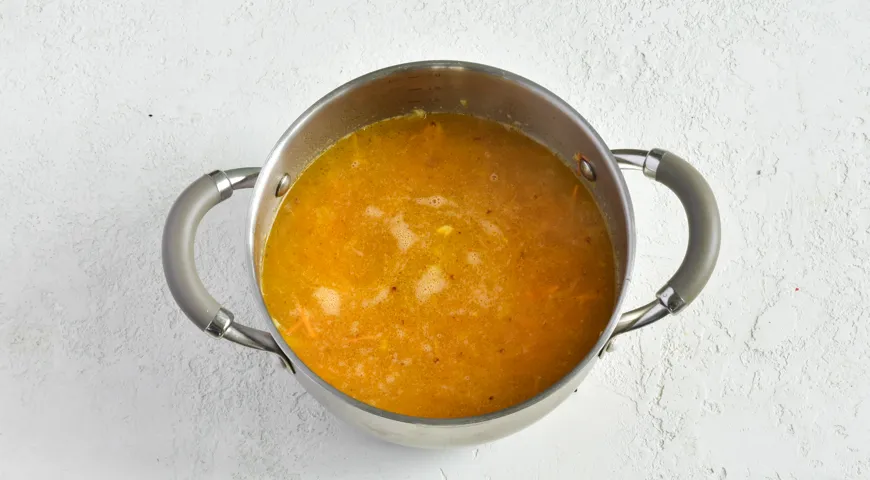
Pour 1.2 liters of cold drinking water into the pot with the vegetables and buckwheat. Bring to a boil over medium heat, then reduce to a gentle simmer. Cook for 10 minutes, stirring occasionally to prevent the buckwheat from sticking. The groats will begin to soften and release their starch, thickening the soup naturally. This is the perfect moment to check for seasoning and adjust salt. A best store-bought au jus for prime rib might not be needed here, but it shows how careful flavor layering matters.
Step 4: Add the Fish
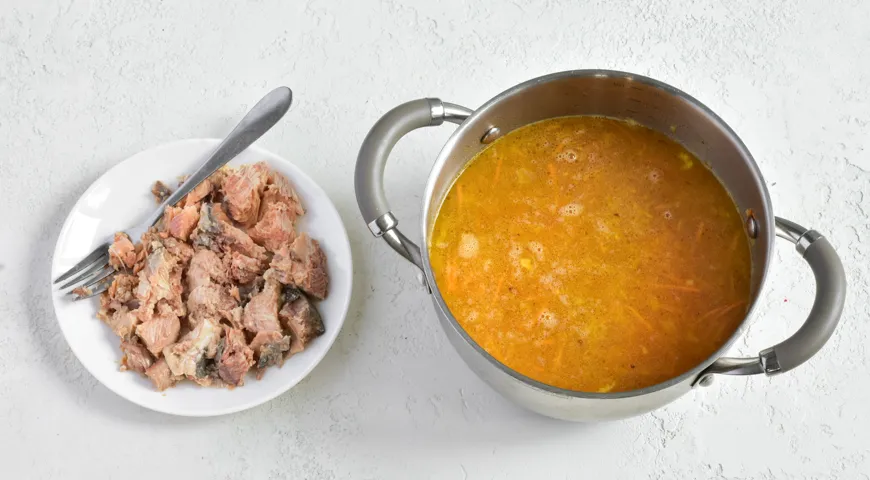
Open the can of fish and drain the brine directly into the pot. Flake the fish into small pieces with a fork (crush any large bones between your fingers if you prefer a finer texture) and add them to the soup. Stir gently, then continue to simmer for another 10 minutes. The fish will break apart slightly, infusing the broth with its rich, savory essence. If you want to keep your refrigerator running efficiently, a refrigerant leak detector is a useful tool.
Step 5: Finish with Parsley and Rest
Finely chop the fresh parsley. Taste the soup and add more salt if needed. Stir in the parsley, then cover the pot with a lid, turn off the heat, and let the soup rest for 5 minutes. This brief resting period allows the flavors to meld beautifully. Serve hot, preferably in deep bowls with crusty bread. For a refreshing pairing, consider a glass of best sweet wine with high alcohol content. And if you are hosting guests, a coffee maker for Airbnb can be a thoughtful addition to your kitchen setup.

Tips for the Perfect Fish Soup with Buckwheat
- Choose the right fish: Canned mackerel, sardines, or salmon in brine work best. Avoid oil-packed fish as it can make the soup greasy.
- Toast for depth: Never skip toasting the buckwheat in butter; it transforms the grain from bland to nutty.
- Don’t overcook: Once the fish is added, simmer only 10 minutes to keep it tender.
- Adjust consistency: If the soup thickens too much upon standing, add a splash of hot water.
- Make ahead: This soup tastes even better the next day. Store in an airtight container in the refrigerator. For long-term storage, using a best undercounter ice maker machine isn't necessary, but a good ice maker can help chill the soup quickly.
Variations to Try
This versatile recipe welcomes creativity. Swap the buckwheat for pearl barley or millet for a different texture. Add a dollop of sour cream before serving for richness. For a spicy kick, stir in a teaspoon of paprika or chili flakes along with the garlic. Vegetarians can replace the fish with smoked tofu or mushrooms and use vegetable stock, though the spirit of the dish remains. For an elegant presentation, garnish with dill instead of parsley. And if you enjoy home distilling, you might appreciate a bottle of best organic vodka to serve alongside.
FAQ
Can I use fresh fish instead of canned?
Yes, absolutely. Use 300–400 g of firm white fish fillets (like cod or haddock). Poach the fish separately in a little water, then flake and add to the soup. Adjust cooking time as fresh fish cooks faster. This method pairs well with a non-toxic immersion blender if you want to partially puree the soup.
How do I prevent the buckwheat from becoming mushy?
Use whole-groats (ydritsa) rather than the finer kasha. Toast them briefly and do not overcook; 10 minutes of simmering before adding the fish and another 10 minutes with the fish is usually enough. If you have a microwave pressure cooker, you can cook the buckwheat separately and add it at the end.
Is this soup gluten-free?
Yes, buckwheat is naturally gluten-free, but always check the packaging for cross-contamination. The other ingredients are also gluten-free. This soup makes a wholesome, healing meal for those with dietary restrictions.
Can I freeze fish soup with buckwheat?
Yes, but note that buckwheat may become softer upon thawing. Freeze in portion-sized containers for up to 3 months. Reheat gently on the stove. If you are a fan of batch cooking, a best steam canner is ideal for preserving broth-based soups.
What can I serve with this soup?
A slice of hearty rye bread or sourdough is traditional. A simple green salad with a tangy vinaigrette balances the richness. For dessert, offer best chocolate covered raisins as a sweet finish. And for a morning-after breakfast, a cup of best George Howell coffee is a delightful pairing.







