


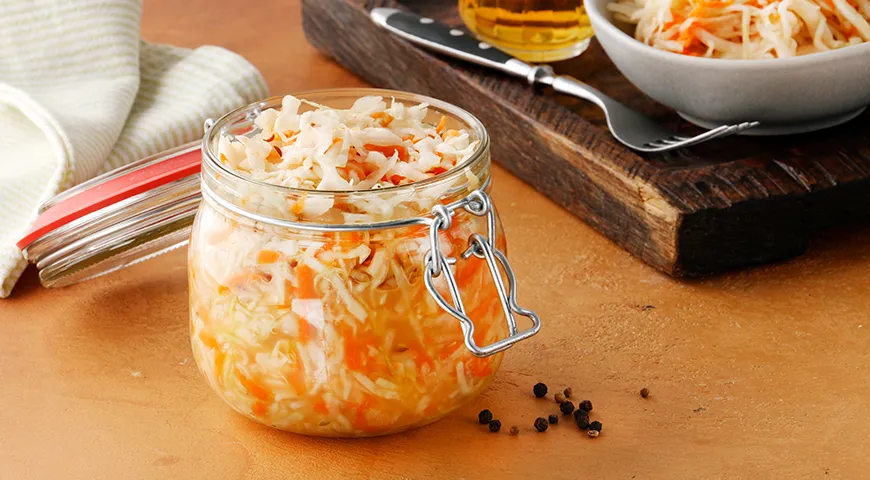
In the heart of Slavic culinary tradition lies a sublime alchemy: the transformation of humble cabbage into a tangy, probiotic-rich kvashchenaya kapusta. When amplified with the fiery bite of fresh horseradish and the earthy warmth of caraway, this fermented delicacy transcends its peasant roots to become a gastronomic statement of purity and depth. Crafted over days with patience and purpose, this Fermented Cabbage with Horseradish offers a crisp lattice of flavour that pairs beautifully with roasted meats, hearty stews, or simply drizzled with cold-pressed oil. The process is as much a meditation as it is a recipe — a slow dance of salt, pressure, and time that rewards with a jar of living, breathing goodness.
About This Recipe
Fermented cabbage, known the world over as sauerkraut, takes on a distinct character in Russian kitchens. Here, the addition of freshly grated horseradish root introduces a sinus-clearing sharpness, while caraway seeds contribute a subtle, liquorice-like sweetness. This version leans toward a traditional three-day fermentation at room temperature followed by a cool three-day rest, allowing the lactic acid bacteria to flourish without becoming overly sour. The result is a crunchy, translucent slaw with a balanced acidity and a gentle heat that lingers. Whether you are a seasoned fermentist or a curious novice, this recipe is a rewarding gateway into the art of lacto-fermentation.

Ingredients
- White cabbage – 2.5 kg
- Carrots – 400 g
- Horseradish root – 100 g
- Salt – 3 tbsp (non-iodized)
- Caraway seeds – 1 tbsp
Use a planetary mixer for mixing large batches, or simply rely on your hands — the warmth and pressure are part of the magic.
Step-by-Step Instructions
Step 1: Prepare the Cabbage
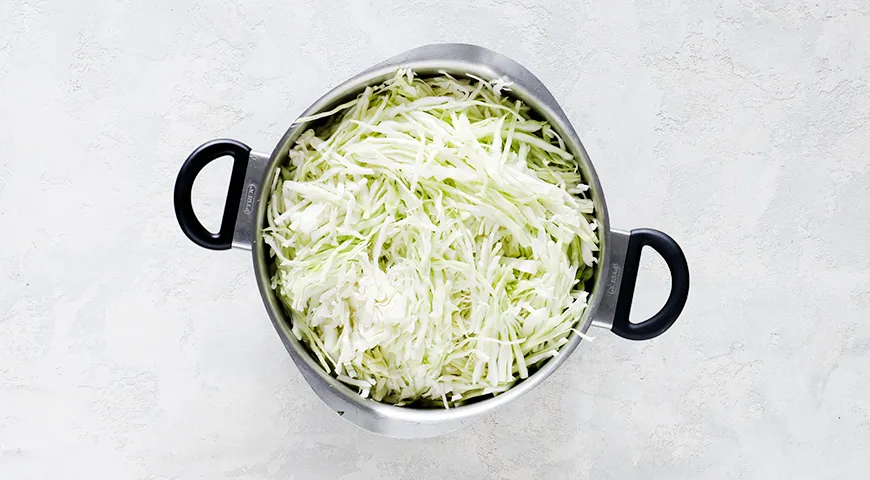
Remove the outer leaves from the cabbage heads, cut them into quarters, and excise the tough cores. Using a sharp chef''s knife or a glass food processor with a shredding disc, finely shred the cabbage. Transfer the shreds to a large enamel pot or a stainless-steel bowl.
Step 2: Grate Carrots and Horseradish
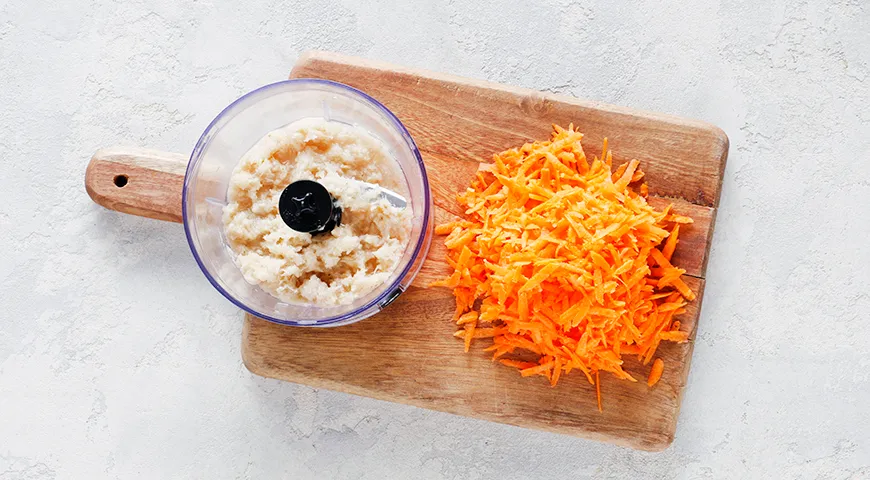
Peel the carrots and horseradish root, then wash them well. Grate the carrots on the large holes of a box grater. For the horseradish, blitz it in a closed blender jar to avoid irritating fumes — a non-toxic immersion blender works perfectly if you pulse carefully. Combine the grated carrots and horseradish with the cabbage.
Step 3: Season and Massage
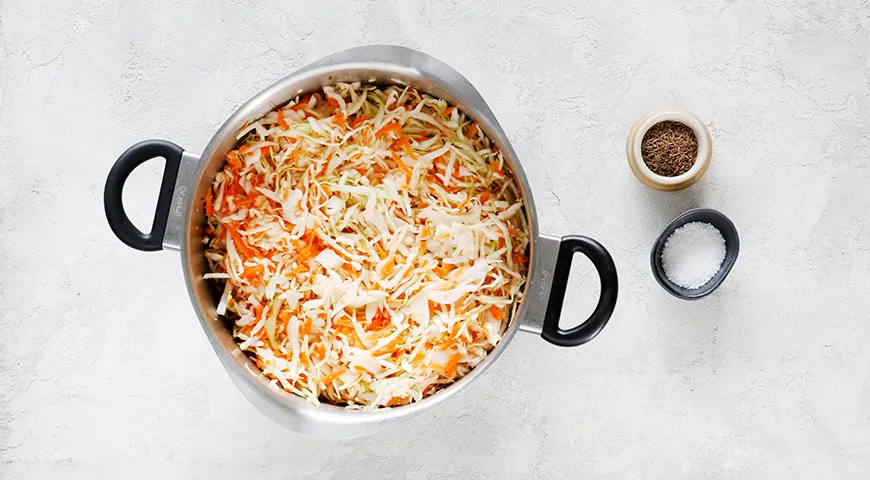
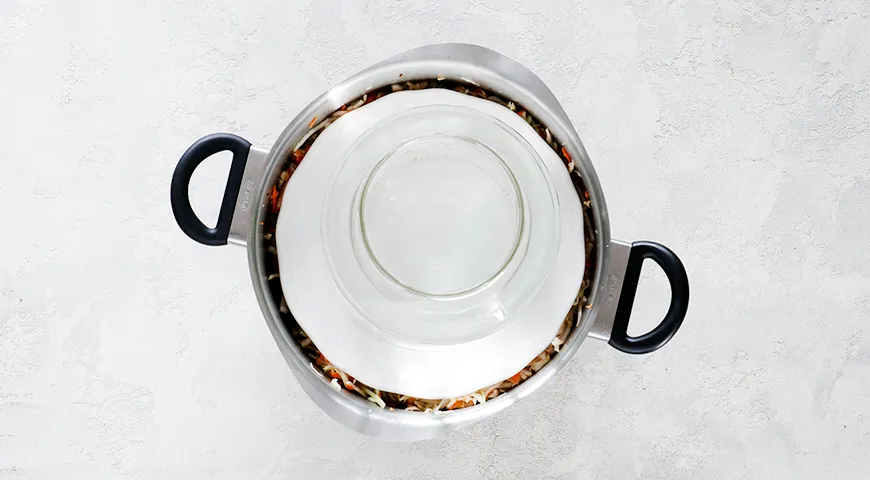
Sprinkle the salt and caraway seeds over the vegetables. Vigorously massage the mixture with your hands, pressing and squeezing until a pool of juice forms at the bottom. Place a plate or lid directly on the surface, then weigh it down with a clean stone or a jar filled with water. This weight, or gnet, encourages brine extraction. Leave at room temperature for three days.
Step 4: Release the Gases
After three days, you will notice foam on the surface — a sign of active fermentation. Remove the weight and pierce the cabbage deeply in several spots with a wooden skewer to allow carbon dioxide to escape. Replace the weight and move the container to a cool place (below 15°C) for another three days.
Step 5: Pack and Store
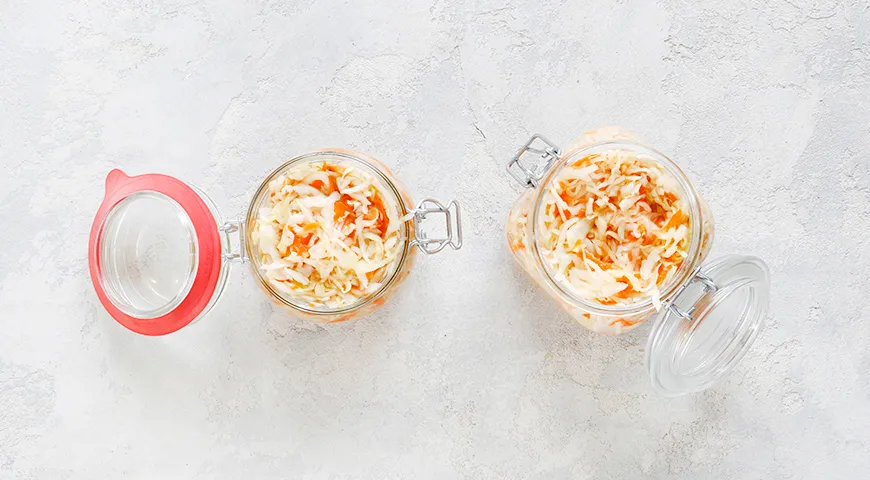
Once the fermentation is complete, transfer the kraut into clean, dry glass jars. Press down firmly to eliminate air pockets, seal with plastic lids (do not can or vacuum-seal), and refrigerate. The best steam canner techniques are unnecessary here — refrigeration preserves the live cultures beautifully.
Tips for Perfect Fermentation
- Use non-iodized salt — iodine can inhibit the beneficial bacteria. A fine sea salt or kosher salt works best.
- Always keep the vegetables submerged under the brine. If they float, add a clean weight or a glass fermentation follower. A best oil sprayer is not relevant here, but a simple brine weight is essential.
- Taste after the second three-day period. If you prefer a sharper tang, leave it a day or two longer in the cool location.
- Cleanliness is paramount: use sterilised jars and washed hands to prevent unwanted mould.
Variations
For a milder kraut, reduce the horseradish to 50 g and add a grated apple. Craving more heat? Include a chopped chilli pepper along with the carrots. You can also substitute caraway with dill seeds for a brighter, herbaceous note. Serve this fermented cabbage with a drizzle of best organic vodka for an authentic Slavic pairing, or spoon it over grilled sausages from a non-toxic air fryer for a quick weeknight dinner.
FAQ
Can I use a food processor to shred the cabbage?
Absolutely. A food processor for nut butter also excels at shredding cabbage — just use the grating disc and pulse gently to avoid mushy slices.
Why is my fermented cabbage turning pink?
Pinkish hues are usually harmless — they often come from certain bacteria or yeast. However, if the cabbage smells foul or has fuzzy mould, discard it. Proper submersion in brine prevents most issues. Check your 48-inch built-in refrigerator temperature settings to ensure consistent cooling.
Do I need to add water?
No. The salt draws out enough moisture from the cabbage and carrots to create a natural brine. If after three hours the vegetables are not covered, you can add a small amount of non-chlorinated water — but this recipe is designed to be self-brining.
How long will this fermented cabbage keep?
Stored in the refrigerator, it will stay crisp and tangy for up to six months. The flavour continues to deepen slowly. Use a best undercounter ice maker machine for ice-cold serving suggestions, but the kraut itself needs no ice.
Can I double the recipe?
Yes, simply scale all ingredients proportionally. A larger batch may require a more robust fermentation vessel. A commercial countertop convection oven is not needed, but a large ceramic crock or food-grade bucket works excellently. Just remember to adjust the weight so the vegetables remain submerged.







