


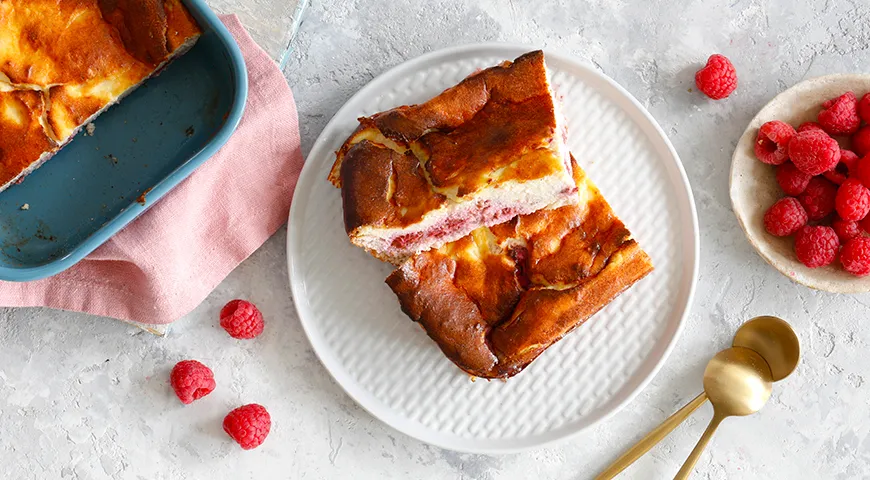
There are few desserts that manage to be both indulgent and virtuous, but this dietary cottage cheese casserole proves it's possible. Made without sugar and without flour, it's a revelation for anyone committed to clean eating—or simply seeking a lighter, more wholesome treat. The secret lies in the gentle sweetness of fresh raspberries and the creamy richness of 5% cottage cheese, balanced by airy whipped egg whites. The result is a tender, cloud-like casserole that tastes anything but dietetic. Whether you're following a low-carb lifestyle, watching your waistline, or just craving a guilt-free dessert, this recipe delivers pure comfort without compromise.
About This Recipe: A Healthier Take on a Classic
Russian cottage cheese casserole (tvorozhnaya zapekanka) has long been a beloved staple, often loaded with sugar, butter, and flour. This version strips away those extras while keeping every bit of satisfaction. By using natural yogurt and vanilla extract for moisture and flavor, and relying on properly whipped egg whites for structure, the casserole stays light, fluffy, and naturally sweet. The raspberries burst with freshness, adding a jewel-like pop. For the best texture, choose fresh berries—frozen ones can release too much liquid and compromise the delicate crumb. If you're new to working with immersion blenders or want to upgrade your kitchen tools, investing in a quality blender ensures a silky-smooth cottage cheese base.

Ingredients
Makes one 20 cm round casserole (about 6 servings). All ingredients should be at room temperature unless noted.
- Cottage cheese (5% fat) – 500 g
- Eggs (C1 size) – 4, separated
- Natural yogurt (plain, unsweetened) – 150 ml
- Vanilla extract – ½ tsp
- Fresh raspberries – 100 g
- Vegetable oil (for greasing) – 10 ml
Using a high-quality glass food processor can make the pureeing step even simpler, especially if you prefer a one-bowl approach.
Step-by-Step Instructions
Step 1: Prepare the Cottage Cheese and Eggs
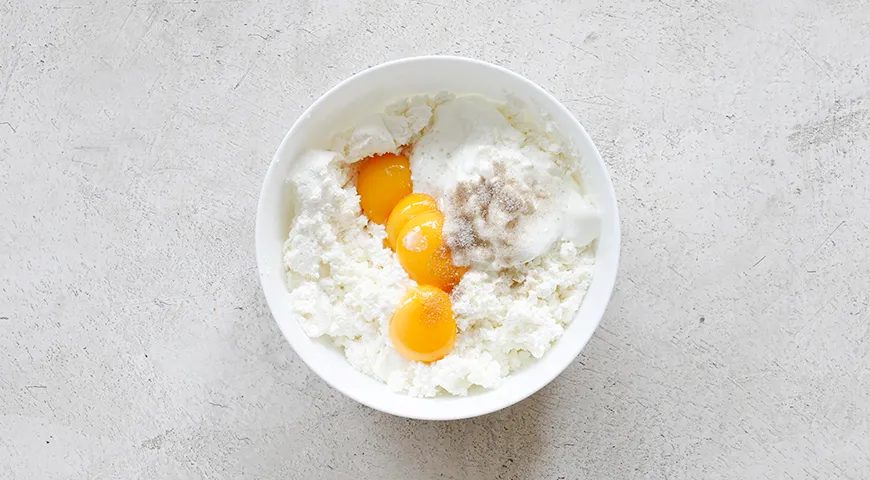
Start by pressing the cottage cheese through a fine-mesh metal sieve. This is crucial for achieving a velvety texture without any grainy bits. While you work, separate the eggs—place the whites in a clean bowl and leave them at room temperature; they’ll whip to greater volume. Set the yolks aside.

Step 2: Blend the Base
Transfer the sieved cottage cheese to a blender or food processor. Add the natural yogurt, egg yolks, and vanilla extract. Blend until completely smooth and creamy, scraping down the sides as needed. For the smoothest results, a powerful food processor works beautifully here, but a standard blender will do.
Step 3: Prepare the Raspberries and Whip the Whites
Gently wash the raspberries and pat them dry on paper towels—excess moisture is the enemy of a light casserole. In a separate bowl, beat the egg whites with a mixer on medium-high speed until stiff peaks form. When you lift the whisk, the peaks should stand upright without collapsing.
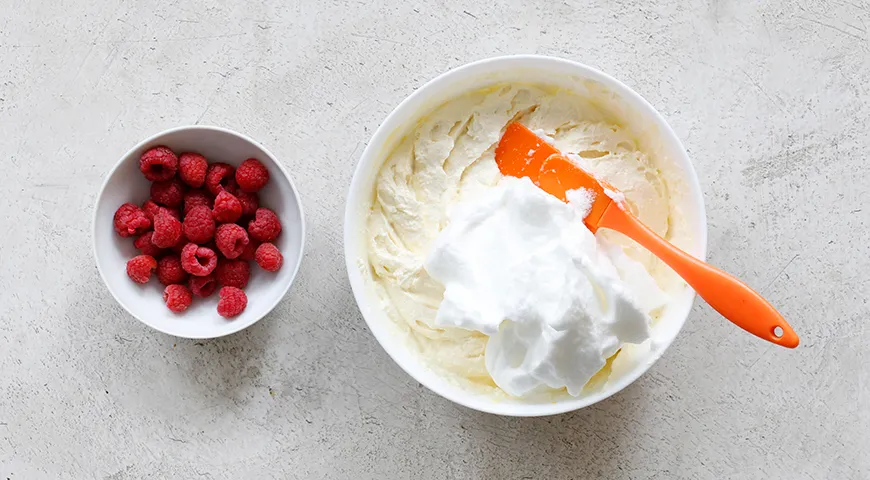
Add the raspberries to the blended cottage cheese mixture and fold in very gently with a silicone spatula, trying not to crush the berries.
Step 4: Fold in the Egg Whites
Quickly but carefully fold the whipped whites into the raspberry-cottage cheese mixture using a silicone spatula. Work with a light hand—the batter should remain airy and slightly runny. Don’t overmix or you’ll deflate the whites. Brush the baking dish with the 10 ml of vegetable oil, coating the bottom and sides evenly. Pour the batter into the prepared dish.
Step 5: Bake the Casserole
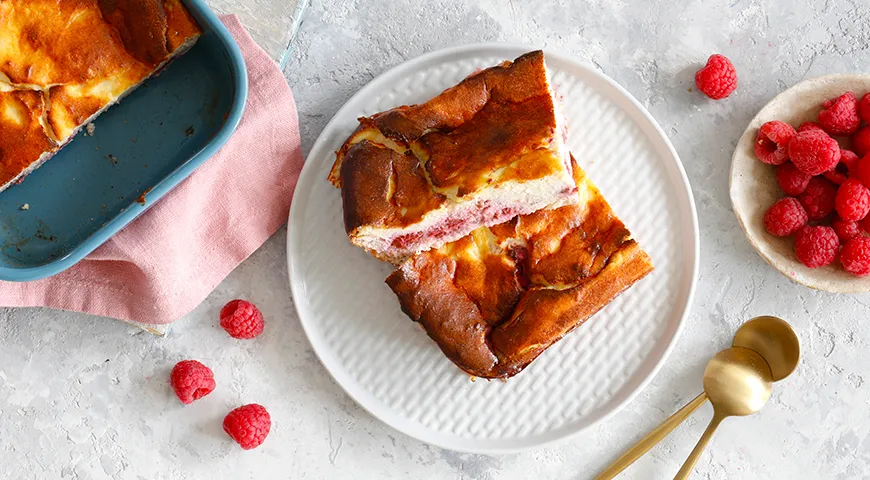
Preheat the oven to 170°C (340°F). Place the filled dish on a baking sheet and set it on the middle rack. Bake for 40–50 minutes, until the top is golden brown and the center is set but still jiggles slightly. A toothpick inserted into the middle should come out clean or with a few moist crumbs. For even cooking, consider using a countertop convection oven, which circulates heat beautifully.
Step 6: Cool and Serve
Remove the casserole from the oven and let it rest at room temperature for at least 15 minutes. This allows the structure to settle and makes slicing easier. Serve warm or at room temperature, perhaps with a drizzle of berry puree or a dollop of Greek yogurt. The casserole is lovely on its own, but a spoonful of chocolate-covered raisins on the side adds a playful crunch.
Tips for Success
- Don’t skip the sieving – pressing cottage cheese through a sieve eliminates lumps, giving your casserole a silky texture. A planetary mixer with a paddle attachment can also help break down cottage cheese, though sieving remains the most reliable method.
- Use room-temperature egg whites – they whip to greater volume and incorporate more air, making the casserole lighter.
- Be gentle when folding – overmixing deflates the whites and leads to a dense result. A light, folding motion is key.
- Watch the baking time – ovens vary; start checking at 40 minutes. The casserole is done when the top is golden and the edges pull away slightly from the pan.
- Cool before slicing – cutting into a hot casserole can cause it to crumble. Patience pays off.
Variations to Explore
Once you've mastered the basic recipe, feel free to experiment. Swap raspberries for blueberries, sliced peaches, or diced apples. Add a teaspoon of lemon zest for brightness, or a pinch of cinnamon for warmth. For an extra protein boost, mix in a scoop of vanilla protein powder (adjust liquid slightly). The Catalan sponge cake concept reminds us that simple, airy bakes can be endlessly adapted. If you prefer a richer texture, substitute half the yogurt with full-fat sour cream.
Frequently Asked Questions
Can I use frozen raspberries instead of fresh?
Fresh raspberries are strongly recommended because frozen berries release extra moisture during baking, potentially making the casserole soggy and affecting its rise. If you must use frozen, do not thaw them first, and toss them lightly in a teaspoon of cornstarch before adding.
Can I make this casserole dairy-free?
Yes, you can substitute the cottage cheese with a dairy-free ricotta-style product (look for one made from almonds or cashews) and use a plant-based yogurt. The texture will be slightly different, but the result can still be delicious. A high-speed blender helps achieve a smooth base with nondairy ingredients.
Why did my casserole become dense and flat?
The most common culprit is under-whipped egg whites or overmixing the batter. Ensure your whites form stiff peaks before folding, and fold only until no white streaks remain. Also check that your oven temperature is accurate—an oven thermometer can help. For reliable baking, consider a wall oven microwave combo with air fryer for precise heat control.
How should I store leftovers?
Store any cooled casserole tightly covered in the refrigerator for up to 3 days. To reheat, place slices in a low oven (150°C) for 5–7 minutes, or microwave briefly. The texture will be best when reheated gently.
Can I freeze this cottage cheese casserole?
Yes, you can freeze the fully baked and cooled casserole for up to 2 months. Wrap tightly in plastic wrap and then foil. Thaw overnight in the fridge and reheat as above. Freezing may slightly affect the texture, but it's still a great make-ahead option.
Final Thoughts
This dietary cottage cheese casserole proves that healthful desserts can be genuinely pleasurable—light, fruity, and satisfying. It's perfect for a guilt-free brunch, a post-workout snack, or a weeknight treat. The gentle sweetness of raspberries and the creamy tang of yogurt make every bite feel indulgent, even though it's anything but. For more kitchen inspiration, check out our best organic vodka guide or explore non-toxic air fryers for other healthy cooking methods. Happy baking!







